How NurseLink Healthcare's Patient Transport Helped A Camberwell Family Through Their Mother's Move From Hospital To Aged Care
A Case Study In Non-Emergency Transport That Understood A Discharge Can Also Be A Goodbye
Introduction
For most patients, leaving the hospital is good news. It means recovery, a return to normal life and the end of unfamiliar corridors. But for some older people, discharge does not lead home. It leads to residential aged care, a move that may be permanent and that often follows a health event that has changed everything.
For these patients, and for their families, the journey from a hospital bed to a new room in an aged care home carries a weight that no other transport does. It is not simply a transfer between two buildings. It is the moment a person leaves behind the house she lived in, the neighbourhood she knew and, in many cases, the life she expected to keep living. Families are often grieving while also managing paperwork, belongings and logistics. The person at the centre is frequently frail, tired and frightened.
Good transport for this kind of discharge understands that the practical task, moving a frail patient safely across Melbourne, sits on top of a much larger emotional event. The crew’s job is to get her there safely and gently, and to make sure that the journey feels like a considered step rather than a removal. This case study documents how NurseLink Healthcare’s Non-Emergency Patient Transport service supported a family in Camberwell whose mother, in her late eighties, was discharged from hospital into residential aged care, and how a patient, respectful approach helped the day feel like a beginning rather than only an ending.
To protect the privacy of the client and her family, all names and identifying details have been kept confidential throughout this case study.
The Family & Their Situation
The family consists of a woman in her late eighties, her daughter, in her early sixties, and her son, in his late fifties. Several grandchildren lived in Melbourne and visited often.
The client had lived in the same house in Camberwell for more than fifty years. She was a retired piano teacher, sharp-witted, and fiercely proud of her independence. Three weeks earlier, she had fallen at home and fractured her hip. She had been taken to hospital, undergone surgery and begun rehabilitation, but her recovery had been slower than hoped. She was now frail, needed help with most daily tasks and was no longer safe to live alone.
The family had spent two difficult weeks working through the options with the hospital’s social worker and the client’s GP. They had visited several aged care homes, completed assessments and made a decision they all found painful: she would move into a residential aged care home in a nearby suburb, about twenty minutes from her house. A room had become available, and the hospital was ready to discharge her.
The client herself had agreed, but without enthusiasm. She had told her daughter, quietly, that she understood it was sensible, and that she did not want to be a burden. She had also asked, almost as an afterthought, whether she might be allowed to see the house once more.
Her daughter was struggling. She felt guilty, and she was worried about the day itself. How would her mother cope with the move? Would the transport be rough or rushed? Would anyone understand what the day meant? She had read stories of older people arriving at aged care homes distressed and disoriented, and she badly wanted her mother’s arrival to be different.
Understanding What The Family Actually Needed
When the hospital’s discharge team contacted NurseLink Healthcare, the request was a standard stretcher transfer from the hospital ward to the aged care home. But the transport coordinator who spoke with the daughter recognised, within minutes, that the practical request carried a good deal more.
The client needed a safe, comfortable transfer that protected her recently repaired hip. She needed a crew who knew how to move a frail patient gently, who understood the need for careful positioning and who would not rush. She needed to be treated with the respect of a woman who had lived a long and capable life.
She also needed some say in the day. The coordinator noted her request to see the house, and recognised that it was not a small thing. For a person leaving her home of fifty years, a last look could be the difference between feeling that the move had been done to her and feeling that she had been part of it.
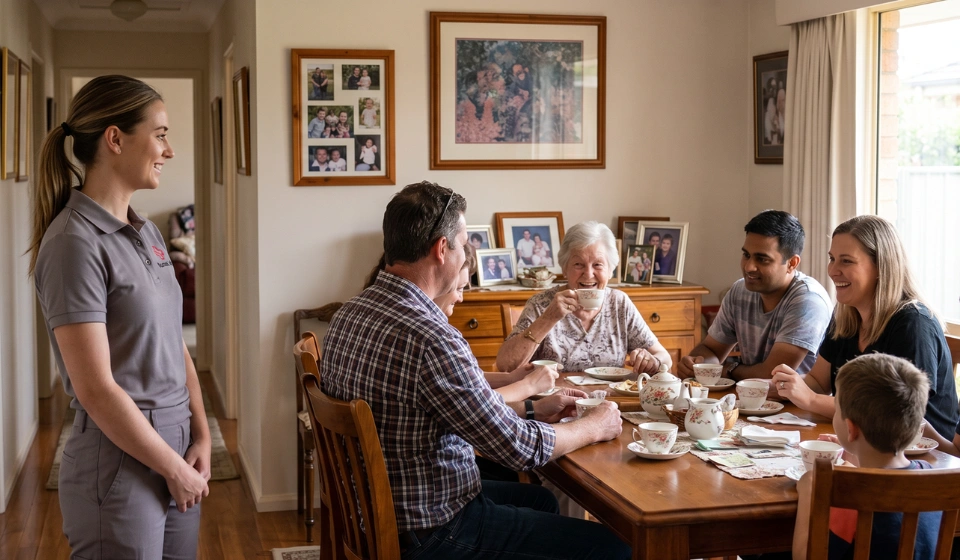
Her daughter and son needed to be included. They wanted to be at both ends of the journey, to say goodbye at the hospital and to be waiting at the aged care home. They needed to know that the crew would be kind, and that the transfer would not feel like a handover to strangers. They also needed information, because they had not done this before.
The NurseLink Healthcare Solution
A Crew Chosen For Gentleness With Frail Older Patients
NurseLink Healthcare assigned a crew with extensive experience transporting frail older patients, including those moving into residential aged care. They were chosen for their patience and warmth, and for their skill in managing patients recovering from hip surgery. The coordinator judged that a woman who valued dignity would respond best to a crew who took the time to talk to her.
A Detour The Family Had Not Dared To Ask For
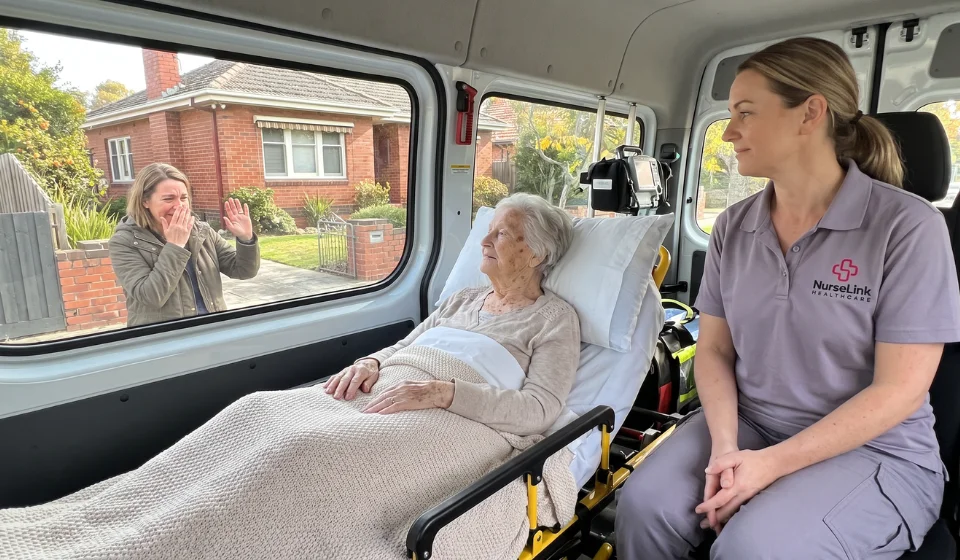
When the coordinator learned of the client’s wish to see her house once more, she discussed it with the hospital and the aged care home, and with the family. The crew confirmed that a brief, planned stop outside the house was clinically safe, and could be done within the available time. The transport was planned with a short detour, with enough time for the client to look at the house from the vehicle, without getting out.
A Careful Departure From The Ward
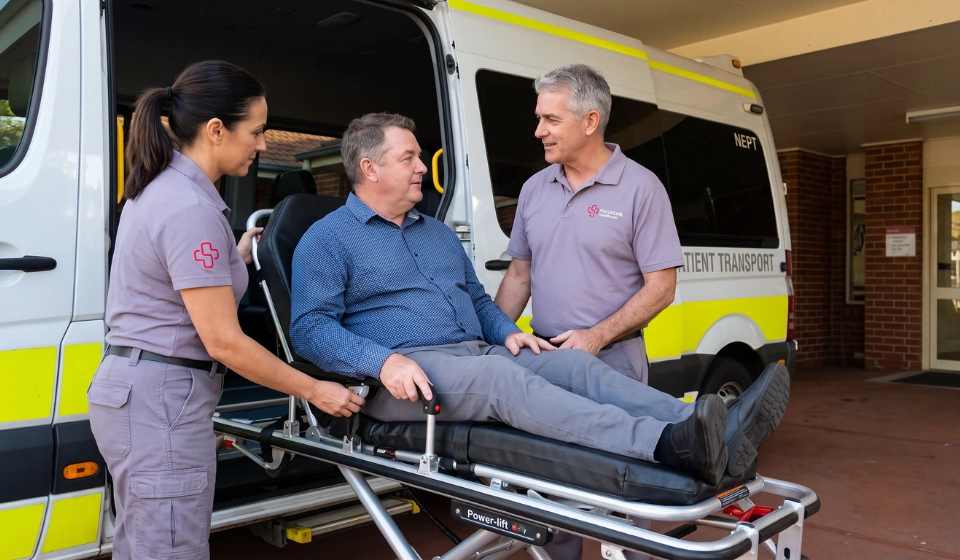
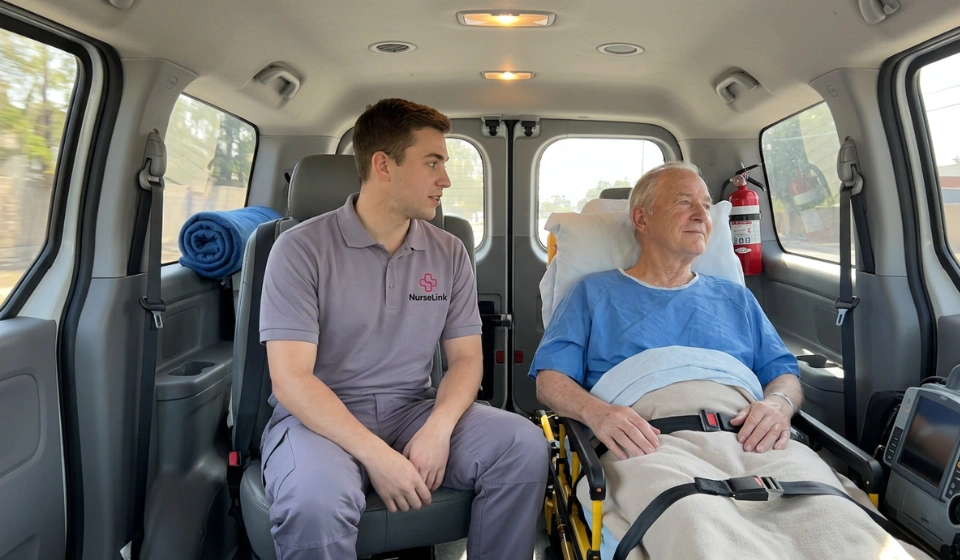
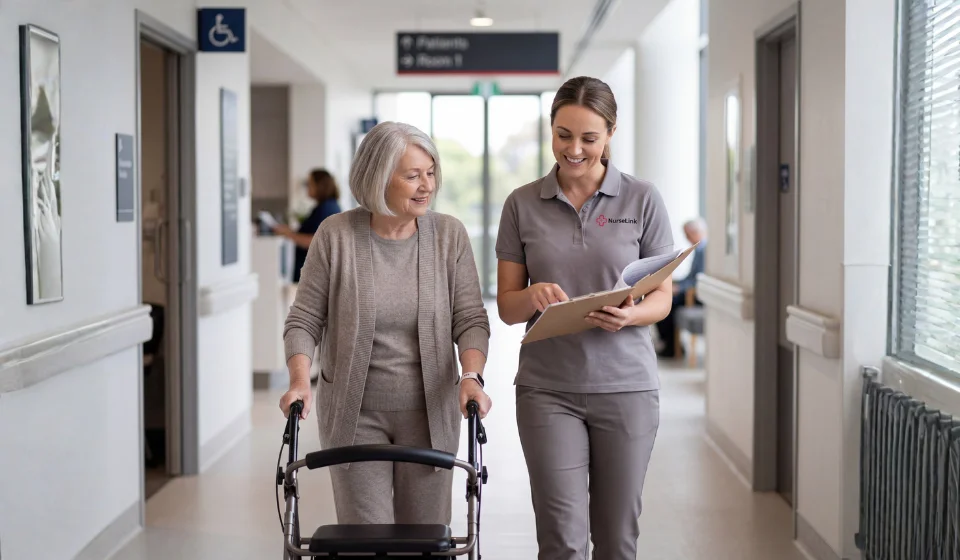
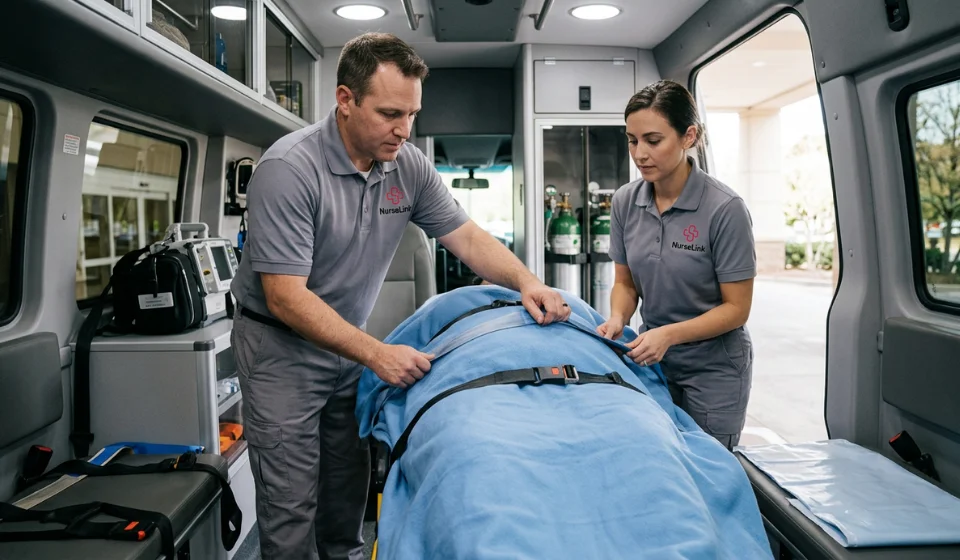
On the morning of the transfer, the crew introduced themselves to the client and her family, explained the plan and asked her how she wished to be moved. They took time over the transfer from bed to stretcher, moving her slowly and adjusting her position until she was comfortable. Her daughter and son were given a few minutes alone with her before departure. The crew waited without hurrying.
A Gentle Journey Through Familiar Streets
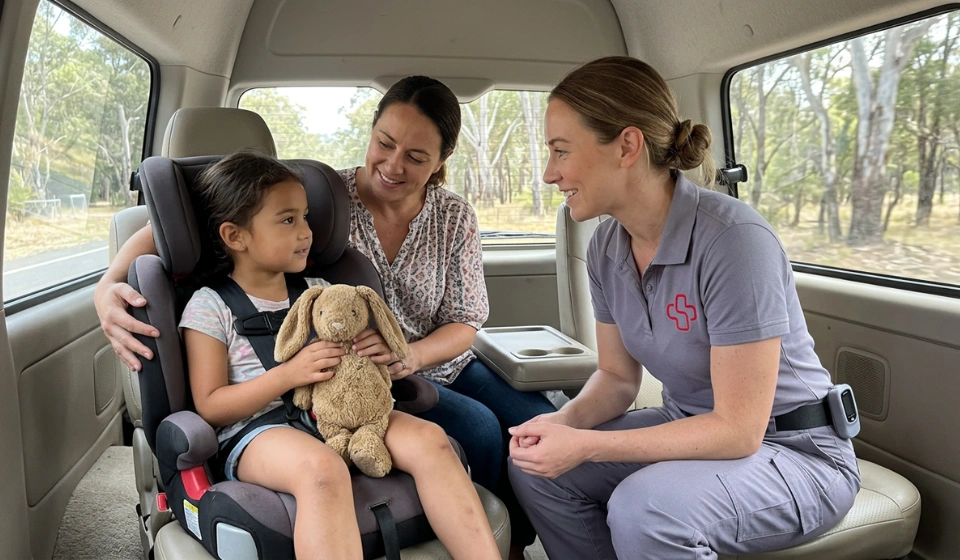
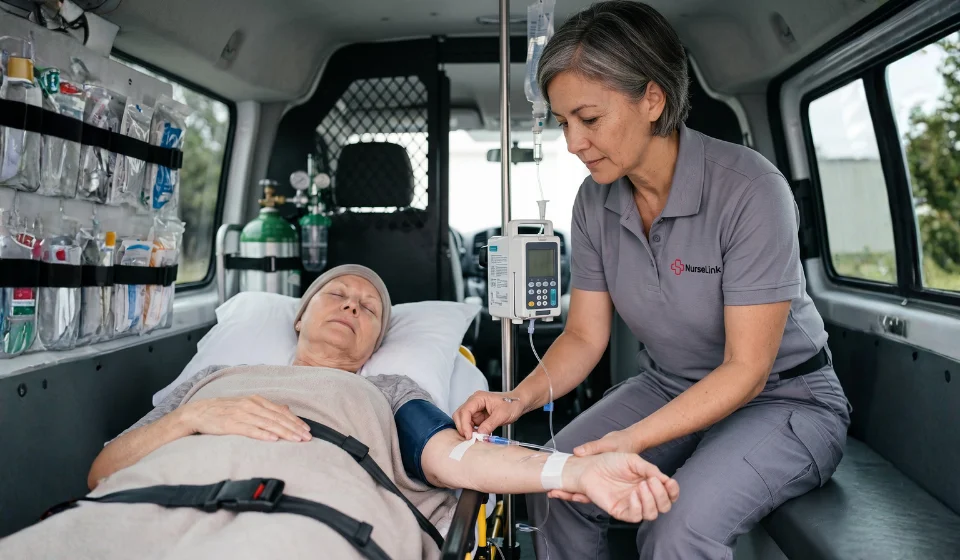
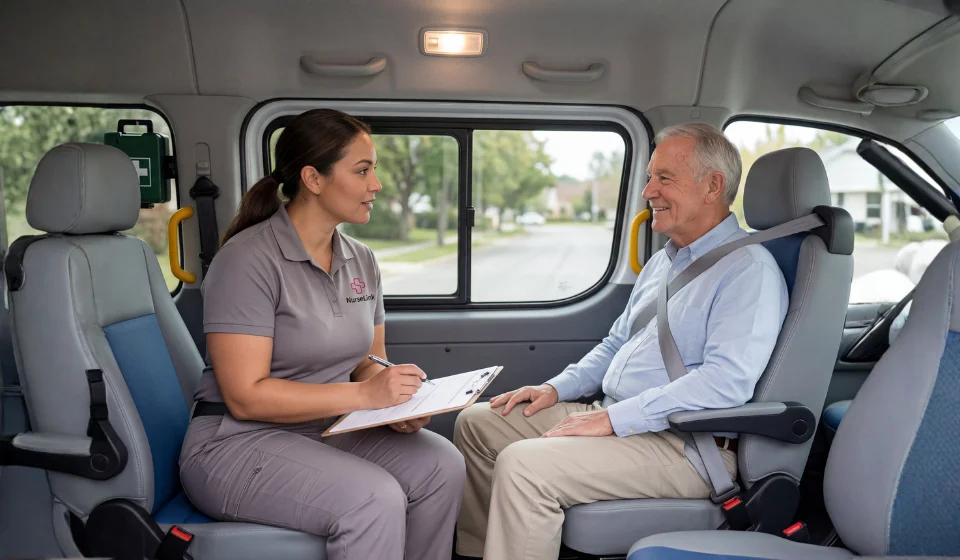
During the drive, the crew spoke with the client, asking about her life and her music. She told them about her piano students and about the house, and said that the front garden had been her pride. The crew drove smoothly and kept the vehicle quiet and warm, checking in regularly on her comfort and pain.
A Last Look At Home
When the vehicle reached the street, the crew slowed and stopped outside the house. The client looked at it for some time. Her son, who had followed in his car, stood on the footpath with his hand on the gate. The crew said nothing. After a few minutes, the client said quietly that she was ready. The crew thanked her, and drove on. Her daughter later said that those three minutes were the most important of the whole day.
A Welcoming Arrival
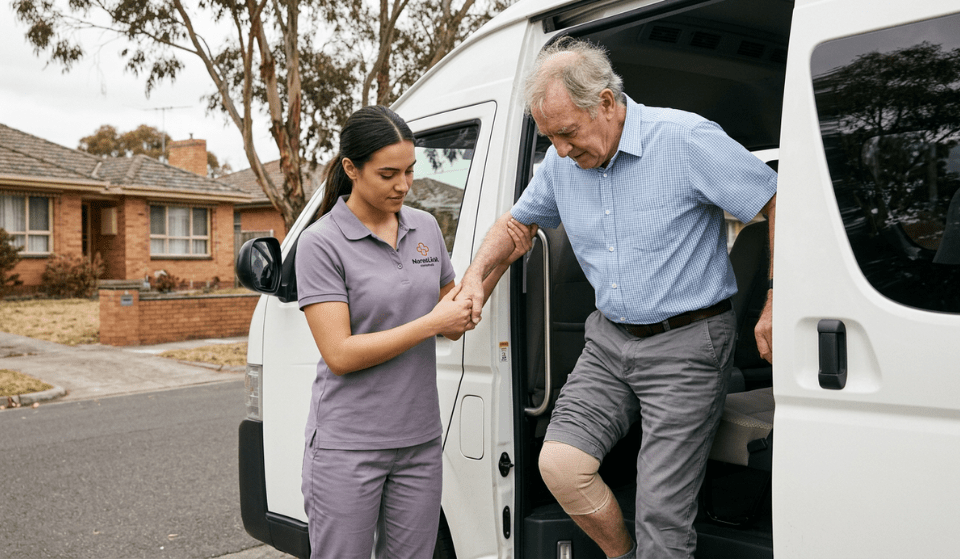
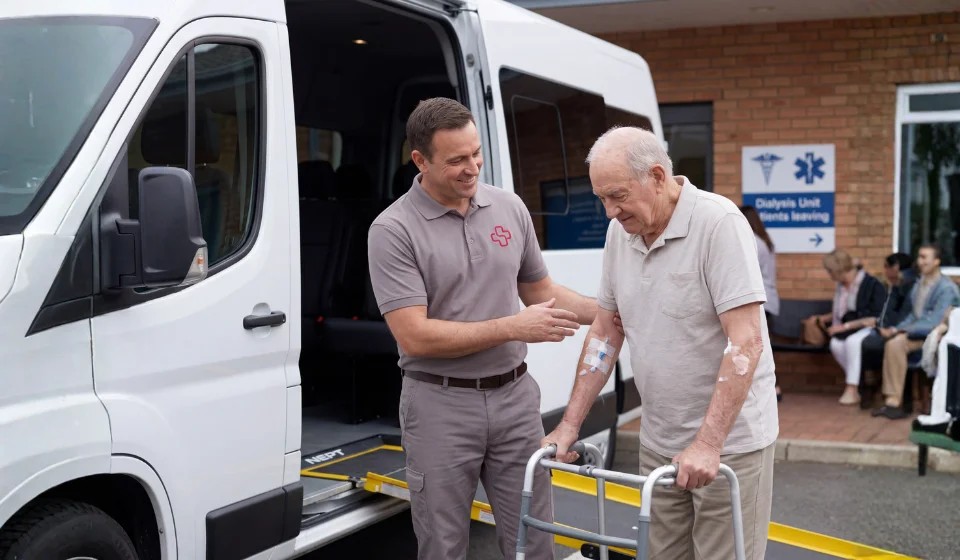
At the aged care home, the crew had arranged with the staff for the client to be met at the door by the nurse who would be looking after her. The crew moved her into her room slowly, helped her settle and made sure her belongings, including a small framed photograph of her late husband, were placed where she could see them. They stayed until the family and the nursing team were ready, and handed over her care clearly and completely.
Outcomes & Impact
She Arrived Comfortable & Settled
The client was transferred without incident, with no increase in pain, and arrived at the aged care home calm and settled. The nursing team noted that her hip was well protected throughout the move.
She Felt Part Of The Decision
The client later told her daughter that seeing the house had made the move feel like her choice. She said that she had been able to say goodbye properly, and that it had made a difference to how she felt when she walked into her new room.
Her Family Felt Supported
Her daughter and son said that the crew’s gentleness and the detour had helped them through one of the hardest days of their lives. They felt less guilty, and more able to focus on their mother.
Her Transition Began On A Better Footing
The staff at the aged care home observed that she settled in more readily than they often saw with new residents. She began to engage with the activities, and within a few weeks, she was playing the home’s piano.
The Handover Was Smooth
The aged care home’s nursing team noted that the handover from the transport crew was clear and thorough, allowing them to begin her care without delay.
A Reflection From The Client's Daughter
Some weeks after the move, the client’s daughter shared the following with the NurseLink Healthcare coordinator:
She said that for two weeks she had dreaded the day of the transfer, and that the thing she feared most was the moment the ambulance doors closed. What she had not expected was a crew who treated her mother like a person with a history, and who understood without being told that the house mattered. She said that when the vehicle stopped outside, and her mother looked at the front garden for a long time and then said she was ready, she felt something shift. She added that her mother had spent fifty years in that house, and that she would be grateful for the rest of her life that the last time she saw it was by choice. She said that the crew had not just moved her mother. They had helped her leave.
Key Takeaways From This Case Study
A discharge into aged care is an emotional event as well as a logistical one. For the patient and the family, it can mark the end of a long chapter, and the journey deserves to be treated that way.
Small gestures can restore a sense of choice. A brief, planned stop outside her home helped the client feel that the move was something she was part of, not something done to her.
A crew experienced with frail older patients protects both safety and dignity. Careful positioning and an unhurried approach kept her hip protected and her spirits steady.
Including the family at both ends of the journey eases guilt and fear. Giving them time at the hospital and a place at the destination helped them through a painful day.
A thoughtful arrival shapes the first weeks. Being met at the door and settled with familiar belongings helped the client begin her new life on a better footing.
Conclusion
A woman who had asked only to see her house once more, and a family who feared the day would feel like a removal, found through gentle, thoughtful patient transport that a difficult goodbye could be handled with grace. For the family at the centre of this case study, NurseLink Healthcare provided not only safe, comfortable transport, but the understanding that how a person leaves a place matters as much as where she is going.
She plays the piano in the lounge at her new home. Her photograph of her husband sits beside her bed. And a Camberwell family will remember the day their mother was given the chance to say goodbye.
If someone you love is moving from hospital into aged care, we encourage you to reach out to the NurseLink Healthcare team. We understand that the journey is about more than the destination.