How Structured NEPT Services Improved Safety, Comfort & Care Continuity
Introduction
Non-emergency patient transport (NEPT) plays a critical role in modern healthcare by supporting patients who require assistance during travel but do not need emergency intervention. While these journeys are often planned and considered routine, they still involve clinical responsibility, particularly for individuals with ongoing medical needs or limited mobility.
Transporting a patient without the appropriate level of care can introduce risks that are often underestimated. The period between leaving one care setting and arriving at another is a vulnerable phase where monitoring, safe handling, and timely response are essential. This is especially true for patients managing chronic conditions, recovering from treatment, or requiring support equipment such as oxygen or mobility aids.
This case study explores how a structured NEPT service supported a high-risk patient requiring regular inter-facility transfers. It highlights the importance of clinical oversight during non-emergency transport and demonstrates how professional services can improve safety, reduce stress, and ensure continuity of care.
Note: All names and identifying details have been changed to protect client privacy.
The Client’s Background & Challenges
The client was a 76-year-old individual residing in regional Victoria, living with multiple chronic health conditions including chronic obstructive pulmonary disease (COPD), reduced mobility, and mild cardiac complications. The client required regular transport to and from a local healthcare facility for ongoing treatment and monitoring.
Although the client’s condition was stable, it required consistent management. Oxygen support was needed intermittently, particularly during periods of exertion. Mobility was limited, and the client relied on a wheelchair for most daily activities.
Initially, family members attempted to manage transport using a private vehicle. However, several challenges quickly became apparent. Transferring the client in and out of the vehicle was physically demanding and posed a risk of injury to both the client and the caregiver. The lack of proper equipment made positioning uncomfortable, leading to fatigue and occasional pain during travel.
In addition, there was no way to monitor the client’s condition during transit. Episodes of breathlessness created anxiety for both the client and family members, who were unsure how to respond effectively. The absence of oxygen support during travel further increased the risk.
The client also began to experience emotional stress associated with travel. Each journey became a source of concern, affecting willingness to attend appointments and overall confidence in managing their condition.
Recognising these challenges, the family sought a more structured and clinically supported transport solution.
Assessing The Right Transport Plan
A comprehensive assessment was conducted by a professional NEPT provider in collaboration with the client’s healthcare team. The goal was to understand the full scope of the client’s needs and design a transport plan that prioritised safety and comfort.
The assessment considered several key factors:
The client’s respiratory condition and oxygen requirements.
Mobility limitations and need for assisted transfers.
Cardiac considerations and risk of fatigue or instability.
Frequency and duration of travel.
Environmental factors such as distance and accessibility.
Based on this evaluation, a tailored NEPT plan was developed. The plan focused on reducing physical strain, ensuring clinical monitoring, and creating a predictable and comfortable transport experience.
Key components of the plan included:
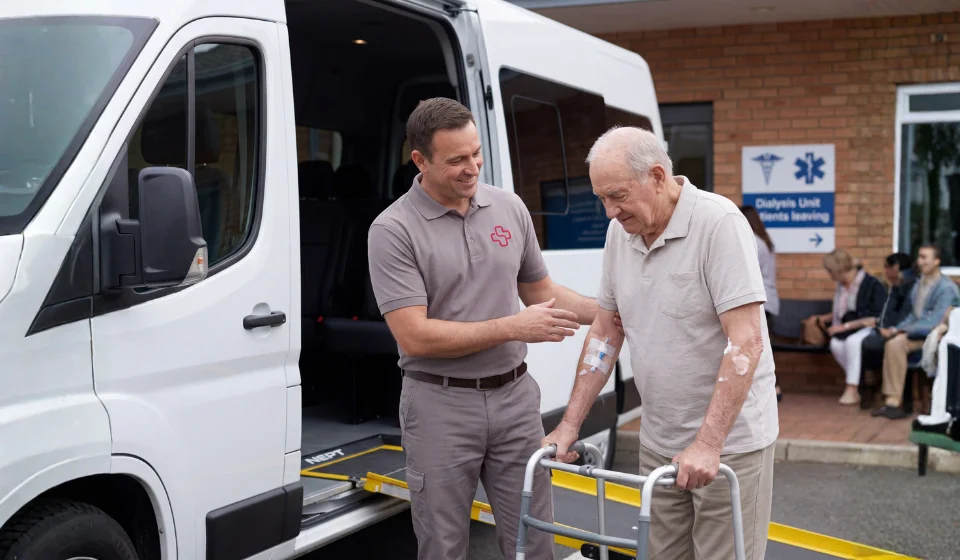
Use of a wheelchair-accessible vehicle designed for patient transport.
Provision of oxygen support during transit when required.
Assignment of trained transport staff capable of monitoring the client’s condition.
Implementation of safe transfer techniques using appropriate equipment.
Coordination with healthcare facilities to ensure seamless transitions.
Flexibility was also built into the plan, allowing adjustments based on changes in the client’s condition over time.
The NEPT Solution Delivered
Specialised Vehicle And Equipment
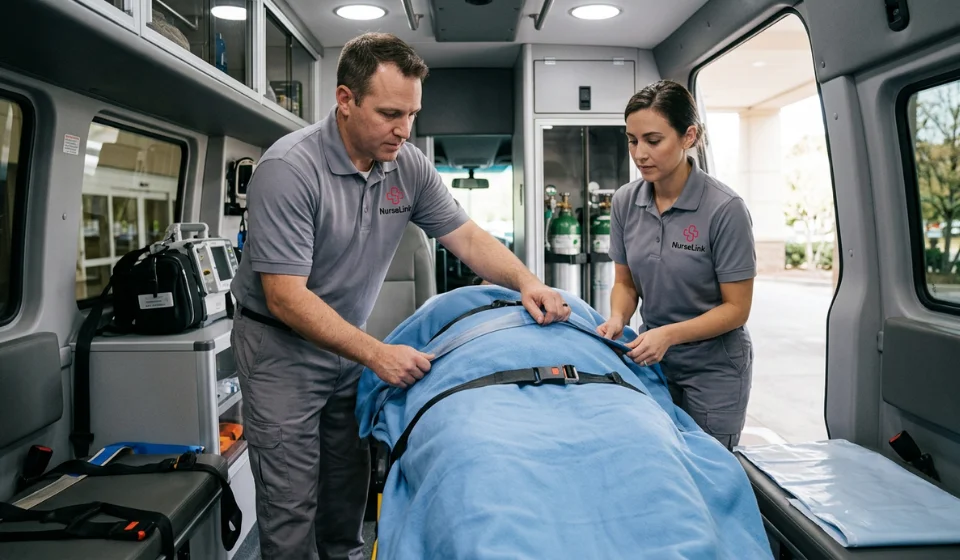
A purpose-built NEPT vehicle was used, equipped to safely accommodate the client’s wheelchair and provide a stable, comfortable environment during transit. The vehicle was designed to minimise movement and vibration, which can contribute to discomfort or fatigue.
Oxygen equipment was made available onboard, ensuring that the client’s respiratory needs were consistently supported throughout the journey.
Trained Medical And Support Staff
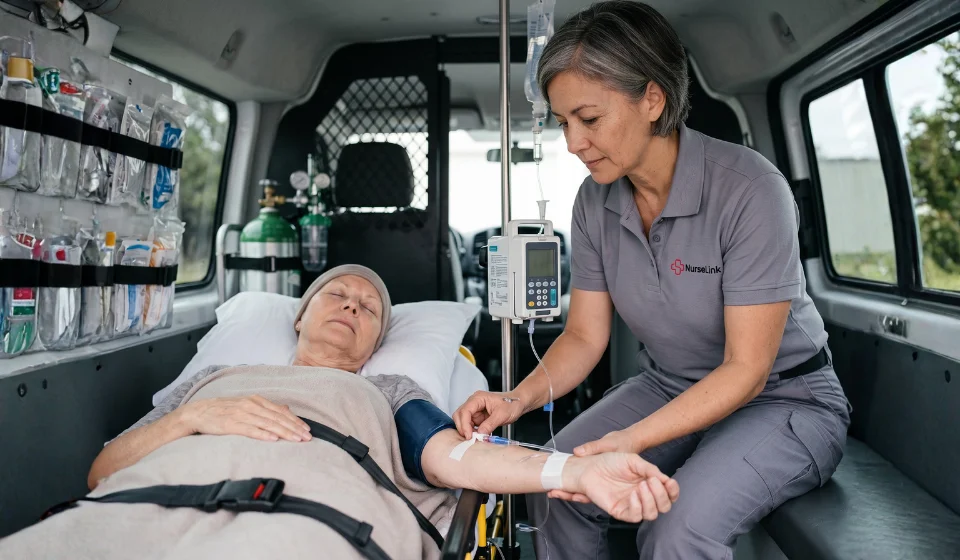
The transport team included trained personnel experienced in patient handling and basic clinical observation. Their presence ensured that the client’s condition was monitored and that any changes could be addressed promptly.
Staff were also trained in communication and patient support, helping to create a calm and reassuring environment.
Safe Transfers And Handling
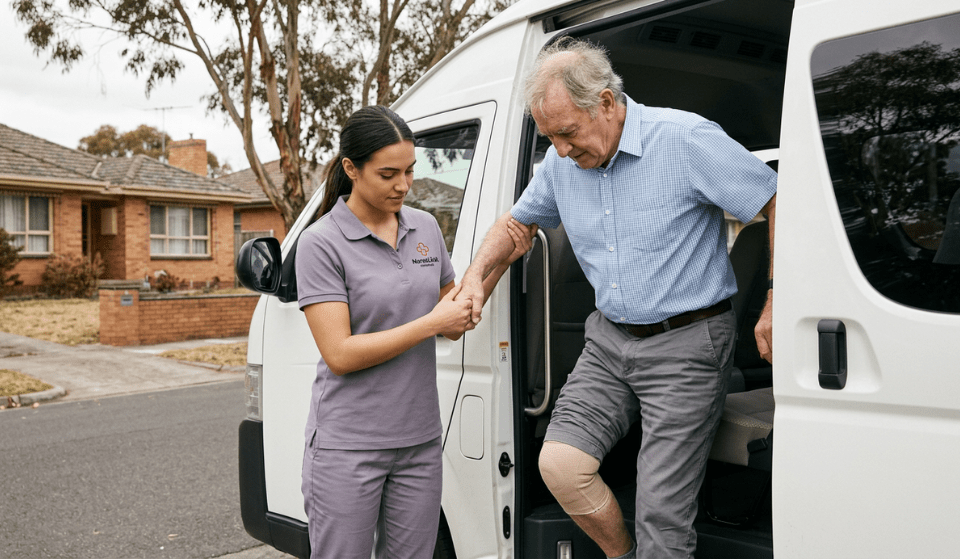
Transfers between the home, vehicle, and healthcare facility were carried out using proper techniques and equipment. This reduced the risk of falls, strain, and injury.
Attention was given to positioning, ensuring that the client remained comfortable and supported throughout each stage of the journey.
Continuous Monitoring And Support
During transit, the client’s condition was observed, with particular attention to breathing, comfort levels, and overall stability. Any signs of discomfort or distress were addressed immediately.
The availability of oxygen support provided an added layer of safety, reducing the risk of respiratory complications.
Coordinated Care Transitions
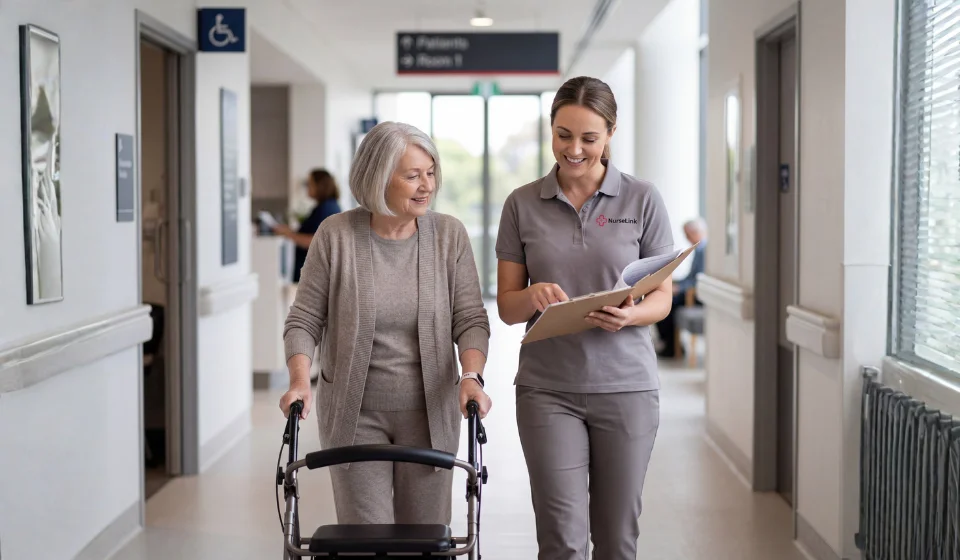
The NEPT provider maintained clear communication with healthcare facilities, ensuring that staff were prepared for the client’s arrival. This helped reduce waiting times and ensured a smooth transition between care settings.
Outcomes & Impact
Improved Safety During Transport
The introduction of professional NEPT services significantly reduced the risks associated with travel. Proper handling, monitoring, and equipment ensured that the client remained stable throughout each journey.
Enhanced Comfort And Reduced Fatigue
The client experienced a noticeable improvement in comfort. Proper positioning, reduced physical strain, and a controlled environment helped minimise fatigue and discomfort.
Better Management Of Medical Needs
Oxygen support and continuous observation ensured that the client’s respiratory condition was effectively managed during transit. This reduced the likelihood of distress or complications.
Increased Confidence And Emotional Wellbeing
The client reported feeling more confident and less anxious about travelling to appointments. Knowing that support was available during the journey contributed to a greater sense of security.
Improved Access To Ongoing Care
Reliable transport enabled consistent attendance at medical appointments, supporting better management of the client’s condition and overall health outcomes.
Reduced Caregiver Burden
Family members no longer needed to manage complex transport requirements. This reduced physical strain and allowed them to focus on providing emotional support rather than logistical care.
Strengthened Continuity Of Care
The structured approach to transport ensured that care did not stop at discharge or appointment completion. Instead, it extended seamlessly across different stages of the healthcare journey.
Clinical Insights
This case highlights several important considerations in non-emergency patient transport. Firstly, stability does not eliminate risk. Patients with chronic conditions may still experience fluctuations that require monitoring and support during transit.
Secondly, transport should be viewed as part of the care continuum rather than a separate logistical task. The absence of clinical oversight during this phase can lead to preventable complications.
Thirdly, patient-centred care extends beyond clinical treatment. Comfort, dignity, and emotional reassurance are critical components of a positive healthcare experience. NEPT services that prioritise these elements contribute to better overall outcomes.
Finally, proactive planning is essential. Identifying transport needs early and selecting the appropriate service can significantly reduce risks and improve the efficiency of care delivery.
Client Reflection
“I feel much safer and more comfortable during my trips now. I no longer worry about breathing or getting in and out of the car. It has made a big difference to my confidence and overall wellbeing.”