
Maintaining Treatment Continuity During Cancer Care
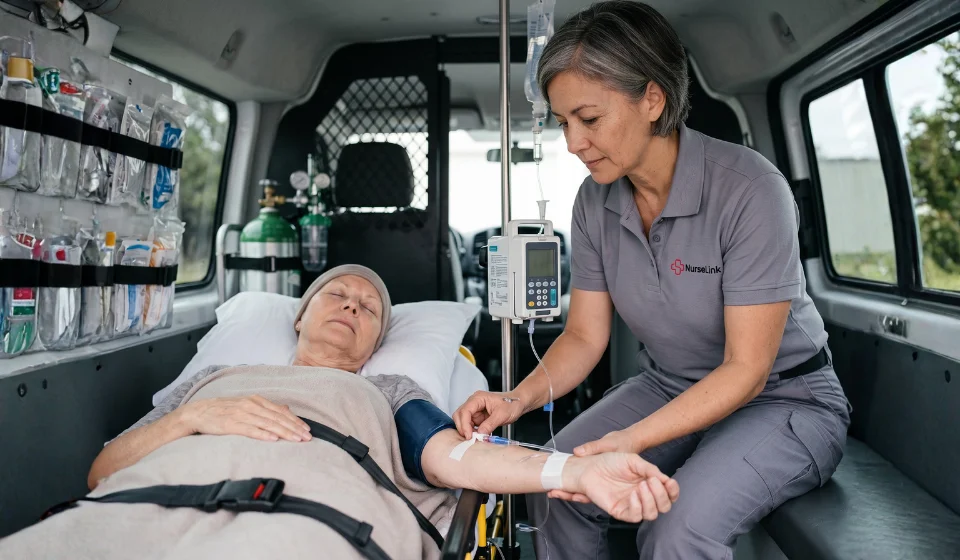
Supporting A Cancer Patient Through Regular Chemotherapy
Introduction
How Reliable NEPT Reduced Missed Treatments & Improved Patient Confidence
When a person is undergoing chemotherapy, attending every scheduled treatment session matters enormously. Each session is planned around a specific timetable, and missing even one can reduce how well the treatment works. For patients and their care teams, keeping to that schedule is a shared priority.
Yet for many patients, the challenge of simply getting to and from treatment is one that is easy to overlook. The physical effects of chemotherapy, including tiredness, nausea and a weakened immune system, can make travelling independently difficult and sometimes unsafe. On top of managing their illness, patients are often left trying to organise reliable transport around appointments that may change at short notice, all while feeling physically unwell.
Non-Emergency Patient Transport (NEPT) services exist to address exactly this problem. By providing safe, consistent and professionally managed transport, NEPT helps ensure that patients can attend their appointments without the added stress of figuring out how to get there.
This case study looks at the experience of a cancer patient in Victoria whose ability to attend treatment was being affected by unreliable transport. It explores how the introduction of a well-planned NEPT service helped restore consistency, reduce stress and support a better overall experience throughout treatment.
To protect the patient’s privacy, all identifying details have been kept confidential throughout this case study.
The Patient's Background & Transport Challenges
The patient is a middle-aged person living in a suburban area of Victoria, diagnosed with breast cancer and undergoing a course of chemotherapy delivered at a specialist cancer centre in Melbourne. Treatment required attendance multiple times per week during the more intensive phases, and keeping to this schedule was important for the treatment to be as effective as possible.
At the start of treatment, the patient was well enough to consider driving themselves to appointments. However, as the weeks progressed and the effects of treatment accumulated, this was no longer a safe or realistic option. The patient was experiencing ongoing tiredness, regular nausea and a general decline in energy that made daily activities increasingly difficult. Driving in this condition, particularly after a treatment session, was not safe.
The patient initially relied on a family member for transport. While this helped in the short term, it was not a sustainable arrangement. The family member worked full time and could not consistently take time off to cover appointments several times a week.
When family support was unavailable, the patient turned to taxis and rideshare services. These came with their own problems. Drivers had no awareness of the patient’s health needs, and the vehicles were not set up to make the journey comfortable for someone feeling unwell after treatment. There were also frequent issues with delays and last-minute cancellations, which added to the patient’s anxiety on treatment days.
There was also a health concern specific to this patient’s situation. Chemotherapy weakens the immune system, making patients more susceptible to infection. Travelling in standard shared vehicles with no hygiene controls in place was a genuine health risk that the treating team could not ignore.
Over time, these difficulties led to one missed treatment session and several delayed appointments. The treating team recognised that the situation needed to be addressed as part of the patient’s overall care plan.
Assessing The Right Transport Solution
The treating team referred the patient to NurseLink Healthcare for supporting patients in active cancer treatment. The referral included details about the patient’s health status, the frequency of appointments and the specific needs that would need to be considered when planning the service.
Before transport began, we carried out a thorough assessment to make sure the service would genuinely meet the patient’s needs. This step is important because no two patients are the same, and a transport arrangement that works well for one person may not suit another.
The assessment looked at several key areas. These included how the patient was feeling at different points in their treatment cycle, since energy levels and symptoms varied considerably from one day to the next. We also considered how much physical assistance the patient needed when getting in and out of the vehicle, whether they needed to sit upright or lie back during the journey depending on how they were feeling, how long appointments typically lasted and how much flexibility was needed for return trips, and the hygiene standards required for the vehicle given the patient’s weakened immune system.
The assessment found that the patient needed a transport arrangement that could adapt to how they were feeling on any given day. On better days, a standard seated arrangement was appropriate. On days when they were particularly fatigued or nauseous after treatment, a reclined position and a gentler journey were necessary.
We worked closely with the cancer centre’s clinical and administrative staff to make sure the transport plan fitted around the patient’s treatment schedule. Because infusion sessions do not always finish at the same time, it was important that return transport could flex around actual finish times rather than being locked to a fixed schedule.
Infection control measures were also agreed upon at this stage, with clear hygiene procedures put in place for the vehicle before and after each trip.
The NEPT Solution Delivered
With the assessment complete, a tailored transport service was set up to support the patient for the duration of their chemotherapy course.
Transport was arranged door to door, with the patient collected from home before each appointment and returned home afterwards. The same team of staff was assigned to the patient’s service wherever possible, which meant the patient was not meeting unfamiliar faces each time and staff were already aware of the patient’s needs and preferences.
The flexibility of the service was one of its most important qualities. Before each trip, staff were made aware of how the patient was likely to be feeling based on where they were in their treatment cycle. Vehicles were set up accordingly, with reclined seating and extra comfort measures available on days when the patient needed them. On post-treatment return trips, quieter and smoother routes were chosen where possible to make the journey easier.
Transport staff were trained to notice if a patient was becoming unwell during the journey and knew what steps to take if that happened. For the patient, knowing that the person driving them understood their situation made a significant difference to how safe and cared for they felt.
After each treatment session, transport staff waited at the cancer centre until the patient had been formally discharged and was ready to leave. The patient was never left waiting alone after treatment, which was particularly important on days when they were feeling at their worst.
The vehicle was cleaned and disinfected before and after each trip in line with the hygiene standards agreed upon during the assessment. This gave the patient and their treating team confidence that the transport environment was not putting the patient’s health at additional risk.
Throughout the service, we remained in regular contact with the cancer centre and the patient’s family. When appointment times changed or treatment ran longer than expected, transport arrangements were adj
Outcomes & Impact
Consistent Treatment Attendance
The most immediate and important result of the NEPT service was that the patient attended every remaining treatment session on time. There were no further missed appointments or delays caused by transport issues. This meant the treatment could proceed exactly as planned, giving it the best possible chance of being effective.
Less Physical Strain
The patient found that travelling to and from treatment became far less exhausting. Having a vehicle and staff that adapted to how they were feeling on a given day meant that the journey itself no longer added to the physical toll of treatment. Being able to recline comfortably on difficult days made a noticeable difference to how the patient felt during and after the trip.
Reduced Stress & Anxiety
Before NEPT was introduced, the patient had been dealing with significant worry around how they would get to appointments. That ongoing uncertainty was adding to the emotional burden of going through cancer treatment. Once reliable transport was in place, that source of stress was removed, and the patient was able to focus more fully on getting through treatment and looking after their wellbeing.
Less Pressure On Family
With professional transport in place, the patient’s family no longer needed to rearrange their work and personal lives to cover every appointment. This lifted a considerable amount of pressure from the household and allowed family members to focus on being emotionally present and supportive rather than acting as a logistics coordinator.
Reduced Infection Risk
The consistent hygiene protocols maintained by us meant that the transport environment was kept to an appropriate standard for a patient with a weakened immune system. No transport-related health incidents occurred during the service period, which gave both the patient and the treating team greater peace of mind.
Patient Reflection
The patient later shared their experience of using our NEPT service:
“Getting to my treatments was something I genuinely dreaded. I never knew how I would feel on the day, and the worry of organising transport on top of everything else was exhausting. Having the NEPT service meant that one part of my week was simply taken care of. The staff were kind, they understood what I was going through, and I always felt safe. It made a real difference to how I coped with treatment.”
This experience reflects something that healthcare teams see regularly. When patients are given reliable, practical support around the logistics of treatment, their ability to cope with the overall experience improves. Reducing stress in one area of a patient’s life can have a genuine positive effect on how they manage everything else.
Key Takeaways From This Case Study
This case study shows clearly how transport access can affect whether a cancer patient is able to complete their treatment as planned. Several important points stand out.
Transport should be considered part of the care plan from the very beginning. If a patient is going to struggle to get to appointments, that problem is best identified and addressed early rather than after missed sessions have already occurred.
Flexibility is essential when supporting patients in active treatment. How a person feels during chemotherapy changes from day to day and week to week. Transport services need to be able to respond to that variability rather than operating on a rigid, one-size-fits-all model.
Hygiene and infection control in the transport environment are a genuine health consideration for patients with weakened immune systems, not an optional extra. This needs to be built into the service from the start.
Good communication between transport providers and the clinical team makes a significant difference. When both sides are working together and keeping each other informed, the patient experiences a smoother, more joined-up service.
Finally, the emotional side of transport reliability matters. Removing the uncertainty around how a patient will get to treatment reduces stress, and that has a real effect on how well they cope with the demands of the treatment itself.
Conclusion
Going through cancer treatment is one of the most demanding experiences a person can face. When something as fundamental as getting to appointments becomes a source of stress or uncertainty, it adds an unnecessary burden to an already difficult situation.
This case study shows that a well-planned and professionally delivered NEPT service can remove that burden entirely. With the right transport in place, the patient in this case was able to attend every treatment session, travel in comfort and focus on their recovery rather than worrying about logistics.
The benefits extended beyond the patient. Family members were relieved of a significant pressure, and the treating team was able to deliver care as planned, without disruption.
For healthcare teams supporting patients through cancer treatment, transport access is worth assessing early and taking seriously. A referral to a quality NEPT provider can make a meaningful difference to the patient’s experience and to the success of their treatment.
As the demand for cancer care continues to grow across Victoria and the rest of Australia, ensuring that patients can get to their treatments safely and reliably is not a secondary concern. It is an essential part of providing good care.
Latest Post

Getting Him Home, Then Getting Him Better

Getting Him There, Getting Him Home, Getting Him Through

When Getting To Care Is Part Of The Challenge

Getting There Made The Difference

Showing Up For Someone Nobody Else Was Showing Up For

Getting There Safely

Every Appointment, Every Time

One More Day With Her Family
The Journey Home

The First Step Out The Door

Every Tuesday & Thursday

Bridging The Gap To Treatment
More Than A Ride Home

Every Trip Counted
The Right Equipment. The Right Team. The Right Outcome.
Maintaining Treatment Continuity During Cancer Care

Safe Non-Emergency Patient Transport

Ensuring Safe & Consistent Medical Access

A Safe Journey Home After Surgery