Getting Him Back On His Feet, Without Getting Back In The Car Himself
How NurseLink's Transport Helped A Man Rebuild His Strength And His Confidence After A Fall
A Case Study In Patient Transport That Addressed The Fear As Much As The Physical Recovery
Introduction
A fall changes something in an older person that goes well beyond whatever physical injury results from it. Even a fall that causes no lasting physical damage, or one from which a full physical recovery is entirely achievable, often leaves behind a genuine and persistent fear, a fear of falling again, a fear of the specific circumstances or movements that preceded the fall, a fear that can, left unaddressed, do more to limit a person’s independence and confidence than the physical injury itself ever did.
Rehabilitation after a fall, particularly the physiotherapy and allied health support that helps rebuild strength, balance and confidence, is one of the more evidence-based and genuinely effective interventions available for exactly this problem. But attending it consistently requires reliable transport, and for a patient whose fear of falling has made him newly anxious about many ordinary activities he once managed without a second thought, the transport itself can become entangled with the very fear the rehabilitation program is trying to help him overcome, making the manner of the transport, not just its reliability, a genuinely important part of the recovery.
This case study documents how NurseLink Healthcare provided regular transport to allied health appointments for a man in his late seventies in Bendigo, recovering from a fall and managing a significant and understandable fear of falling again, and how transport delivered with real care and attentiveness became part of what helped him rebuild both his physical strength and his confidence.
To protect the privacy of the client, all names and identifying details have been kept confidential throughout this case study.
The Client & His Situation
The client is a man in his late seventies living with his wife in a suburban home in Bendigo, a retired farmer who had, throughout his life, been an active and physically confident man, accustomed to a level of independence and physical capability that had, until his fall, rarely given him reason for concern. His wife continued to work part time in an administrative role in town, a job she valued and had no particular wish to give up, though the demands of his recovery would, without appropriate support, have made continuing in that role considerably more difficult.
His fall occurred on the front steps of their home one morning, a slip that resulted in a fractured wrist and significant bruising, injuries that were, from a purely physical standpoint, expected to heal well within a reasonably ordinary timeframe according to his treating doctors. What proved considerably more persistent than the physical injury itself was the fear that took hold in its aftermath. He became, in the weeks following the fall, noticeably more cautious and anxious about movement generally, hesitant on stairs he had navigated without a second thought his whole life, reluctant to walk outside without someone nearby, and privately, though he did not initially articulate this clearly even to his wife, increasingly worried that another fall was simply waiting to happen.
His GP, recognising both the physical and the psychological dimensions of his recovery, referred him for a structured falls prevention and strength rehabilitation program with a physiotherapist, involving regular sessions over several months designed to rebuild his physical strength and balance while also, through graduated and supported movement, helping to rebuild the confidence that his fear of falling had significantly eroded.
The practical difficulty was transport. His wife’s full-time work commitments meant she could not reliably take him to twice-weekly appointments without it becoming, across the length of the program, a significant strain on her own job, something the family could not comfortably sustain given their reliance on her income. His own driving, meanwhile, had become something he was newly and considerably anxious about since the fall, a hesitancy his GP supported rather than dismissed, given the genuine relationship between his current anxiety and his physical recovery still being underway.
Understanding What He Actually Needed
The initial conversation between NurseLink Healthcare and the client, with his wife present for part of it, revealed a situation that required attention not only to the practical transport schedule but to the specific psychological sensitivity of a man whose fear of falling had become genuinely significant since his injury.
He needed reliable transport to his physiotherapy sessions twice a week for the length of his rehabilitation program, timed consistently enough that his wife’s own work schedule was not disrupted by the arrangement. But he needed, just as importantly, a transport experience that did not itself become a source of anxiety, given how heightened his general sensitivity to physical risk had become since the fall. He was, by his own admission during the initial conversation, somewhat embarrassed by how anxious he had become about things that had never troubled him before, and he was clear that he did not want the transport arrangement to make him feel more fragile or more closely managed than necessary, even as he acknowledged that some genuine extra care and attentiveness during transfers and the journey itself would help him feel considerably more comfortable.
His wife, for her part, needed confidence that the arrangement would genuinely hold reliably enough that she would not need to intervene or take time off work to manage gaps, given how much her own job mattered to the family both financially and, she noted, to her own sense of herself during a period when a great deal of the household’s focus had understandably shifted onto her husband’s recovery.
The NurseLink Healthcare Solution
A Transport Officer Chosen For Genuine Care Around Transfers & Movement
NurseLink Healthcare assigned a transport officer with specific experience supporting older clients recovering from falls, chosen for a manner that combined genuine physical attentiveness during transfers and movement with a light, reassuring conversational style that avoided making the client feel unnecessarily fragile or closely managed. Before the first pickup, she was briefed thoroughly on his fall, his current physical limitations and, just as importantly, his heightened anxiety about movement and falling, so that her approach from the very first interaction reflected genuine understanding of what he was managing.
Careful, Confidence-Building Assistance From The First Pickup
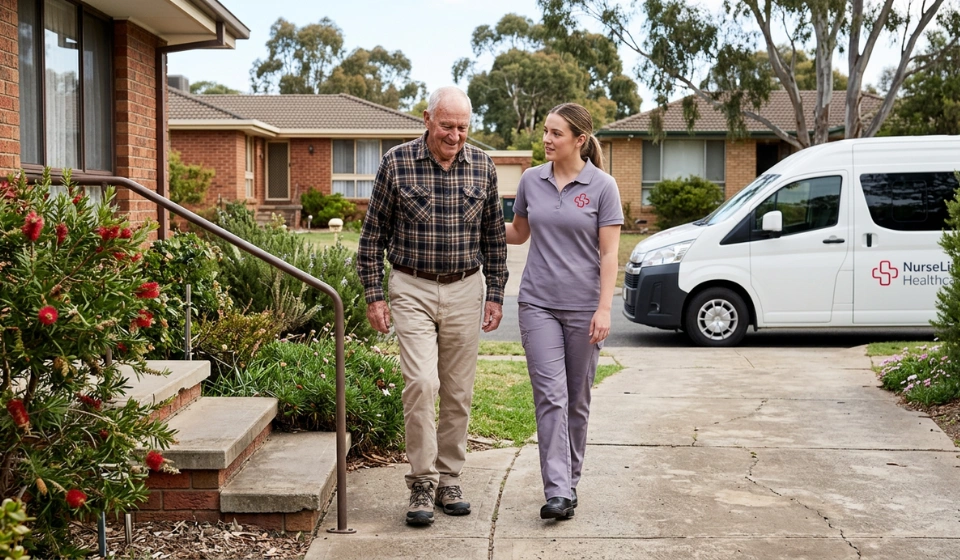
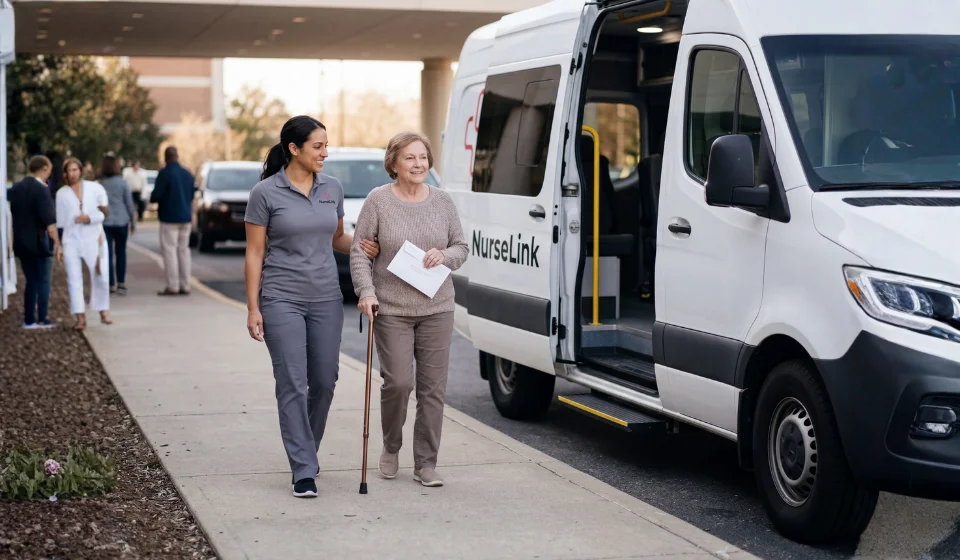
From the first session, the transport officer managed the steps from his front door to the vehicle with genuine care, offering a steady arm and a measured pace without making the assistance feel exaggerated or overly cautious in a way that might have reinforced his anxiety rather than easing it. She found, through careful attention in the early sessions, the particular balance of support that let him feel genuinely safe without feeling diminished, an approach that adjusted subtly as his own physical confidence gradually returned over the following weeks.
A Calm, Steady Presence That Helped Ease His Underlying Anxiety
Beyond the physical assistance itself, the transport officer’s calm, unhurried manner during each journey became, over the weeks of the arrangement, something the client came to genuinely value as part of what helped settle his broader anxiety about movement and risk. She talked with him easily about ordinary things, his years farming, the changes he had seen in the district over decades, without ever making the conversation feel like a distraction technique or a clinical intervention, simply the natural, easy company of someone he had come to know and trust across repeated journeys.
Tracking His Progress And Adjusting As His Confidence Grew
As his physiotherapy program progressed and his physical strength and balance genuinely improved, the transport officer noticed and responded to his increasing physical confidence, gradually reducing the level of physical support she offered during transfers in step with his own demonstrated improvement, a subtle recalibration that mirrored, in its own way, the broader confidence-building focus of his physiotherapy program itself.
Reliable, Predictable Scheduling That Protected His Wife's Work
The transport arrangement was scheduled consistently around his twice-weekly physiotherapy sessions with enough reliability that his wife was able to maintain her own work commitments without needing to intervene or take leave to manage gaps, a simple but significant outcome she identified, at a later review conversation, as having protected both her income and her own sense of normalcy during a period that had otherwise consumed a great deal of the household’s attention and energy.
Outcomes & Impact
He Completed His Full Rehabilitation Program
Across the several months of his structured falls prevention and strength program, he attended every scheduled physiotherapy session without a transport-related gap or delay, allowing his rehabilitation to proceed exactly according to his treating physiotherapist’s plan and giving him the full benefit of a program specifically designed to address both his physical recovery and his confidence.
His Physical Strength & Balance Improved Measurably
His physiotherapist, reviewing his progress at the conclusion of the structured program, noted clear and measurable improvement in his strength, balance and mobility, tracking well against the benchmarks the program had been designed around, a result attributed in meaningful part to the consistency of his attendance across the full length of the program.
His Fear Of Falling Eased Substantially
Perhaps the most significant outcome, and the one that had been hardest to measure at the outset, was the substantial reduction in his fear of falling as the weeks progressed. His wife described, at a review conversation toward the end of the program, watching her husband gradually return to a level of physical confidence and ease she had genuinely worried, in the early weeks after his fall, might not fully come back. He was, by the later stage of the program, navigating his own front steps and moving around his property with a confidence that closely resembled the man he had been before the fall.
His Wife's Work & Wellbeing Were Protected
By removing the need for her to manage his transport around her own job, the arrangement allowed her to maintain her work commitments fully throughout his recovery period, protecting both the family’s income and her own sense of stability during a period that had otherwise placed considerable strain on the household’s usual rhythm.
He Regained A Sense Of Himself
Beyond the measurable physical outcomes, he described, toward the end of the engagement, feeling genuinely more like himself again, a shift he attributed not only to his physiotherapy but to the steady, unhurried care of the transport arrangement that had supported him through it, describing the twice-weekly drives as having become, in their own quiet way, part of what helped him feel safe enough to properly recover.
A Reflection From The Client
Near the end of his structured rehabilitation program, he shared the following with the NurseLink Healthcare care coordinator:
“I never thought of myself as a nervous man until that fall knocked something loose in my confidence that I did not expect to lose. My driver understood that without me ever having to properly explain it. She helped me down the steps carefully without ever making me feel like an invalid, and by the end of it I was managing those same steps almost like I used to. My wife kept her job the whole way through, which mattered enormously to both of us. I am walking around my own property again without that constant worry sitting in the back of my mind. I did not expect a transport service to be part of what helped fix that, but it genuinely was.”
Key Takeaways From This Case Study
A fall’s psychological impact often outlasts the physical injury itself. Fear of falling again can become more limiting than the original injury, making transport and rehabilitation support that address this fear directly, not just the physical recovery, genuinely important to a full outcome.
The manner of physical assistance during transport matters as much as its reliability. A transport officer who calibrated her level of support carefully, neither too little nor exaggeratedly cautious, helped build the client’s confidence rather than reinforcing his anxiety.
Consistency and familiarity build the trust that eases a fearful patient’s anxiety over time. A steady, known transport officer across repeated sessions became part of what helped settle this client’s broader fear of movement and risk, beyond the physiotherapy itself.
Reliable transport protects a working spouse’s own stability during a partner’s recovery. Removing the need for his wife to manage his transport around her job protected both the family’s income and her own sense of normalcy during an otherwise disruptive period.
Recovery from a fall is as much about rebuilding confidence as rebuilding strength. Transport that adjusted its level of support in step with the client’s own genuine, growing physical confidence mirrored and supported the broader goals of his rehabilitation program.
Conclusion
Recovering fully from a fall requires more than healing the physical injury. It requires rebuilding the confidence that fear so often erodes, and the quality of support around a patient during that process, including the manner of the transport that gets him safely to and from his rehabilitation, can meaningfully shape how completely that confidence returns. For the man at the centre of this case study, NurseLink Healthcare provided transport that was reliable for his wife’s sake and genuinely attentive for his own, helping him rebuild both his physical strength and the confidence a difficult fall had badly shaken.
He completed his full rehabilitation program without a single missed session. He is managing his own front steps again with the ease he once took for granted. And his wife, throughout it all, never had to step back from the job she valued to make any of it possible.
If you or someone you love is recovering from a fall and needs transport that understands both the physical and the emotional sides of that recovery, we encourage you to reach out to the NurseLink Healthcare team. We are here to help rebuild strength and confidence, one steady journey at a time.
Latest Post
Getting Him Home, Then Getting Him Better
Getting Him There, Getting Him Home, Getting Him Through
When Getting To Care Is Part Of The Challenge
Getting There Made The Difference
Showing Up For Someone Nobody Else Was Showing Up For
Getting There Safely
Every Appointment, Every Time
One More Day With Her Family
The Journey Home
The First Step Out The Door
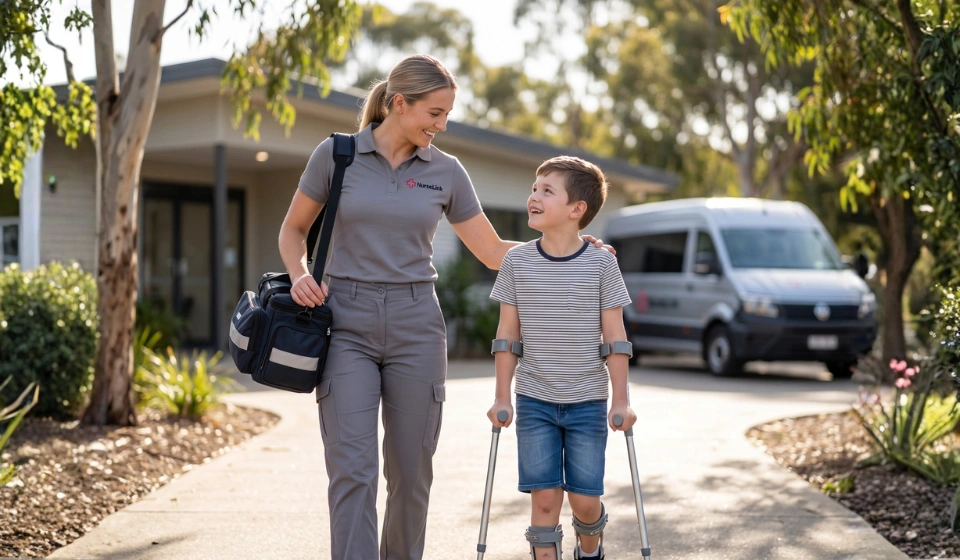
Every Tuesday & Thursday
Bridging The Gap To Treatment
More Than A Ride Home
Every Trip Counted
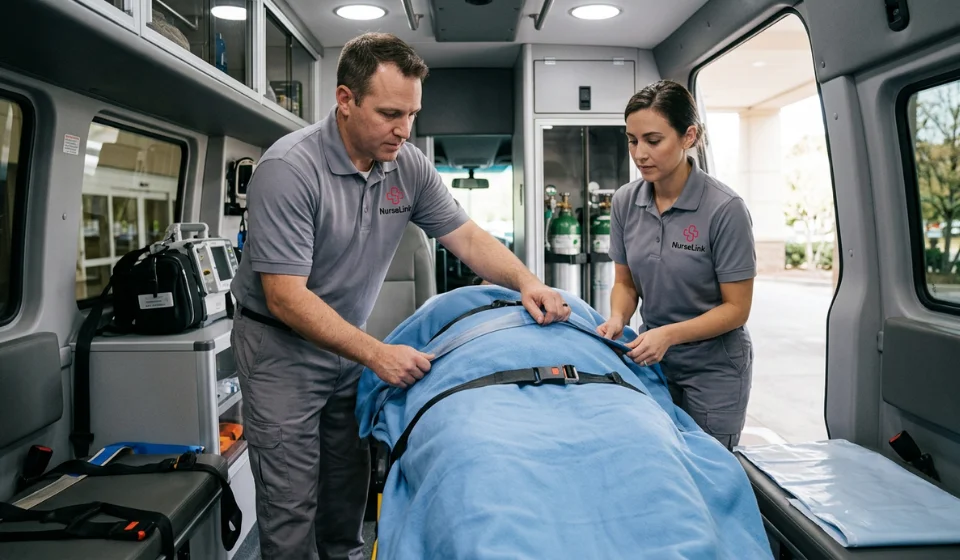
The Right Equipment. The Right Team. The Right Outcome.
Maintaining Treatment Continuity During Cancer Care
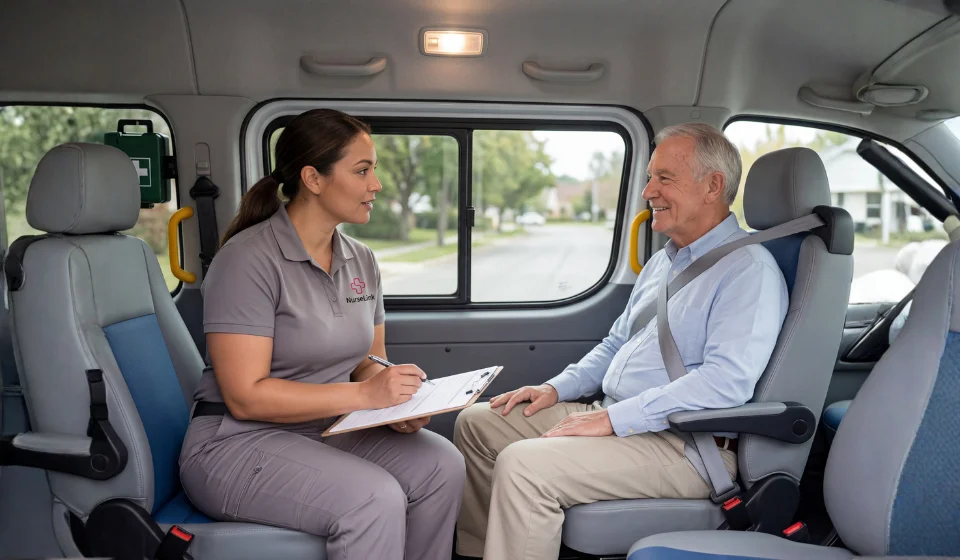
Safe Non-Emergency Patient Transport
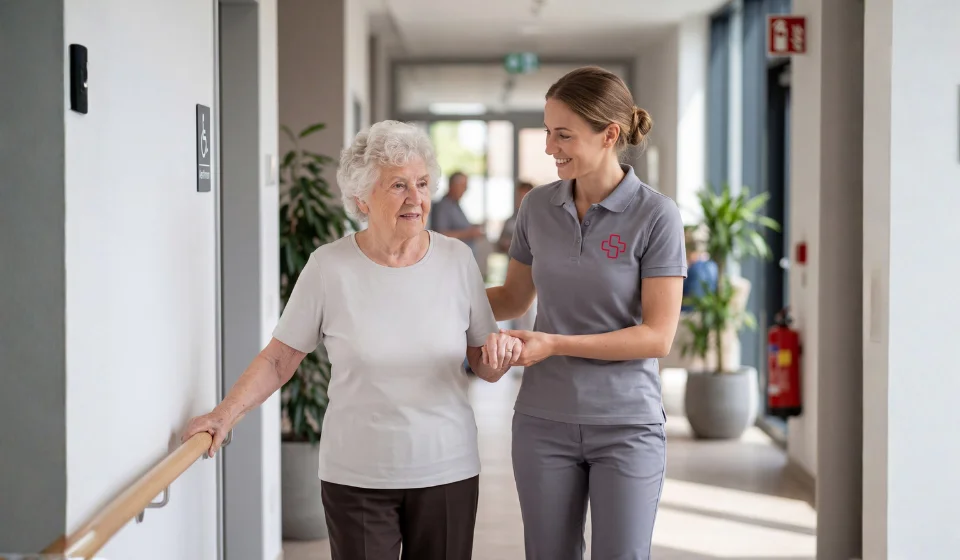
Ensuring Safe & Consistent Medical Access
A Safe Journey Home After Surgery