As we age, the way we travel changes naturally. Physical strength, balance, vision, hearing, and even reaction times can gradually decline, making everyday journeys more challenging than they once were. Whether it’s driving to a medical appointment, catching public transport, or simply visiting family, recognising these changing transport needs early can help older adults maintain their independence, stay connected with their community, and continue accessing essential healthcare safely and confidently.
Common Transport Challenges Older Adults Face
Ageing affects everyone differently, but many older adults experience similar transport-related challenges over time. Understanding these changes can help individuals, families, and carers make informed decisions about safe and appropriate travel solutions.
Reduced Mobility & Physical Limitations
One of the most noticeable changes associated with ageing is reduced mobility. Conditions such as arthritis, osteoporosis, muscle weakness, or balance issues can make everyday travel more physically demanding.
Walking long distances through hospital corridors, shopping centres, or transport stations may become exhausting, while uneven footpaths or steep inclines can increase the risk of falls. Tasks that were once routine, such as climbing stairs or stepping into a vehicle, may require additional time, assistance, or specialised equipment.
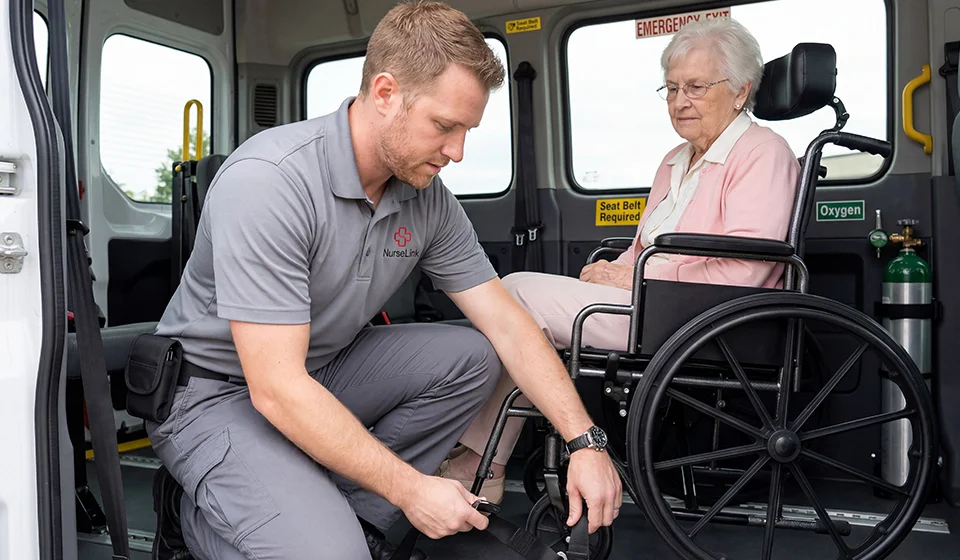
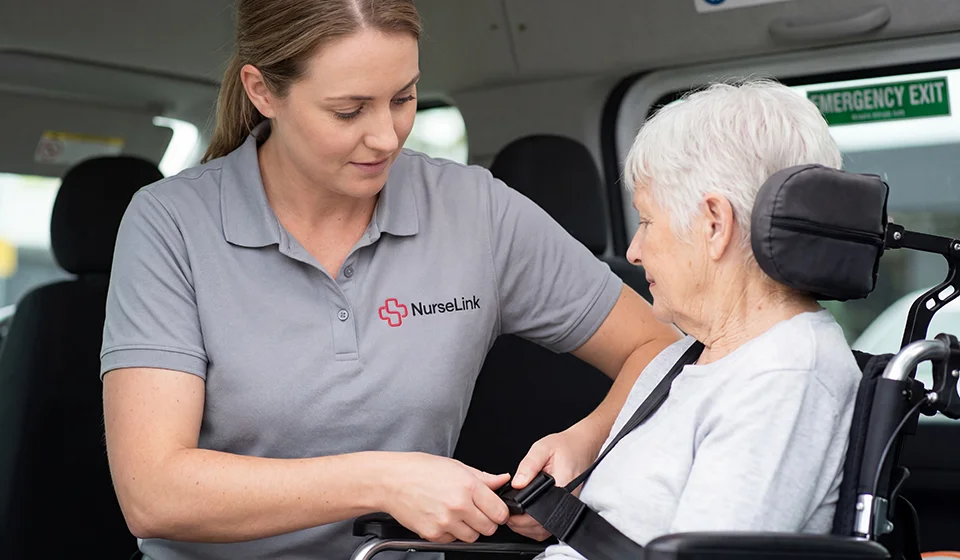
Many older adults also rely on walking sticks, walkers, wheelchairs, or mobility scooters to remain independent. While these mobility aids provide valuable support, they also influence the type of transport required. Vehicles need to accommodate equipment safely while allowing passengers to board and travel comfortably.
These physical changes highlight why transportation for older adults often requires greater planning and accessibility than standard transport services.
Changes in Vision, Hearing, and Reaction Time
Ageing can also affect the senses, making travel more complex even for people who remain physically active.
Reduced vision can make it harder to read road signs, judge distances, identify hazards, or safely navigate unfamiliar environments. Driving at night or during poor weather conditions may become particularly difficult.
Similarly, hearing loss may make it challenging to hear transport announcements, approaching vehicles, or conversations with drivers and healthcare staff. Combined with slower reaction times, these sensory changes can increase the risk of accidents while driving, crossing roads, or using busy public transport systems.
Older adults may also find crowded stations, noisy environments, and unfamiliar routes more stressful than they once did. Choosing transport services that offer assistance and minimise unnecessary physical or mental demands can significantly improve both safety and confidence.
Limited Access To Suitable Transport
Having somewhere to go is one thing, but having reliable transport is another challenge altogether.
Public transport, while valuable, is not always accessible for older people. Long walks between platforms, limited seating, multiple transfers, or unpredictable schedules can discourage travel, particularly for those managing chronic health conditions.
Family members and carers frequently assist with transport, but they cannot always be available for every doctor’s appointment, therapy session, or social outing. Work commitments, personal responsibilities, and distance often limit how much support they can provide.
For people living in rural or regional Australia, transport options can be even more restricted. Healthcare services may be located considerable distances away, making reliable travel essential rather than simply convenient.
As the mobility needs of seniors continue to change, finding practical and dependable transport becomes increasingly important for maintaining both independence and quality of life.
Why Safe & Accessible Transport Matters
Reliable transport is about much more than simply travelling from one destination to another. It plays a vital role in supporting health, independence, and overall wellbeing while helping older adults remain active participants in their communities.
Supporting Health & Wellbeing
Regular access to healthcare is essential at every stage of ageing. Safe transport helps reduce missed appointments, ensuring older adults receive timely medical assessments, ongoing treatments, specialist consultations, rehabilitation services, and preventative healthcare.
Attending appointments consistently allows healthcare professionals to monitor existing conditions, detect new concerns early, and adjust treatment plans when necessary. Missing appointments because transport is unavailable or unsuitable can delay diagnosis and treatment, potentially leading to more serious health complications.
Reliable transport also reduces the stress associated with travelling, allowing individuals to focus on their health rather than worrying about how they will reach their destination.
Preserving Independence & Confidence
Maintaining independence is important for emotional wellbeing and self-esteem. The ability to leave home safely allows older adults to continue managing their own routines, whether shopping for groceries, attending appointments, volunteering, or participating in recreational activities.
Dependable transport options for seniors also encourage continued involvement within the local community. Staying active outside the home helps maintain physical fitness, cognitive function, and emotional health while reducing feelings of dependence on others.
Perhaps most importantly, accessible transport preserves dignity by allowing older adults to make choices about their daily lives without unnecessary limitations.
How Reliable Transport Supports Medical Appointments & Social Connection
Access to reliable transport extends beyond convenience. It directly supports ongoing healthcare while helping older adults maintain valuable social relationships that contribute to overall wellbeing.
Making Healthcare More Accessible
Many older Australians attend multiple healthcare appointments each month. These may include visits to their GP, specialists, rehabilitation centres, hospitals, pathology clinics, allied health professionals, or diagnostic imaging facilities.
Arriving on time is essential, particularly when appointments involve scheduled procedures or ongoing treatment plans. Comfortable travel is equally important, especially for individuals recovering from surgery, managing chronic pain, or experiencing reduced mobility.
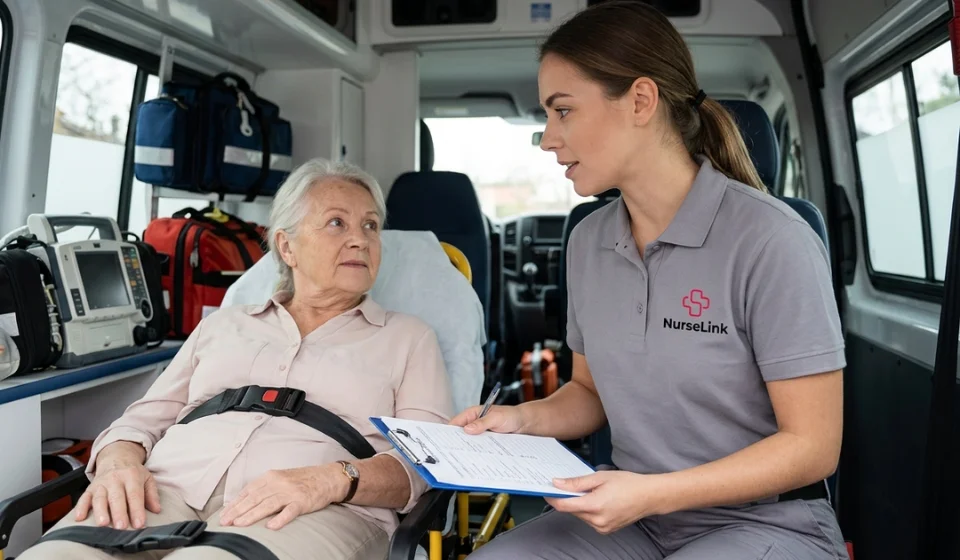
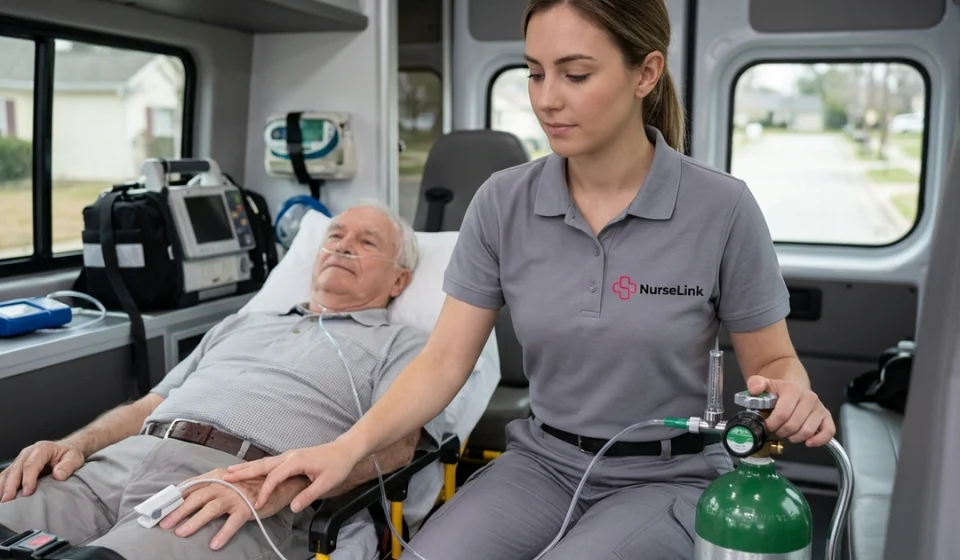
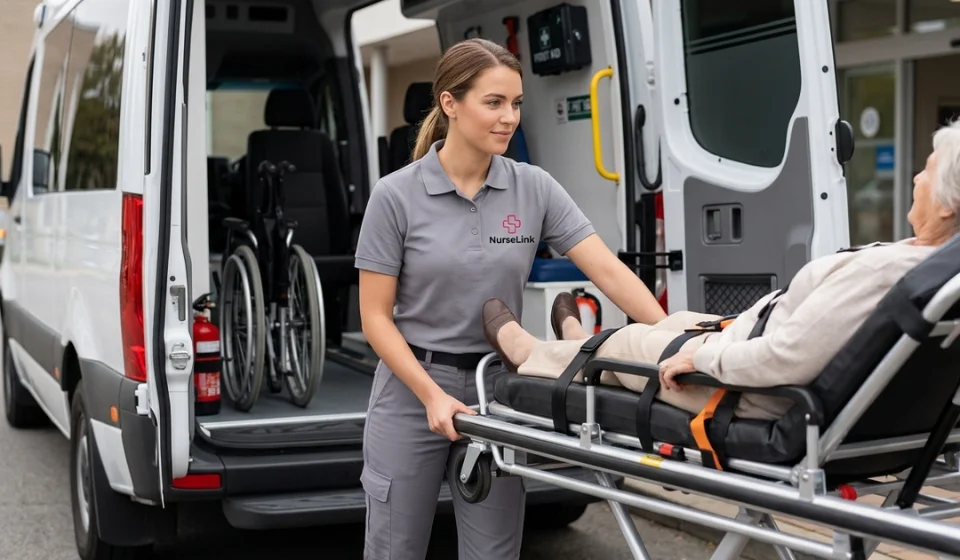
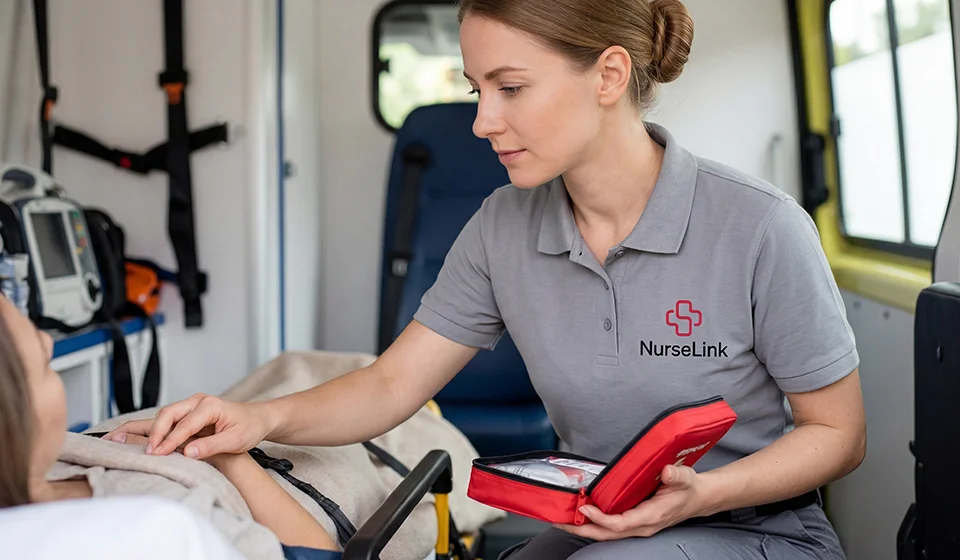
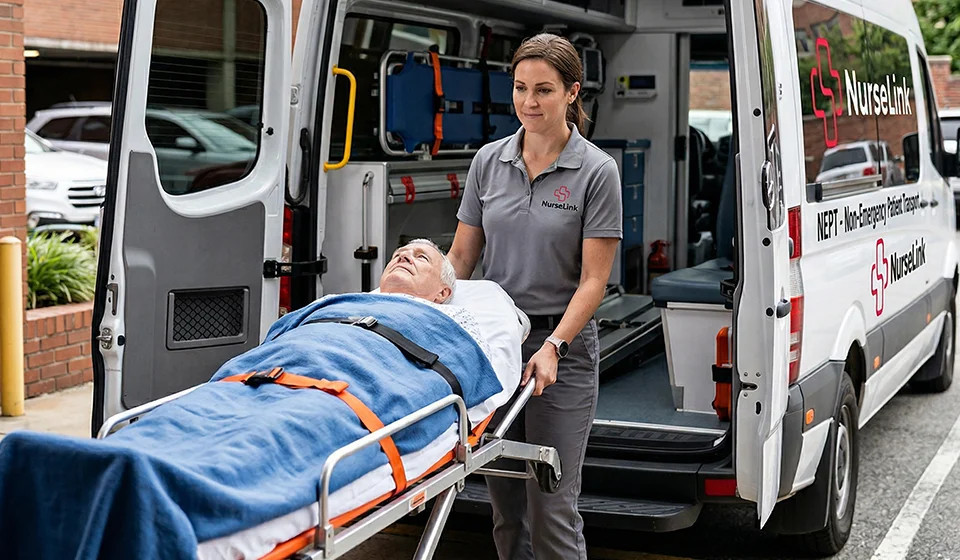
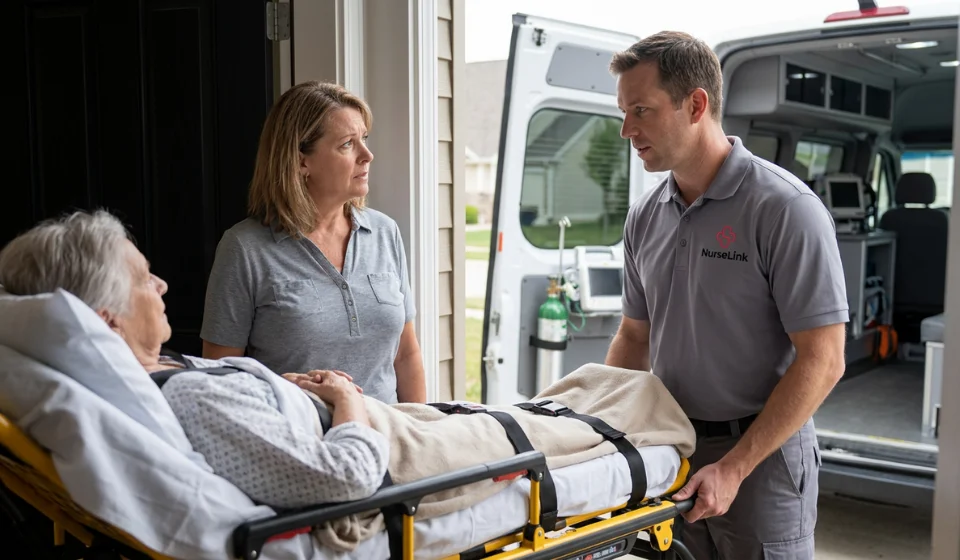
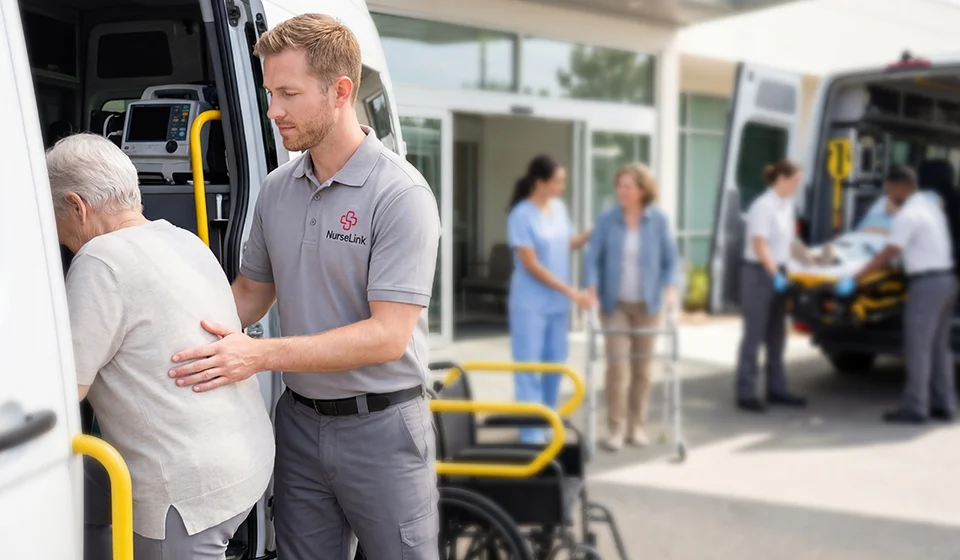
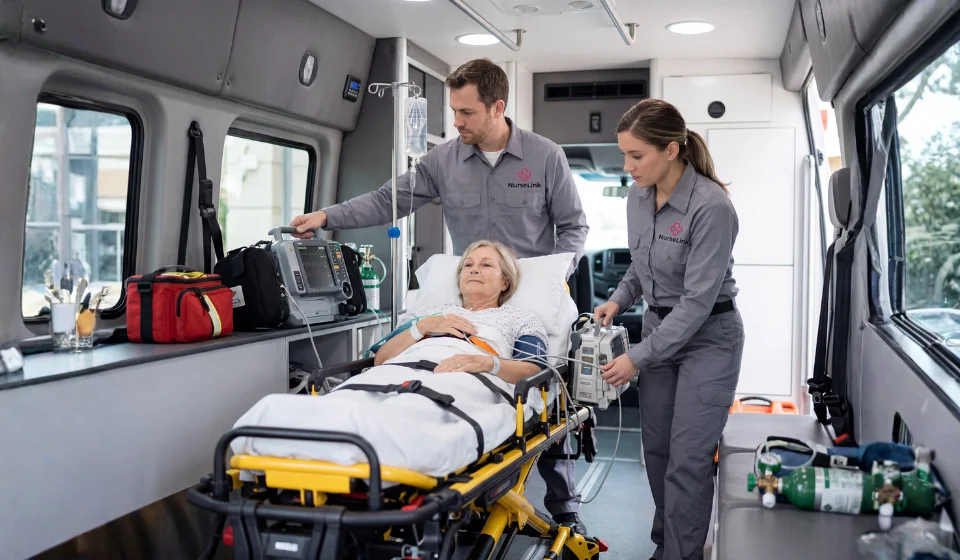
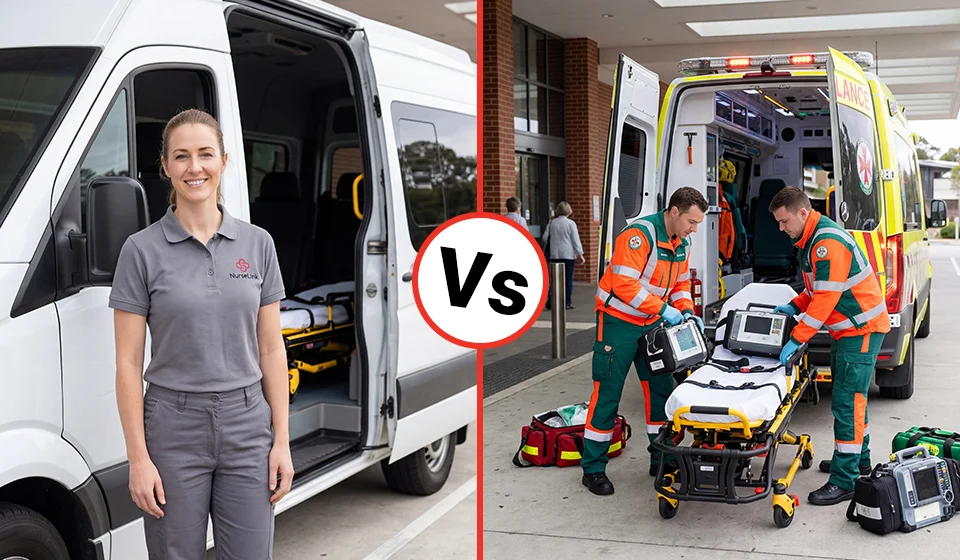
In situations where a person cannot safely travel by private vehicle or public transport, professional non-emergency patient transport may be the most appropriate solution. These specialised services provide trained staff, suitable vehicles, and assistance throughout the journey, ensuring passengers travel safely without requiring emergency medical care.
Staying Connected With Family & Community
Transport also plays a major role in maintaining social wellbeing.
Being able to visit family members, attend community programs, participate in social groups, enjoy religious services, or simply meet friends for coffee helps maintain meaningful relationships throughout later life.
Regular social interaction has been linked with improved mental health, greater emotional resilience, and a reduced risk of loneliness and social isolation. Reliable transport for older adults allows individuals to remain engaged with their community rather than becoming isolated because travelling has become difficult.
Choosing The Right Transport Option For Changing Mobility Needs
As transport needs evolve, selecting the right solution becomes increasingly important. The most suitable option will depend on an individual’s health, mobility, lifestyle, and level of required assistance.
Factors To Consider
Every person’s circumstances are different, so transport decisions should consider several important factors.
The individual’s level of mobility is often the starting point. Someone who walks independently may have different requirements from someone who uses a wheelchair or requires stretcher transport.
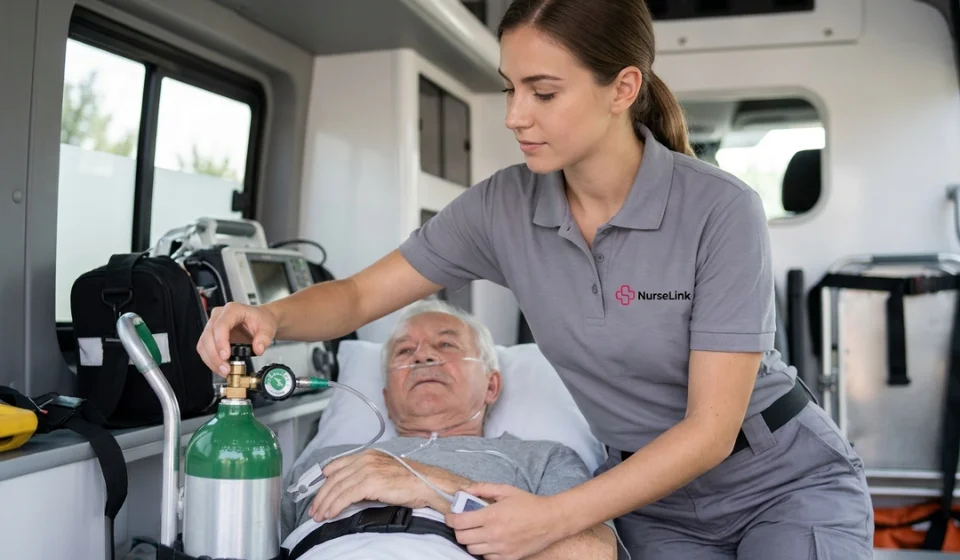
Existing medical conditions should also be considered, particularly those affecting balance, breathing, heart health, or cognitive function. The frequency of travel is another important factor, as regular medical appointments may require more dependable long-term arrangements.
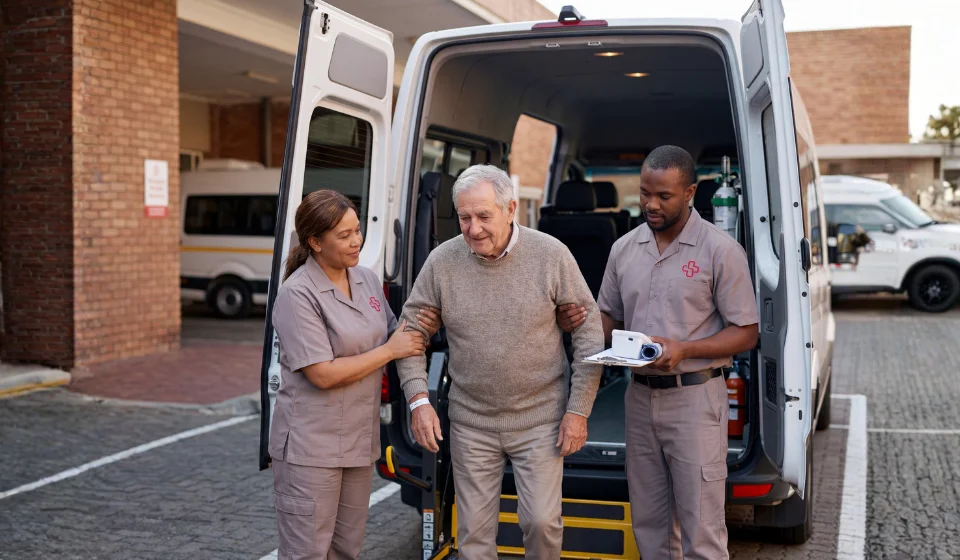
It is also important to assess whether assistance is needed during the journey. Some people benefit from help entering and exiting vehicles, while others may require continuous support throughout the trip.
Comparing Available Options
There are several transport solutions available for older Australians, each offering different advantages.
Family and friends often provide flexible and familiar support, although their availability may vary.
Community transport services can be an excellent option for eligible individuals attending medical appointments or community activities.
Public transport remains suitable for many older adults who retain good mobility and confidence travelling independently.
Taxi and rideshare services offer convenient point-to-point travel, particularly for shorter journeys.
Professional non-emergency patient transport provides the highest level of assistance for individuals requiring specialised vehicles, trained staff, mobility support, or medical supervision throughout the journey.
Choosing the right option helps ensure travel remains safe, comfortable, and appropriate as needs change over time.
Tips For Making Travel Safer And More Comfortable
A little preparation can make travelling safer, more comfortable, and far less stressful for older adults.
Before The Journey
Planning appointments ahead helps avoid unnecessary rushing while allowing enough time to organise suitable transport. It is also helpful to carry medications, medical information, emergency contact details, and any appointment paperwork.
Comfortable clothing and supportive footwear can improve mobility and reduce the risk of slips or discomfort during longer journeys.
During The Journey
Allowing extra travel time helps reduce stress while accommodating unexpected traffic or delays. Staying hydrated is particularly important during warmer weather or longer trips.
Mobility aids should always be used correctly and secured safely during transport where required. If additional assistance is needed, travelling with a family member, carer, or professional transport provider can provide greater confidence and safety throughout the journey.
After Arriving
Once the journey is complete, it is important not to rush when getting out of the vehicle. Taking a few moments before standing or walking can help prevent dizziness or loss of balance.
Arranging return transport before the appointment avoids unnecessary waiting and uncertainty. After longer journeys, older adults should also monitor fatigue and allow time to rest before resuming normal activities.
Final Thoughts
Transport needs naturally change as we age, reflecting changes in mobility, health, and daily living requirements. By choosing safe, reliable, and accessible transport solutions, older adults can continue attending essential medical appointments, participating in community life, maintaining meaningful social connections, and enjoying greater independence. Whether travelling for healthcare or everyday activities, having the right support in place contributes significantly to confidence, wellbeing, and a better quality of life.