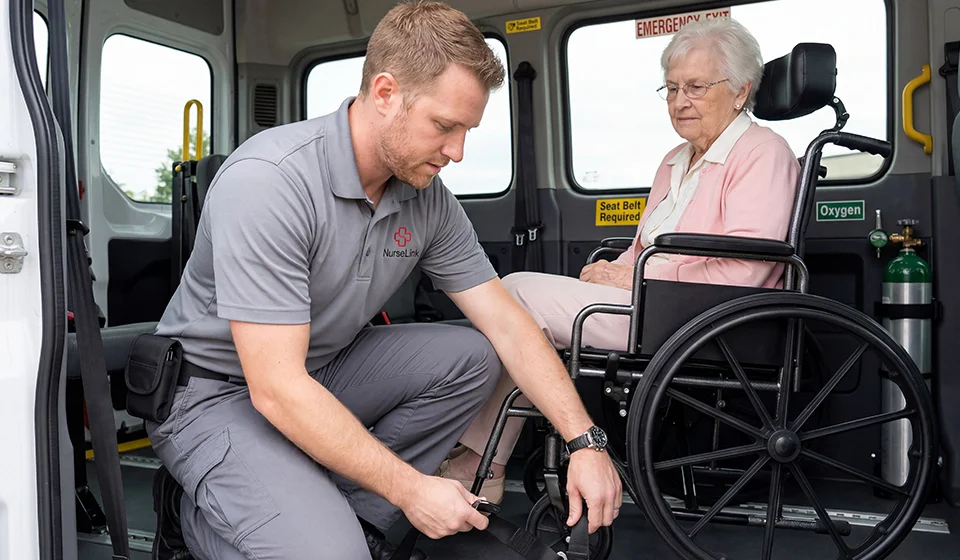
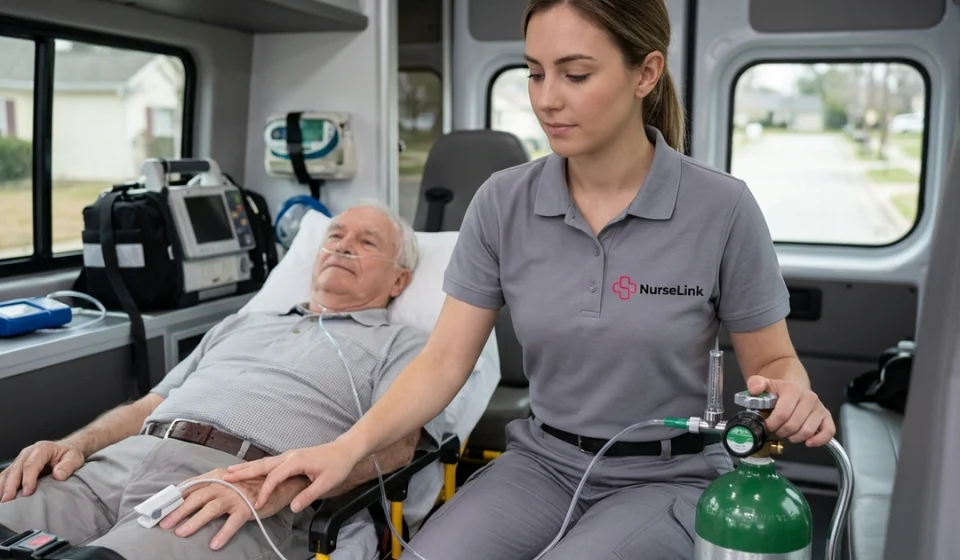
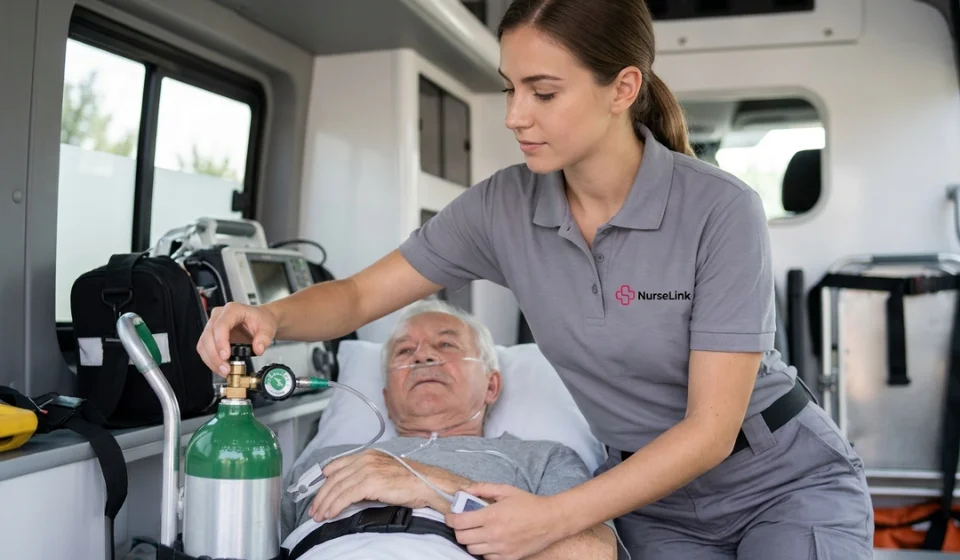
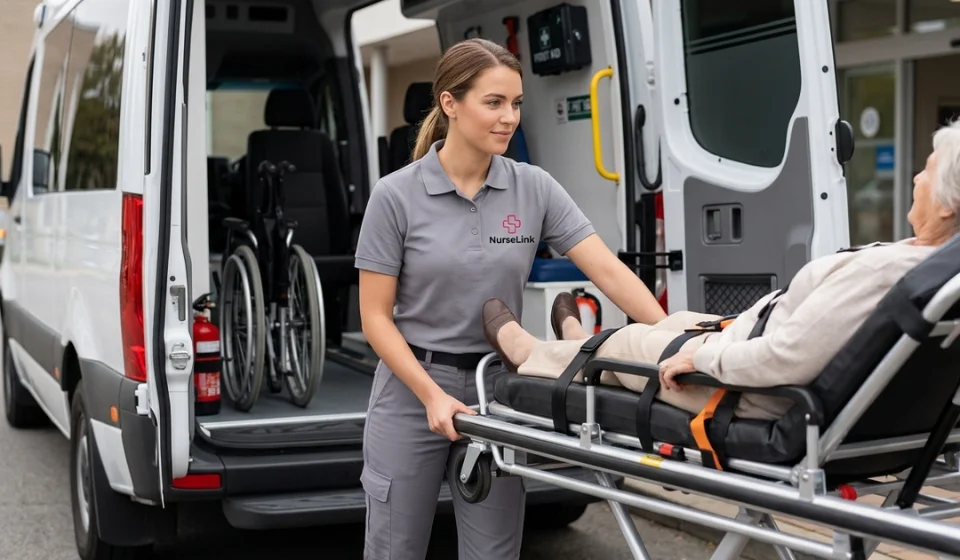
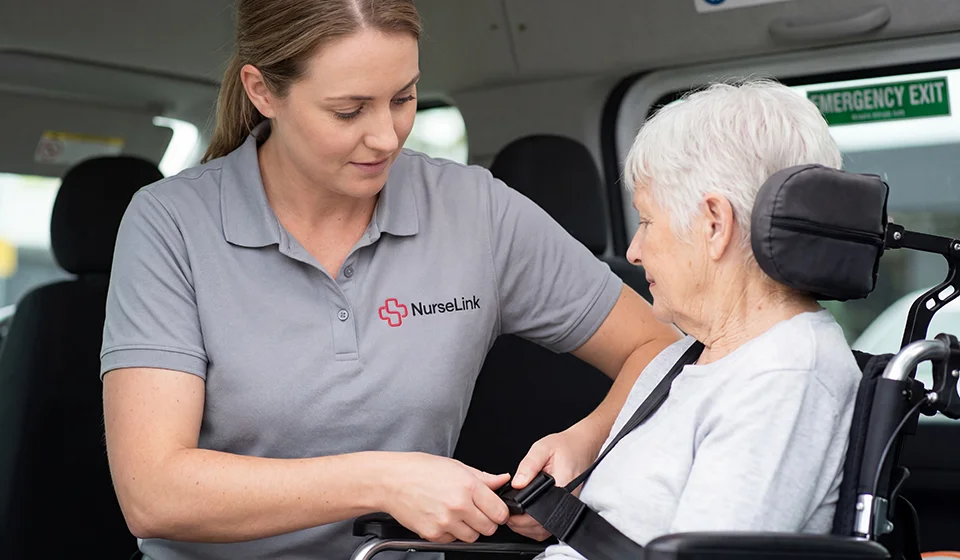
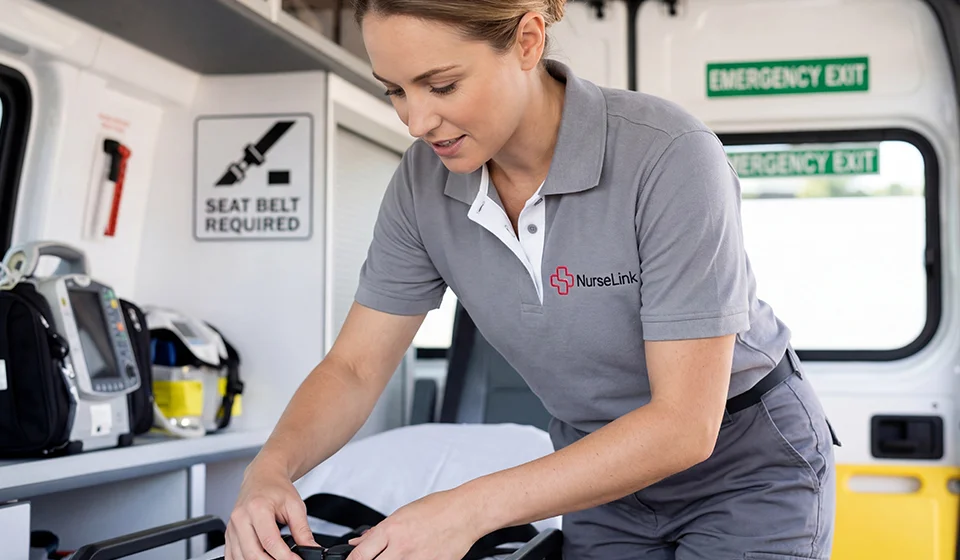
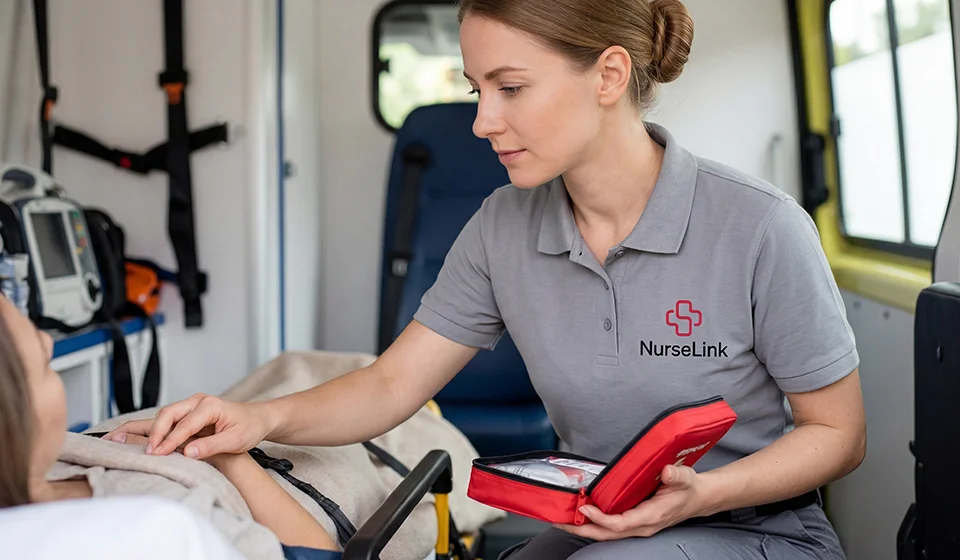
Non-emergency medical transport (NEMT) refers to planned and assisted travel for individuals who need help getting to medical appointments but do not require urgent or emergency care. Unlike ambulance services, NEMT focuses on safe, scheduled transport for routine healthcare visits, treatments, and community-based support. It is commonly used by older adults, people living with disability, or those recovering from illness or surgery who may not be able to travel independently. As part of a broader caregiver guide to NEPT, these services play an essential role in maintaining regular access to healthcare and ensuring that ongoing care plans are followed consistently and safely.
Why Transport Can Be A Challenge For Family Carers
For many families, transportation is one of the less visible but most demanding aspects of caregiving. While supporting a loved one’s health needs is a priority, coordinating regular travel to and from appointments can quickly become overwhelming. This is especially true when carers are balancing work, family commitments, and other responsibilities alongside their caregiving role.
The logistical side of transport is only one part of the challenge. There is also the emotional weight of ensuring safety, punctuality, and comfort during every journey. Over time, these pressures can impact both the carer’s wellbeing and the quality of care being provided. Understanding these challenges is an important step in recognising the value of external support services.
- Managing multiple responsibilities while coordinating transport schedules.
- Physical strain involved in assisting with mobility and transfers.
- Time pressures due to frequent or ongoing medical appointments.
- Emotional stress around ensuring safety and timely arrivals.
- Limited access to accessible or suitable transport options.
When Is It The Right Time To Use NEMT?
Deciding when to use non-emergency medical transport often comes down to recognising changes in a person’s ability to travel safely and comfortably. While many individuals may initially manage with family support or public transport, there can come a point where these options are no longer practical or safe.
Mobility challenges are a common reason to consider NEMT. Conditions that affect balance, strength, or endurance can make even short journeys difficult. In such cases, having trained support during transport ensures both safety and peace of mind for carers and clients alike.
Frequent medical appointments can also make independent travel difficult to sustain. Whether it is ongoing treatments, therapy sessions, or routine check-ups, consistency is key to maintaining health. Additionally, during recovery periods following surgery or illness, individuals may require temporary but essential support to attend appointments without added strain.
Exploring The Different Transport Options Available
There are several transport options available depending on individual needs, preferences, and levels of support required. Understanding these options allows carers to make informed decisions that prioritise safety, comfort, and reliability.
Public transport may be suitable for individuals with a higher level of independence, while private or specialised services offer more tailored support. For those with mobility challenges, wheelchair-accessible vehicles and assisted transport services provide a safer and more comfortable alternative.
- Public transport for those who can travel independently with minimal support.
- Private transport services offering door-to-door convenience.
- Specialised medical transport with trained staff and equipment.
- Wheelchair-accessible vehicles designed for mobility support.
- Community and government-supported transport programs for eligible individuals.
Making Bookings Without The Stress
Organising transport does not have to be complicated, but it does require a structured approach. Planning ahead is one of the most effective ways to reduce stress and ensure that appointments are attended without disruption. Scheduling transport in advance allows for better coordination and minimises last-minute challenges.
Keeping essential information readily available can also make the booking process smoother. Details such as appointment times, medical requirements, and mobility needs should be clearly communicated to the service provider. For many carers, using simple tools like calendars or reminders can help manage multiple bookings more efficiently. This also supports caregiver responsibilities in patient transportation by ensuring that nothing is overlooked.
Understanding Costs & Support Available
The cost of non-emergency medical transport can vary depending on the level of support required, distance travelled, and service provider, but there are several funding and support options available to ease the financial burden.
- Costs may include base fees, distance charges, and additional support services.
- Funding options such as NDIS or local community programs may be available.
- Eligibility depends on individual circumstances and care needs.
- Financial assistance can often be accessed through government or support organisations.
- Planning transport within a care budget helps maintain consistency and access.
Finding A Service You Can Trust & Rely On
Choosing the right transport provider is an important decision that directly impacts safety, comfort, and overall care quality. A reliable service should offer trained staff, clear communication, and a strong commitment to punctuality and client wellbeing. It is also important to look for providers who understand individual care needs and can adapt their services accordingly. Over time, building a relationship with a trusted provider creates consistency and peace of mind, allowing both carers and individuals to focus on health and wellbeing rather than the stress of travel arrangements.