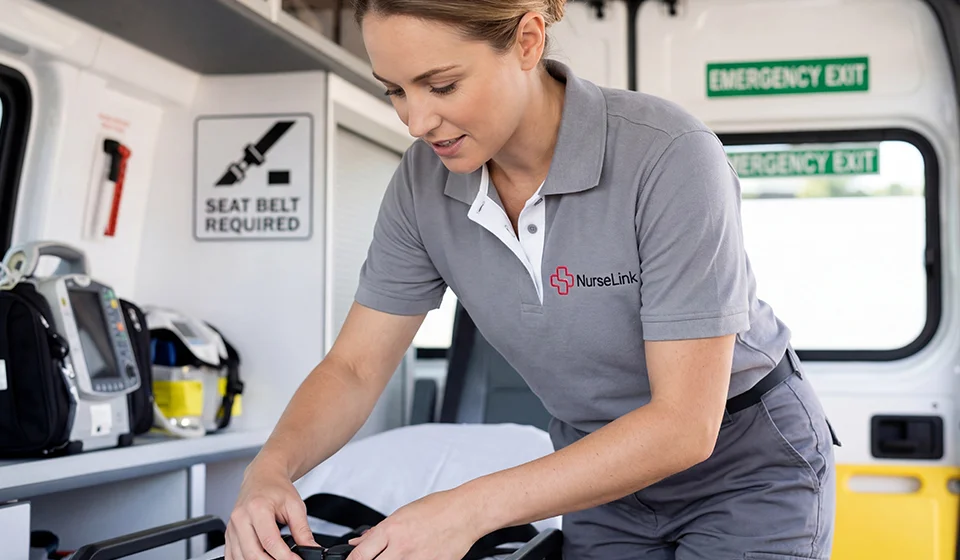
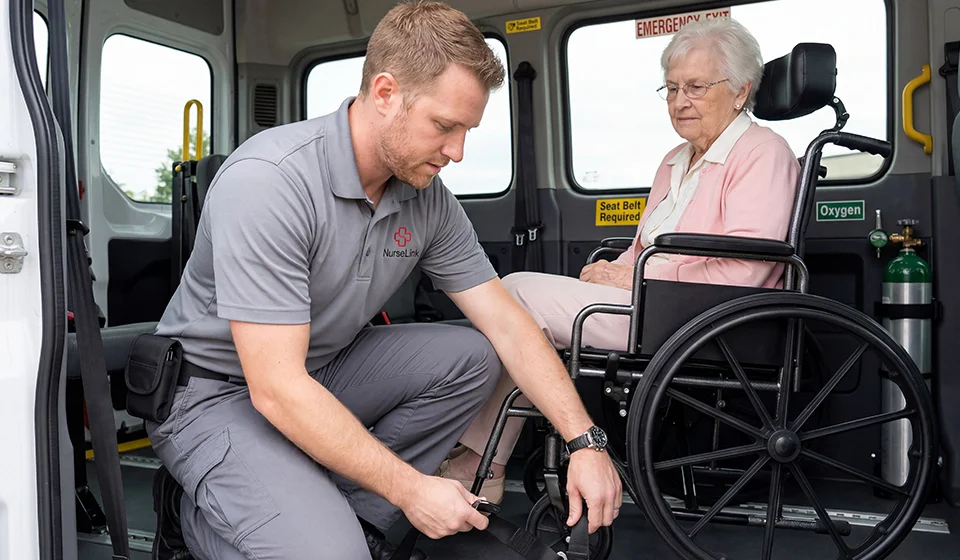
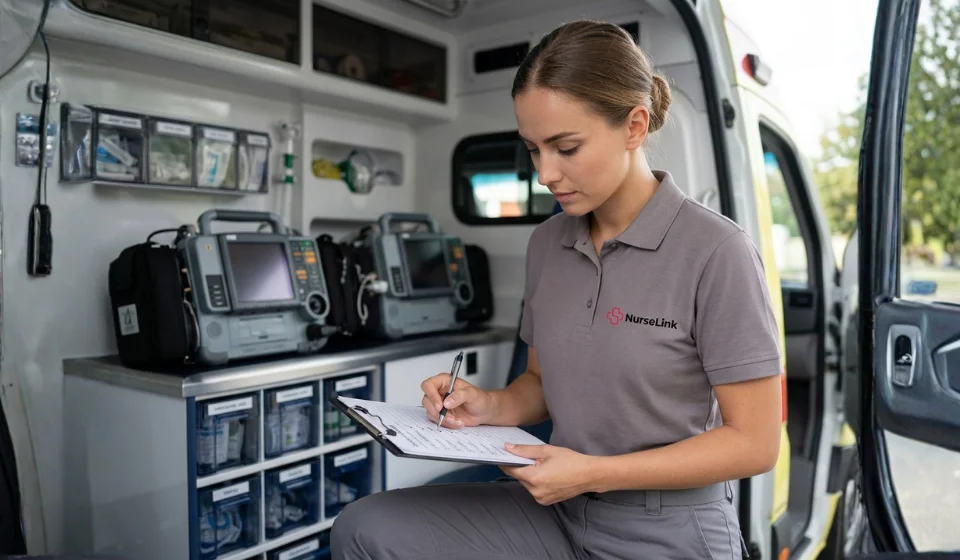
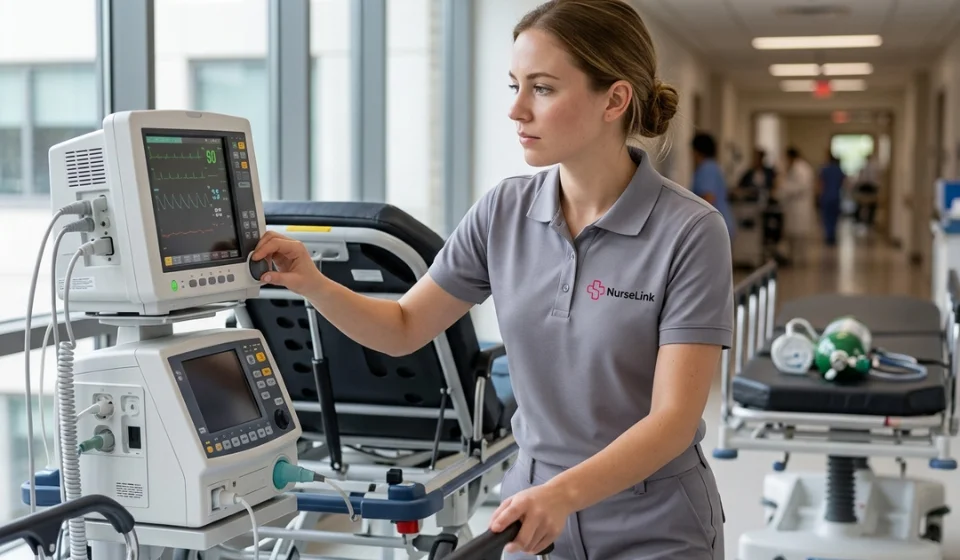
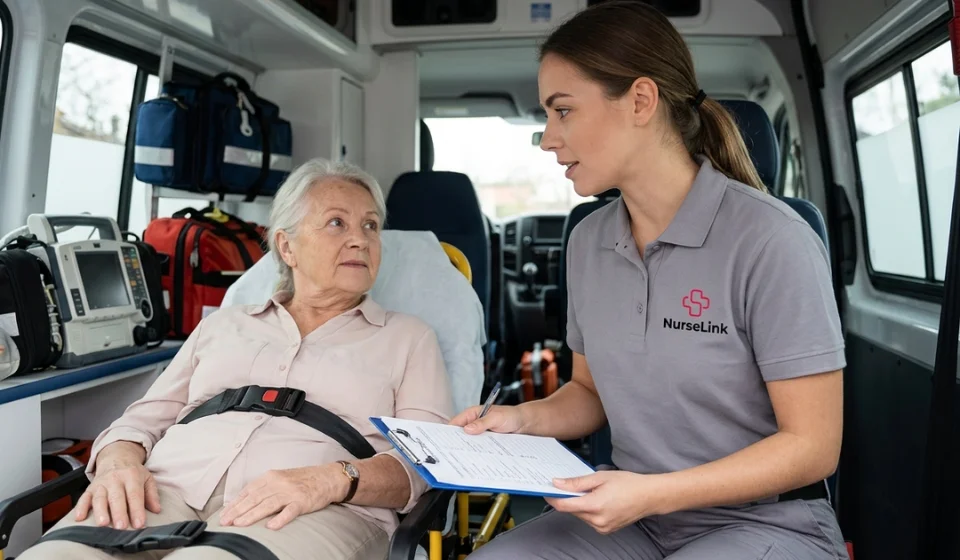
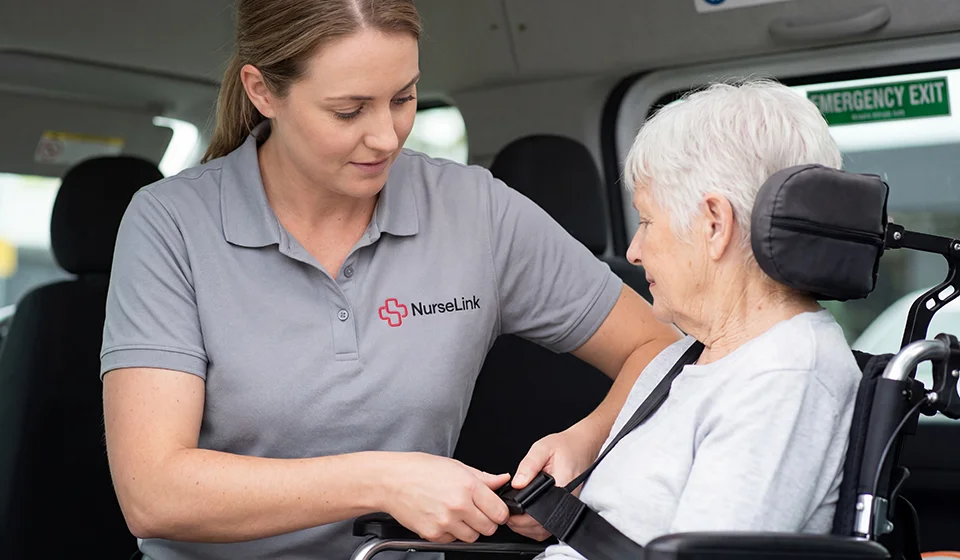
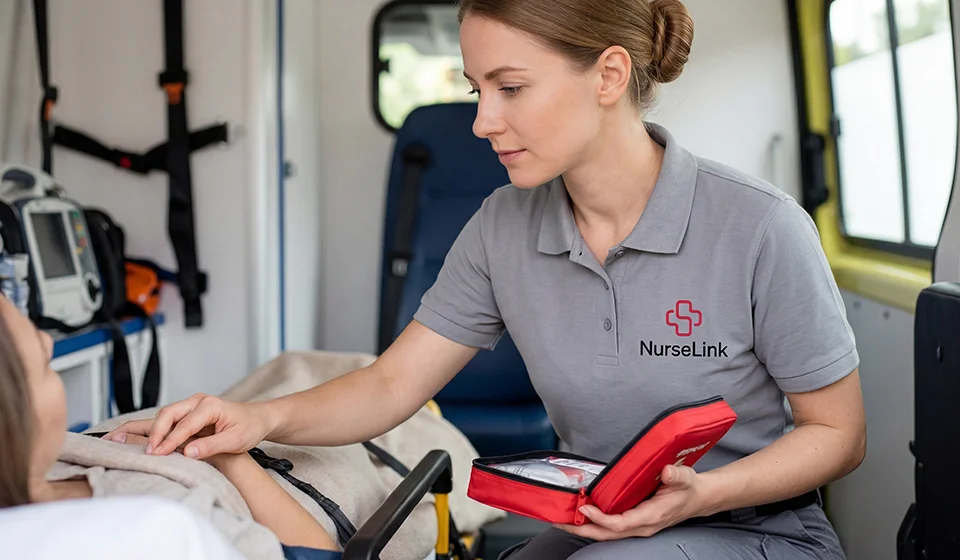
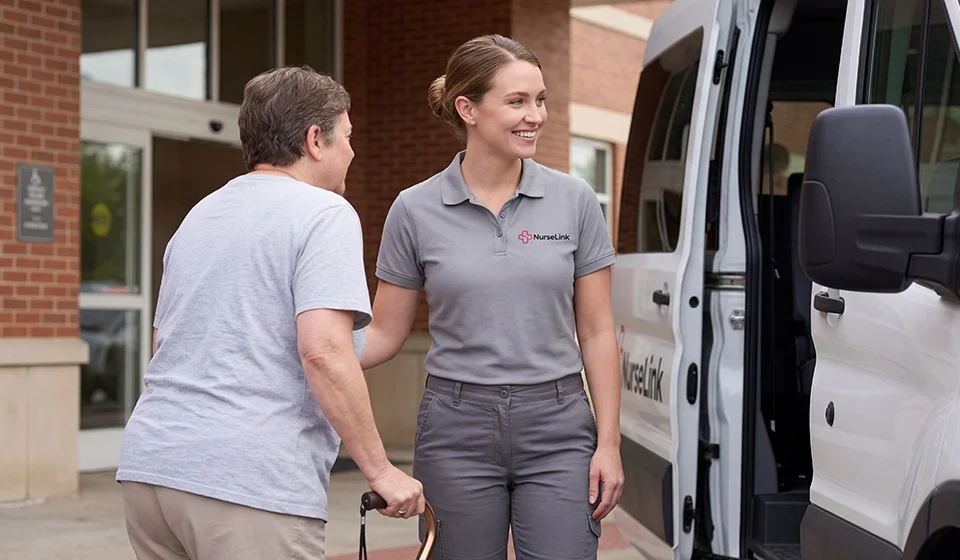
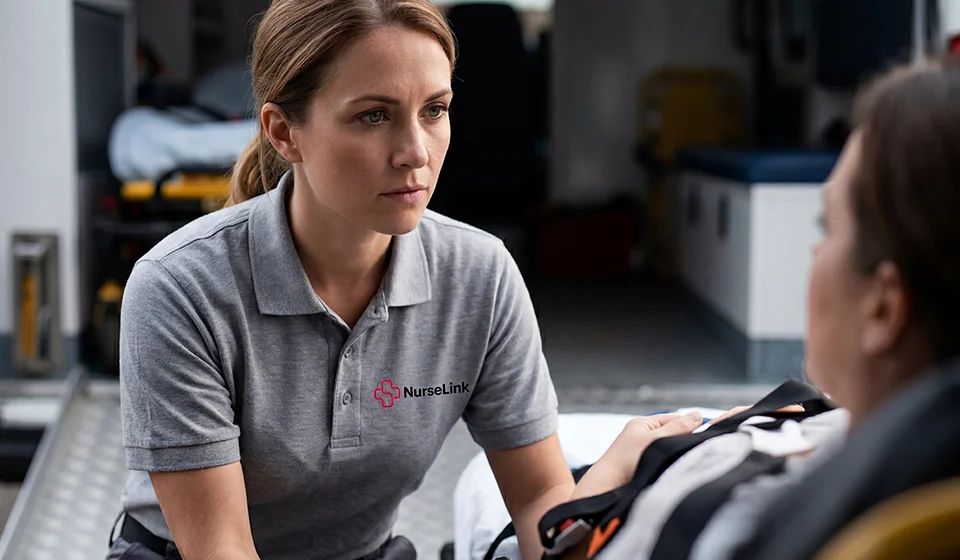
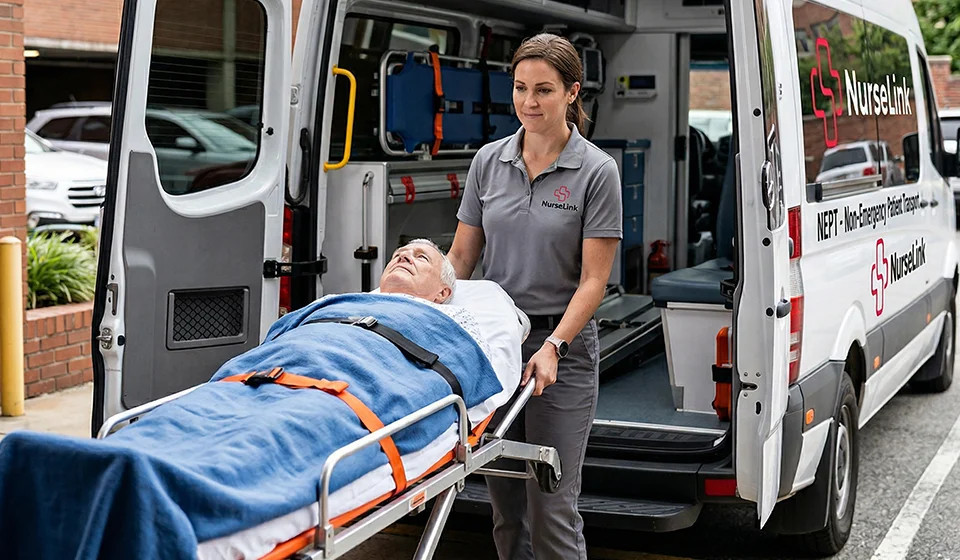
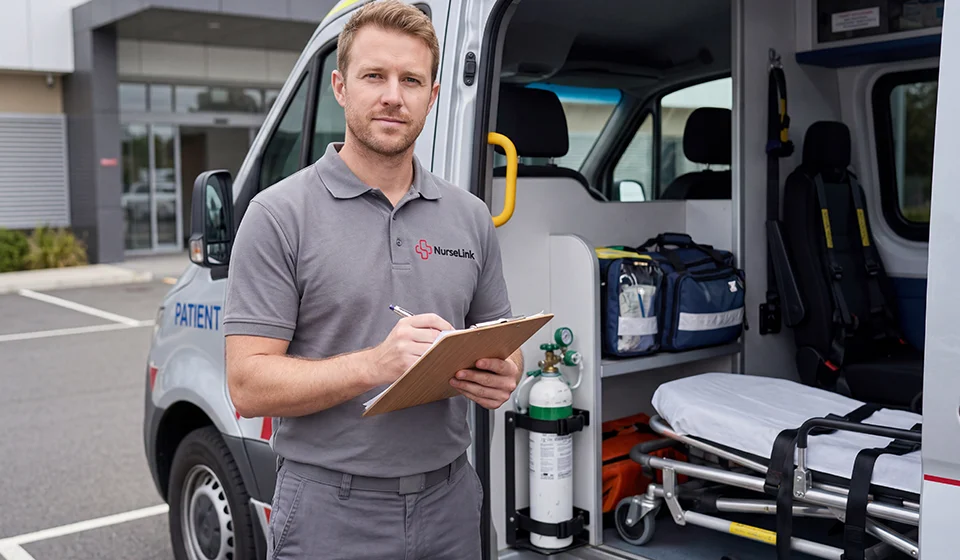
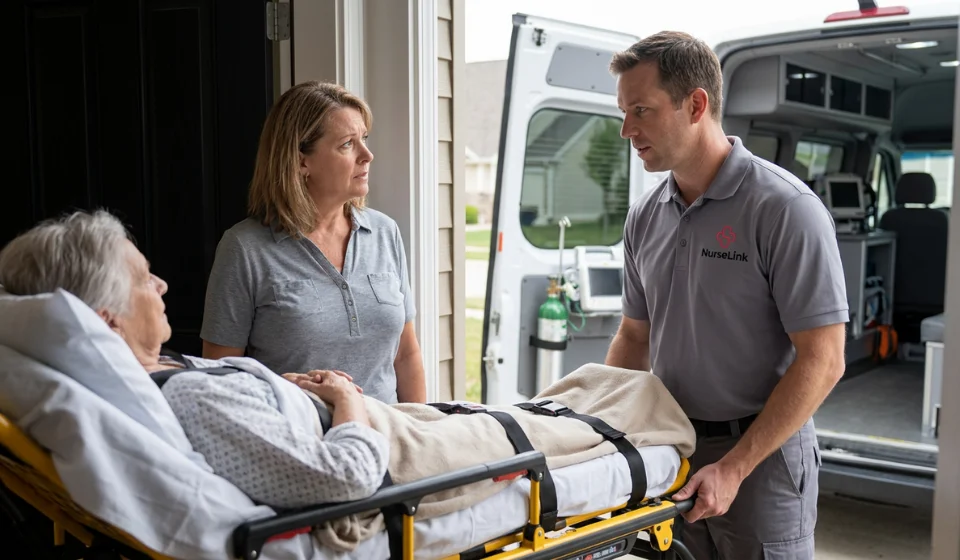
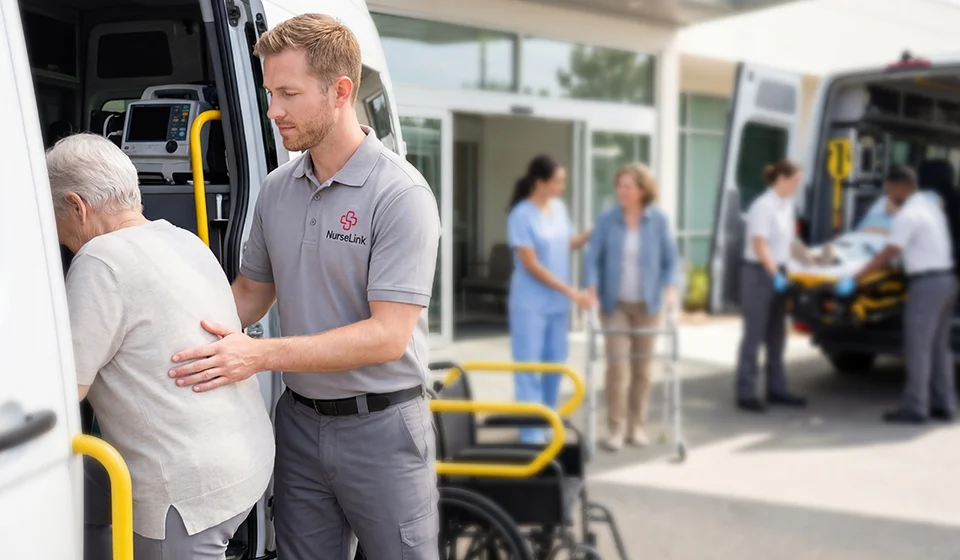
Non-Emergency Patient Transport (NEPT) refers to the safe and structured transfer of patients who are clinically stable but require assistance during travel. These services are essential for individuals who may not need urgent medical intervention but still depend on support due to mobility limitations, age-related conditions, or ongoing treatments. Common examples include elderly patients, mobility-impaired individuals, and those attending medical appointments, dialysis sessions, or hospital discharge transfers. While the term “non-emergency” may suggest lower risk, the reality is that these patients often require careful handling, monitoring, and support to ensure their safety and comfort throughout the journey.
Importance Of Safety In Non-Emergency Patient Transport
Safety is the cornerstone of all patient transport services, including those classified as non-emergency. Patients using NEPT services are often vulnerable due to physical limitations, chronic health conditions, or cognitive challenges. Even minor incidents, such as improper handling or sudden vehicle movements, can lead to injuries or complications. This is why adhering to structured non emergency patient transport guidelines is essential for maintaining high standards of care.
Transport providers also carry a significant duty of care, both legally and ethically. They are responsible for ensuring that patients are transported in a manner that preserves dignity, privacy, and emotional wellbeing. Risks such as falls during transfers, improper lifting techniques, or deterioration in a patient’s condition must be carefully managed. Following established frameworks such as the non-emergency patient transport regulations 2016 helps ensure consistency, accountability, and patient safety. Ultimately, safe transport practices contribute to better health outcomes and reduce the likelihood of hospital readmissions.
Patient Assessment & Pre-Transport Preparation
Effective NEPT begins well before the patient enters the vehicle. A thorough assessment is critical to understanding the individual’s needs and ensuring that appropriate arrangements are made. This includes reviewing the patient’s medical condition, mobility level, and cognitive status. Such information helps determine the level of assistance required and identifies any potential risks during transport.
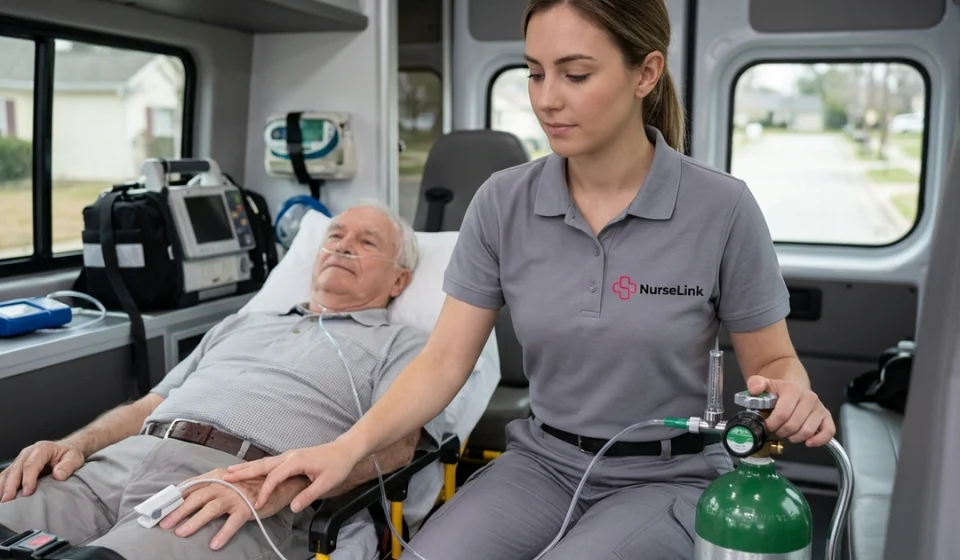
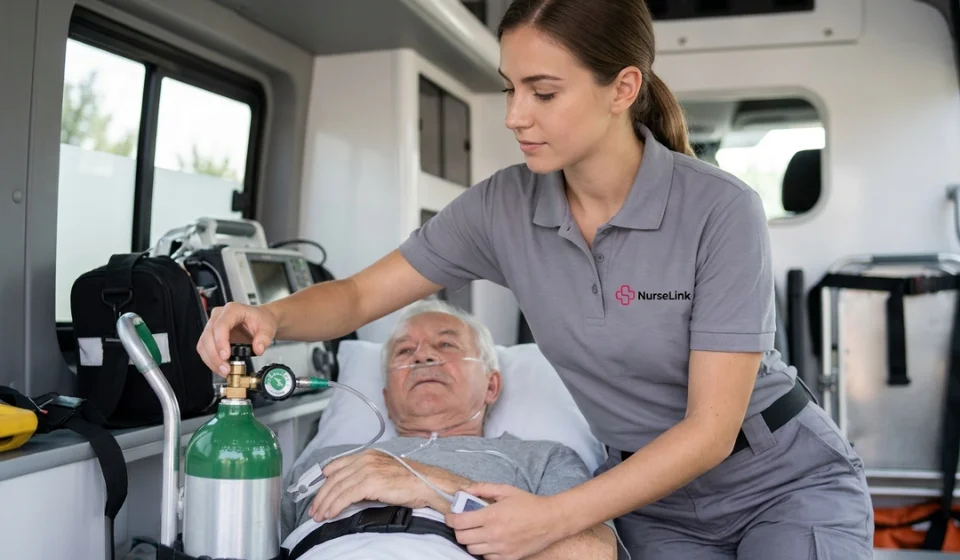
Confirming transport requirements is another essential step. Some patients may require wheelchair transport, while others may need a stretcher or assisted walking support. It is also important to assess whether the patient requires oxygen, monitoring equipment, or additional medical support during transit. These considerations ensure that the transport environment is appropriately prepared.
Risk assessment plays a vital role in pre-transport planning. Factors such as fall risk, behavioural concerns, or communication challenges must be identified and addressed. Clear communication with both the referring and receiving facilities ensures continuity of care and reduces the likelihood of errors or misunderstandings. Preparing the patient is equally important. Proper positioning, securing personal belongings, and explaining the transport process can significantly reduce anxiety and enhance cooperation, leading to a safer and smoother journey.
Vehicle Safety & Essential Equipment Requirements
The safety of NEPT services is heavily influenced by the condition and design of the transport vehicle. Vehicles must be clean, well-maintained, and compliant with safety standards to ensure a secure environment for patients. Regular inspections are essential to identify potential mechanical issues and maintain operational reliability.
Modern NEPT vehicles are equipped with specialised safety features designed to protect patients during transit. These include secure restraint systems for wheelchairs and stretchers, non-slip flooring to prevent falls, and adequate lighting and ventilation to enhance comfort. Such features are not only important for safety but also contribute to a more positive patient experience.
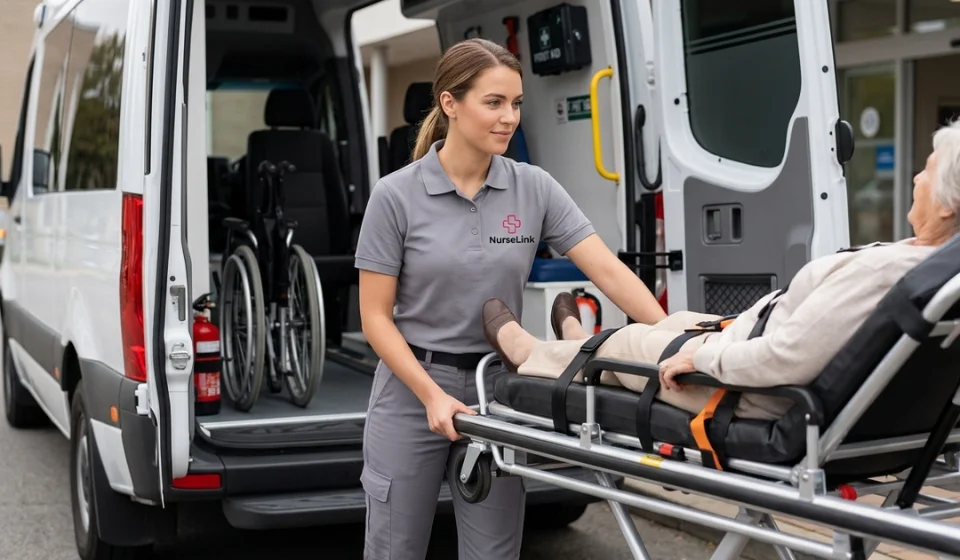
In addition to structural features, vehicles must carry essential equipment to manage routine and unexpected situations. This typically includes a first aid kit, oxygen supply, and basic monitoring tools when required. Safe loading and unloading procedures are critical to prevent injuries, particularly for patients with limited mobility. Accessibility features such as ramps or hydraulic lifts ensure that patients can enter and exit the vehicle safely. Having contingency plans and backup systems in place further enhances safety by preparing staff to respond effectively to unforeseen circumstances.
Infection Control & Hygiene Practices During Transport
Infection control is a fundamental aspect of patient transport, particularly in shared environments where multiple individuals may be transported throughout the day. Patients receiving NEPT services may already have compromised immune systems, making them more susceptible to infections. Maintaining strict hygiene practices is therefore essential to minimise risks.
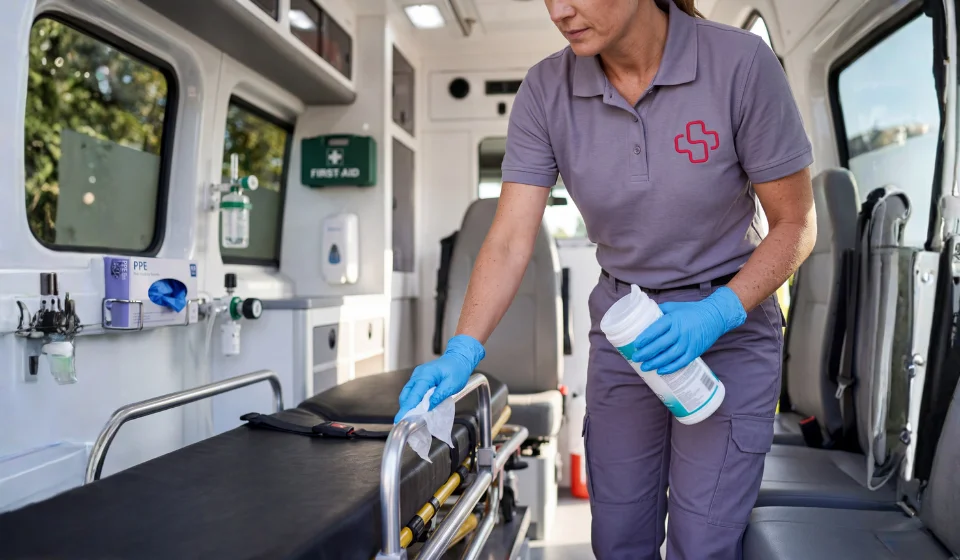
Transport staff must follow established infection control practices at all times. This includes maintaining cleanliness within the vehicle and ensuring that all surfaces are regularly disinfected. Hand hygiene is one of the most effective measures in preventing the spread of infections and should be performed consistently before and after patient contact.
- Perform hand hygiene before and after each patient interaction.
- Use appropriate Personal Protective Equipment when required.
- Safely handle bodily fluids and contaminated materials.
- Ensure proper ventilation within the vehicle.
- Follow organisational infection control protocols consistently.
These practices help reduce cross-contamination and protect both patients and staff, contributing to a safer transport environment.
Role Of Trained Staff In Ensuring Patient Safety
The effectiveness of NEPT services depends largely on the competence and professionalism of the staff involved. Trained transport officers are responsible not only for driving but also for providing patient care, ensuring safety, and managing potential risks during the journey. Their role requires a combination of technical skills, clinical awareness, and interpersonal abilities.
Manual handling is a critical skill in patient transport. Staff must be trained in safe lifting and transfer techniques to prevent injuries to both themselves and the patient. Basic first aid knowledge is also essential, enabling staff to respond appropriately to minor incidents or changes in a patient’s condition.
- Apply safe manual handling and lifting techniques.
- Provide basic first aid and patient support.
- Identify early signs of distress or deterioration.
- Communicate clearly with patients and healthcare teams.
- Maintain patient dignity and emotional reassurance.
- Follow established safety protocols and procedures.
- Coordinate effectively with team members.
- Ensure correct use of equipment and restraints.
- Adapt care based on patient needs.
- Maintain professionalism and accountability at all times.
In addition to technical skills, effective communication plays a key role in ensuring patient safety. Transport staff must be able to reassure patients, explain procedures, and collaborate with healthcare providers to ensure seamless care delivery.
Monitoring & Managing Patient Safety During Transit
Patient care does not end once the journey begins. Continuous monitoring throughout transit is essential to ensure that patients remain stable and comfortable. Transport staff must observe key indicators such as level of consciousness, breathing patterns, and overall comfort to detect any changes early.
Maintaining proper positioning is important to prevent discomfort and reduce the risk of complications such as pressure injuries. All equipment and restraints must be securely fastened to prevent movement during transit. Safe driving practices, including smooth acceleration and braking, further contribute to patient safety.
If a patient’s condition changes during the journey, staff must be prepared to act quickly. This may involve following escalation protocols, seeking medical assistance, or adjusting care as needed. Communication with the receiving facility ensures that any changes are documented and addressed promptly. Accurate documentation of the transport process, including any incidents or observations, supports continuity of care and accountability.
Key Takeaways
Safe non-emergency patient transport relies on careful planning, skilled staff, and well-maintained vehicles to ensure patient comfort and minimise risks. Consistent infection control and hygiene practices are essential in protecting both patients and caregivers during every journey. Continuous monitoring and effective communication further enhance safety by enabling timely responses to any changes in patient condition, ensuring that NEPT services remain reliable, patient-focused, and aligned with best practices in healthcare delivery.