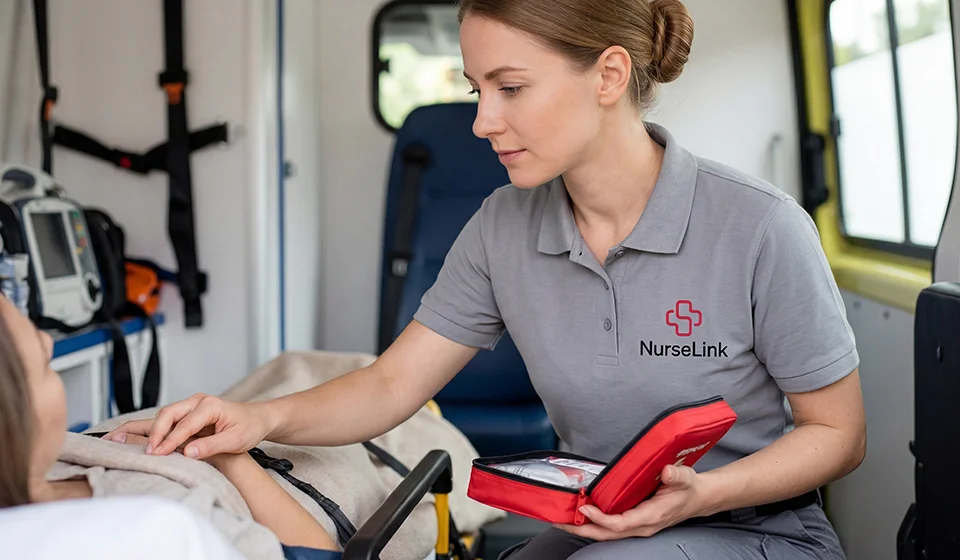
Non-emergency patient transport (NEPT) is an essential part of modern healthcare, designed to support patients who require safe and assisted travel without the need for urgent medical intervention. Despite its importance, there are many non-emergency patient transport myths that can lead to confusion and poor decision-making. These misunderstandings often result in delays, inappropriate transport choices, or unnecessary reliance on emergency services. Addressing these misconceptions about medical transports is critical for improving patient outcomes, ensuring safety, and helping individuals make informed decisions. This blog aims to break down common myths and replace them with clear, practical insights.
What People Often Get Wrong About NEPT
Non-emergency transport is frequently misunderstood because it sits between traditional transport services and emergency care. Many people are unsure about when it should be used, who it is for, and what level of care it provides. This confusion contributes to patient transport service misconceptions and can impact both individual patient experiences and the broader healthcare system.
A key issue is the overlap in perception between emergency ambulances and non-emergency services. Without clear information, patients and carers may either underestimate the importance of NEPT or overestimate the need for emergency transport. Addressing this misinformation in healthcare helps ensure that patients receive the right level of care at the right time.
- Confusion between emergency and non-emergency transport services.
- Lack of awareness about NEPT capabilities and scope.
- Assumptions based on limited or outdated information.
- Influence of broader common healthcare myths.
- Impact of misunderstanding on patient safety and system efficiency.
Myth 1: Non-Emergency Transport Is Only For Low-Risk Or “Optional” Cases
One of the most common myths about patient transport services is that NEPT is only used for minor or optional situations. In reality, NEPT is designed for clinically appropriate, non-urgent transfers that are still essential for patient care. These journeys often involve individuals who are stable but require assistance, supervision, or specialised equipment.
Patients discharged from hospital, attending dialysis or chemotherapy, or transferring between facilities all rely on NEPT to maintain continuity of care. These are not optional scenarios, but necessary components of treatment and recovery. Understanding non emergency transport facts vs myths helps clarify that “non-emergency” does not mean unimportant.
Myth 2: NEPT Services Lack Clinical Oversight Or Trained Staff
Another widespread belief is that NEPT services are purely logistical and do not involve trained personnel. This is one of the more serious common myths about NEPT, as it undermines the professionalism and capability of transport teams.
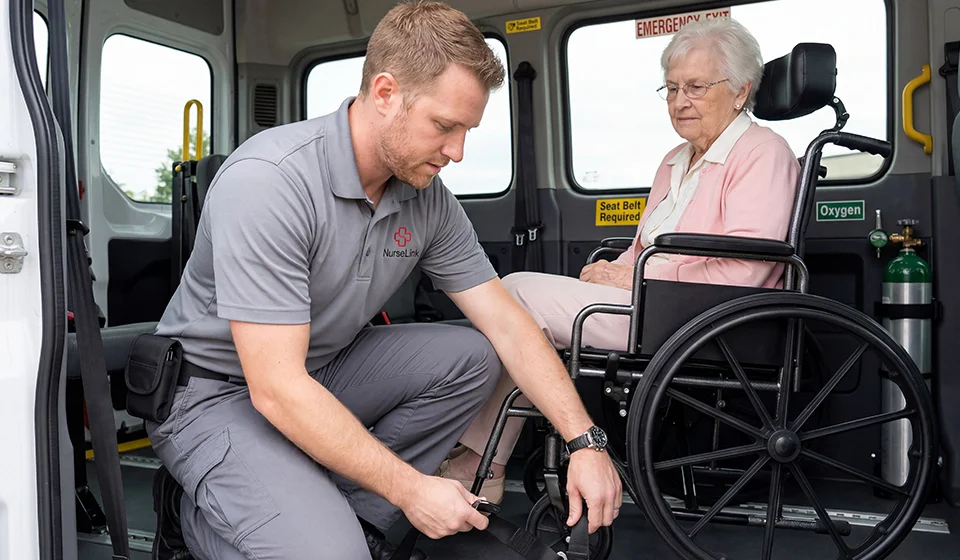
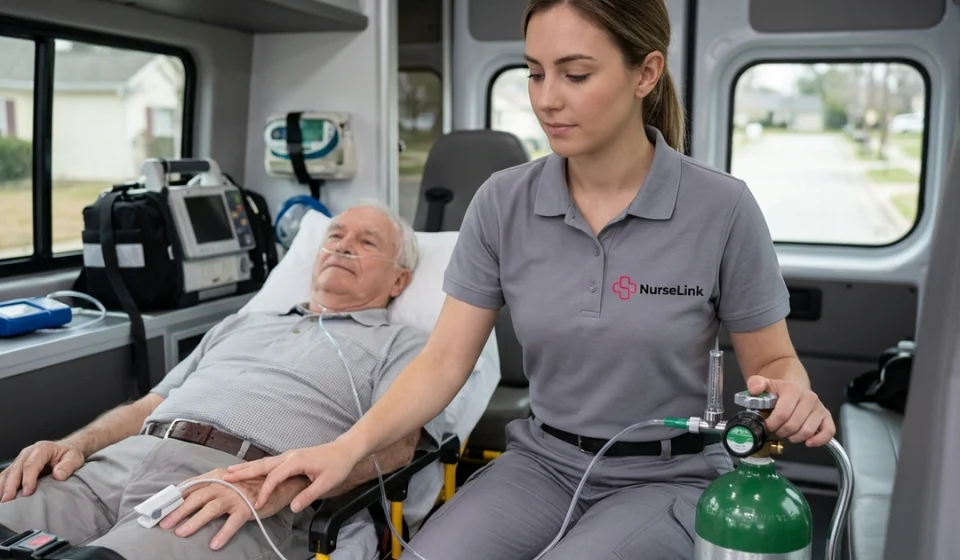
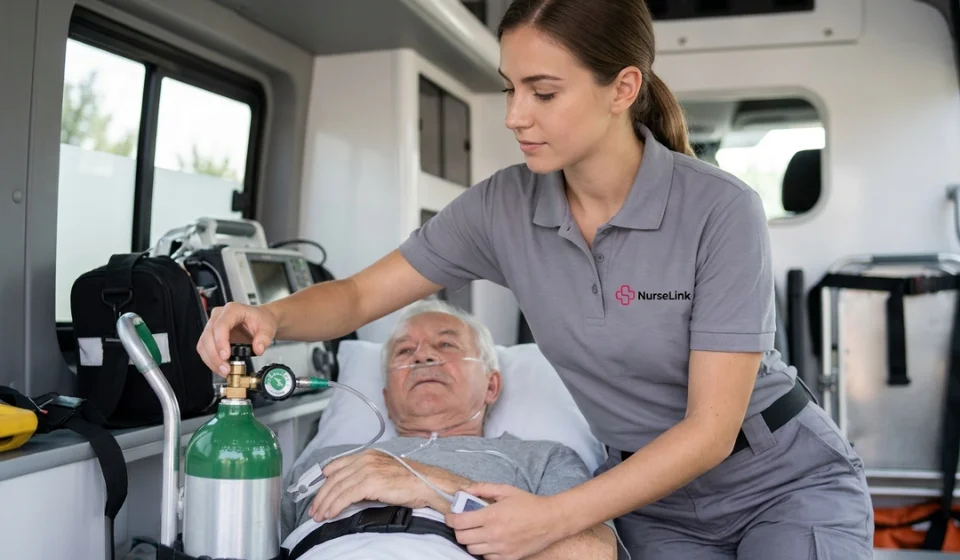
In reality, staff are trained in patient handling, basic clinical care, and monitoring. They follow established protocols and safety standards to ensure that patients are supported throughout the journey. Choosing a qualified provider ensures that appropriate care is delivered, reinforcing that NEPT is a structured and clinically informed service.
Myth 3: It’s Faster & Better To Always Call An Emergency Ambulance
Many people assume that calling an emergency ambulance is always the safest and fastest option. While emergency services are critical for life-threatening situations, they are not always appropriate for non-urgent transfers. Misusing these services can lead to delays for patients who genuinely require urgent care.
NEPT is often a more suitable and efficient option for planned transfers. It is specifically designed to handle non-urgent cases while still providing necessary support. Addressing this type of healthcare misinformation helps ensure that emergency resources are used effectively and that patients receive care that matches their needs.
Myth 4: All Patient Transport Services Offer The Same Level Of Care
Not all transport providers operate at the same standard, and assuming they do can lead to poor outcomes. Differences in staff training, equipment, and service quality can significantly impact patient safety and comfort.
Understanding this aspect of patient transport service misconceptions encourages patients and carers to ask the right questions before booking. Choosing a provider that meets clinical and safety standards is essential for ensuring a positive and secure transport experience.
Myth 5: NEPT Is Only For Elderly Or Disabled Patients
While NEPT is commonly used by elderly or disabled individuals, it is not limited to these groups. This is one of the more limiting common medical misconceptions that can prevent others from accessing appropriate transport services.
NEPT supports a wide range of patients, including those recovering from surgery, managing chronic conditions, or requiring regular treatments. Eligibility is based on clinical need rather than age or disability, making NEPT a flexible and inclusive option.
Myth 6: Booking NEPT Is Complicated & Time-Consuming
Some people avoid using NEPT because they believe the booking process is difficult. In reality, arranging transport is usually straightforward when the right information is available. Providers are equipped to guide patients and carers through the process, ensuring that all requirements are met.
Preparation is key to simplifying the experience. By providing accurate details about the patient’s condition, schedule, and needs, bookings can be completed efficiently. This helps reduce delays and ensures a smoother overall experience.
Conclusion
Misconceptions about non-emergency patient transport can have a real impact on patient care, leading to unnecessary stress, delays, and inappropriate use of resources. By addressing these non-emergency patient transport myths, patients and carers can make more informed decisions that prioritise safety, comfort, and efficiency. Understanding the true role of NEPT helps dispel common healthcare myths and highlights its value in supporting a wide range of patient needs. Ultimately, choosing a reliable and qualified transport provider ensures a better experience and contributes to a more effective healthcare system overall.