Patient transport officers play a vital yet often under-recognised role within the healthcare system. Their responsibility goes far beyond simply moving patients from one location to another. They ensure that every transfer is carried out safely, on time, and with a strong focus on patient comfort and dignity. These professionals operate within a dynamic healthcare work environment, balancing clinical awareness with logistical precision. From handling vulnerable patients to coordinating with healthcare teams, their work requires adaptability, clear communication, and a genuine commitment to care.
Starting The Shift: Briefings, Vehicle Checks & Route Planning
Every shift begins with preparation. Patient transport officers start by reviewing their schedules, understanding the day’s priorities, and identifying any special requirements for upcoming transfers. This initial phase sets the tone for the entire day, ensuring that each journey is well-planned and executed efficiently.
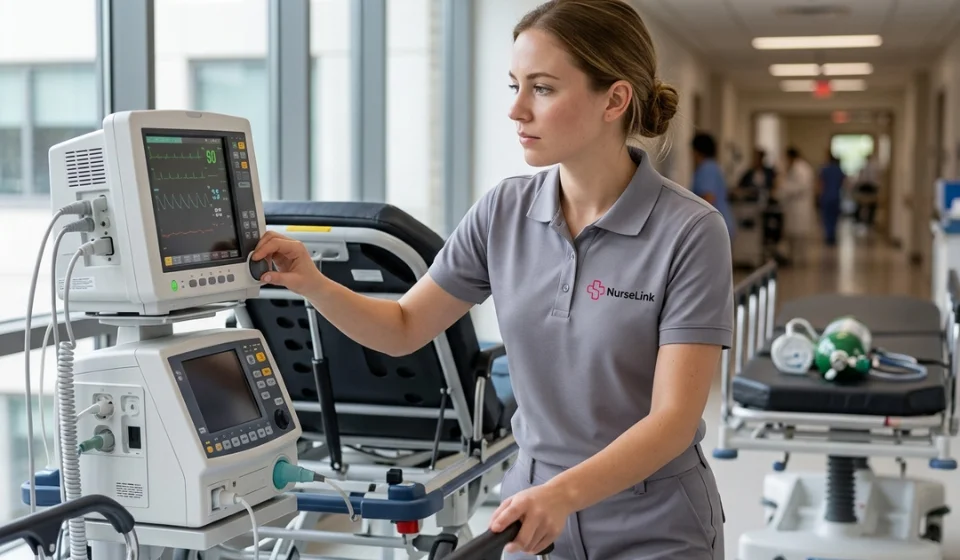
Team briefings are an important part of this process. They provide updates on patient conditions, highlight any risks, and ensure that all team members are aligned. Alongside this, vehicle readiness is carefully checked to ensure safety, cleanliness, and compliance with healthcare standards.
- Review daily schedules, patient lists, and transport priorities.
- Attend briefings to understand patient needs and potential risks.
- Conduct safety checks on vehicles, including cleanliness and fuel levels.
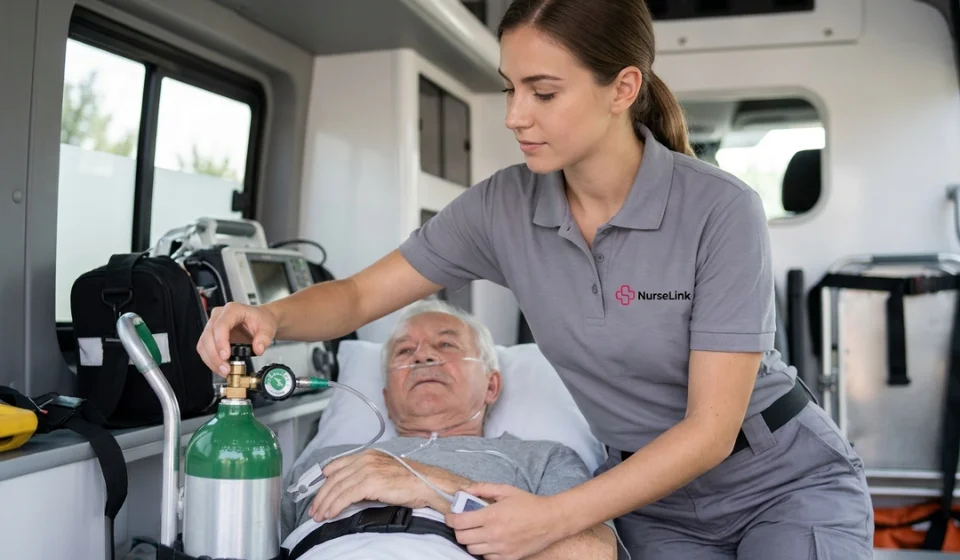
- Ensure availability of essential equipment such as stretchers and oxygen.
- Plan routes based on timing, traffic, and patient-specific requirements.
Assessing Patient Needs Before Every Transfer
Before every journey, patient transport officers take time to assess the individual needs of each patient. This step is crucial in ensuring that the transport provided is appropriate, safe, and comfortable. Understanding patient transporter job duties involves recognising that no two patients are the same, and each transfer requires a tailored approach.
Officers review patient information, including medical notes and mobility requirements, to determine the level of assistance needed. This may involve identifying whether a patient can walk independently, requires a wheelchair, or needs stretcher support. Careful assessment also helps identify any additional requirements such as oxygen support or supervision during transit.
- Review patient records, transport instructions, and care requirements.
- Identify mobility level and appropriate transfer method.
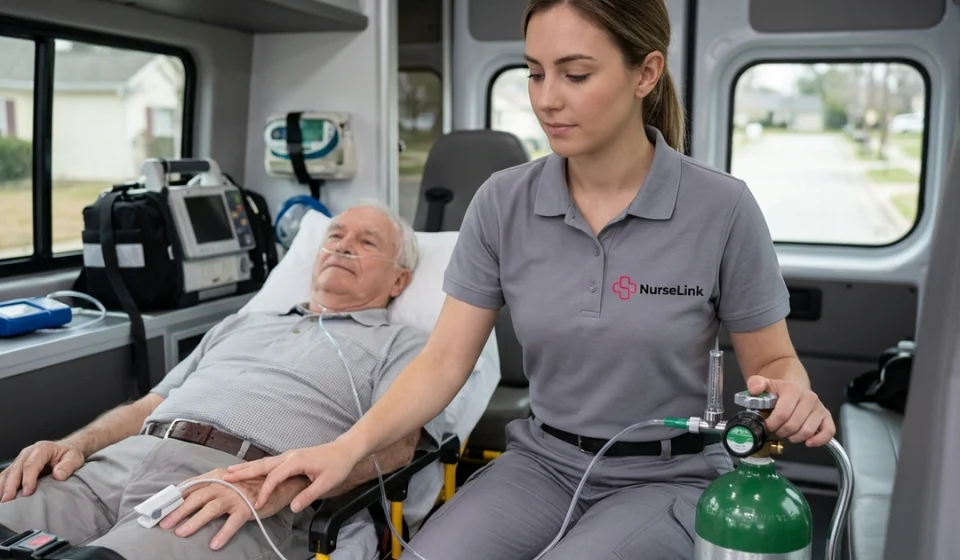
- Assess need for supervision, oxygen, or specialised handling.
- Confirm patient identity and readiness for transfer.
- Adjust approach based on patient comfort and condition.
On The Move: Delivering Safe, Comfortable & Timely Transport
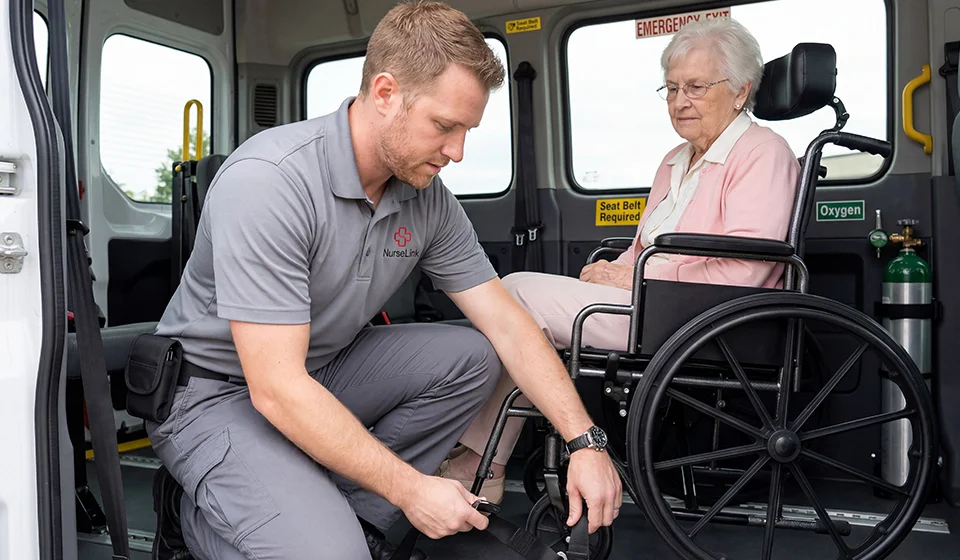
Once the journey begins, the focus shifts to delivering a safe and smooth transport experience. Patient transport officers are responsible for ensuring that patients are securely positioned and comfortable throughout the journey. Proper handling techniques are used to minimise risk and prevent injury.
Monitoring patients during transit is also an important aspect of patient transport duties. While most patients are stable, officers remain alert to any signs of discomfort or changes in condition. Clear and reassuring communication helps build trust and reduces anxiety, particularly for elderly or vulnerable patients.
- Safely assist patients into vehicles using correct handling techniques.
- Ensure patients are securely positioned and comfortable.
- Monitor patient condition throughout the journey.
- Communicate calmly and clearly to reassure patients.
- Follow planned routes while adapting to real-time traffic conditions.
Handling Challenges: Delays, Patient Conditions & On-Road Decisions
No two days are the same in patient transport, and challenges are a regular part of the role. Delays can occur due to traffic, scheduling changes, or facility readiness, requiring quick thinking and flexibility. Managing these situations effectively is a key aspect of hospital transporter duties.
Patient conditions may also change during transit, even if only slightly. Transport officers must be able to recognise these changes and respond appropriately within their scope of practice. This requires a calm and professional approach, even in high-pressure situations.
- Manage delays caused by traffic or scheduling changes.
- Respond to minor changes in patient condition during transit.
- Make quick, informed decisions to maintain safety.
- Escalate concerns when patient condition changes significantly.
- Remain calm and professional under pressure.
Communication, Documentation & Handover Responsibilities
Effective communication is at the heart of patient transport. Officers regularly interact with healthcare staff, coordinators, and caregivers to ensure that all aspects of the transfer are clearly understood. Providing updates on patient status and transport progress helps maintain transparency and coordination.
Accurate documentation is equally important. Recording patient details, observations, and any incidents ensures accountability and supports continuity of care. Upon arrival, a proper handover is conducted to ensure that receiving staff are fully informed about the patient’s condition and any relevant information.
- Communicate clearly with healthcare teams and caregivers.
- Provide updates on patient status and transport progress.
- Complete documentation accurately and consistently.
- Conduct thorough handovers at the destination.
- Ensure continuity of care through effective information sharing.
Conclusion
Patient transport officers are an essential part of the healthcare system, ensuring that patients are moved safely and efficiently between locations. Their role combines clinical awareness, logistical coordination, and compassionate care, making a significant impact on patient experience. From preparation to handover, every step of their work contributes to patient safety and comfort. Recognising the value of these professionals highlights the importance of reliable and well-coordinated transport services in delivering high-quality healthcare.