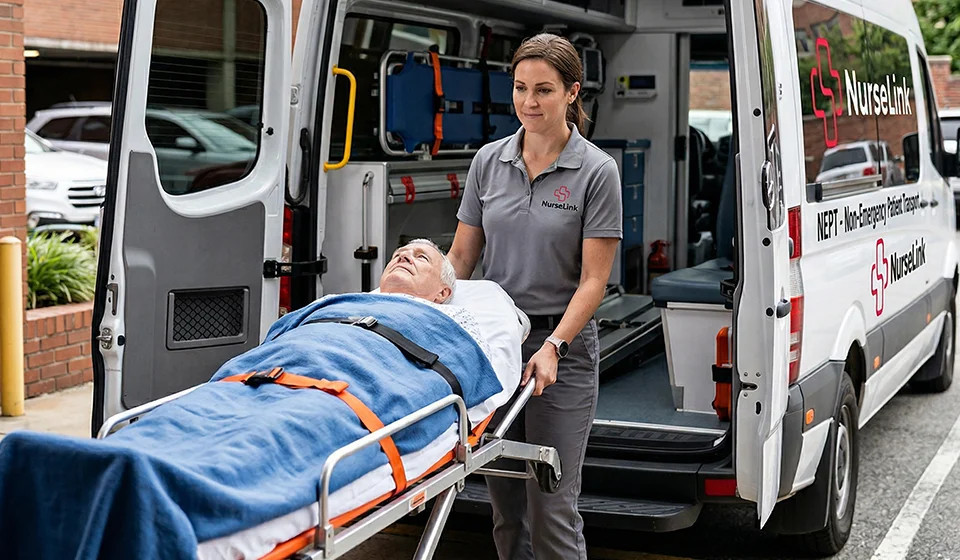
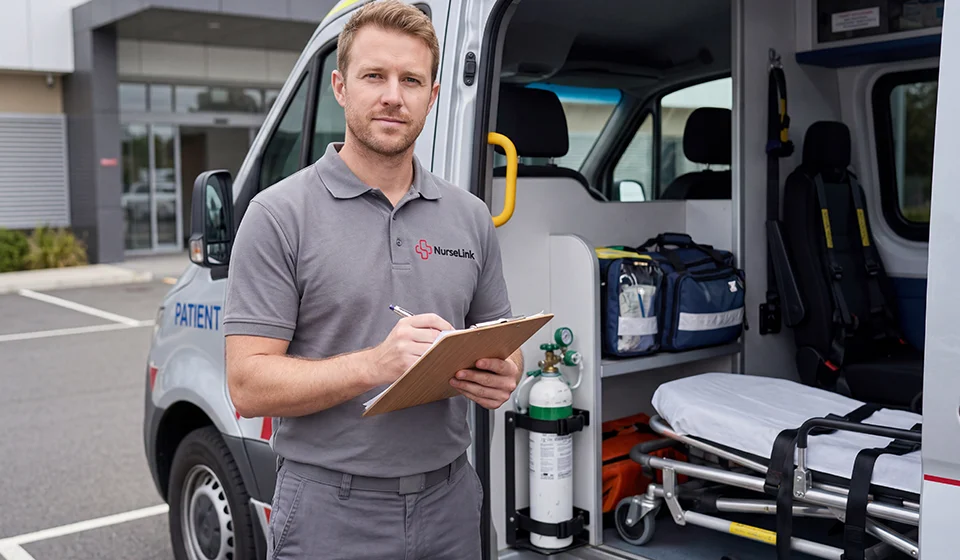
Patient transport refers to the safe movement of individuals who require medical or assisted support during travel. It includes both non-emergency and medically assisted transfers, depending on the patient’s condition and care needs. While it may appear straightforward, the meaning of patient transport goes far beyond simply getting from one location to another.
These services are commonly used for hospital discharges, transfers between healthcare facilities, rehabilitation visits, specialist appointments, and returning home after treatment. In each of these scenarios, the patient may still require varying levels of supervision, assistance, or clinical care during transit.
A significant gap in understanding exists when people assume that transport is just travel. In reality, it carries clinical responsibility. Without appropriate medical oversight, even a short journey can introduce risks. This article explores what patient transport involves, highlights hidden risks, and explains safer alternatives for individuals and families navigating care transitions.
Why Medical Support Matters?
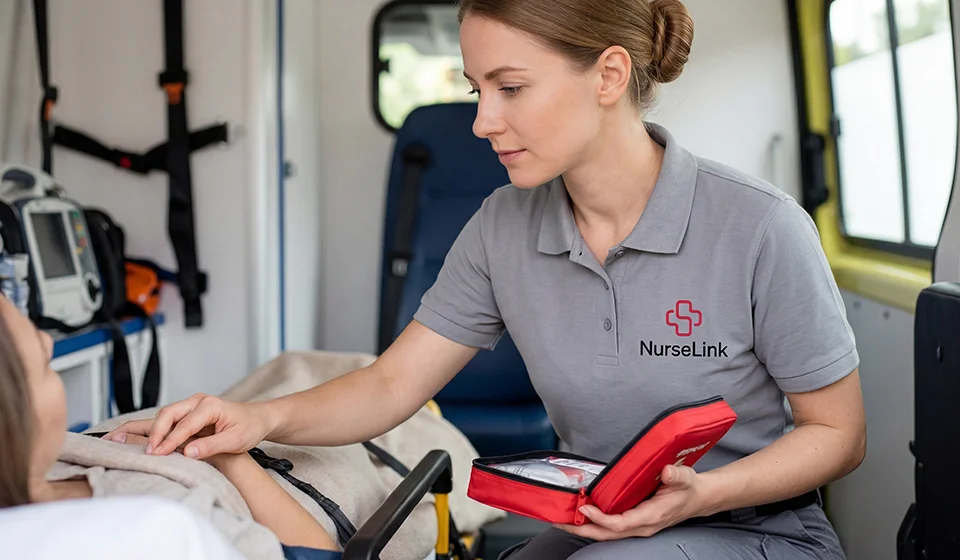
Medical support during transport is essential for maintaining continuity of care. Patients may appear stable at discharge, but their condition can change quickly without warning. Having trained professionals present ensures that any emerging concerns are addressed promptly and safely.
In addition, proper medical support helps maintain patient comfort, reduces anxiety, and ensures that care protocols continue seamlessly outside the hospital environment. Understanding how patient transport works includes recognising the role of clinical supervision during transit.
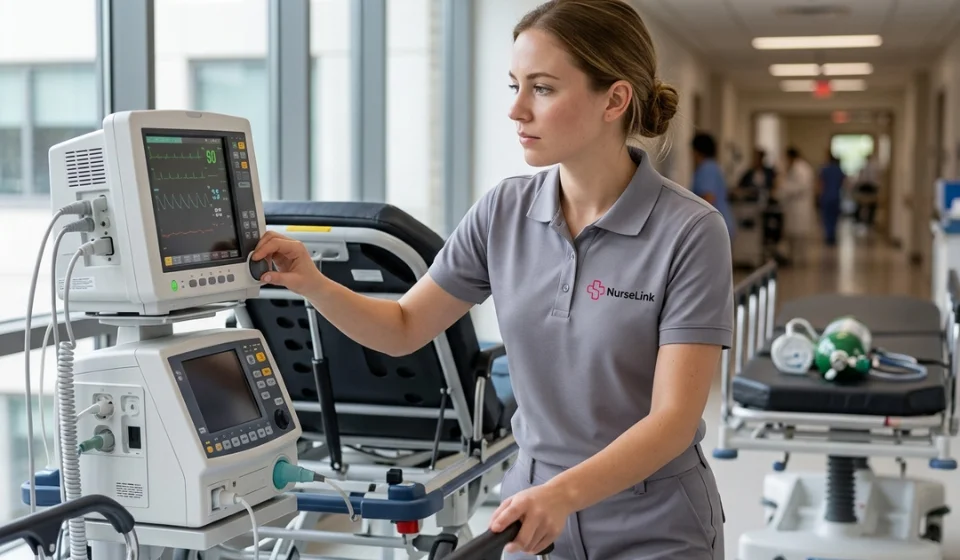
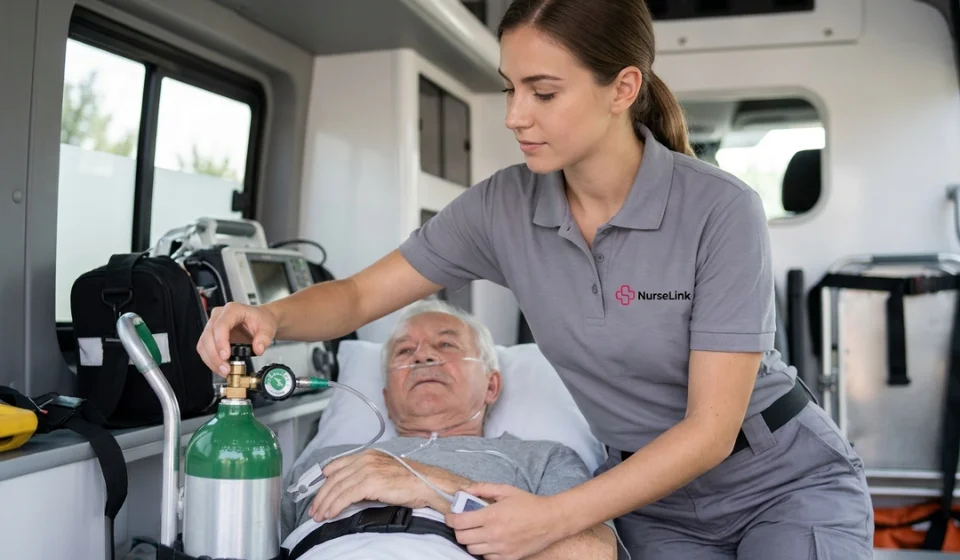
- Continuous monitoring of vital signs such as heart rate, oxygen levels, and blood pressure.
- Immediate clinical intervention in case of distress or sudden deterioration.
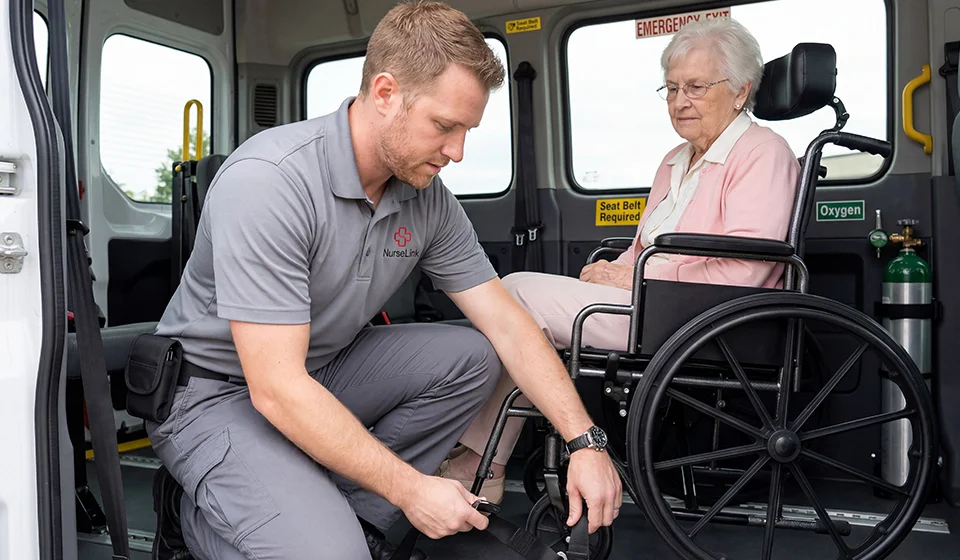
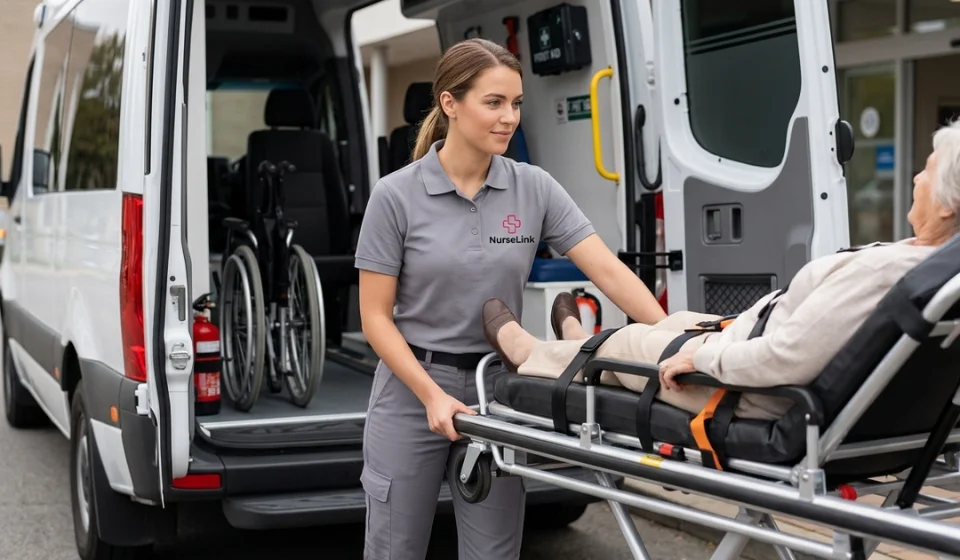
- Safe patient handling to prevent injury during movement or repositioning.
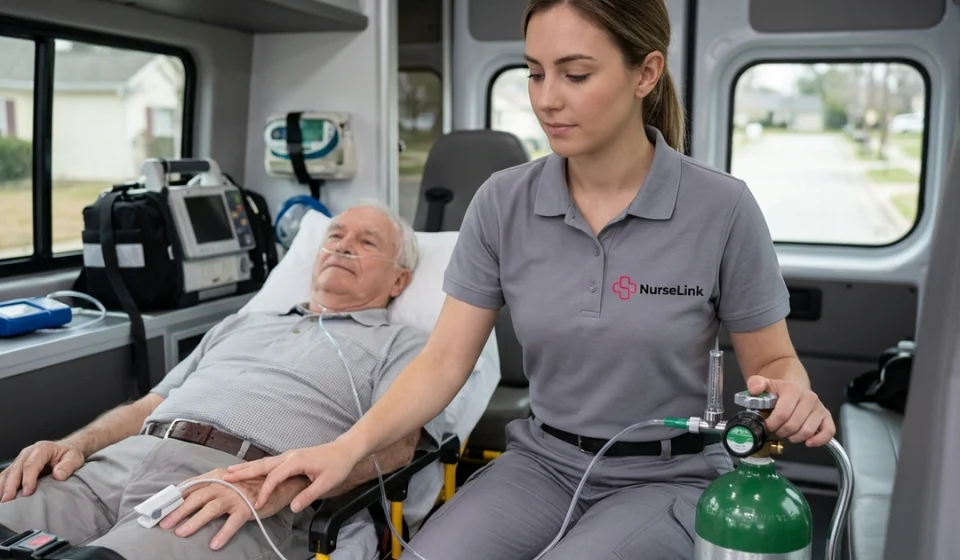
- Management of medications and oxygen therapy during transit.
- Specialised care for elderly, post-surgical, disabled, or high-risk patients.
Without these elements, even routine transfers can become high-risk situations.
Common Risks Associated
Patient transport carries a range of risks that are often underestimated, particularly when services are arranged without proper medical support. These risks are not always immediately visible but can have significant consequences for patient safety and recovery.
Physical injuries are among the most common concerns. Improper lifting techniques, lack of support equipment, or inadequate handling can lead to falls, strain injuries, or pressure-related complications. These risks are especially relevant for elderly or mobility-impaired patients.
Medical deterioration is another critical issue. Changes in oxygen levels, heart rate, or overall condition may go unnoticed without monitoring. In such cases, delayed response can escalate minor issues into serious complications.
Other risks include delayed emergency response due to the absence of trained personnel, lack or misuse of essential equipment such as stretchers or oxygen support, and poor infection control practices that increase exposure to contaminants. Emotional distress is also a key factor, as patients may experience anxiety, confusion, or discomfort during poorly managed transfers.
Situations Where Lack Of Medical Support Can Be Dangerous
There are specific scenarios where the absence of medical support during transport significantly increases risk. These situations require careful planning and appropriate resources to ensure patient safety.
Patients who have recently undergone surgery are particularly vulnerable. They may face complications such as bleeding, instability, or pain that require monitoring and timely intervention during transit.
Similarly, elderly or frail individuals are at higher risk of falls, confusion, and sudden health changes. Transporting these patients without proper assistance can lead to avoidable incidents.
- Post-surgical transfers where complications may arise unexpectedly.
- Elderly or frail patients with increased vulnerability to injury or deterioration.
- Patients with respiratory, cardiac, mobility, or high-risk conditions requiring monitoring.
Long-distance or inter-facility transfers further increase exposure to fatigue and complications, making professional support even more critical.
Impact On Patient Safety, Recovery & Outcomes
The quality of patient transport has a direct impact on safety, recovery timelines, and overall healthcare outcomes. When transport is not managed appropriately, it can disrupt the continuity of care established within the hospital setting.
Minor issues that occur during transit can escalate quickly without proper monitoring. This increases the risk of complications that may require additional medical intervention or even hospital readmission.
Poor handling or lack of support can also delay recovery. Patients who experience discomfort, injury, or stress during transport may take longer to regain stability and independence.
- Increased risk of complications due to lack of monitoring.
- Delayed recovery timelines caused by improper handling.
- Higher likelihood of hospital readmission from preventable incidents.
- Reduced patient comfort and dignity during transfer.
- Negative impact on emotional well-being and confidence.
- Breakdown in care continuity between healthcare settings.
- Increased caregiver burden due to complications post-transfer.
- Reduced trust in healthcare services due to poor experience.
- Greater risk for vulnerable populations such as elderly patients.
- Missed opportunities for early intervention during transit.
These outcomes highlight the importance of viewing transport as an integral part of patient care rather than a separate logistical step.
How Professional Transport Services Reduce These Risks
Professional patient transport services are designed to address the risks associated with unassisted or poorly managed transfers. They combine clinical expertise, specialised equipment, and structured processes to ensure safe and efficient movement of patients.
These services are built around patient needs, offering tailored solutions that consider medical conditions, mobility requirements, and level of care required during transit.
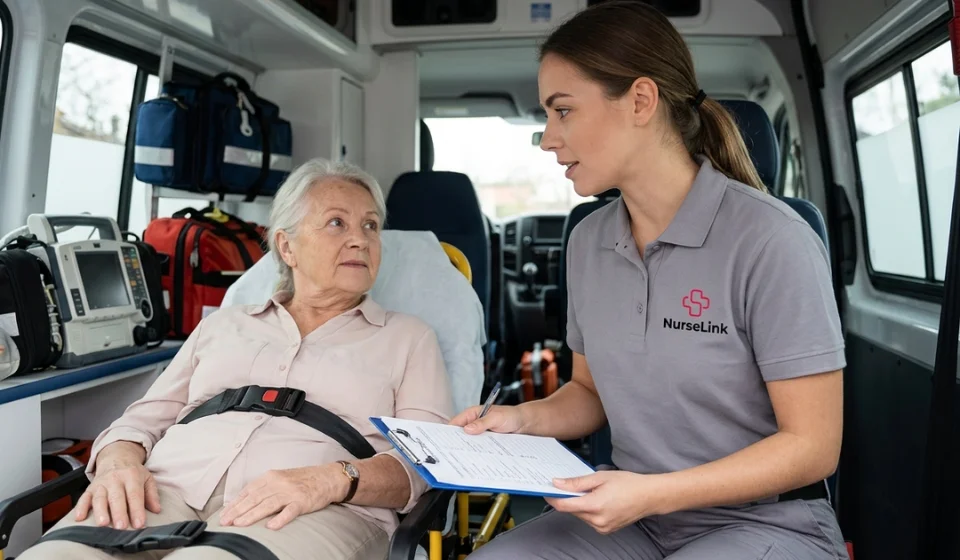
- Presence of trained medical staff such as nurses or paramedics.
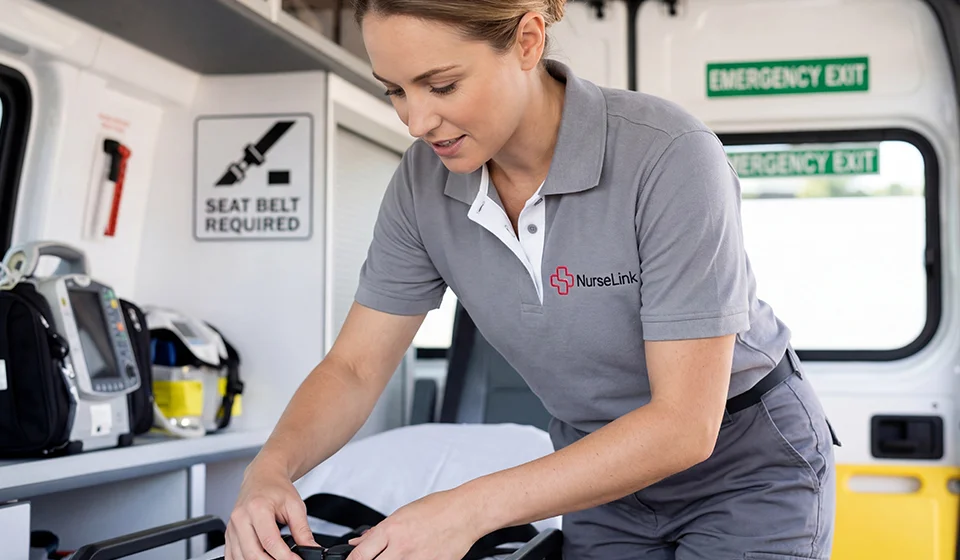
- Use of advanced equipment including stretchers, oxygen, and monitoring devices.
- Adherence to standardised safety and infection control protocols.
- Real-time monitoring to detect and respond to health changes.
- Coordinated communication between healthcare providers and caregivers.
By integrating these elements, professional services provide a safer alternative and support better patient outcomes.
Choosing Safe & Reliable Patient Transport Services
Selecting the right provider involves understanding the types of patient transport services available and evaluating their ability to deliver safe, high-quality care. Look for providers with certified and experienced staff, well-equipped vehicles, and clear protocols for emergency response. Assess their reputation, communication practices, and commitment to patient-centred care. NurseLink Healthcare prioritises safety, dignity, and continuity of care, ensuring that patients are supported throughout every stage of their journey.