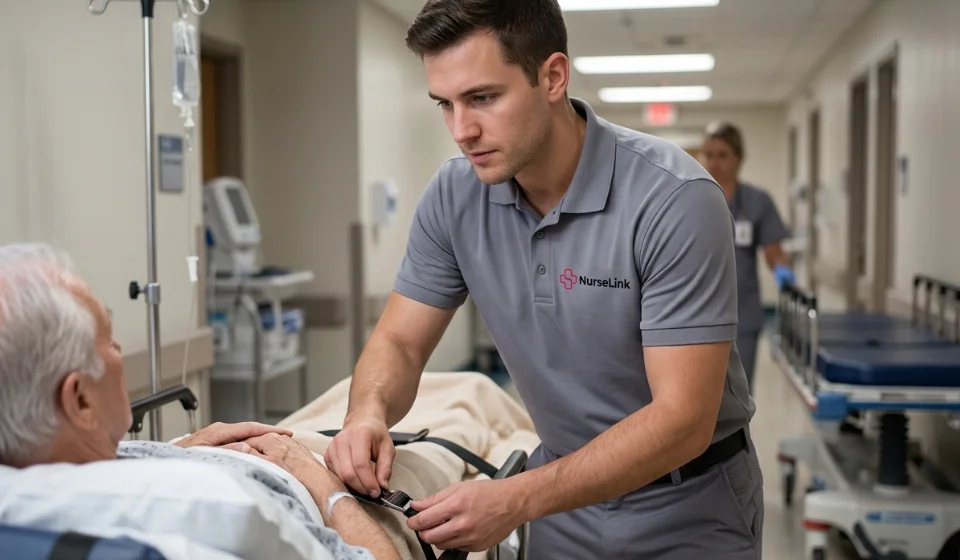
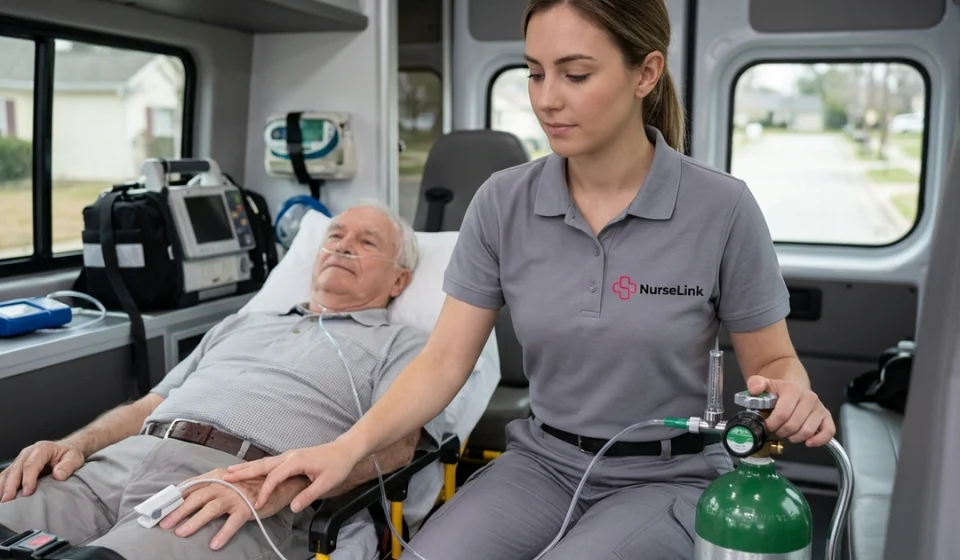
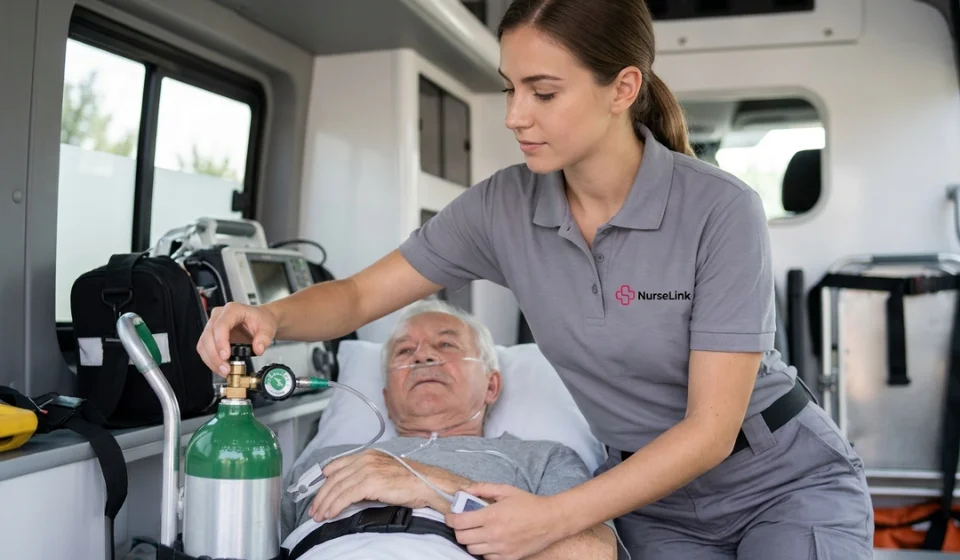
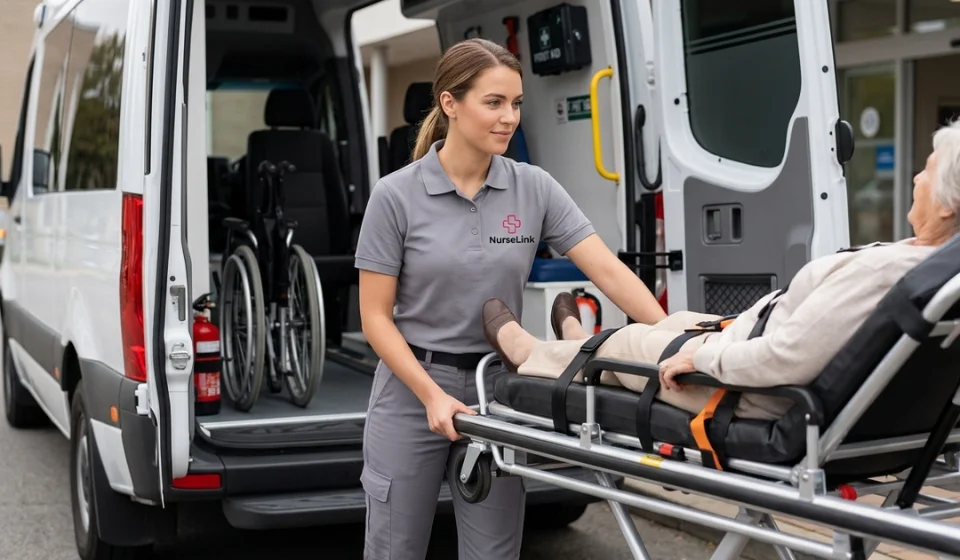
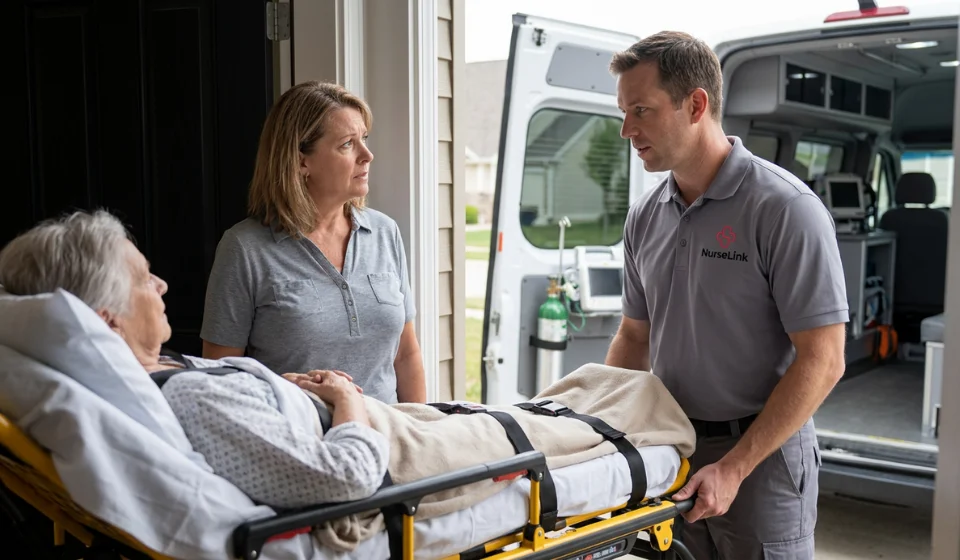
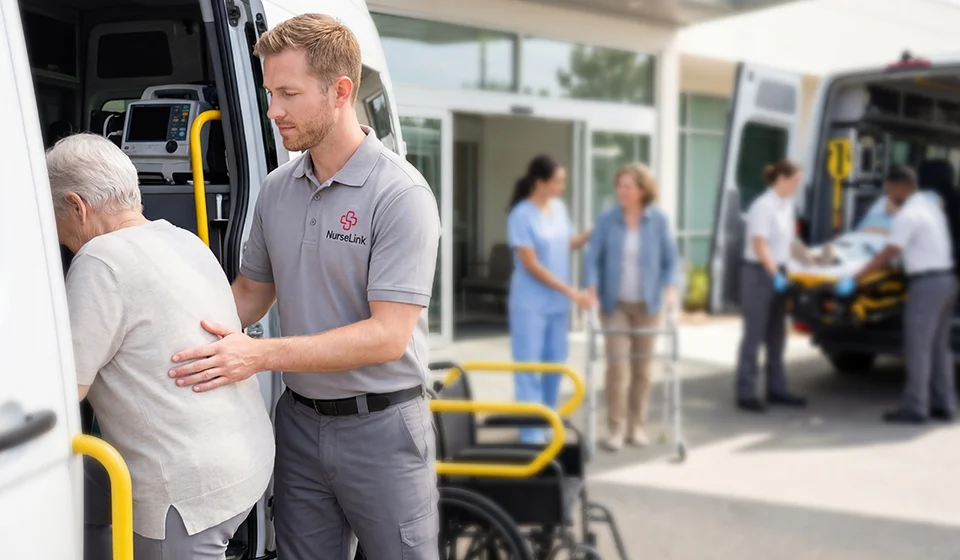
Non-emergency patient transport (NEPT) plays a vital role within the broader spectrum of healthcare logistics, particularly for patients who require low to moderate acuity support during transit. It is designed for planned, non-urgent, and medically appropriate transfers where emergency intervention is not required. Understanding when to use non-emergency patient transport can significantly improve patient outcomes by ensuring safety, comfort, and continuity of care.
Unlike emergency ambulance services, which are designed for high-risk or life-threatening situations, NEPT focuses on patients who are stable but still need assistance, supervision, or specialised equipment. This distinction is important not only for patient safety but also for efficient use of healthcare resources. By choosing NEPT in appropriate scenarios, healthcare providers can ensure that emergency services remain available for critical cases, while patients receive transport that is tailored to their specific needs. In addition, NEPT services prioritise comfort and reliability, which can make a meaningful difference in a patient’s overall healthcare experience.
Understanding NEPT In A Clinical Context
From a clinical perspective, NEPT is best suited for patients who are medically stable but still require assistance, supervision, or specialised equipment during transport. Determining who needs non-emergency patient transport involves a careful assessment of patient stability, mobility, and any underlying risks that may arise during transit.
Healthcare professionals often consider factors such as vital signs, cognitive status, mobility limitations, and the likelihood of deterioration when deciding on the appropriate transport method. NEPT provides a balanced solution where patients receive the support they need without the intensity of emergency care. This ensures that transport decisions are both clinically appropriate and resource-efficient, supporting better outcomes across the healthcare system.
Clinically Stable Patients Who Still Require Supervised Transport
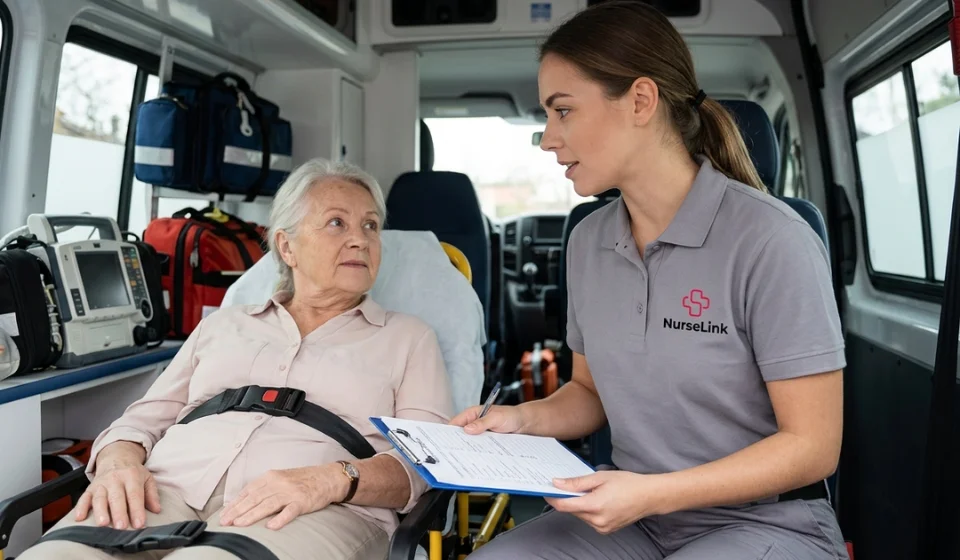
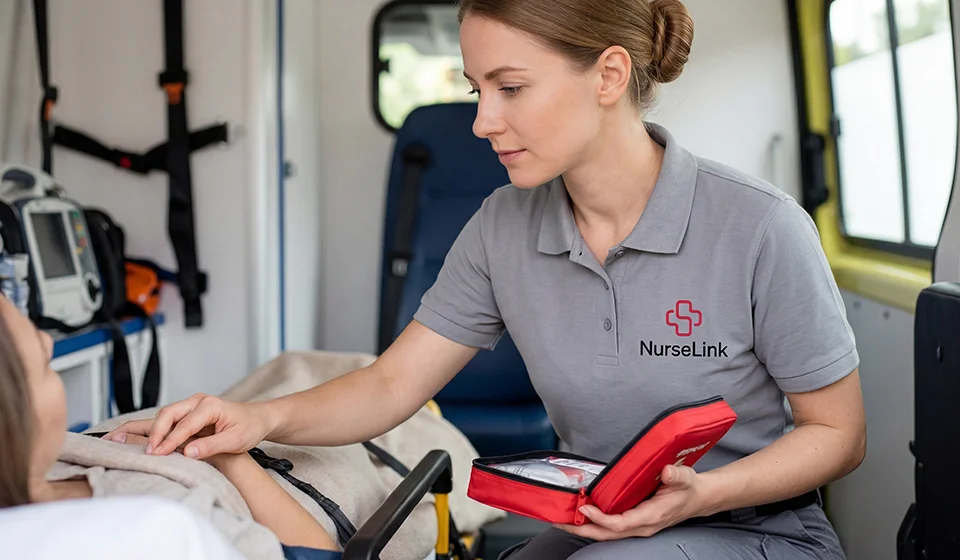
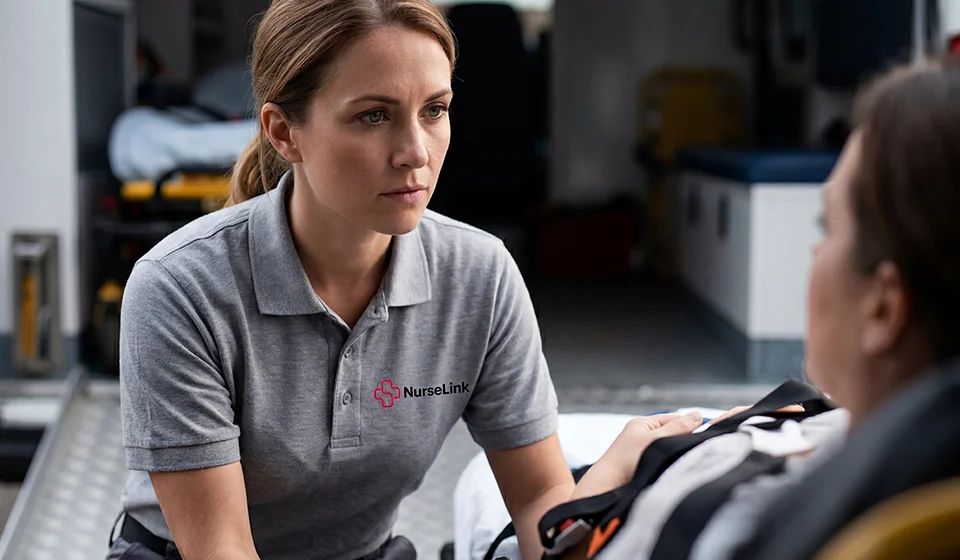
Many patients are clinically stable but cannot safely travel without assistance. These individuals may not require urgent medical intervention, yet they still benefit from trained personnel who can monitor their condition during transit. This is one of the most common situations requiring NEPT services, particularly during recovery or ongoing care.
For example, a patient discharged after a minor surgical procedure may appear stable but could still experience fatigue, discomfort, or mild complications during travel. Similarly, elderly patients may have stable conditions but require supervision to ensure they remain safe and comfortable throughout the journey. Having trained staff present provides reassurance and allows for immediate response if any concerns arise.
- Post-procedure patients requiring observation after day surgeries
- Frail elderly individuals who need support with positioning and comfort
- Patients using low-flow oxygen or managing mild respiratory conditions
- Individuals prone to dizziness, fatigue, or general weakness
- Patients needing basic monitoring of vital signs during transit
In these scenarios, NEPT ensures that patients are not left to manage their journey alone, reducing the risk of complications and improving overall safety.
When Mobility, Not Medical Urgency, Is The Primary Barrier
In many cases, the need for NEPT arises from physical limitations rather than medical urgency. Patients may be unable to use standard transport due to reduced mobility, making specialised assistance essential. These nept use cases highlight the importance of proper equipment and trained handling techniques.
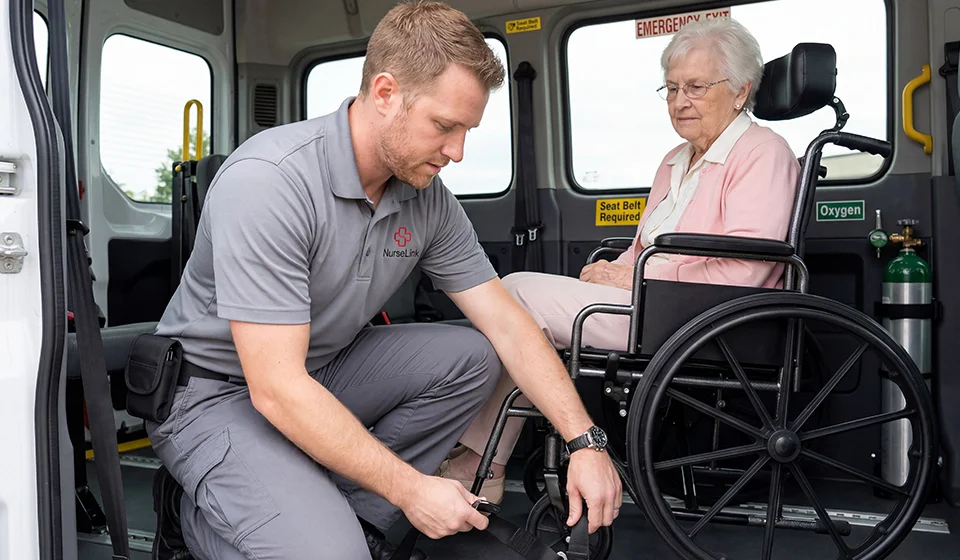
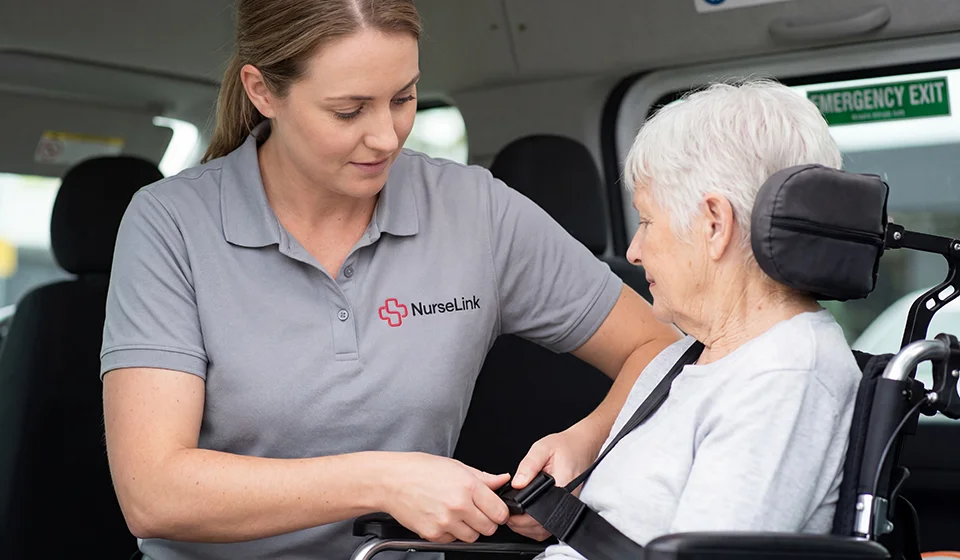
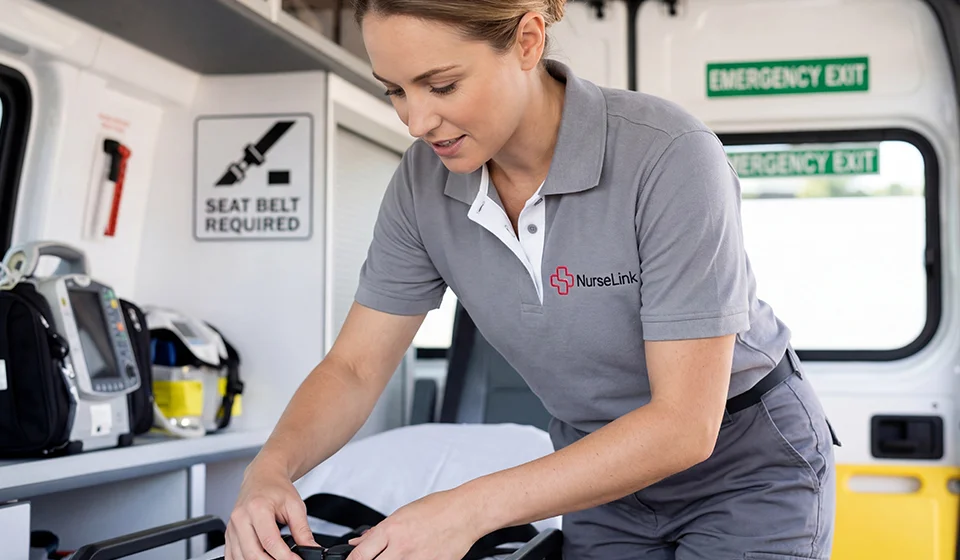
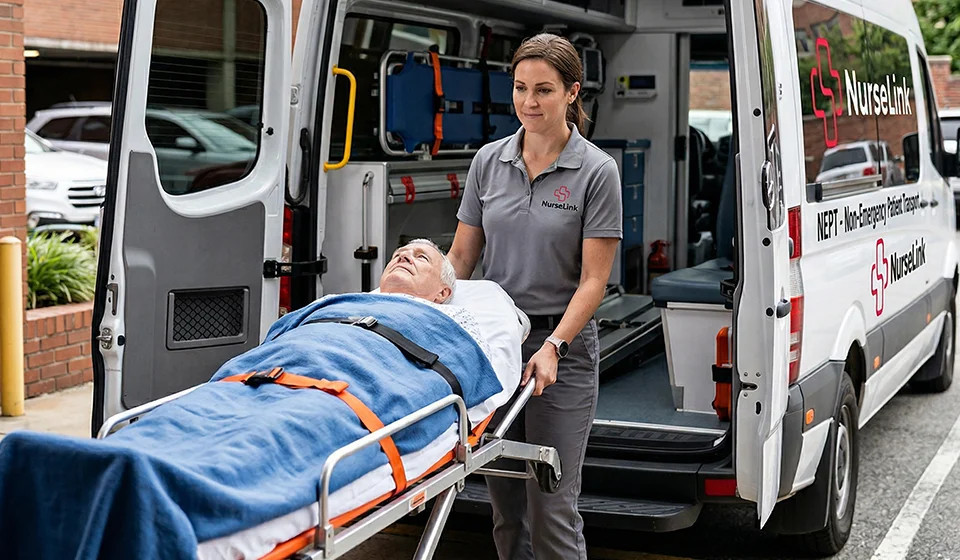
Mobility challenges can result from surgery, injury, disability, or age-related conditions. Without appropriate support, even short journeys can become difficult or unsafe. NEPT teams are trained to manage these challenges using equipment such as stretchers, wheelchairs, and lifting aids, ensuring smooth and secure transfers.
- Wheelchair or stretcher-dependent patients unable to travel independently
- Individuals recovering from orthopaedic procedures with movement restrictions
- Patients with a high risk of falls or balance-related concerns
- Those requiring assistance entering and exiting vehicles safely
- Situations where improper handling could lead to injury or complications
By addressing mobility barriers effectively, NEPT helps maintain patient dignity and reduces the physical strain associated with travel.
Planned, Repeat Journeys: Dialysis, Oncology, & Rehabilitation Transfers
Patients undergoing ongoing treatments often require regular and reliable transport services. Dialysis, chemotherapy, and rehabilitation programs typically involve frequent appointments, making consistency and punctuality essential. These are some of the most common reasons to use non-emergency patient transport.
Regular travel can be physically demanding, particularly for patients already dealing with fatigue or treatment side effects. NEPT services provide a structured and supportive environment, helping patients conserve energy and reduce stress. Familiarity with transport routines can also improve comfort and reduce anxiety over time.
In addition, coordinated transport ensures that patients arrive on time for critical treatments, avoiding disruptions to their care plans. This reliability plays a key role in supporting long-term health outcomes.
Discharges That Require Continuity Of Care-Not Emergency Response
Hospital discharge is a critical transition point where patients may no longer need acute medical care but still require assistance during transport. NEPT provides a safe and appropriate solution for these situations, ensuring patients can move from hospital to home or another care setting without unnecessary risk.
During discharge, patients may still be recovering, managing medications, or adjusting to new care routines. NEPT allows for a smoother transition by providing support tailored to these needs. Transport staff can assist with mobility, ensure patient comfort, and help maintain stability throughout the journey.
Using NEPT in these cases also prevents unnecessary reliance on emergency ambulance services, allowing those resources to remain focused on urgent and life-threatening situations.
Inter-Facility Transfers With Minimal Clinical Risk
Healthcare systems often require patients to move between facilities for non-urgent reasons such as diagnostic imaging, specialist consultations, or follow-up care. While these transfers involve minimal clinical risk, they still require proper coordination and supervision.
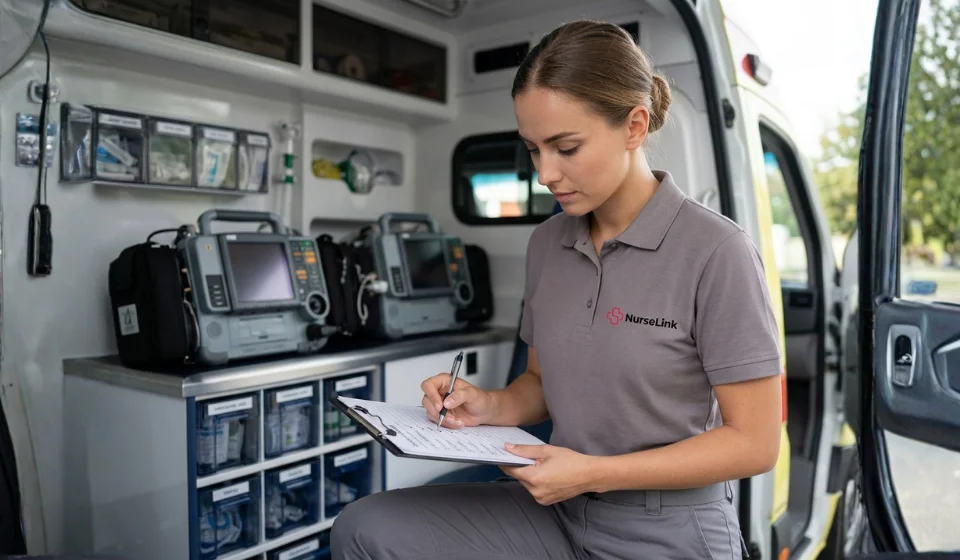
NEPT ensures that these journeys are managed efficiently, with a focus on safety and continuity of care. Clear communication between facilities, along with accurate documentation, helps ensure that patient information is transferred correctly and that care remains consistent.
These transfers also support timely access to services, reducing delays and improving overall patient outcomes.
Situations Where Clinical Monitoring Is Precautionary, Not Critical
Some patients require monitoring during transport as a precaution rather than due to immediate risk. These individuals may be stable but benefit from observation to ensure their condition remains consistent throughout the journey.
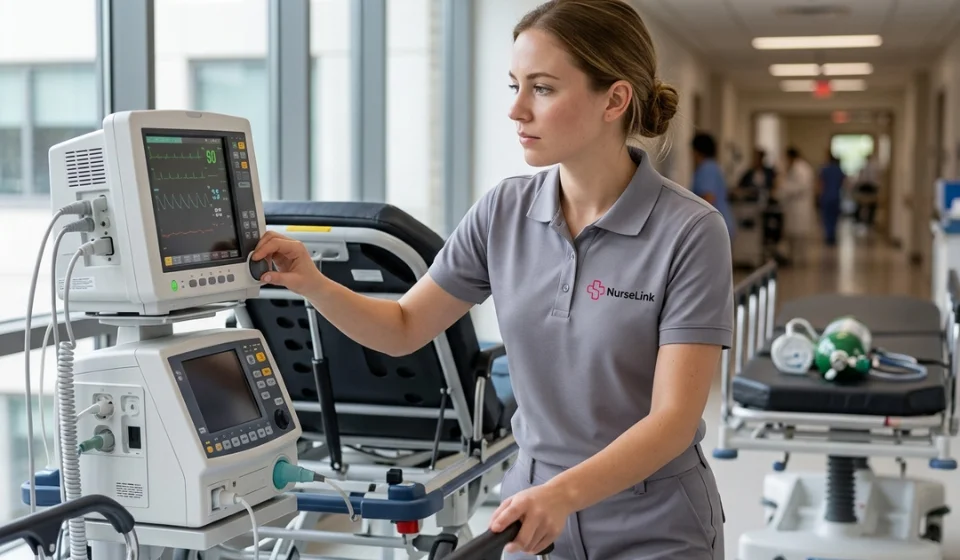
Monitoring may include checking vital signs, oxygen saturation, and general wellbeing. This proactive approach allows transport staff to detect early signs of deterioration and respond quickly if needed.
By providing this level of care without escalating to emergency transport, NEPT strikes a balance between safety and efficiency. It ensures that patients receive appropriate support while avoiding unnecessary use of high-acuity resources.
Key Takeaways
Non-emergency patient transport is best suited for individuals who are medically stable but require assistance, supervision, or specialised support during travel. A thorough clinical assessment is essential to determine the most appropriate transport option, ensuring patient safety and comfort at every stage. By recognising common situations requiring NEPT services, patients, families, and healthcare providers can make informed decisions that improve outcomes and overall experience. Choosing NEPT enhances efficiency, supports continuity of care, and ensures that emergency resources are reserved for those who need them most.