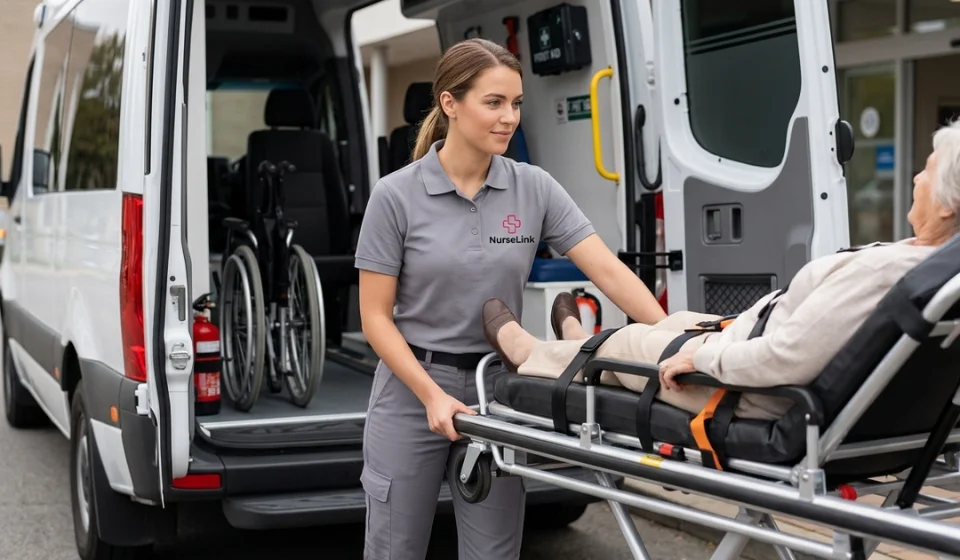
Choosing the correct transport option for a patient is a critical clinical decision that directly impacts safety, outcomes, and the efficient use of healthcare resources. Understanding the differences in NEPT vs high acuity transport helps ensure that patients receive the appropriate level of care during transit. Selecting the wrong option can lead to unnecessary risks or strain on emergency services. This guide is designed to support healthcare professionals, coordinators, and carers in making informed decisions based on patient acuity, clinical needs, and risk assessment.
Understanding Patient Acuity & Transport Categories
Patient acuity refers to the severity of a patient’s condition and the level of care they require. In the context of transport, acuity helps determine whether a patient can safely travel with minimal support or requires advanced clinical intervention during transit. Low-acuity patients are generally stable, while high-acuity patients may have complex or unstable conditions that demand closer monitoring.
Transport categories are directly influenced by these acuity levels. Non-emergency patient transport (NEPT) is designed for stable patients, while high acuity or emergency transport is reserved for those at greater risk. Applying patient transport triage guidelines ensures that each patient is matched with the appropriate level of care.
- Define low, moderate, and high patient acuity levels.
- Understand how acuity determines transport requirements.
- Recognise differences between NEPT and emergency transport.
- Identify appropriate use cases for each transport type.
- Match patient condition to the correct transport category
Defining Non-Emergency Patient Transport (NEPT) vs. High Acuity Transport
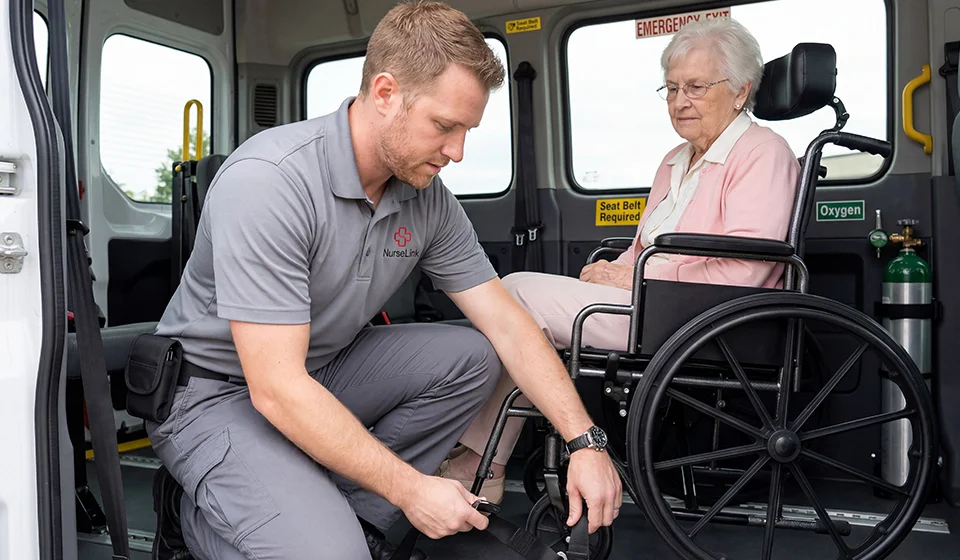
Non-emergency patient transport is suitable for individuals who are medically stable and have a low risk of deterioration. These patients may still require assistance with mobility, supervision, or basic monitoring, but they do not need advanced clinical intervention. Understanding when to use non emergency patient transport is essential for ensuring patient safety without over-utilising emergency services.
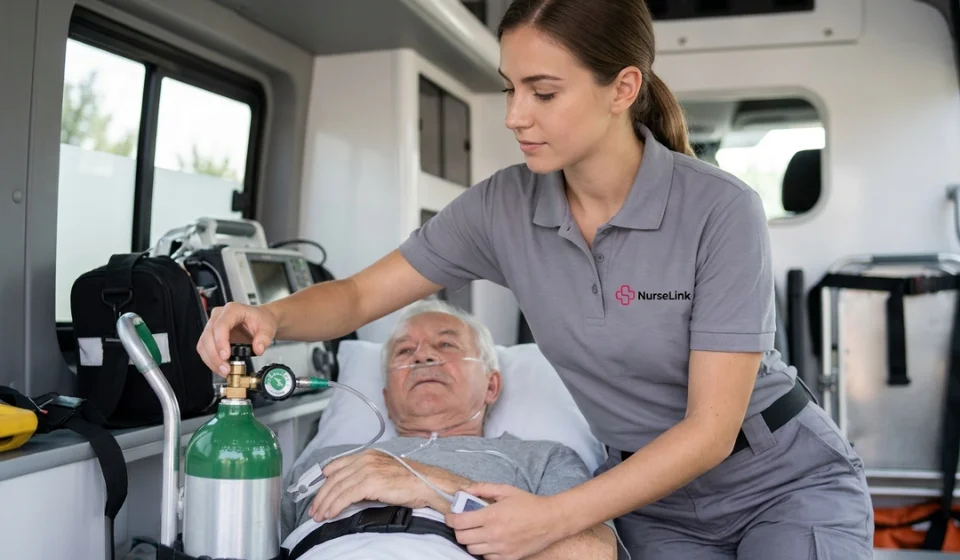
High acuity transport, on the other hand, is intended for patients who are unstable or at risk of rapid deterioration. These cases require trained clinical staff, specialised equipment, and continuous monitoring. Comparing high acuity vs low acuity patient transport highlights the importance of selecting the correct level of care.
- NEPT for stable patients requiring minimal intervention.
- High acuity transport for patients needing advanced clinical support.
- Differences in staffing levels and qualifications.
- Variation in equipment and monitoring capabilities.
- Clinical appropriateness as the key decision factor.
Key Clinical Factors That Influence Transport Decisions
Making the right transport decision requires a structured clinical assessment. This involves evaluating the patient’s condition, identifying potential risks, and determining the level of support needed during transit. Following non emergency vs emergency transport guidelines ensures that decisions are both safe and consistent.
Healthcare professionals play a key role in this process, using their expertise to assess patient needs and recommend the most appropriate transport option. Incorrect decisions can compromise patient safety or lead to inefficient use of resources, making careful evaluation essential.
- Conduct a thorough clinical assessment before booking transport.
- Consider patient’s condition, risks, and support requirements.
- Involve healthcare professionals in decision-making.
- Evaluate potential for deterioration during transit.
- Ensure alignment with clinical guidelines and protocols.
Patient Stability & Risk Of Deterioration
Assessing patient stability is one of the most important steps in determining the appropriate transport method. Stable patients with consistent vital signs are generally suitable for NEPT, while those with fluctuating or unstable conditions may require high acuity transport.
Understanding the risk of deterioration during transit helps guide decision-making. Patients who have recently experienced acute events or show signs of instability should be carefully evaluated to ensure they can safely tolerate the journey.
Required Level Of Clinical Monitoring & Intervention
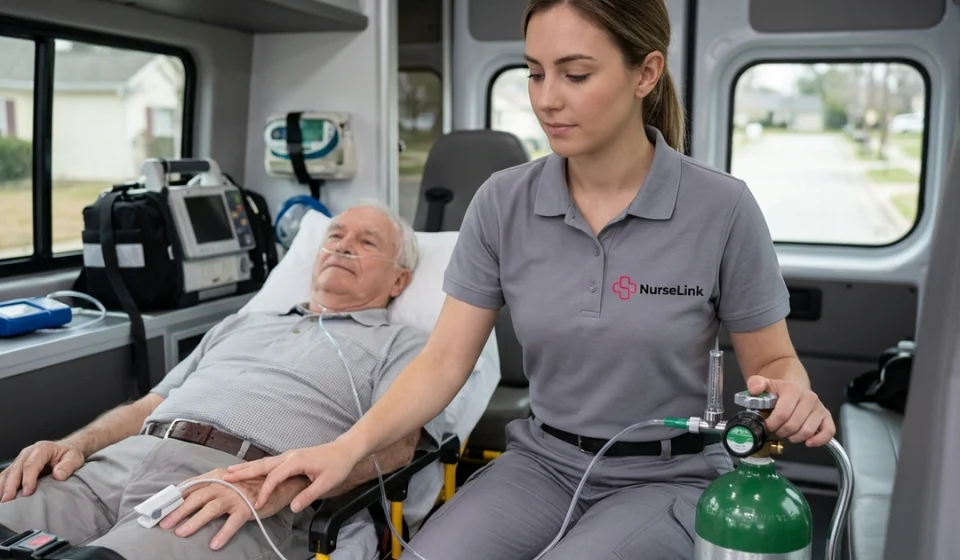
The level of monitoring required during transport is another key factor. Some patients may only need occasional observation, while others require continuous monitoring of vital signs or oxygen levels. This determines whether NEPT or a higher level of care is necessary.
Matching staffing and equipment to the patient’s needs ensures that any changes in condition can be managed effectively. This is particularly important for patients with respiratory or cardiac concerns.
Mobility, Cognitive Status, & Support Needs
Mobility and cognitive status also play a significant role in transport decisions. Patients who are unable to move independently or who experience confusion or anxiety may require additional support during transit.
Ensuring safe handling, proper positioning, and appropriate supervision helps maintain patient comfort and reduces the risk of complications. These considerations are essential for delivering patient-centred care.
Risks Of Choosing The Wrong Transport Type
Selecting the wrong transport option can have serious consequences for both patients and the healthcare system. Under-triage, where a patient receives insufficient care, can lead to deterioration during transit. This increases the risk of complications and may require emergency intervention.
Over-triage, on the other hand, involves using high-acuity resources for patients who do not need them. This can strain emergency services and delay care for those in critical need. Understanding the balance between these risks is essential for effective decision-making.
Incorrect transport choices can also lead to delays in treatment, disruptions in continuity of care, and increased stress for patients and carers. Ensuring the right decision is made from the outset helps improve overall outcomes and system efficiency.
Key Takeaways
Transport decisions should always be based on a thorough clinical assessment and tailored to the individual patient. NEPT is appropriate for stable patients with low risk, while high acuity transport is essential for those requiring advanced care. By understanding NEPT vs high acuity transport, healthcare professionals and carers can make informed decisions that prioritise safety, efficiency, and continuity of care. Choosing the right transport option not only improves patient outcomes but also supports the effective use of healthcare resources.