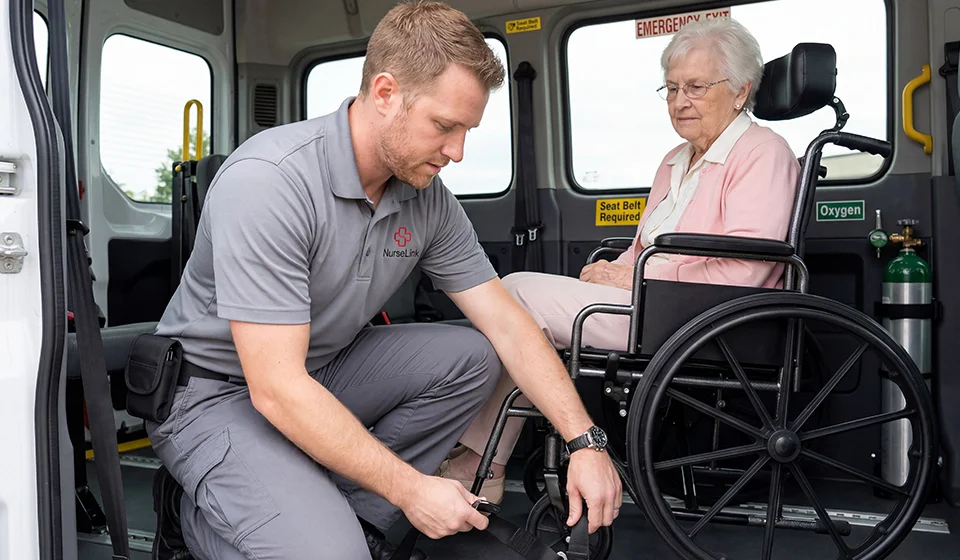
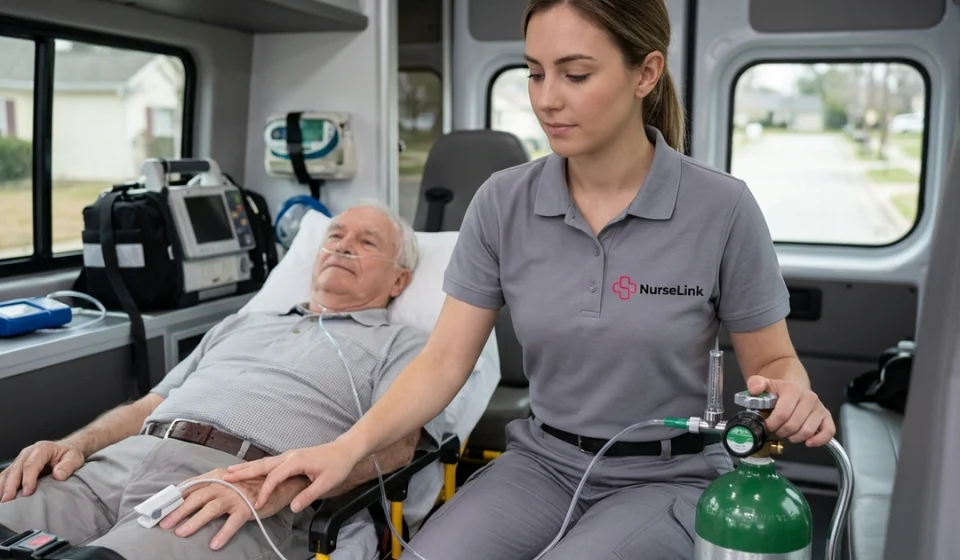
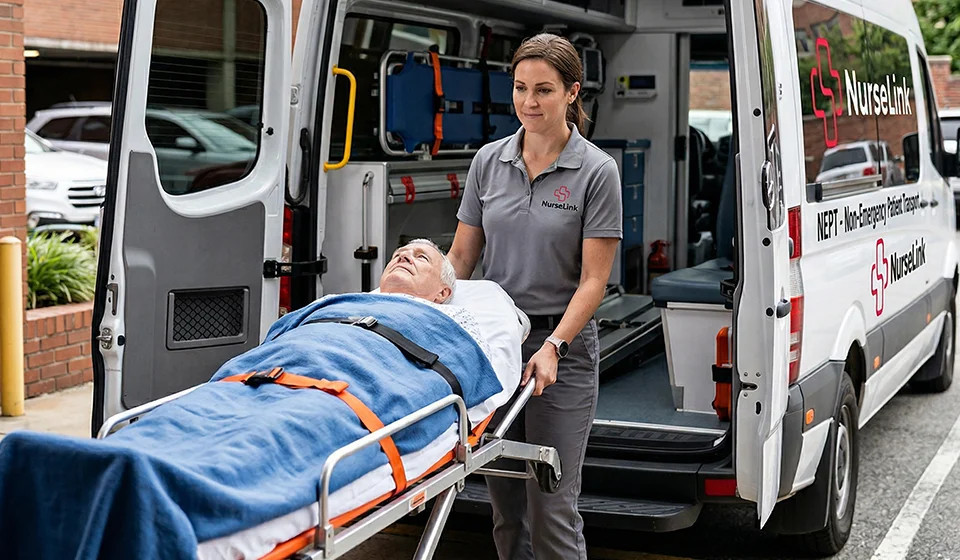
Non-emergency patient transport (NEPT) sits within the healthcare transport spectrum as a low to moderate acuity service, designed for patients who are medically stable but still require assistance during transit. It plays a crucial role in planned, non-urgent transfers where safety, comfort, and continuity of care are essential. Understanding how to arrange medical transport correctly ensures patients receive the right level of support without unnecessary delays or risks. This process is commonly managed by patients, families, discharge planners, and care coordinators, all of whom rely on a structured approach to ensure efficient and clinically appropriate transport.
Understanding Non-Emergency Patient Transport (NEPT) & When It Applies
Non-emergency patient transport is intended for individuals who do not require urgent medical intervention but still need supervised or assisted travel. It is most appropriate for patients who are clinically stable, have a low risk of deterioration, and require support due to mobility, medical, or logistical reasons.
Unlike emergency or high-acuity transport, which is reserved for critical and time-sensitive situations, NEPT focuses on planned journeys where timing, preparation, and coordination are key. Making the right clinical decision before booking is essential, as it ensures patients are transported safely while also preserving emergency resources for those in immediate need.
Step 1: Confirming Patient Eligibility & Clinical Requirements
The first step in booking a non-emergency patient transfer is to assess whether the patient is clinically suitable for NEPT. This involves evaluating their overall stability, including vital signs, medical condition, and any risk factors that could impact their safety during transit.
It is also important to identify whether the patient requires supervision, mobility assistance, or specific medical support such as oxygen. In some cases, consulting with healthcare professionals such as doctors or nurses can help determine whether NEPT is appropriate or if a higher level of care is required.
Step 2: Identifying The Appropriate Level Of Transport & Support
Once eligibility is confirmed, the next step is to determine the most suitable type of transport based on the patient’s needs. This ensures that the journey is both safe and comfortable, while also aligning with clinical requirements.
Choosing the correct transport type involves considering mobility limitations, required equipment, and the level of supervision needed during the journey. This step is essential in avoiding complications and ensuring a smooth transfer.
- Wheelchair, stretcher, or assisted seating options depending on mobility.
- Matching transport type to the patient’s physical and clinical condition.
- Determining whether basic support or clinical supervision is required.
- Assessing the need for equipment such as oxygen or lifting aids.
- Ensuring overall comfort and safety throughout the journey.
Step 3: Gathering Essential Medical & Logistical Information
Accurate and complete information is critical when arranging patient transport. This step ensures that the transport provider is fully prepared to meet the patient’s needs and avoid any delays or misunderstandings.
Collecting both medical and logistical details helps streamline the booking process and ensures that all parties involved are aligned. This is particularly important when learning how to arrange hospital transport efficiently.
- Patient condition, mobility status, and any special requirements.
- Pickup and drop-off locations, including hospitals or care facilities.
- Appointment times and scheduling considerations.
- Relevant medical documents such as discharge summaries or care plans.
- Emergency contacts and caregiver details.
Step 4: Coordinating With Healthcare Providers & Care Teams
Effective communication between healthcare providers and transport services is essential for a successful transfer. This includes coordinating with doctors, nurses, and discharge planners to ensure that all aspects of the patient’s care are considered.
Aligning transport timing with treatment schedules or discharge plans helps prevent delays and ensures a seamless transition between care settings. Proper documentation and clear instructions should also be shared to maintain continuity of care.
Step 5: Booking With A Qualified & Compliant Transport Provider
Choosing the right transport provider is a critical part of the process. Not all services offer the same level of care, so it is important to select a provider that meets clinical and safety standards.
A reliable provider will have trained staff, appropriate certifications, and the necessary equipment to handle a range of patient needs. This ensures that patients are supported throughout the journey and that risks are minimised.
- Select providers with trained and experienced transport staff.
- Ensure compliance with healthcare and safety regulations.
- Confirm availability and response times.
- Review services offered, including equipment and monitoring.
- Clearly communicate patient needs during the booking process.
Step 6: Preparing The Patient For Safe & Comfortable Transfer
Preparation plays a key role in ensuring a smooth and stress-free transport experience. Patients should be physically and mentally ready for the journey, with all necessary arrangements in place beforehand.
This includes ensuring that medications are taken as prescribed, mobility aids are ready, and the patient understands what to expect during transport. Proper preparation helps reduce anxiety and improves overall comfort.
- Ensure the patient is well-rested, hydrated, and medically prepared.
- Dress the patient in comfortable and appropriate clothing.
- Secure mobility aids and medical devices.
- Explain the transport process to the patient.
- Involve caregivers or family members where necessary.
Step 7: Day-Of-Transport Protocols & What To Expect
On the day of transport, final checks and coordination ensure that everything proceeds as planned. This includes confirming booking details, assessing the patient’s condition, and preparing for safe transfer into the vehicle.
During transit, trained staff monitor the patient and provide support as needed. Upon arrival, a proper handover ensures that the receiving party is fully informed, maintaining continuity of care.
- Confirm transport time and booking details.
- Conduct a final assessment of the patient’s readiness.
- Use safe handling techniques during transfer.
- Monitor the patient throughout the journey.
- Complete a thorough handover at the destination.
Key Takeaways
Booking a non-emergency patient transfer requires careful planning, clinical awareness, and effective coordination. Understanding how to arrange transport to hospital or other care settings ensures that patients receive the right level of support while maintaining safety and comfort. By selecting the appropriate transport type, working closely with healthcare providers, and preparing thoroughly, patients and caregivers can avoid unnecessary complications. Ultimately, choosing a qualified transport provider plays a key role in delivering reliable, high-quality care throughout the journey.