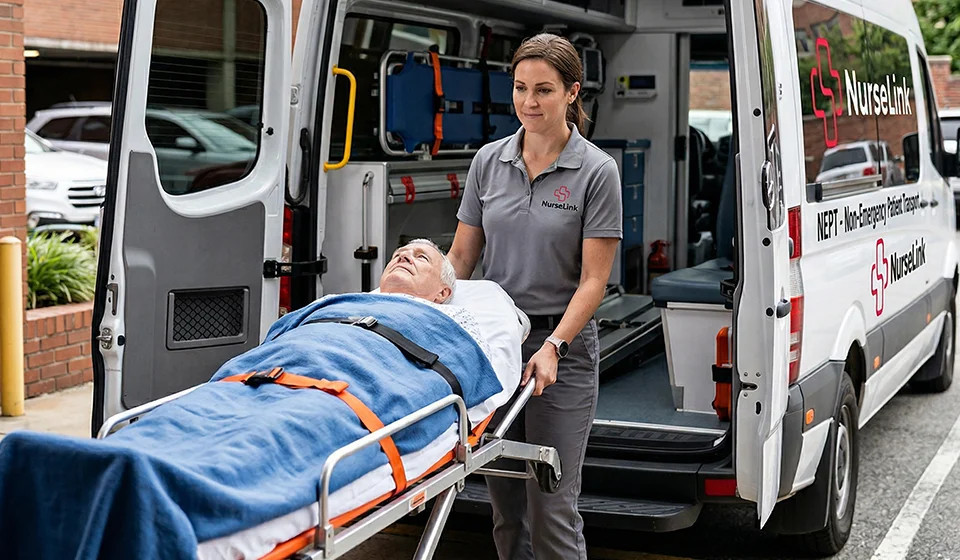
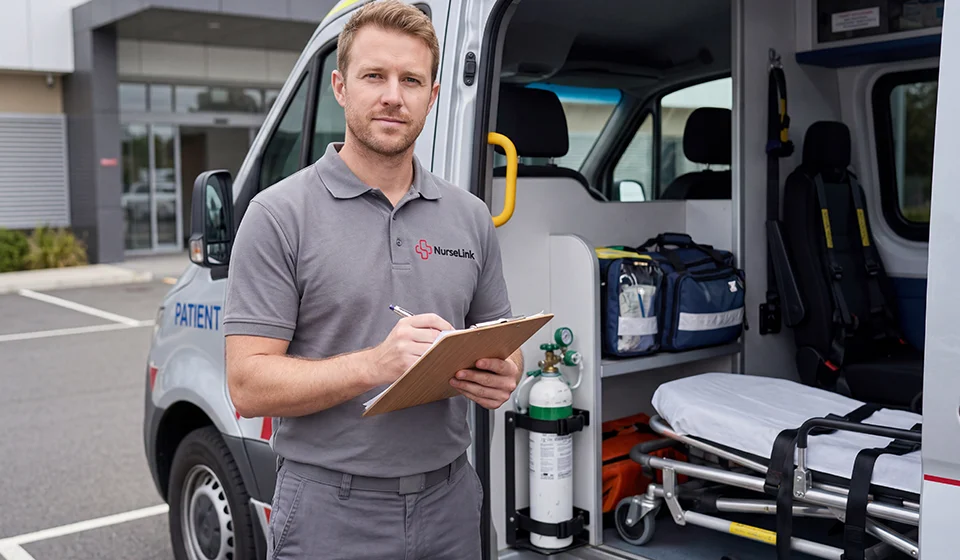
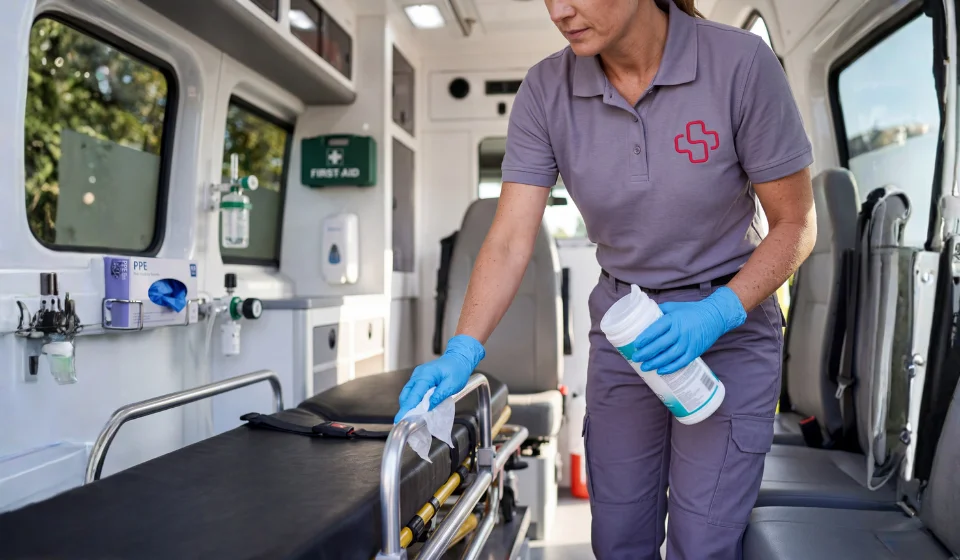
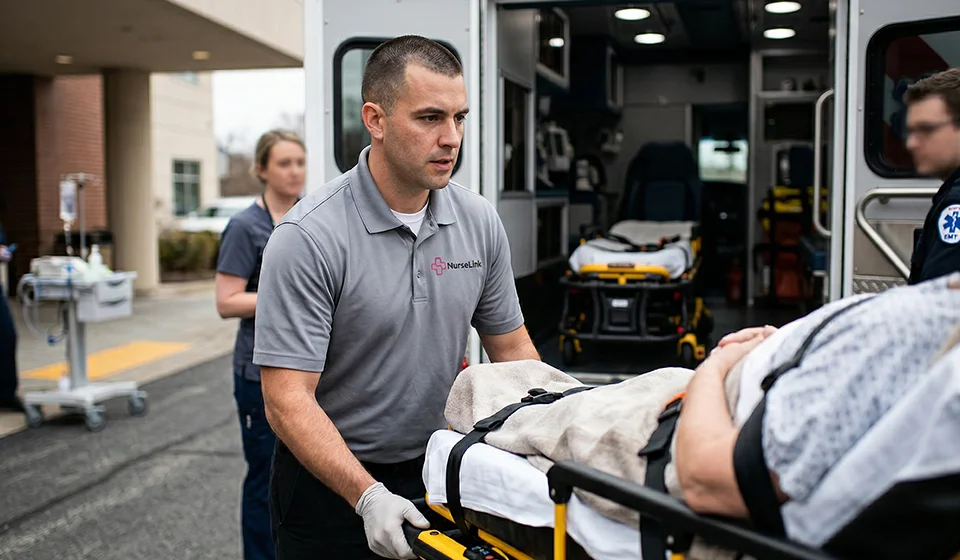
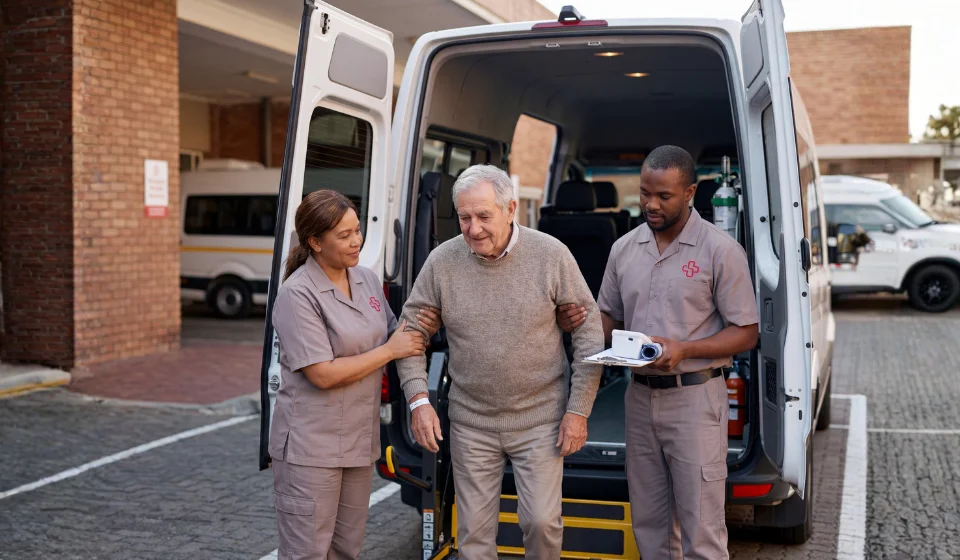
Non-emergency patient transport plays a vital role in modern healthcare by enabling individuals to safely travel between homes, hospitals, clinics, and care facilities. These services are commonly used by older adults, people living with disabilities, and patients requiring assistance after hospital discharge. While these journeys are not classified as emergencies, they still require a high level of safety, clinical awareness, and preparedness to manage potential risks.
During transport, patients may experience discomfort, deterioration, or unexpected medical events. This is where first aid becomes essential. Having a clear understanding of first aid basics allows transport providers to respond quickly and appropriately, ensuring patient safety throughout the journey. With the increasing demand for assisted transport services across Australia, particularly in aged care and disability sectors, the ability to recognise risks and apply timely first aid measures is critical. Understanding how first aid fits into patient transport helps improve outcomes and provides reassurance to both patients and families.
Understanding First Aid In Patient Transport
First aid in a patient transport setting refers to the immediate care provided to a person who becomes unwell or injured during transit. It focuses on stabilising the individual, monitoring their condition, and ensuring comfort until further medical assistance is available if needed. Unlike emergency response scenarios, non-emergency transport requires preparedness rather than rapid intervention, with an emphasis on prevention and early recognition of issues.
Transport staff are often the first to notice subtle changes in a patient’s condition. Their role involves applying appropriate first aid procedures while maintaining a calm and controlled environment. There is also a clear duty of care, meaning providers are responsible for ensuring the safety and wellbeing of individuals throughout the journey. Timely intervention, even at a basic level, can prevent complications and reduce the likelihood of escalation.
Key aspects of first aid in transport include:
- Providing immediate support before advanced medical care is available.
- Monitoring patient condition and responding to early warning signs.
- Maintaining comfort and safety during transit.
- Understanding legal responsibilities and duty of care.
- Applying appropriate first aid guidelines to prevent deterioration.
Common Situations That May Require First Aid
Even in planned and non-emergency transport, unexpected situations can arise. Patients may experience sudden changes in their health due to underlying conditions, stress, or movement during transit. Recognising these scenarios early allows providers to act promptly and apply basic first aid steps to manage the situation effectively.
Some individuals are particularly vulnerable during transport, including those with chronic illnesses, mobility limitations, or cognitive impairments. Factors such as fatigue, dehydration, or anxiety can further increase the risk of complications. Being prepared for common situations ensures that transport providers can deliver safe and responsive care.
Common scenarios include:
- Sudden shortness of breath or chest discomfort.
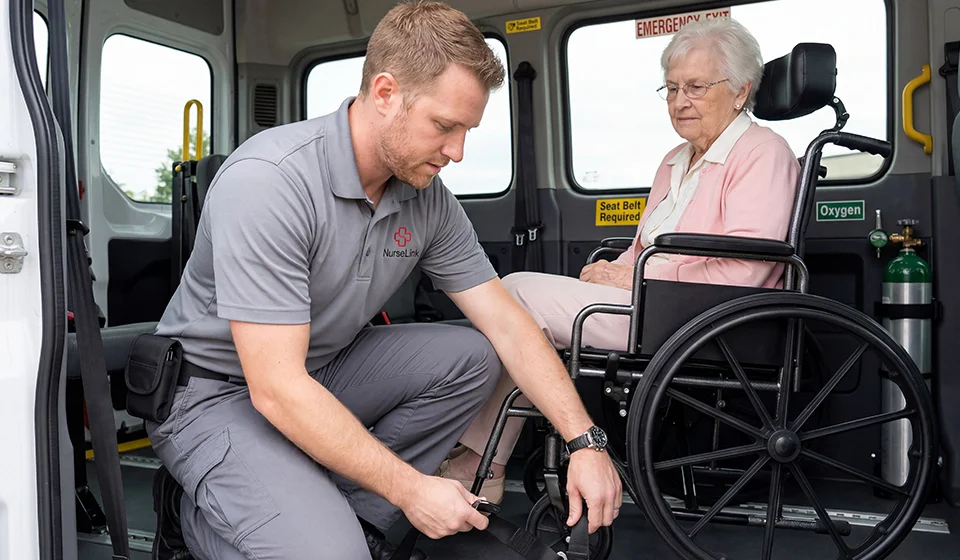
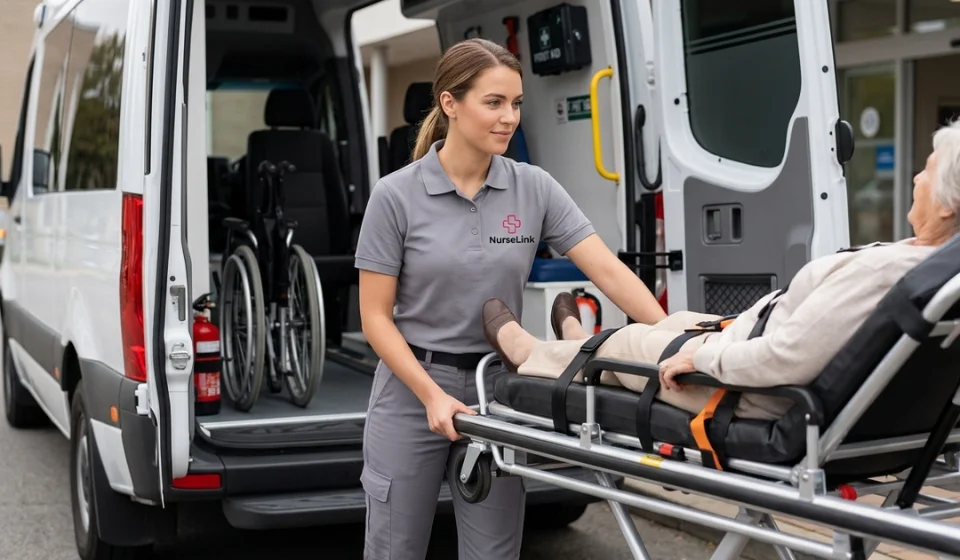
- Falls or injuries during loading or unloading.
- Seizures or episodes of altered consciousness.
- Diabetic emergencies such as low or high blood sugar.
- Nausea, vomiting, or dehydration during travel.
In addition to these, patients may experience anxiety or panic, particularly if they are unfamiliar with the transport process. Pre-existing conditions may also worsen due to the physical and emotional stress of travel, reinforcing the need for strong first aid techniques and awareness.
Basic First Aid Skills Every Transport Provider Should Know
A solid understanding of first aid basics is essential for anyone involved in patient transport. These skills enable providers to respond effectively to a wide range of situations while maintaining patient safety. Importantly, first aid is not about replacing professional medical care but about providing immediate and appropriate support until further assistance is available.
Transport providers should be trained to follow structured approaches, ensuring that care is delivered consistently and safely. Clear communication, calm behaviour, and adherence to recognised first aid guidelines are just as important as technical skills.
Core skills include:
- Performing cardiopulmonary resuscitation when required.
- Managing airway, breathing, and circulation using the ABC approach.
- Controlling bleeding and providing basic wound care.
- Positioning patients safely to prevent complications.
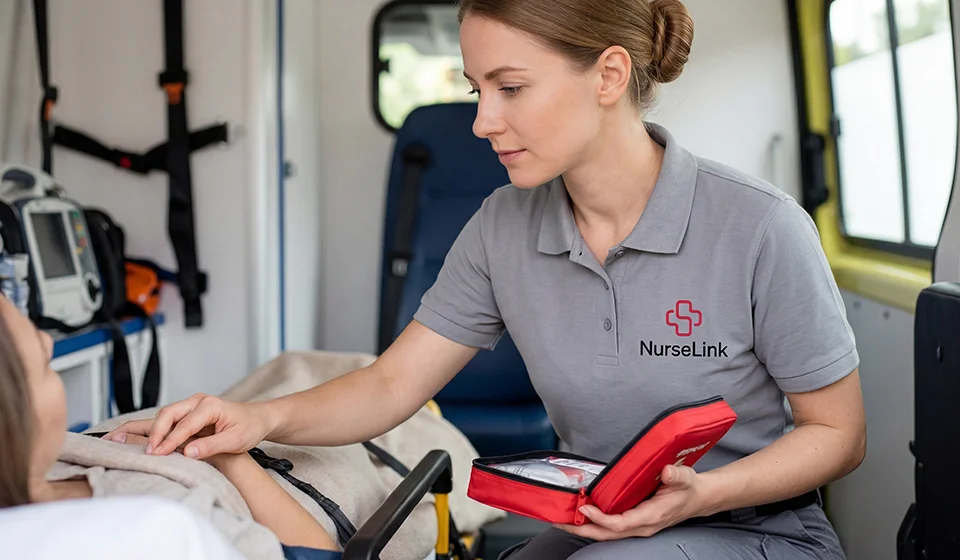
- Using first aid kits and maintaining hygiene standards.
In addition, effective communication plays a crucial role. Reassuring patients, explaining actions, and accurately reporting incidents are all part of delivering high-quality care. These first aid safety tips contribute to a safer and more supportive transport experience.
Monitoring Patients During Transport
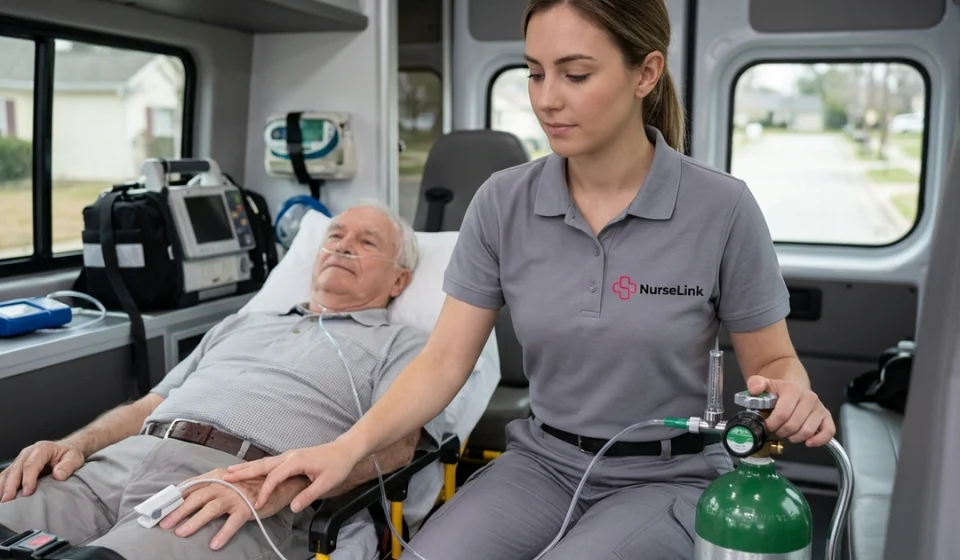
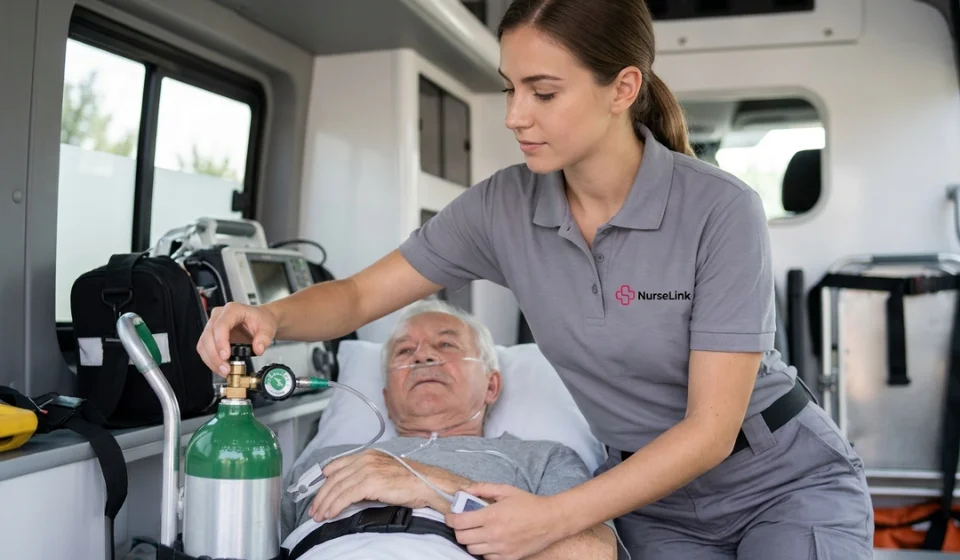
Continuous monitoring is a fundamental component of safe patient transport. Even when a journey appears routine, a patient’s condition can change quickly. Observing breathing patterns, responsiveness, and overall comfort provides valuable insight into their health status during transit.
Basic monitoring may involve checking pulse, observing skin colour, and noting any changes in behaviour or alertness. These observations help identify early signs of deterioration, allowing for timely intervention. In some cases, transport providers may use simple monitoring tools to support their assessment, depending on the level of care being delivered.
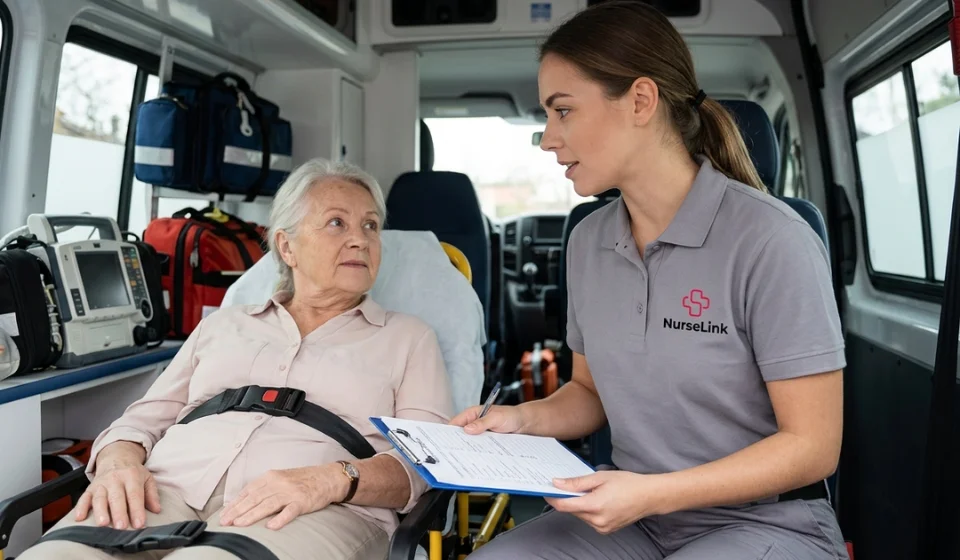
Equally important is maintaining clear communication with healthcare providers. Accurate documentation of observations and any first aid procedures performed ensures continuity of care once the patient reaches their destination. Providing reassurance and maintaining a calm environment also helps reduce anxiety, contributing to both physical and emotional wellbeing during the journey.
Responding to Changes In Patient Condition
Recognising and responding to changes in a patient’s condition is a critical aspect of transport care. Signs such as increased pain, confusion, breathing difficulties, or sudden weakness should never be overlooked. These indicators may signal the onset of a more serious issue and require immediate attention.
When changes occur, transport providers should follow structured first aid procedures to stabilise the patient. This may include adjusting positioning, administering basic care, or providing reassurance while monitoring the individual closely. Maintaining a calm and methodical approach ensures that actions are effective and safe, even within the constraints of a moving vehicle.
If the situation escalates, communication becomes essential. Providers must be prepared to contact emergency services and clearly convey the patient’s condition, location, and any interventions already performed. Ensuring the safety of both the patient and staff during this process is a top priority.
Safety & Preparedness In Non-Emergency Transport
Preparation is one of the most effective ways to minimise risk during patient transport. Before any journey begins, a thorough assessment should be conducted to understand the patient’s needs, mobility level, and potential health risks. This information guides the selection of appropriate equipment and ensures that staff are adequately prepared.
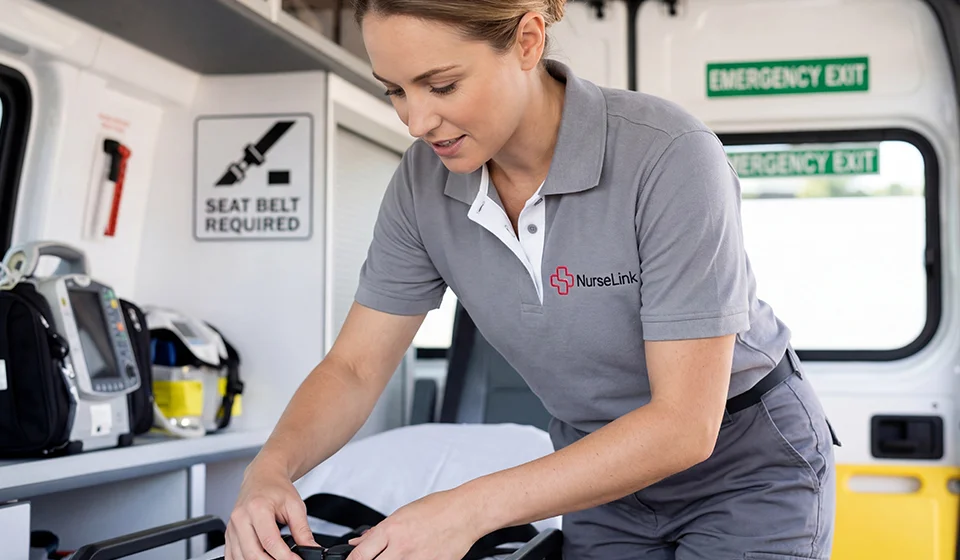
Transport vehicles should be equipped with essential items such as first aid kits, mobility aids, and safety restraints. Staff must also be trained in first aid for emergencies, infection control, and safe handling techniques. Adhering to these first aid safety tips helps create a controlled and secure environment for both patients and providers.
Planning also plays a key role. Considering travel routes, potential delays, and contingency options ensures that providers can respond effectively to unexpected situations. Clear communication with patients and their families further enhances safety, as it helps manage expectations and build trust.
When To Escalate To Emergency Care
While most transport situations remain stable, it is essential to recognise when a patient requires urgent medical attention. Life-threatening conditions such as cardiac arrest, severe breathing difficulties, or loss of consciousness demand immediate escalation to emergency services. Timely decision-making, clear communication with paramedics, and proper handover procedures ensure that patients receive the advanced care they need without delay. Post-incident review and continuous improvement further strengthen service quality and safety standards.
Transport vehicles should be equipped with essential items such as first aid kits, mobility aids, and safety restraints. Staff must also be trained in first aid for emergencies, infection control, and safe handling techniques. Adhering to these first aid safety tips helps create a controlled and secure environment for both patients and providers.
Planning also plays a key role. Considering travel routes, potential delays, and contingency options ensures that providers can respond effectively to unexpected situations. Clear communication with patients and their families further enhances safety, as it helps manage expectations and build trust.