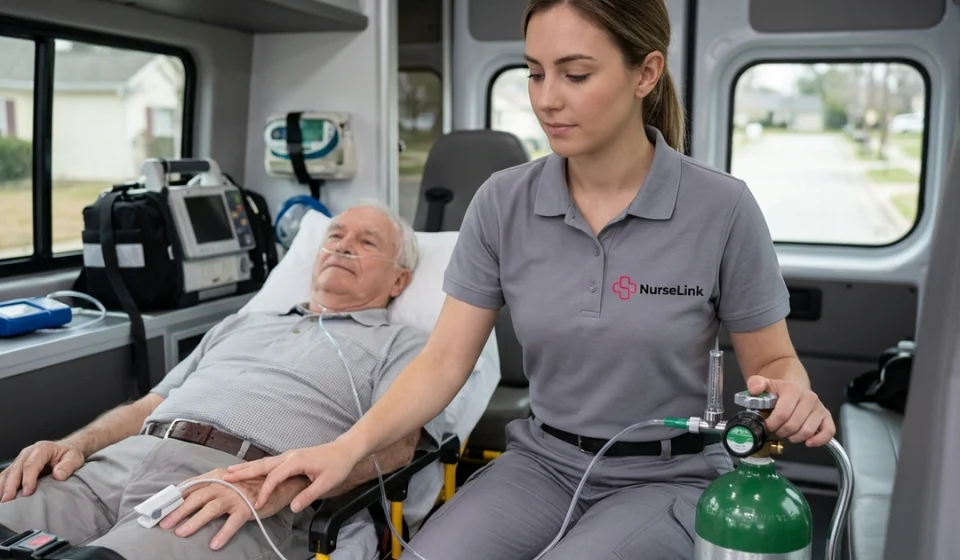
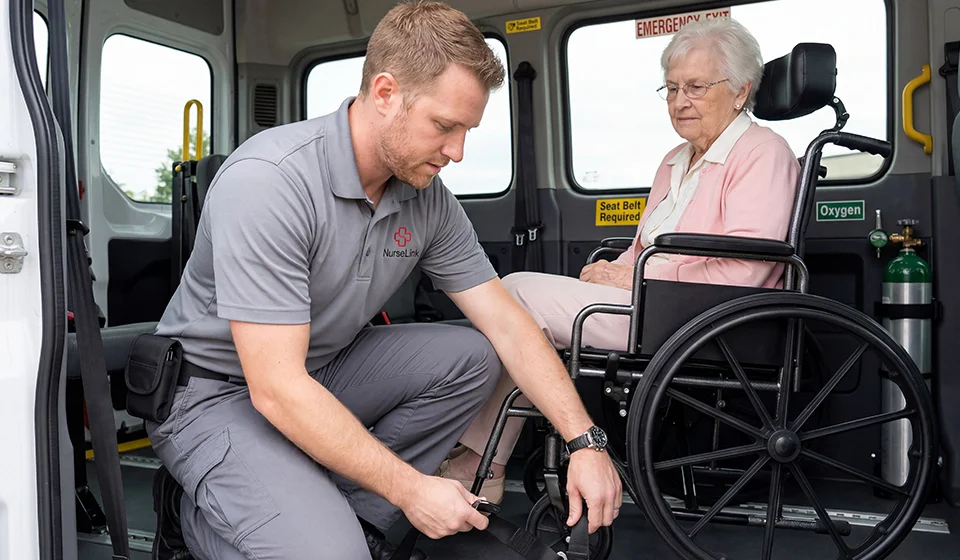
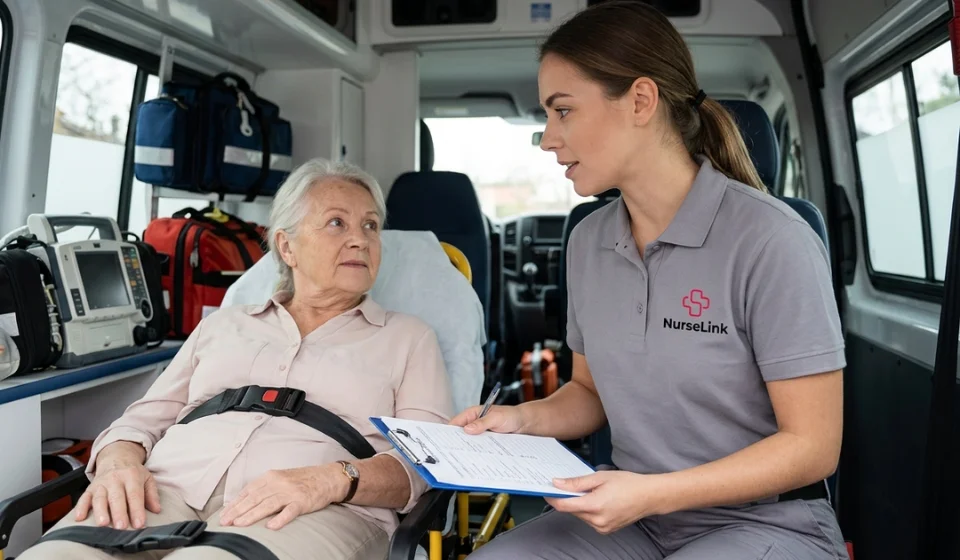
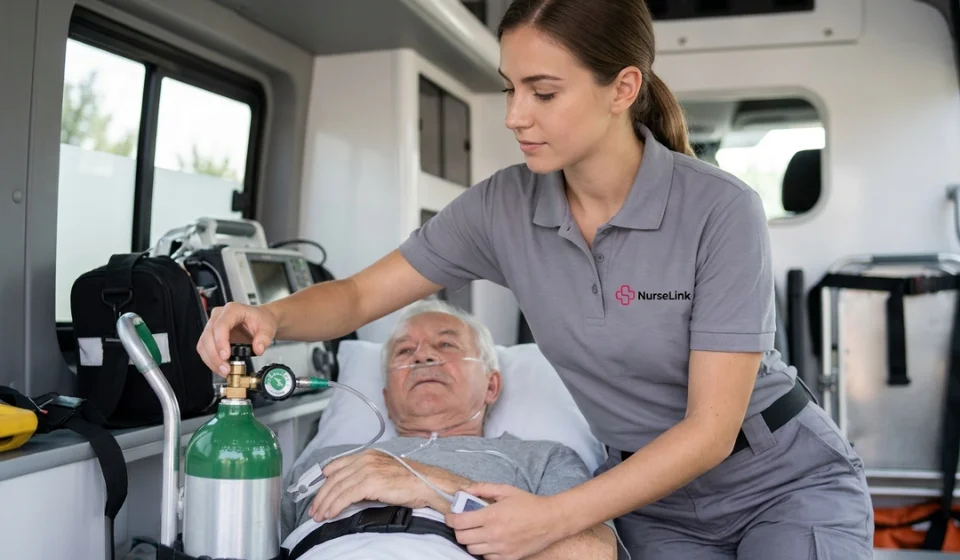
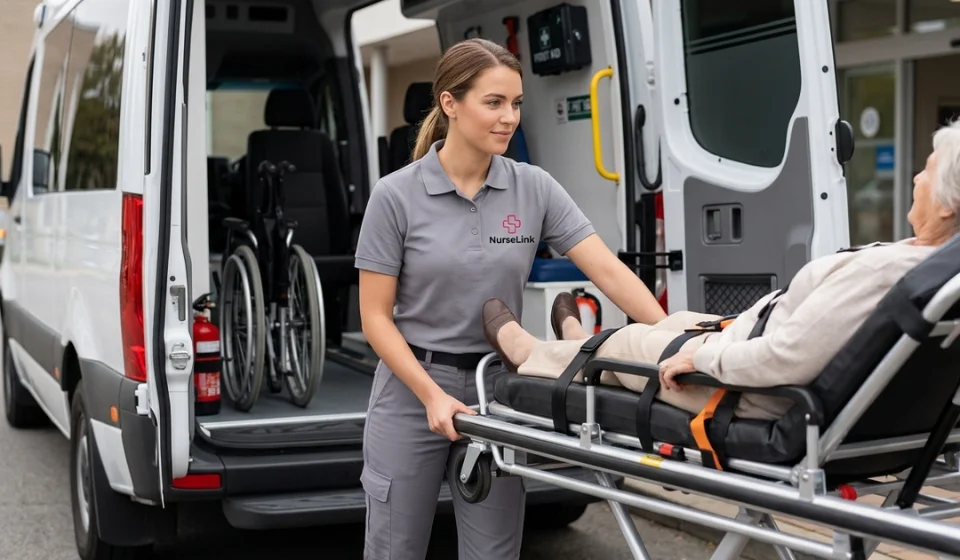
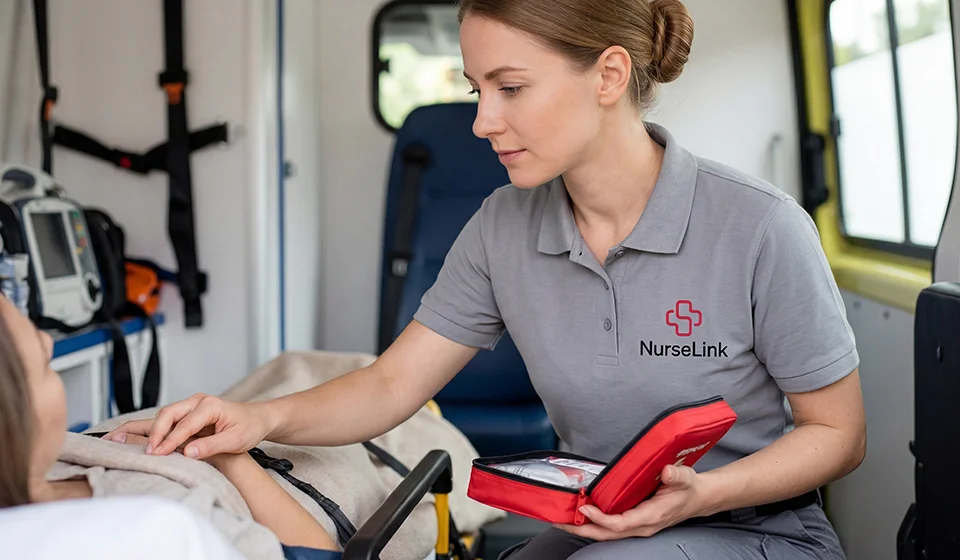
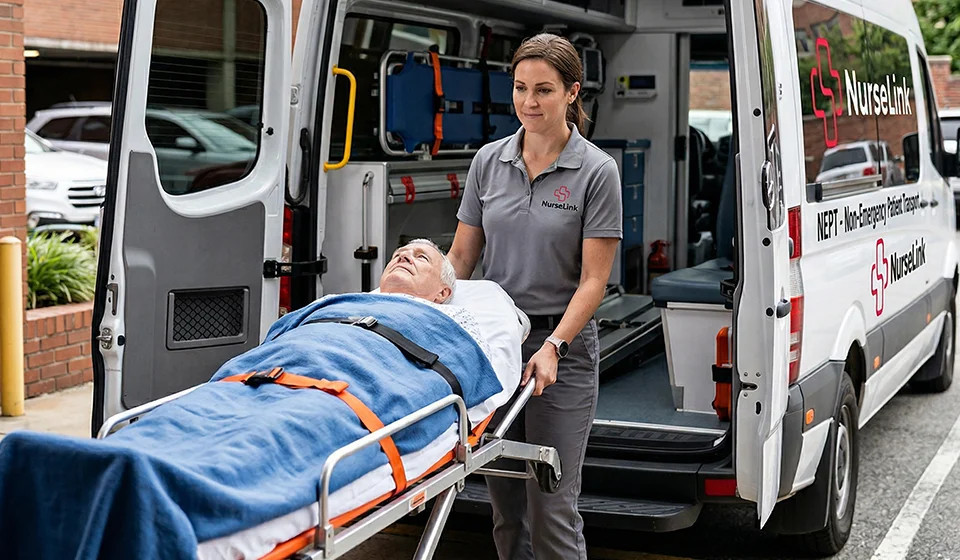
Hospital transfers are a routine part of healthcare, involving the movement of patients between facilities, departments, or care settings. However, for older adults, these transitions are far more than logistical events. The psychological impact of hospital transfers can be significant, affecting mental wellbeing, cognitive stability, and emotional health. Elderly patients often experience heightened vulnerability during these transitions due to changes in environment, routine, and care providers. Recognising the impact of hospital transfers on elderly individuals is essential for delivering patient-centred, trauma-informed care that prioritises both physical and psychological safety.
Understanding The Psychological Vulnerability Of Older Adults
Older adults often face a unique combination of cognitive, emotional, and physical challenges that make them more susceptible to stress during care transitions. Age-related changes can affect memory, processing speed, and emotional regulation, making it harder to adapt to new environments or unexpected changes.
In addition, many elderly patients live with pre-existing conditions such as dementia, depression, or sensory impairments. These factors can amplify confusion and anxiety during transfers, increasing the risk of negative outcomes. Understanding these vulnerabilities is key to addressing the elderly patient hospital transfer effects in a meaningful and supportive way.
- Age-related decline in cognitive flexibility and memory.
- Increased sensitivity to stress and environmental changes.
- Presence of conditions such as dementia or depression.
- Dependence on familiar routines and known caregivers.
- Greater need for reassurance and consistent communication.
How Environmental Changes Trigger Anxiety, Confusion, & Disorientation
A change in environment can be deeply unsettling for elderly patients. Moving from a familiar hospital ward to a new facility or home environment can disrupt their sense of stability and control. Even small changes, such as different lighting, unfamiliar sounds, or new faces, can contribute to confusion.
This disruption often leads to disorientation, where patients struggle to recognise their surroundings or understand what is happening. The mental health during patient transfer can be significantly impacted when these environmental changes are not managed carefully. Providing structure and reassurance during these transitions can help reduce distress.
- Sudden changes in surroundings and care environments.
- Loss of familiar cues and established routines.
- Exposure to unfamiliar staff and communication styles.
- Sensory overload from noise, lighting, or activity levels.
- Difficulty maintaining orientation to time, place, and identity.
The Risk Of Delirium & Cognitive Decline During Transfers
Delirium is one of the most serious risks associated with hospital transfers in elderly patients. It is an acute and often reversible condition characterised by confusion, reduced awareness, and changes in behaviour. Transfers can act as a trigger, particularly when combined with factors such as fatigue, dehydration, or medication changes.
Early signs of delirium may include agitation, withdrawal, or sudden changes in attention and awareness. If not managed promptly, delirium can lead to longer hospital stays, increased risk of complications, and long-term cognitive decline. Understanding the emotional effects of patient transfers also involves recognising how cognitive health can be impacted during these transitions.
- Increased risk of delirium due to environmental and physiological stress.
- Common triggers including fatigue, dehydration, and medication adjustments.
- Early warning signs such as confusion, agitation, or altered awareness.
- Potential for both short-term and long-term cognitive effects.
- Importance of prevention through monitoring and supportive care.
Emotional Impact: Loss Of Control, Fear, & Uncertainty
Hospital transfers can create a strong sense of emotional distress for elderly patients. Many experience feelings of vulnerability and loss of control, particularly when they are dependent on others for mobility and care. This emotional response can be intensified by uncertainty about what lies ahead.
Fear is another common factor, whether related to pain, unfamiliar environments, or the possibility of being left alone. Separation from familiar caregivers or family members can further increase anxiety. Addressing the impact of hospital transfers on elderly patients requires a compassionate approach that prioritises emotional wellbeing alongside physical care.
- Feelings of dependency and reduced independence.
- Anxiety about unfamiliar environments or outcomes.
- Fear of discomfort, pain, or abandonment.
- Emotional distress from separation from loved ones.
- Need for empathy, reassurance, and clear communication.
Strategies To Minimise Psychological Stress During Patient Transfers
Reducing the psychological impact of hospital transfers requires a proactive and patient-centred approach. Preparation is key, as patients who understand what to expect are less likely to experience anxiety or confusion. Clear communication before and during the transfer helps build trust and reduce uncertainty.
Maintaining elements of familiarity can also make a significant difference. Personal items, consistent routines, and familiar faces can help anchor patients during transitions. Involving family members or caregivers provides additional emotional support and reassurance.
Training transport and healthcare staff in compassionate care practices is equally important. Gentle handling, clear explanations, and attentive communication can transform the transfer experience for elderly patients. By focusing on both clinical and emotional needs, providers can significantly reduce the elderly patient hospital transfer effects.
- Provide clear explanations before and during the transfer.
- Maintain familiar routines wherever possible.
- Allow patients to keep personal belongings close.
- Ensure gentle and respectful handling throughout the journey.
- Encourage involvement of family members or caregivers.
- Use consistent communication to reduce confusion.
- Monitor emotional as well as physical responses.
- Adapt the environment to minimise sensory overload.
- Train staff in patient-centred and trauma-informed care.
- Prioritise dignity, comfort, and reassurance at every stage.
Conclusion
The psychological effects of hospital transfers on elderly patients are significant and should not be overlooked. While physical safety is often the primary focus, addressing emotional and cognitive wellbeing is equally important. Trained transport providers play a crucial role in reducing distress by ensuring that transfers are handled with care, empathy, and professionalism. By prioritising communication, preparation, and continuity of care, healthcare providers can minimise risks and improve patient outcomes. A thoughtful, patient-focused approach to transport planning ensures that elderly individuals feel supported, respected, and safe throughout their journey.