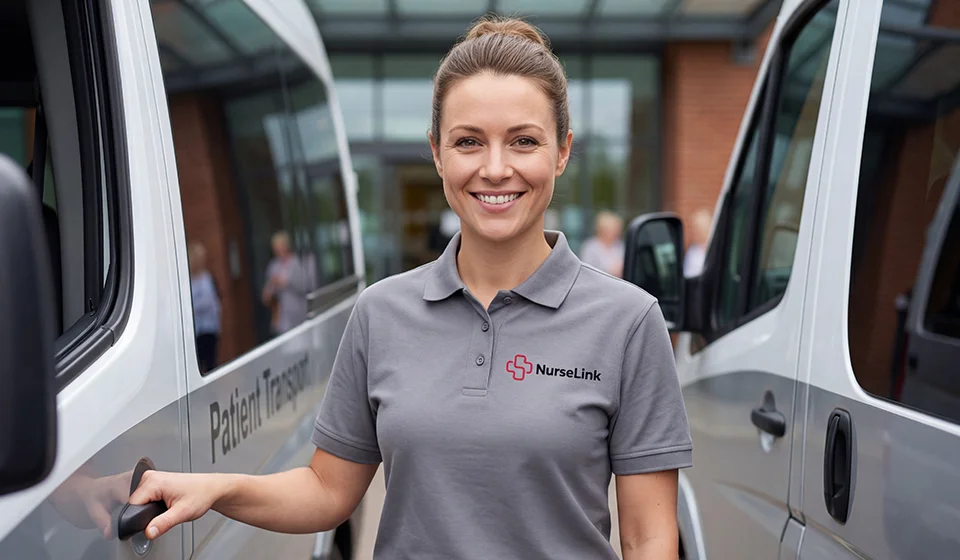
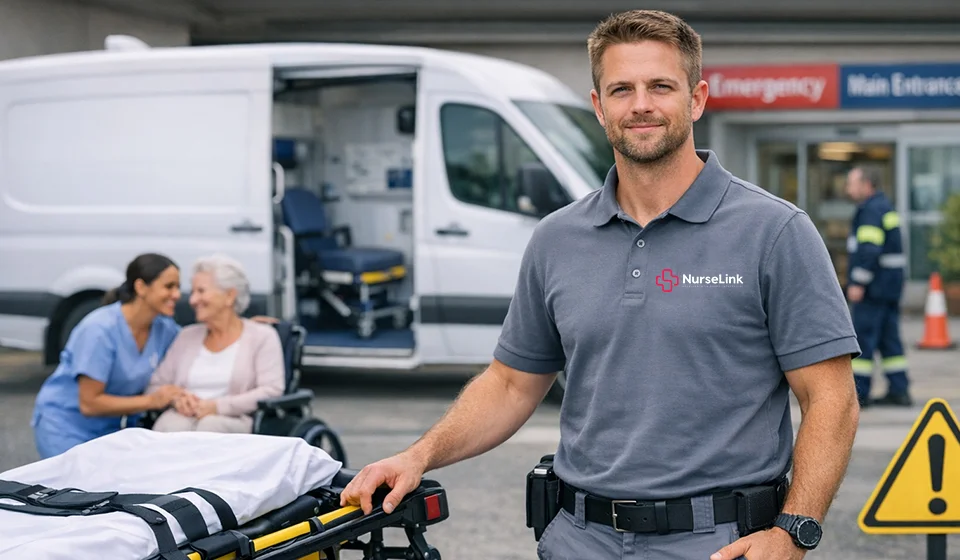
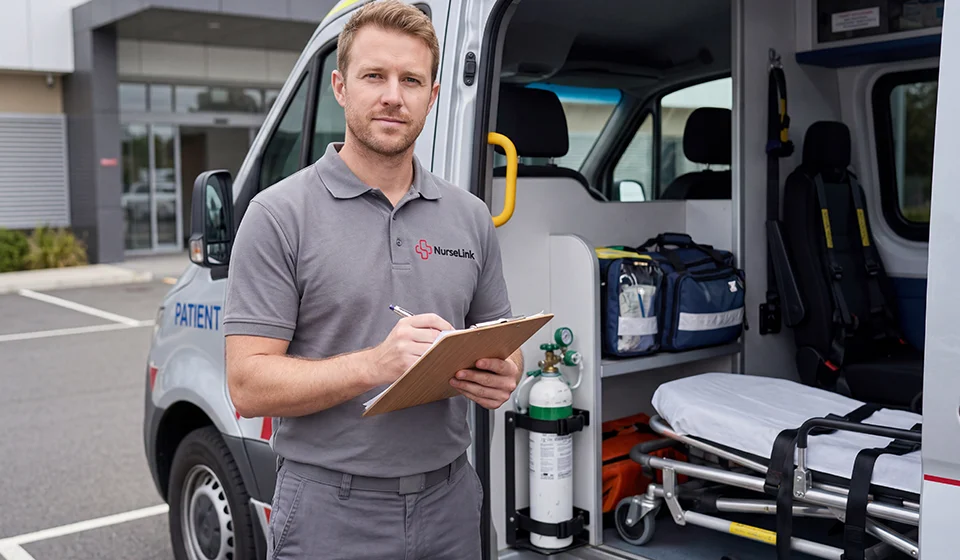
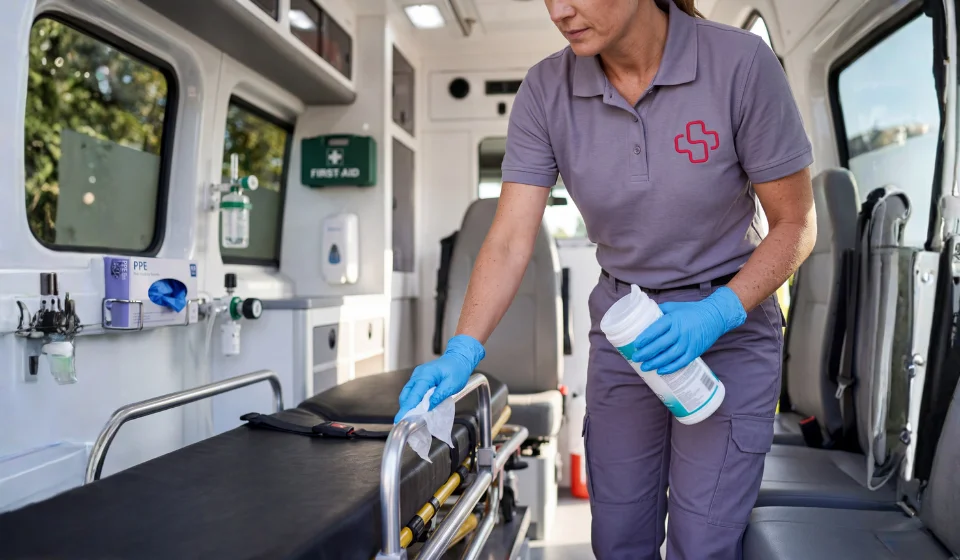
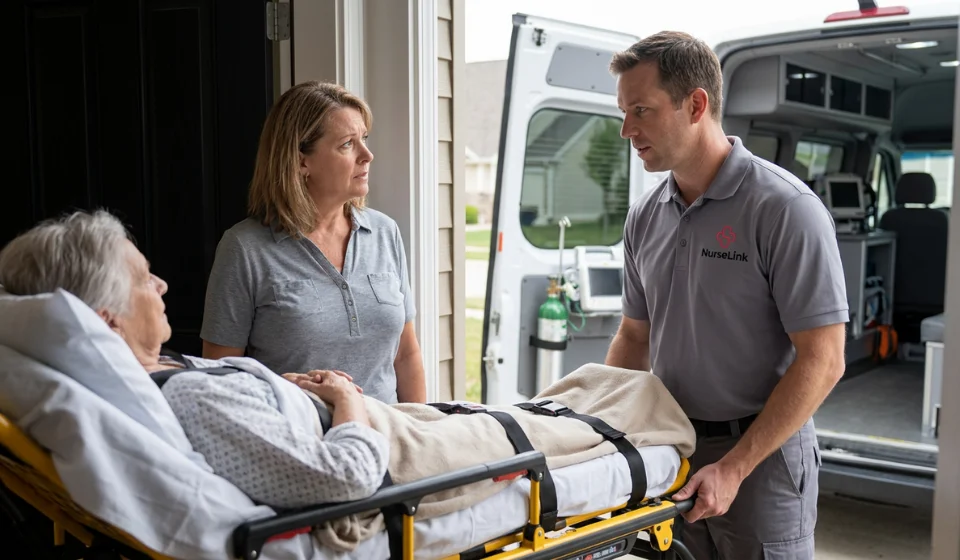
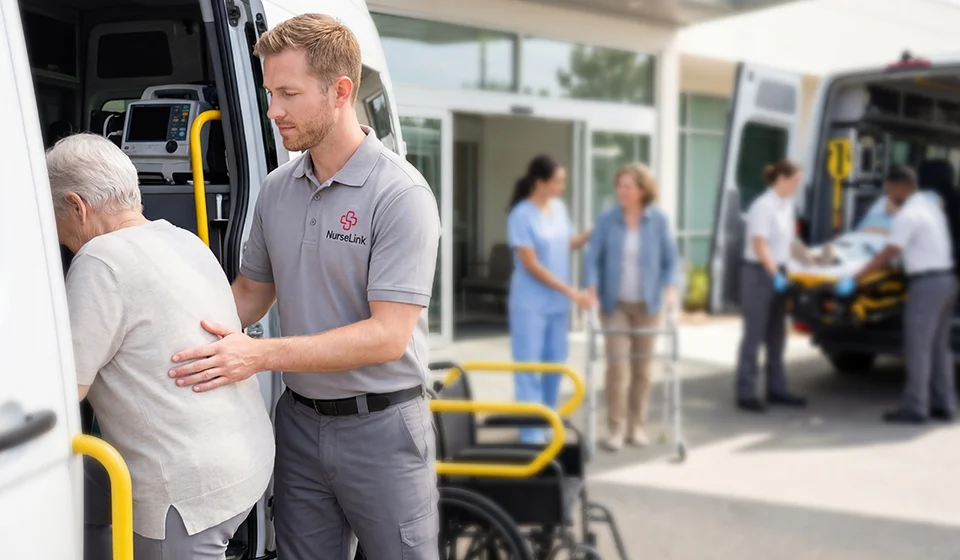
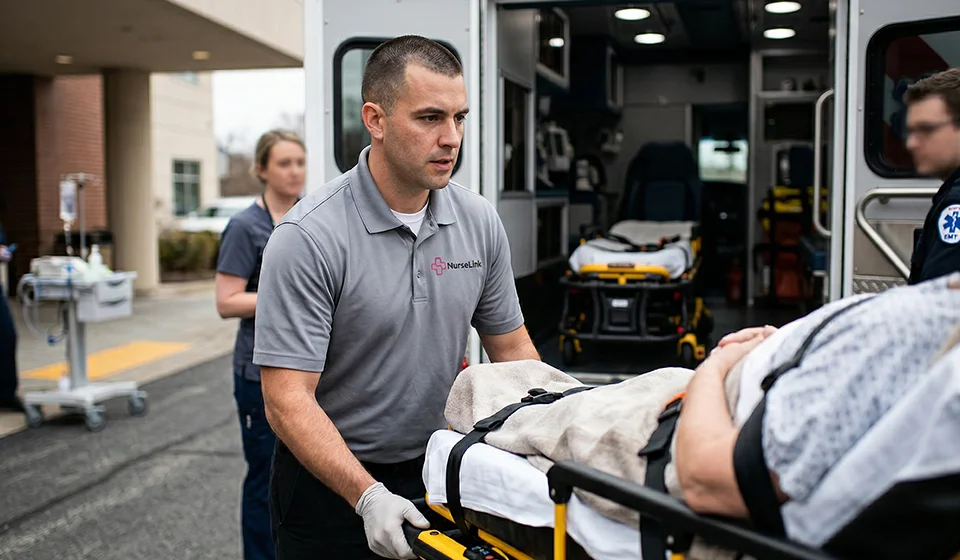
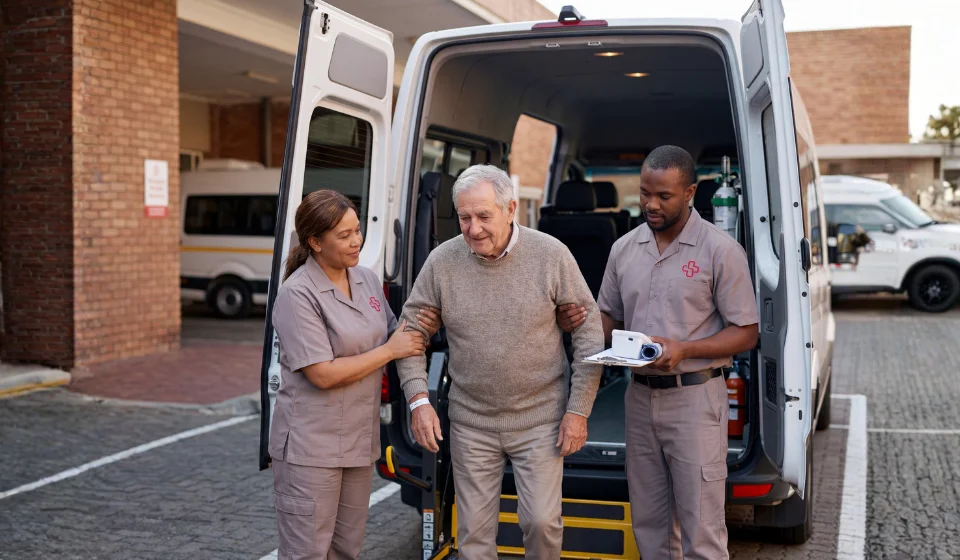
Safe and reliable medical transport plays a critical role in supporting patients who require ongoing clinical care while travelling between healthcare facilities, homes, or medical appointments. High acuity patient transfers involve individuals with complex medical conditions who may need specialised monitoring, medical equipment, or professional healthcare support throughout the journey. As healthcare needs continue to grow across Australia, professional transport services such as High Acuity Transport Services have become increasingly important for ensuring patient safety, continuity of care, and access to essential treatment. HATS provides a structured and medically supported approach to non emergency transport, helping patients travel safely and comfortably while receiving the clinical attention they need.
What Is A High Acuity Transport Service (HATS)?
A High Acuity Transport Service, commonly referred to as HATS, is a specialised medical transport service designed for patients who require advanced clinical support during non-emergency transfers. Unlike standard patient transport, HATS is intended for individuals with complex health conditions, high dependency care needs, or ongoing medical monitoring requirements while travelling between hospitals, rehabilitation centres, aged care facilities, specialist appointments, or home environments.
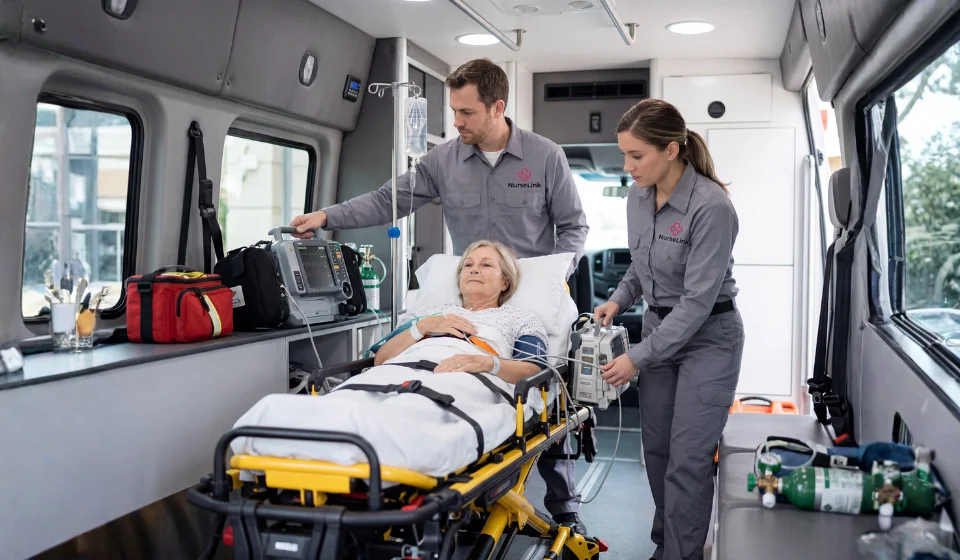
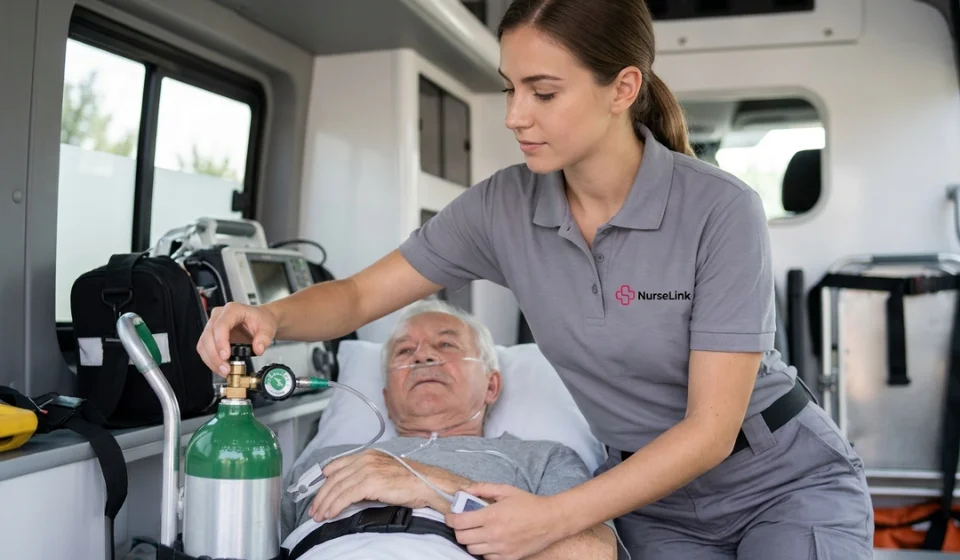
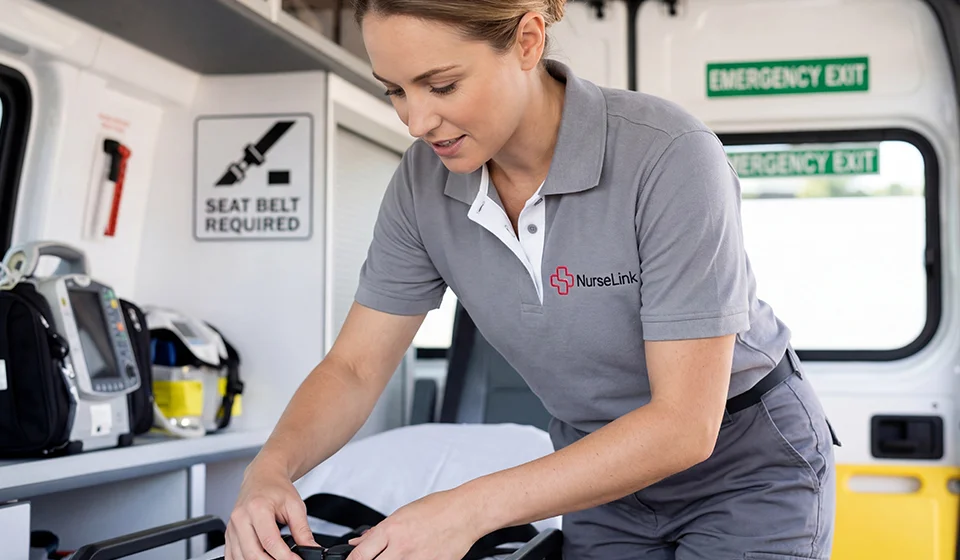
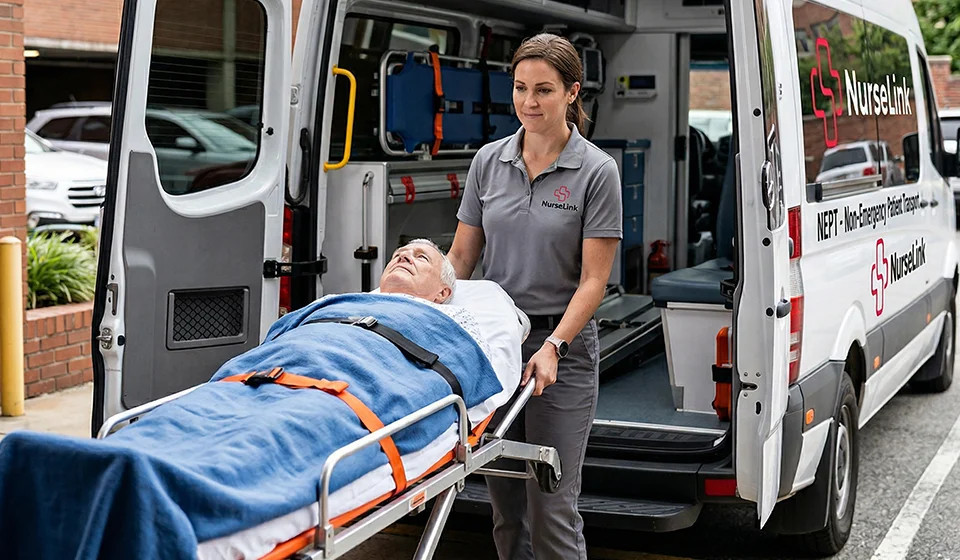
The main difference between standard patient transport and HATS lies in the level of medical care provided during the journey. Patients accessing HATS may require oxygen therapy, continuous vital sign monitoring, mobility support, medication management, or assistance from trained healthcare professionals throughout transport. These services are delivered using specialised vehicles equipped to manage more advanced patient care requirements while maintaining patient comfort and safety at all times.
- High Acuity Transport Services are designed for patients with complex or medically unstable conditions requiring specialised support during transport
- HATS differs from standard transport services by offering clinical supervision and advanced patient care throughout the journey
- Clinical monitoring may include observing vital signs, oxygen levels, respiratory status, and overall patient stability during transport
- HATS supports individuals with chronic illnesses, disabilities, post surgical recovery needs, and other high dependency medical conditions
- Professional healthcare staff are trained to follow strict high acuity transfer procedures to ensure safe and coordinated patient transport
These services play an important role in reducing risks during patient transfers while helping healthcare providers maintain continuity of care between treatment settings.
Who Can Access HATS Services?
High Acuity Transport Services are available for patients who require a higher level of medical support than traditional non-emergency patient transport can provide. Access to HATS is generally based on the patient’s medical condition, mobility limitations, clinical stability, and need for ongoing supervision or specialised care during transport.
Many individuals who meet high acuity transport eligibility requirements are living with chronic illnesses, severe disabilities, respiratory conditions, neurological disorders, or complex post-operative care needs. Patients transferring between hospitals, rehabilitation facilities, specialist clinics, or aged care settings may also require HATS support if they need continuous clinical monitoring or specialised medical equipment throughout the journey.
- Patients with complex medical conditions or high dependency care needs that require specialised supervision during transport.
- Individuals needing continuous monitoring, oxygen support, mobility assistance, or medication management while travelling.
- Hospital and healthcare patients transferring between medical facilities, rehabilitation centres, specialist appointments, or residential care settings.
Healthcare professionals typically assess the patient’s condition before arranging transport to determine the level of support required during travel and ensure all high acuity transport requirements are appropriately met.
Types Of Support Provided During High Acuity Transport
High Acuity Transport Services provide a wide range of clinical and practical support measures designed to keep patients safe, stable, and comfortable during medical transfers. Since patients using HATS often have more complex healthcare needs, transport teams are trained to manage a variety of medical situations while maintaining close communication with healthcare providers and family members.
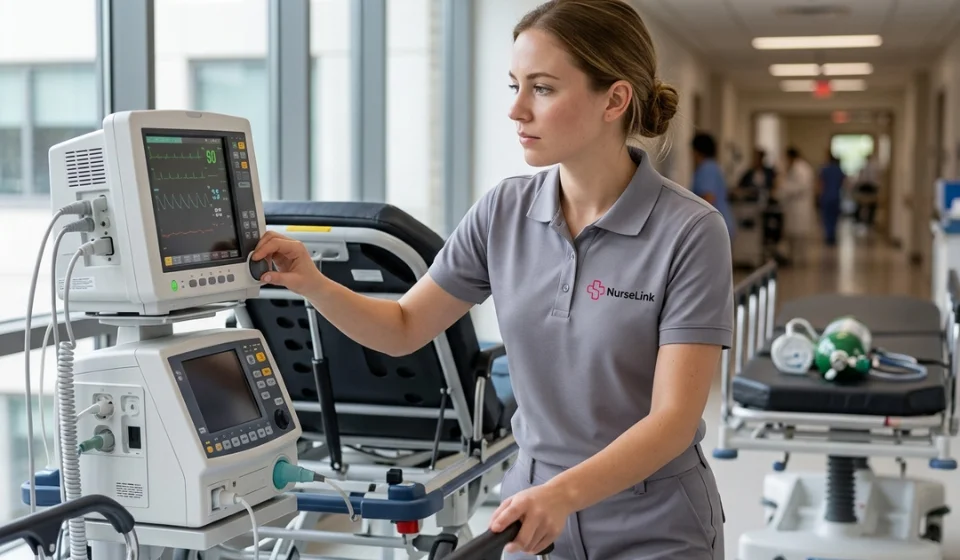
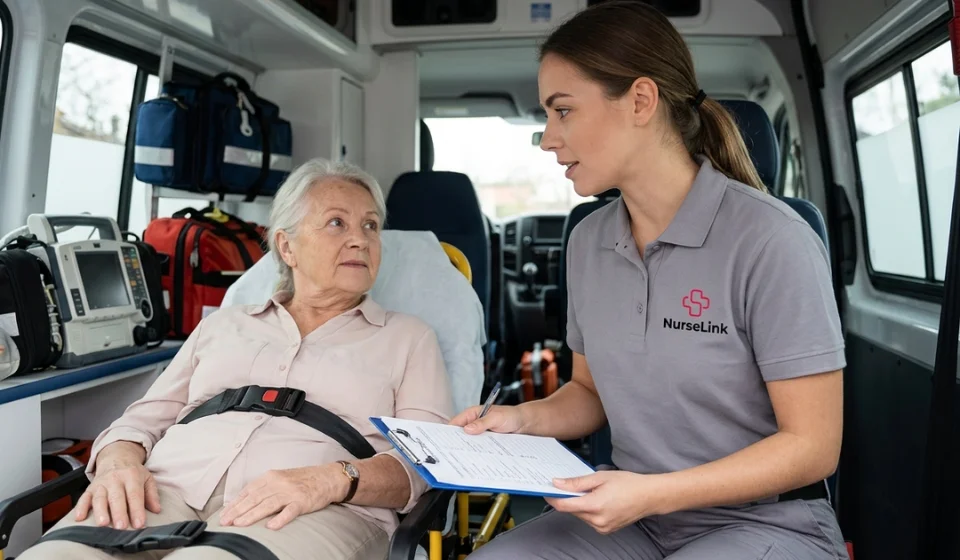
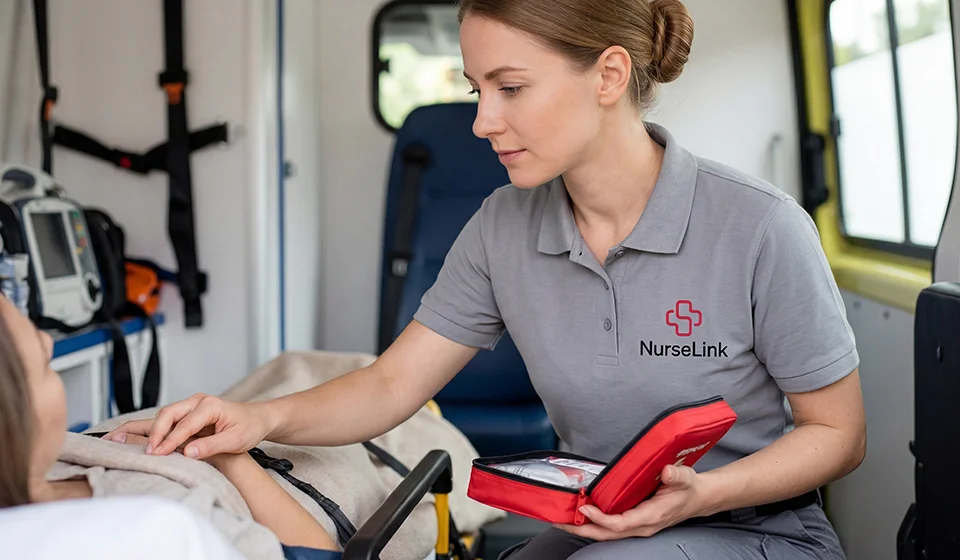
One of the most important aspects of HATS is continuous clinical monitoring. Healthcare professionals may regularly assess blood pressure, oxygen saturation, heart rate, respiratory function, and overall patient condition throughout the journey. This close observation helps identify any changes in the patient’s health status quickly and allows immediate action if required.
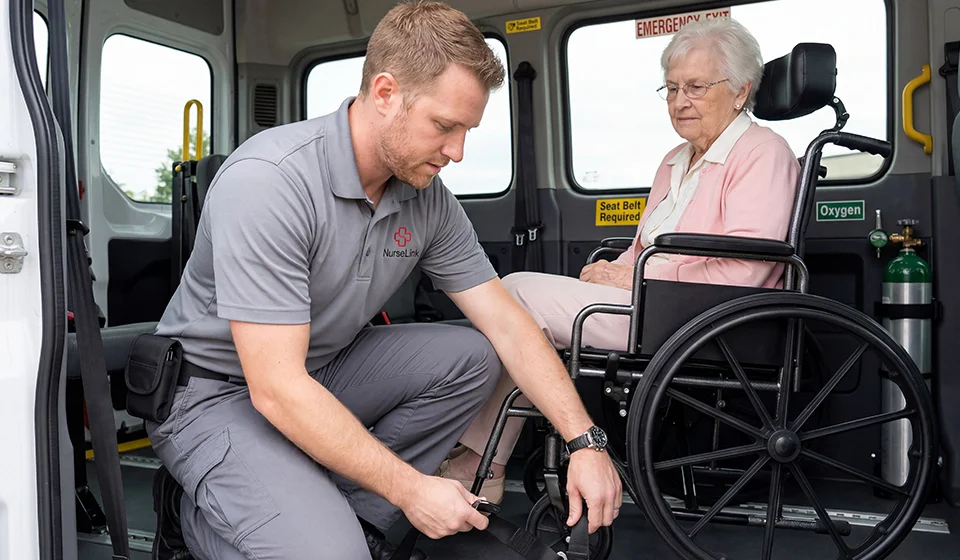
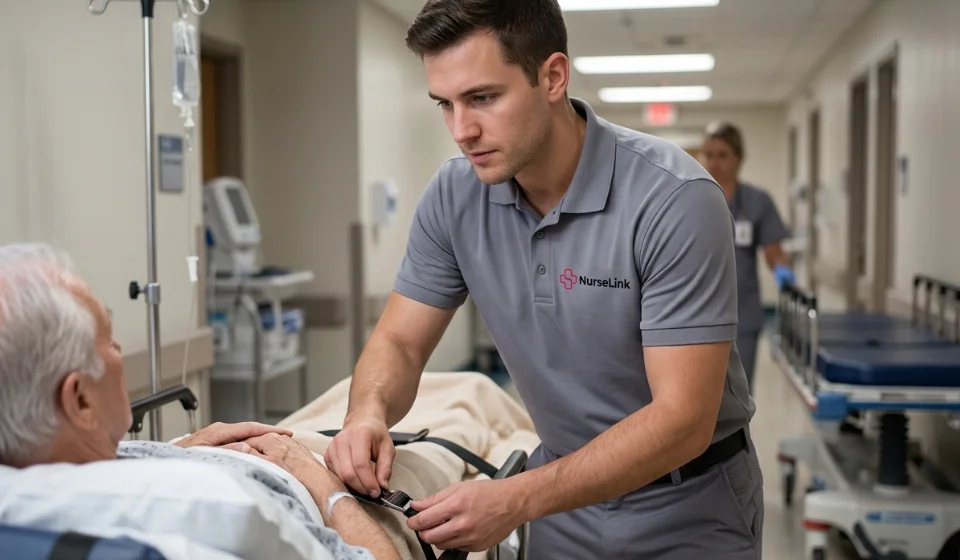
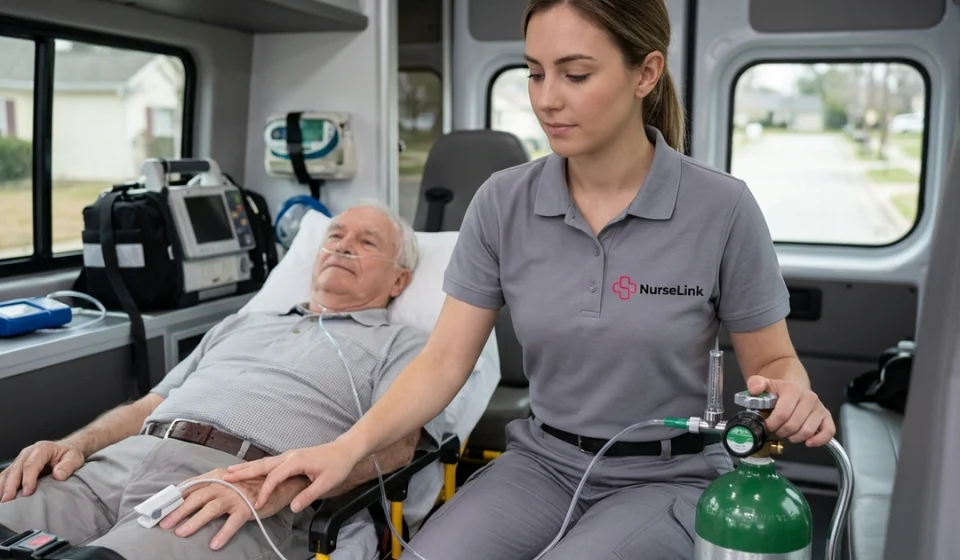
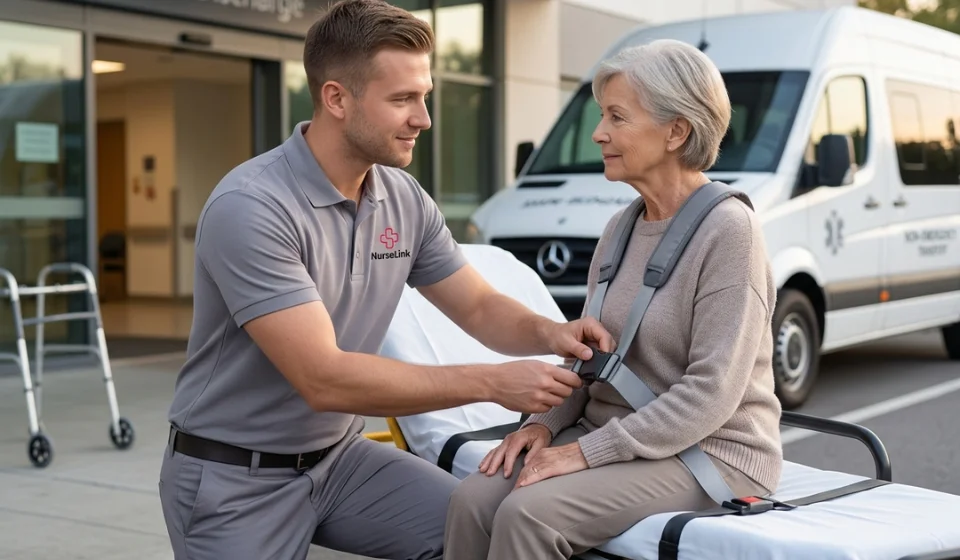
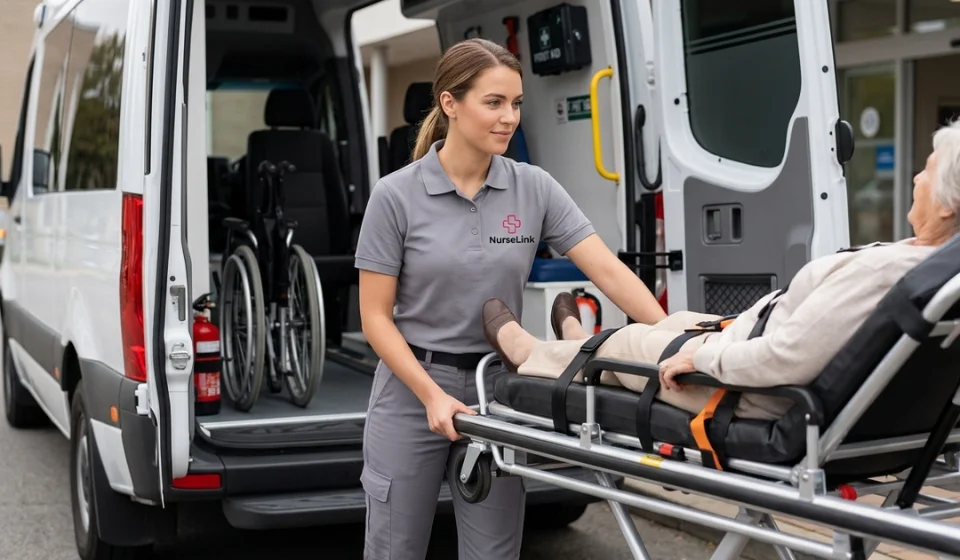
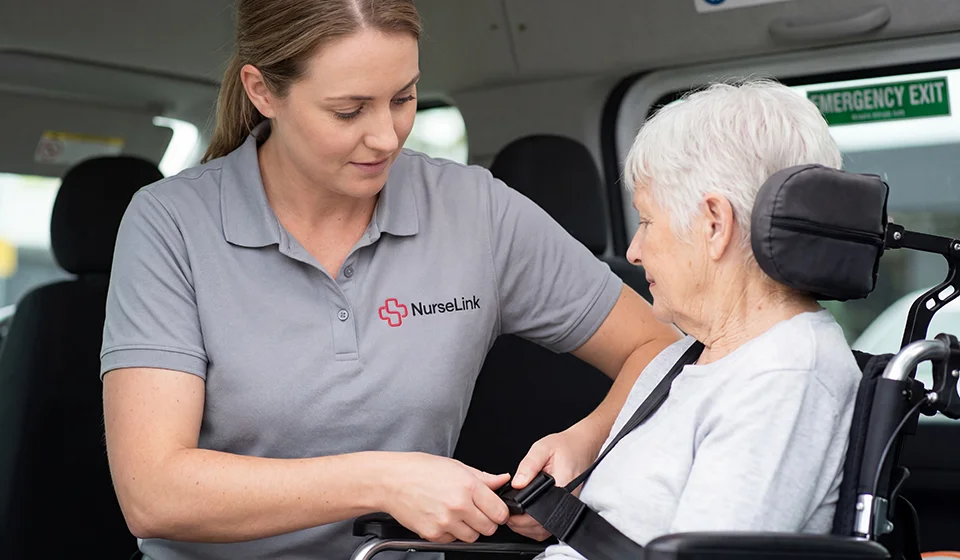
Patients requiring respiratory support may receive oxygen therapy or specialised breathing assistance during transport. Safe patient handling is another essential component of high acuity transport, particularly for individuals with limited mobility, severe injuries, neurological conditions, or post-surgical recovery needs. Trained staff use specialised equipment and safe transfer techniques to minimise discomfort and reduce the risk of injury during movement.
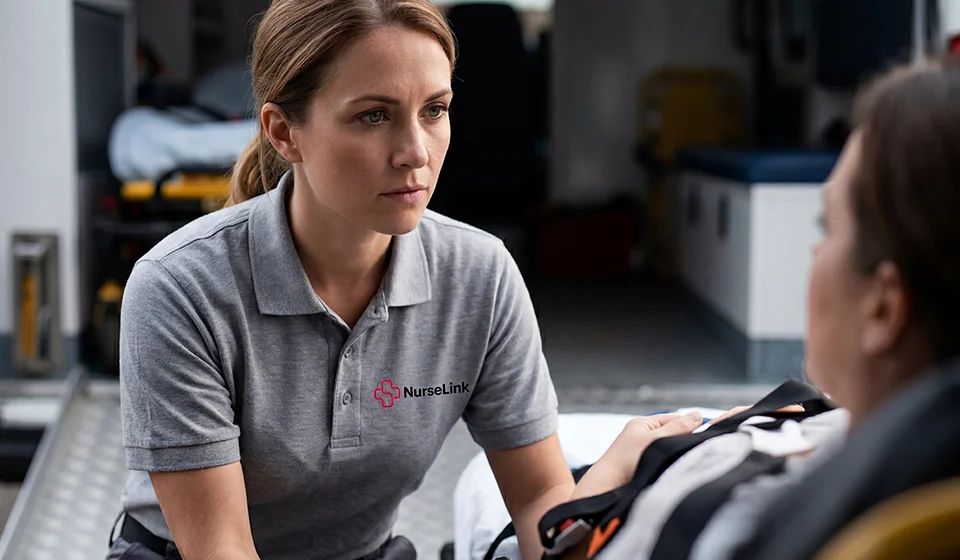
Medication management and emergency preparedness also form a critical part of HATS operations. Healthcare professionals travelling with the patient may administer prescribed medications, monitor symptom progression, and respond appropriately if medical complications arise during transit. The presence of trained nurses, paramedics, or support staff provides reassurance to both patients and their families while ensuring continuity of clinical care throughout the transfer process.
Benefits Of High Acuity Transport Services
High Acuity Transport Services provides significant benefits for patients, caregivers, and healthcare providers by offering a safer and more structured approach to medically supported transport. For patients with complex health conditions, travelling without appropriate supervision can increase the risk of complications, discomfort, or delayed medical intervention. HATS helps minimise these risks by ensuring professional healthcare support is available throughout the journey.
One of the major advantages of HATS is improved patient safety during transfers between healthcare facilities or appointments. Continuous monitoring, specialised medical equipment, and trained healthcare staff help create a safer environment for individuals with complex or unstable conditions. This level of care is especially important for elderly patients, individuals recovering from surgery, and those requiring respiratory or mobility support.
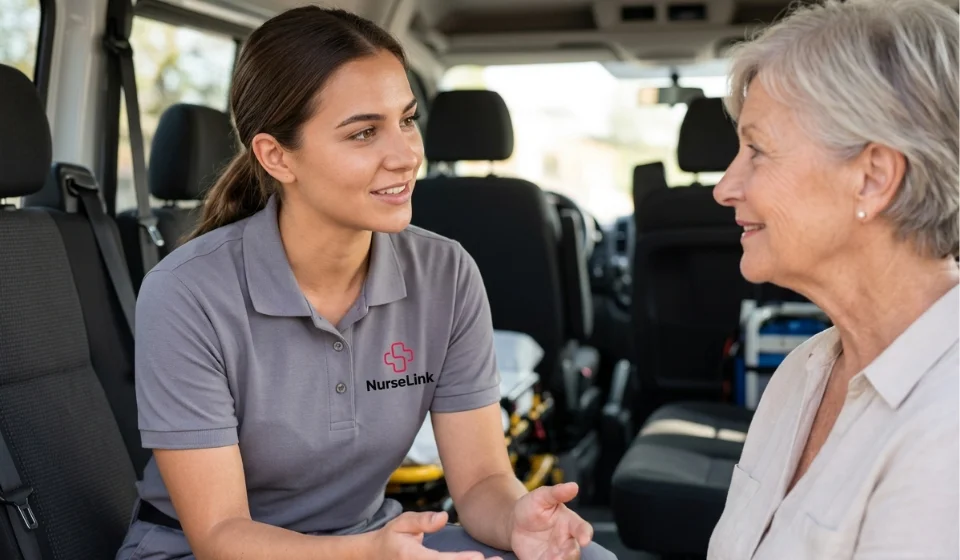
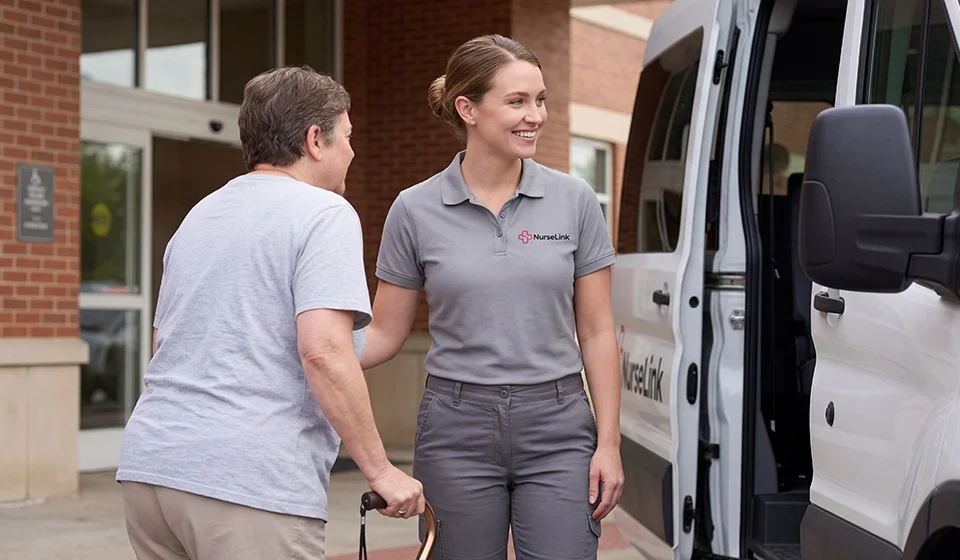
HATS also reduces stress for families and caregivers who may otherwise struggle to arrange safe transport for loved ones with advanced medical needs. Knowing that experienced healthcare professionals are overseeing the journey provides reassurance and peace of mind. In addition, patients benefit from greater comfort and dignity through the use of specialised vehicles, mobility equipment, and compassionate patient centred care practices.
Another important benefit is improved coordination between hospitals, aged care facilities, rehabilitation centres, and community healthcare providers. Effective communication between transport teams and medical professionals helps ensure continuity of care, timely transfers, and safer patient outcomes across different healthcare settings.
How HATS Supports Patients With Complex Medical Needs
Patients living with chronic illnesses, severe disabilities, neurological disorders, respiratory conditions, or post-operative complications often require specialised care during transport. High Acuity Transport Services help ensure these individuals can safely attend medical appointments, transfer between healthcare facilities, or return home without compromising their health or well-being.
- Supporting patients with chronic illnesses, disabilities, and complex medical care needs during non-emergency transfers.
- Providing safe transport solutions for elderly patients and individuals considered medically high risk.
- Managing medical emergencies or sudden health changes during patient transport through trained clinical support.
- Maintaining continuity of care between hospitals, rehabilitation facilities, specialist appointments, and residential care settings.
- Enhancing patient comfort, dignity, emotional well-being, and overall travel experience through compassionate support practices.
The ability to deliver tailored medical support during transport is essential for reducing healthcare risks while improving patient outcomes and overall quality of care.
Choosing The Right High Acuity Transport Provider
Selecting the right HATS provider is an important decision for patients, families, hospitals, and healthcare organisations. Since patients requiring high acuity transport often have complex health conditions, choosing an experienced and reliable provider can make a significant difference in patient safety and comfort during the transfer process.
- Ensure the provider employs qualified nurses, healthcare professionals, and experienced patient transport staff.
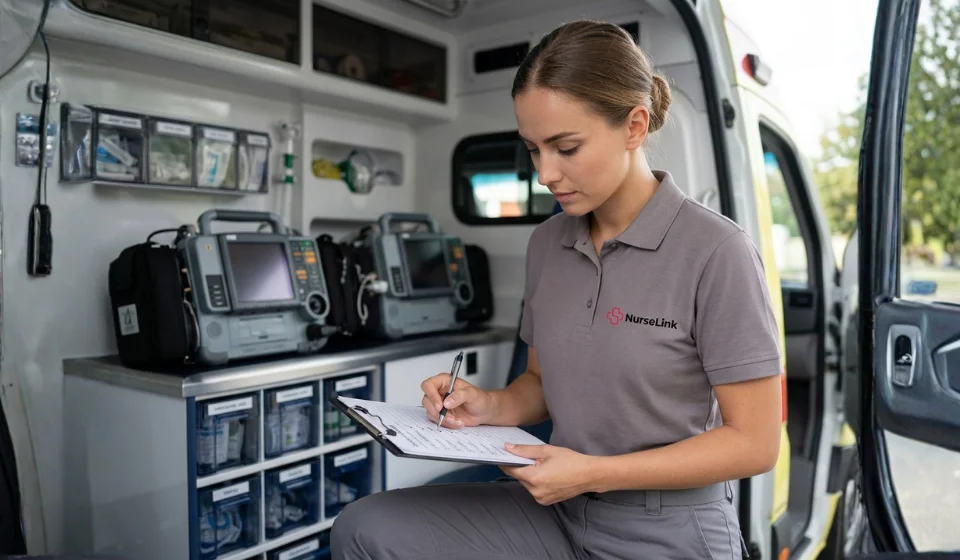
- Check whether vehicles are equipped with advanced medical equipment and specialised patient handling systems.
- Review safety procedures, clinical protocols, and patient care standards used during transport operations.
- Ask questions about staff training, emergency response capabilities, and experience managing complex medical conditions.
- Choose a provider that prioritises compassionate, respectful, and patient-focused care throughout every stage of transport.
Families and healthcare providers should also consider communication, reliability, and service availability when selecting a transport provider to ensure patients receive timely and coordinated support.
Conclusion
High Acuity Transport Services play a vital role in supporting patients with complex medical conditions who require specialised care during non-emergency transfers. Through professional clinical monitoring, specialised equipment, and compassionate healthcare support, HATS helps improve patient safety, comfort, and continuity of care across different healthcare settings. These services also provide reassurance for families and caregivers by ensuring patients receive appropriate medical attention throughout the journey. At NurseLink Healthcare, patient-focused care remains at the centre of every transport service, helping individuals access safe, reliable, and compassionate healthcare support whenever specialised medical transport is required.