Non-emergency patient transport services play an important role in helping individuals safely travel to and from hospitals, medical appointments, rehabilitation centres, and healthcare facilities when standard transport is not suitable. Many patients living with mobility limitations, chronic illnesses, disabilities, or ongoing medical conditions require additional assistance and clinical support during transport. Understanding who qualifies for NEPT services can help patients, families, and caregivers access safer and more reliable healthcare transport solutions while improving continuity of care and overall healthcare access.
What Are Non-Emergency Patient Transport (NEPT) Services?
Non Emergency Patient Transport services are specialised medical transport solutions designed for individuals who require assistance travelling to healthcare appointments but do not need emergency ambulance care. These services support patients who may have mobility challenges, medical conditions, or healthcare needs that make travelling independently unsafe or difficult.
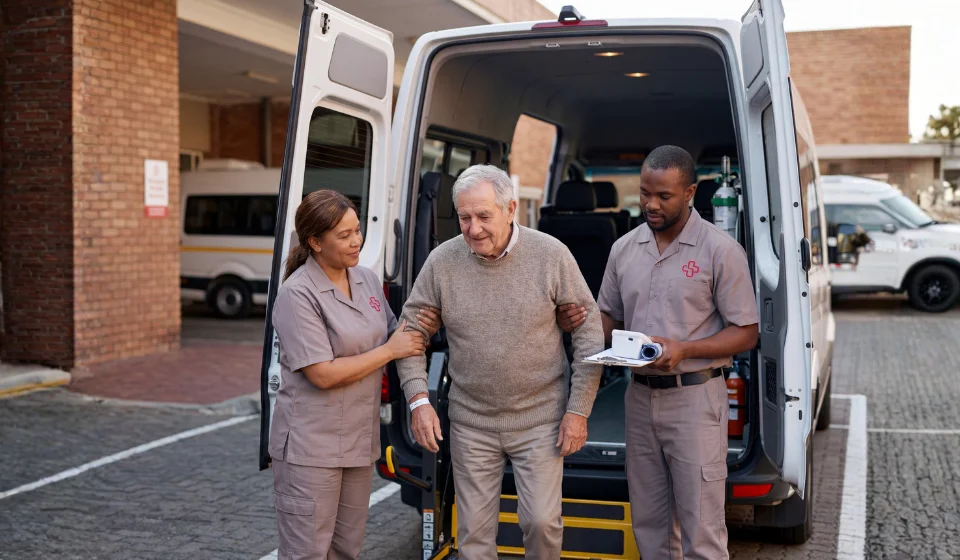
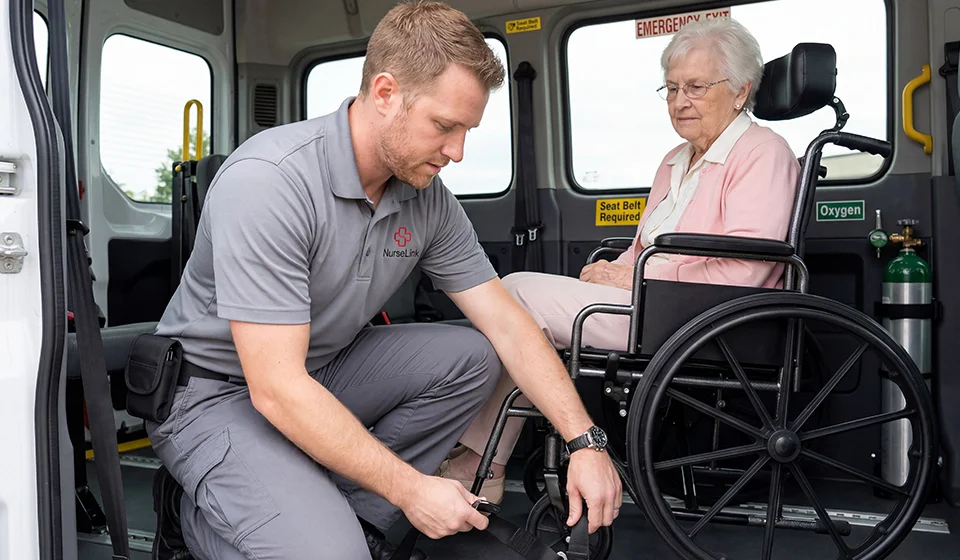
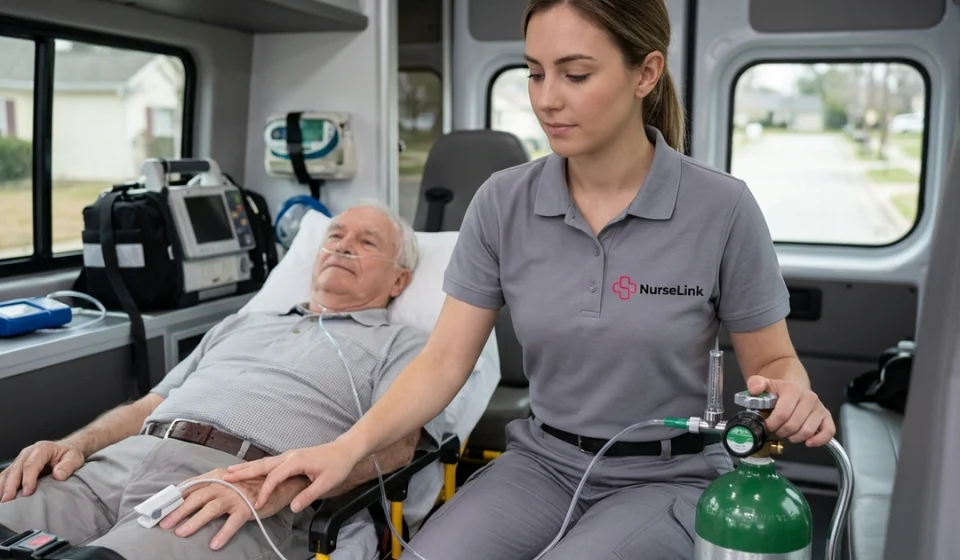
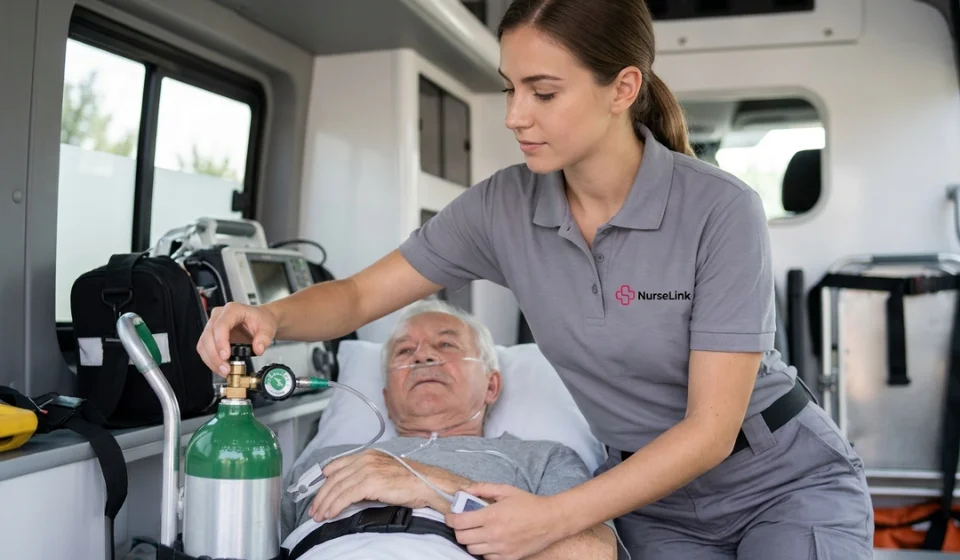
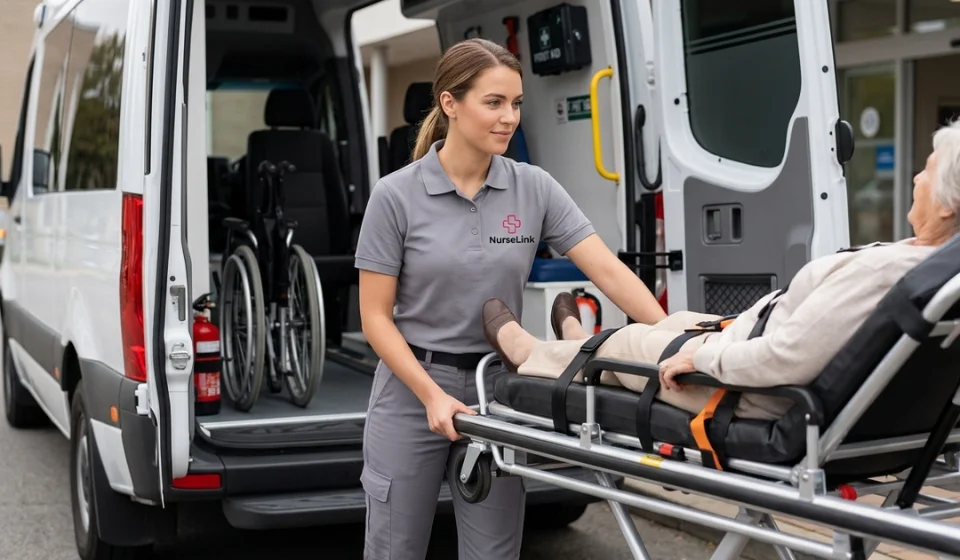
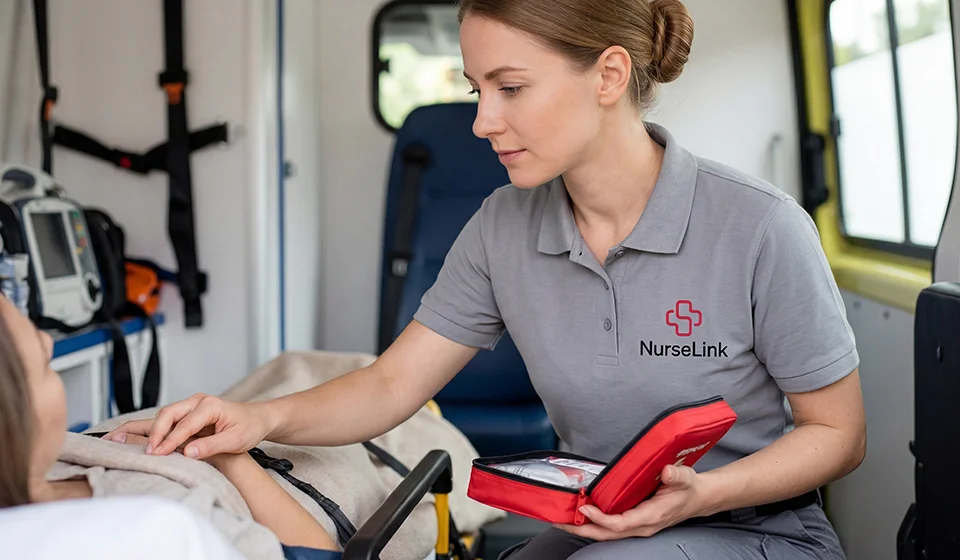
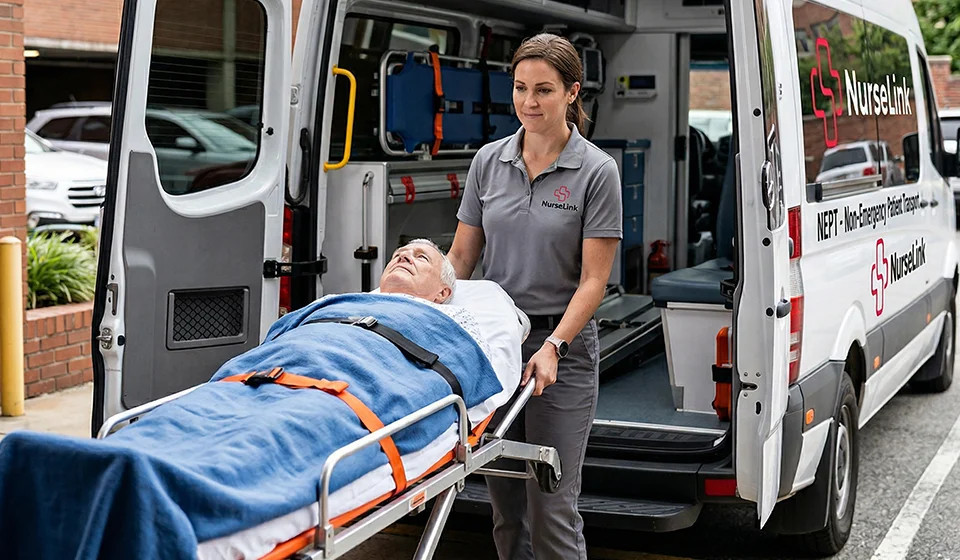
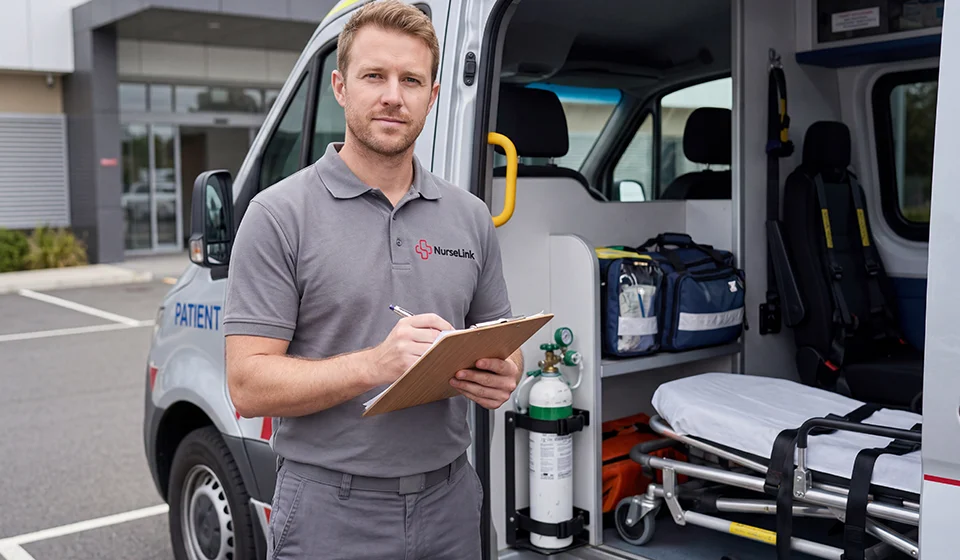
Unlike emergency ambulance services, NEPT focuses on planned and scheduled medical transport rather than urgent or life threatening situations. Patients using NEPT may require wheelchairs, stretchers, oxygen support, mobility assistance, or supervision from trained healthcare professionals during transport. The goal is to ensure patients can safely attend medical appointments while remaining comfortable and medically supported throughout the journey.
- NEPT services provide planned medical transport for patients with non emergency healthcare needs.
- Services may include wheelchair transport, stretcher transport, mobility assistance, and clinical support.
- NEPT differs from emergency ambulance transport because it is designed for stable patients requiring scheduled healthcare travel.
- Trained transport staff and healthcare professionals help maintain patient comfort and safety during transfers.
- NEPT services are commonly used for hospital appointments, dialysis treatments, rehabilitation visits, specialist consultations, and aged care transfers.
These services are especially important for patients who may otherwise miss essential medical appointments due to physical limitations or lack of appropriate transport support.
Who Is Eligible for NEPT Services?
Eligibility for Non Emergency Patient Transport is generally based on the patient’s medical condition, mobility limitations, and ability to travel safely using standard transport methods. The NEPT eligibility criteria are designed to identify patients who require additional assistance, supervision, or specialised equipment during medical transport.
Many individuals who access NEPT services are unable to travel independently because of physical disabilities, chronic illnesses, frailty, post surgical recovery, or medical conditions that require monitoring or support during transport. Healthcare professionals may use NEPT assessment guidelines to evaluate a patient’s mobility, medical stability, support needs, and level of assistance required throughout the journey.
- Patients with limited mobility, disabilities, or medical conditions affecting safe travel may qualify for NEPT support.
- Individuals unable to use private vehicles, taxis, or public transport safely due to health related challenges may meet patient eligibility for medical transport requirements.
- Elderly individuals, rehabilitation patients, and people requiring mobility aids, oxygen therapy, or clinical supervision are among the common groups that may qualify for NEPT services.
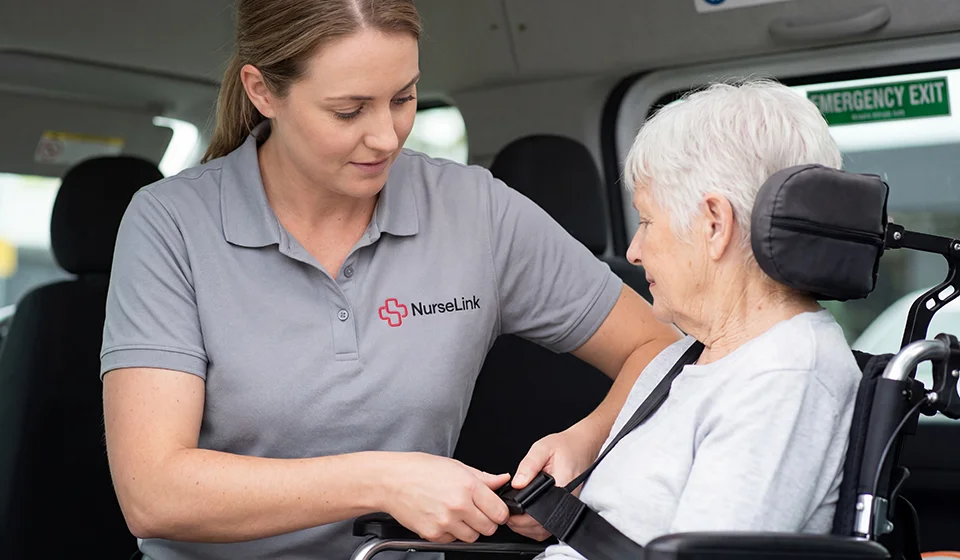
Eligibility assessments may also consider whether the patient requires assistance entering or exiting vehicles, supervision during transport, or specialised medical equipment to travel safely.
Medical Conditions That May Require NEPT Support
A wide range of medical conditions and healthcare situations may require access to Non Emergency Patient Transport services. Patients receiving regular medical treatments often depend on NEPT to safely attend appointments while avoiding unnecessary physical strain or health risks during travel.
Individuals with chronic illnesses such as kidney disease, cancer, neurological disorders, cardiovascular conditions, or respiratory illnesses may require transport support due to fatigue, mobility limitations, or ongoing medical monitoring needs. Patients attending frequent dialysis sessions, chemotherapy appointments, rehabilitation programs, or specialist consultations commonly benefit from structured medical transport services.
People recovering from surgery or injury may also require temporary NEPT support while regaining mobility and independence. In addition, patients living with disabilities or age related mobility decline often rely on NEPT services to maintain access to essential healthcare and community services.
Respiratory conditions requiring oxygen therapy, mobility related conditions requiring wheelchair or stretcher transport, and elderly individuals with high dependency care needs are all examples of situations where NEPT support can improve patient safety and comfort during travel. These services help reduce the physical stress associated with transportation while ensuring patients receive appropriate support throughout the journey.
How NEPT Services Support Patients & Caregivers
Non-emergency patient transport services provide more than just transportation. They help patients and families feel supported, reassured, and connected to essential healthcare services through safe and reliable transport solutions.
For caregivers and family members, arranging suitable medical transport can often be stressful and time consuming, particularly when patients require specialised assistance or ongoing supervision. NEPT services reduce this burden by providing trained professionals, specialised equipment, and structured healthcare transport planning.
- Providing safe and comfortable medical transport for patients with mobility or healthcare needs.
- Supporting timely access to appointments, treatments, rehabilitation programs, and healthcare facilities.
- Assisting patients during transfers, mobility challenges, and healthcare transitions while ensuring continuity of care throughout the journey.
The reassurance of knowing patients are travelling with experienced healthcare transport staff can also reduce emotional stress for families and caregivers.
Benefits Of Using Professional Non-Emergency Transport Services
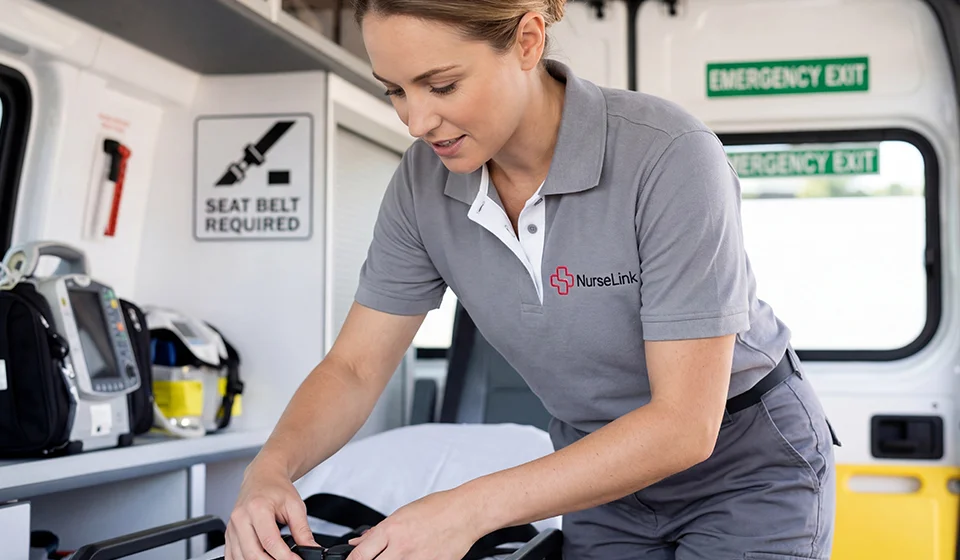
Professional NEPT providers offer several important advantages for patients who require additional support during medical travel. One of the biggest benefits is improved patient safety. Specialised vehicles, mobility equipment, and trained healthcare staff help minimise the risks associated with transferring patients between homes, hospitals, clinics, and aged care facilities.
Patients also benefit from greater comfort and dignity during transport. Healthcare transport teams are trained to support individuals with varying mobility levels, medical conditions, and emotional needs while ensuring a compassionate and respectful experience throughout the journey.
Another significant advantage is the reliability and coordination offered by professional transport services. Delays, missed appointments, or difficulties accessing healthcare can negatively impact patient outcomes, particularly for individuals requiring ongoing treatment. NEPT services help ensure patients arrive safely and on time for appointments, treatments, and procedures.
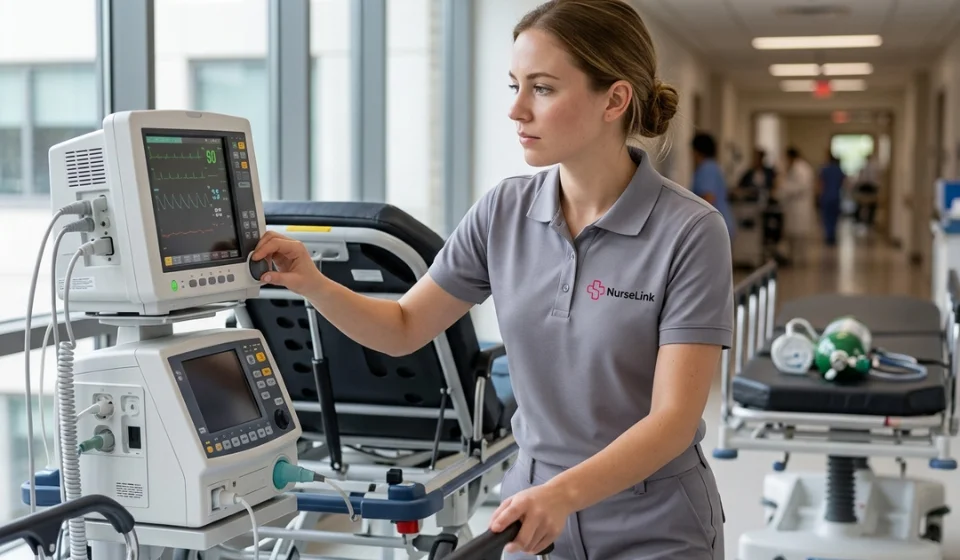
Professional providers are also equipped to support patients with more complex healthcare needs through specialised transport vehicles, clinical supervision, and patient centred care approaches. This level of support can make healthcare more accessible for vulnerable individuals while improving continuity of care between healthcare settings.
How To Access Or Arrange NEPT Services?
- Speak with doctors, hospitals, aged care providers, or healthcare professionals to determine whether NEPT services are suitable for the patient’s medical and mobility needs
- Understand referral and booking requirements before arranging transport, especially for ongoing treatments or specialist appointments
- Prepare important medical information, including mobility needs, medications, oxygen requirements, and healthcare documentation, before transport
- Ask providers about vehicle accessibility, staff qualifications, patient support capabilities, and availability of specialised medical equipment
- Choose a reliable and experienced provider such as NurseLink Healthcare that focuses on safe, compassionate, and patient-centred transport services across Australia
- Working with an experienced healthcare transport provider helps ensure patients receive appropriate support while reducing stress for caregivers and healthcare teams.
Conclusion
Accessible and reliable Non Emergency Patient Transport services are essential for individuals who require additional support attending medical appointments, treatments, and healthcare facilities safely. By providing specialised vehicles, trained healthcare staff, and patient-focused transport solutions, NEPT services help improve healthcare access, patient safety, and overall independence for individuals with complex medical or mobility needs. Professional transport support also provides reassurance for families and caregivers while ensuring continuity of care throughout the healthcare journey.