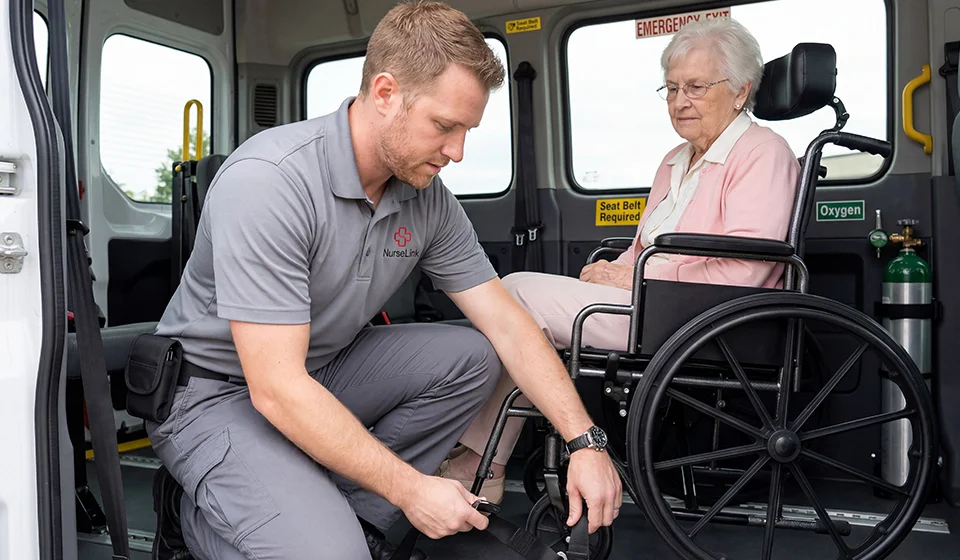
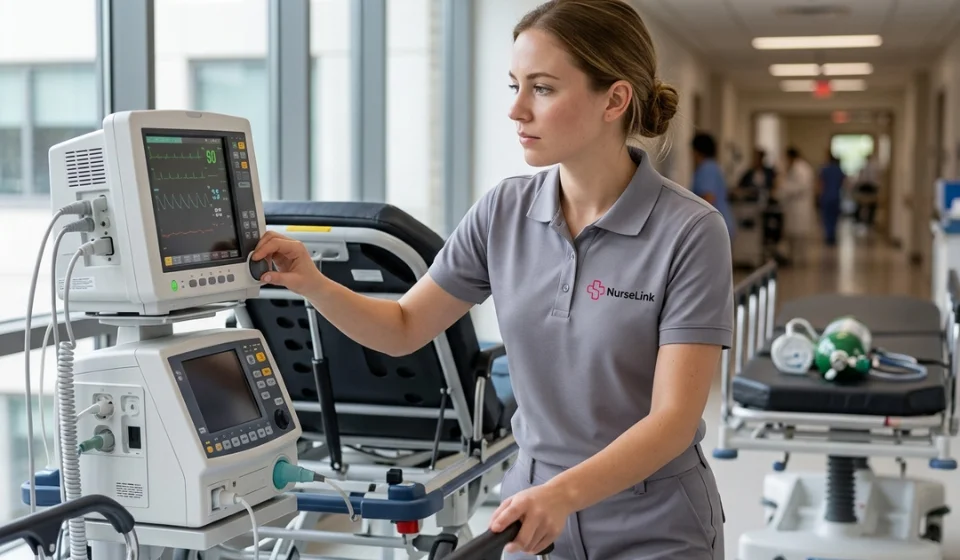
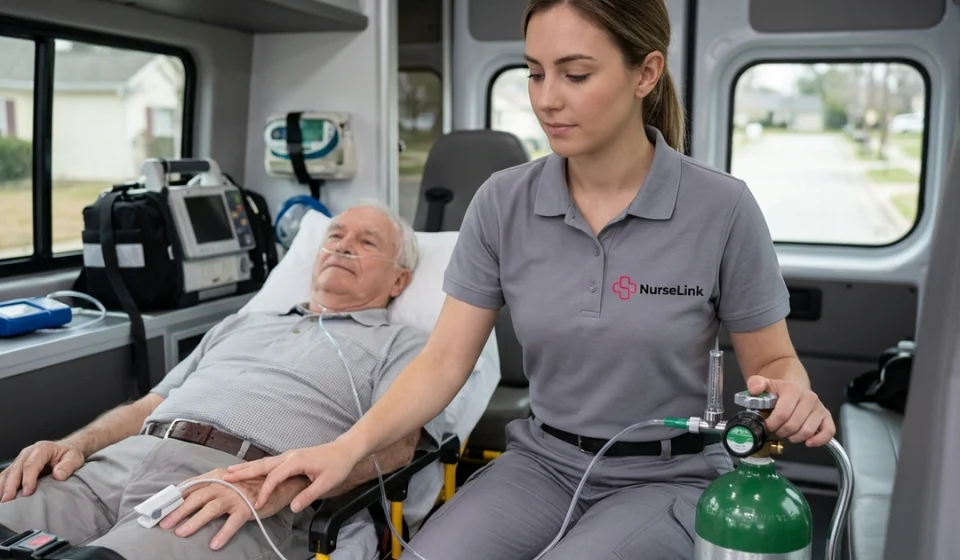
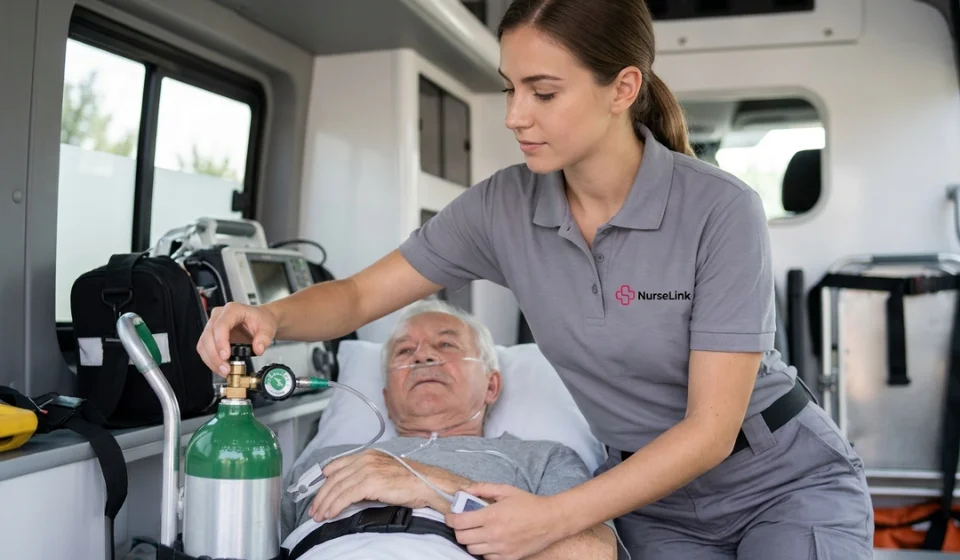
Infection control is a fundamental component of safe and effective healthcare delivery, particularly during patient transport where risks can easily be overlooked. Maintaining strict hygiene during the movement of patients between facilities is essential, as confined environments increase the likelihood of infection transmission. Whether in ambulances or non-emergency transport vehicles, these settings require careful management to protect both patients and healthcare professionals. This makes infection control highly relevant for healthcare providers, transport staff, patients, and caregivers involved in every stage of the transfer process.
What Is Infection Control In Patient Transport Services?
In a healthcare transport context, infection control refers to the set of practices and procedures designed to prevent the spread of infectious agents during patient transfer. Effective infection control in patient transport ensures that both patients and staff are protected from potential exposure to harmful pathogens while maintaining continuity of care.
The primary goal is to minimise the risk of transmission through consistent application of preventive measures. This includes following recognised infection control guidelines and maintaining strict adherence to hygiene and safety protocols throughout the transport process.
- Preventing transmission of infectious agents during patient transfer.
- Use of standard precautions such as hand hygiene, personal protective equipment, and cleaning.
- Application of transmission-based precautions including contact, droplet, and airborne measures.
- Protecting both patients and healthcare workers from infection exposure.
- Ensuring consistency in protocols across all patient transport scenarios.
These measures form the foundation of safe transport practices and are essential in maintaining overall healthcare quality and safety.
Common Infection Risks During Patient Transport
Patient transport environments present unique challenges when it comes to infection control. The close proximity between patients and transport staff increases the likelihood of exposure, particularly in enclosed spaces where ventilation may be limited. This makes it easier for infections to spread if appropriate precautions are not followed.
Cross-contamination is another significant risk. Surfaces such as stretchers, door handles, and seating areas can harbour infectious agents if not properly cleaned between transfers. Inadequate cleaning protocols can lead to the transmission of pathogens from one patient to another, especially in high-use transport vehicles.
Exposure to bodily fluids or respiratory droplets further increases the risk, particularly when transporting patients with infectious conditions. Poor hand hygiene practices can exacerbate this issue, as hands are one of the most common vectors for spreading infections. Additionally, the movement of patients between healthcare facilities can contribute to the spread of infections across different environments.
Vulnerable groups, including older adults and individuals with compromised immune systems, are particularly at risk during transport. For these patients, even minor lapses in hygiene or protocol can have serious consequences, highlighting the importance of maintaining strict healthcare transport hygiene standards at all times.
Key Infection Control Measures & Best Practices
Implementing effective infection control strategies requires a proactive and systematic approach. Healthcare providers and transport staff must consistently follow established protocols to minimise risks and ensure patient safety. This involves careful planning, attention to detail, and clear communication among all involved parties.
Adopting best practices not only reduces the likelihood of infection but also builds trust and confidence in patient transport services. A well-structured approach ensures that all aspects of infection prevention are addressed before, during, and after each transfer.
- Adherence to standard infection prevention protocols.
- Conducting pre-transport risk assessments based on patient condition and infection status.
- Using appropriate personal protective equipment based on risk levels.
- Maintaining proper hand hygiene before, during, and after transport.
- Ensuring safe handling and disposal of medical waste.
- Minimising unnecessary contact and exposure during transfers.
- Communicating clearly between healthcare teams and transport staff.
- Maintaining accurate documentation of infection risks and procedures.
- Regularly reviewing and updating infection control practices.
- Promoting a culture of accountability and safety within healthcare teams.
These measures help create a structured and reliable approach to infection prevention, ensuring that patient transport remains safe and efficient.
Role of PPE & Hygiene Practices In Patient Transport
Personal protective equipment plays a critical role in preventing the spread of infections during patient transport. Items such as gloves, masks, gowns, and eye protection act as barriers that reduce exposure to infectious agents. However, the effectiveness of PPE depends on proper usage, including correct selection, fitting, and disposal.
Understanding when and how to use PPE is essential for maintaining safety. Transport staff must be trained in donning and doffing procedures to prevent contamination. Incorrect handling of PPE can increase the risk of exposure rather than reduce it, making training and awareness vital components of infection control.
Hand hygiene remains one of the most effective measures in preventing infection. Regular handwashing or the use of alcohol-based sanitisers significantly reduces the spread of pathogens. This practice is especially important before and after patient contact, as well as after handling equipment or surfaces.
Maintaining hygiene becomes even more critical during long-distance or multiple patient transfers. Consistent adherence to hygiene protocols ensures that both patients and staff remain protected throughout the journey, reinforcing the importance of vigilance in every aspect of transport care.
Cleaning, Disinfection & Equipment Safety Standards
Cleaning and disinfection are essential components of infection control in patient transport services. Vehicles must be thoroughly cleaned after each use to eliminate any potential contaminants. High-touch surfaces, including door handles, stretchers, and seating areas, require particular attention as they are more likely to harbour pathogens.
Using approved disinfectants and following established cleaning procedures ensures that all surfaces and equipment are properly sanitised. This process not only protects patients but also safeguards healthcare workers who interact with these environments.
- Cleaning transport vehicles after each patient transfer.
- Disinfecting high-touch surfaces such as handles, stretchers, and seats.
- Using approved disinfectants and cleaning agents.
- Ensuring proper cleaning of reusable medical equipment.
- Implementing safe storage, handling, and waste management procedures.
Regular audits and quality checks play a key role in maintaining high standards. These measures help ensure compliance with protocols and identify areas for improvement, contributing to safer healthcare practices.
Compliance, Training, & Safety Guidelines In Australia
In Australia, infection control practices are guided by national healthcare standards and organisational policies. These guidelines provide a framework for maintaining safety and consistency across all healthcare services, including patient transport. Adhering to these standards is essential for delivering high-quality care and protecting both patients and staff.
Training and competency are equally important. Healthcare professionals and transport staff must receive ongoing education to stay updated on current infection control practices. This includes understanding new protocols, responding to emerging health risks, and adapting to changes in healthcare environments.
- Following national and organisational infection control standards.
- Ensuring staff are trained and competent in infection prevention practices.
- Keeping up to date with evolving guidelines and healthcare requirements.
- Maintaining accurate documentation and reporting systems.
- Promoting accountability and continuous improvement in patient transport services.
By prioritising compliance and education, healthcare organisations can create safer environments and improve overall service quality.
Key Takeaways
Infection control is essential for ensuring safe and effective patient transport services. Consistent application of standard precautions, proper use of protective equipment, and adherence to hygiene practices significantly reduce the risk of infection. Thorough cleaning and disinfection between transfers are critical, as is ongoing training and compliance with established guidelines. By maintaining high standards and prioritising safety, healthcare providers can protect both patients and staff while delivering reliable and high-quality care.