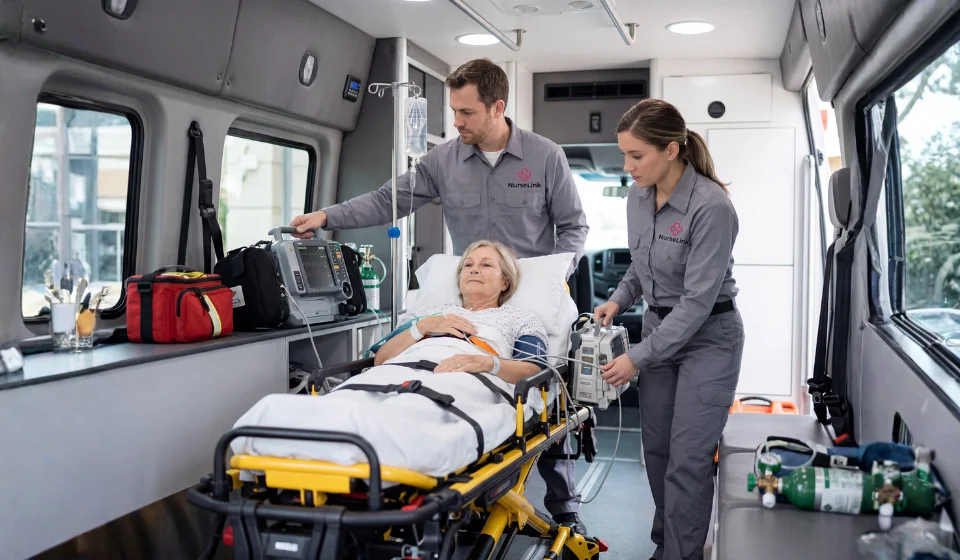
Getting to a medical appointment is not always as simple as travelling in a standard car. For some people, mobility limitations, disability, injury or reduced physical capacity can make getting into a vehicle, sitting safely or travelling for an extended period challenging. A suitable patient transport vehicle is designed to address these practical needs through greater accessibility, appropriate passenger space and safety features. The difference is not simply in the vehicle itself, but also in how the transport service supports passenger comfort, dignity and safe travel. In this article, we explore the key features of patient transport vehicles, who can benefit from them, how they differ from regular vehicles and what patients and families should consider when choosing a professional transport service.
What Is A Patient Transport Vehicle?
A patient transport vehicle is a vehicle specifically used to transport people who may have mobility, accessibility or other healthcare-related transport requirements. Unlike a conventional car, it can be equipped or configured to accommodate passengers who may need assistance getting into or out of the vehicle, travelling with a wheelchair or using other mobility equipment.
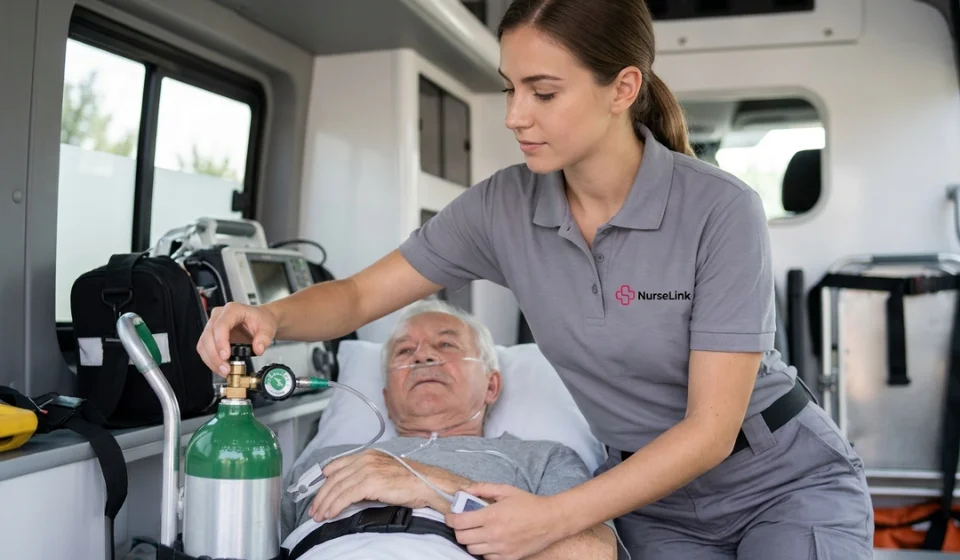
Patient transport is generally associated with non-emergency journeys. This can include travelling to medical appointments, rehabilitation sessions, hospitals, clinics or other healthcare facilities when an emergency ambulance is not required. Depending on the passenger’s needs, the vehicle and service may provide:
- Wheelchair accessibility.
- Suitable seating and passenger positioning.
- Equipment to secure mobility devices.
- Additional space for mobility aids.
- Assistance with safe boarding and exiting.
The exact vehicle capabilities and level of assistance available can vary between providers, so it is important to communicate individual requirements when arranging transport.
How Is A Patient Transport Vehicle Different From A Regular Vehicle?
Regular vehicles are primarily designed to transport passengers from one location to another. While many cars offer basic safety features and comfortable seating, they are not necessarily designed for people who have difficulty transferring from a wheelchair, require additional room or need mobility equipment during a journey.
The patient transport vehicle design considers these requirements from the outset. Accessibility, passenger positioning, available space and appropriate restraint systems can all play a role. These differences can be particularly important for someone who cannot easily bend, stand or transfer into a conventional passenger seat.
Accessibility & Mobility Features
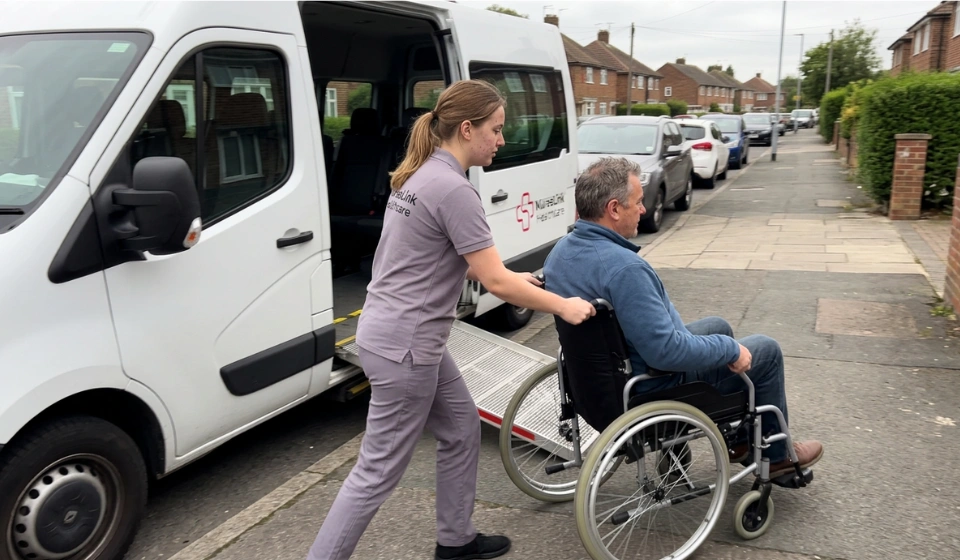
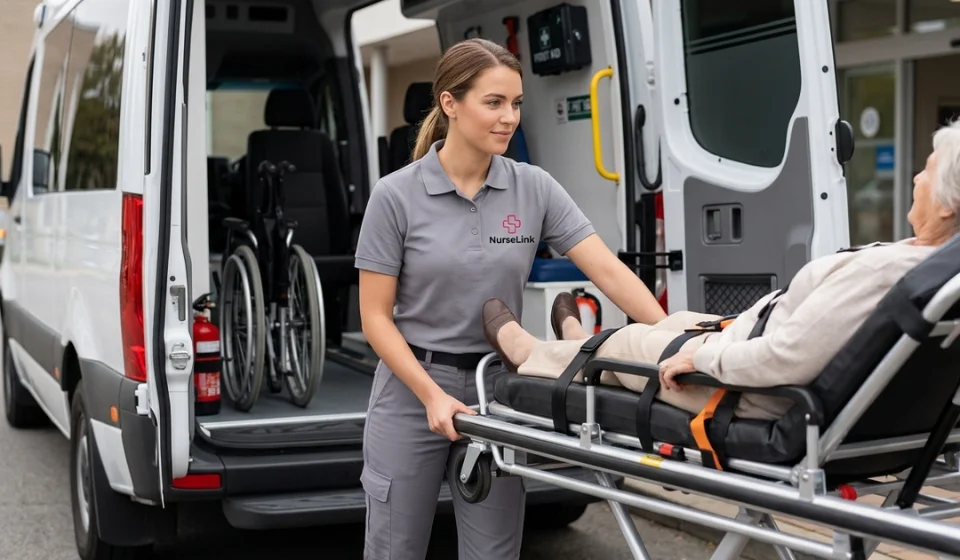
Accessibility is one of the most obvious differences between specialised patient transport and ordinary vehicles. Depending on the vehicle, accessibility features may include wheelchair access through a ramp or lift, allowing a passenger to enter without needing to transfer into a standard seat.
Additional interior space can also make a significant difference. A suitable vehicle may allow a wheelchair or other mobility aid to be accommodated safely without creating unnecessary obstacles for the passenger or driver.
Easier entry and exit are particularly valuable for people with reduced mobility. A suitable access arrangement can help minimise physical strain and make the journey less stressful for both the passenger and anyone assisting them.
Passenger Safety & Comfort
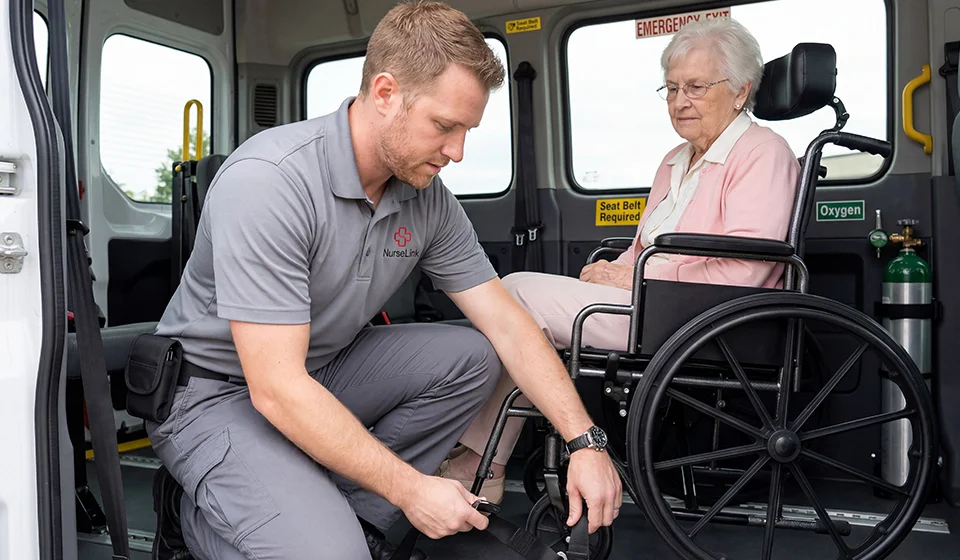
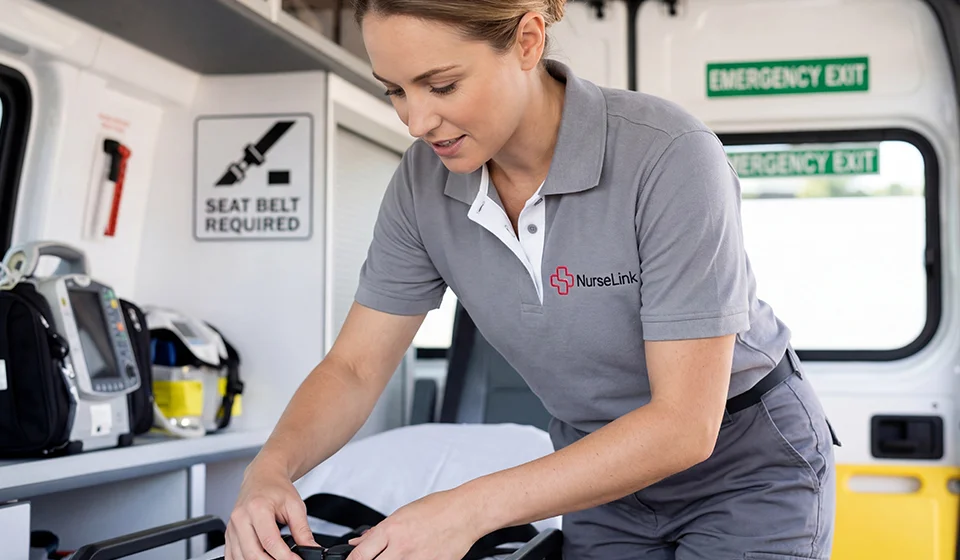
Safety involves more than simply wearing a seatbelt. Appropriate passenger positioning and secure wheelchair restraint systems are important when transporting someone who remains in their mobility device during a journey.
A suitably designed vehicle can also provide enough room for safe transfers where a passenger needs to move from a wheelchair into a vehicle seat. Comfortable seating and appropriate interior space can make longer journeys more manageable, particularly for people attending regular appointments or treatment.
What Features Are Commonly Found In Patient Transport Vehicles?
The patient transport vehicle features available will depend on the type of vehicle, its intended use and the provider. Not every vehicle will have the same configuration, so passengers should confirm whether a particular vehicle can accommodate their individual needs before booking.
Common features may include accessible entry points, ramps or lifts, wheelchair restraint systems and specialised seating arrangements. These features are designed to make boarding, travelling and exiting the vehicle safer and more practical for passengers who require additional assistance.
The patient transport vehicle equipment may also include systems for securing wheelchairs and other mobility devices. Additional storage can be useful when passengers need to travel with walking frames, mobility aids or other essential equipment.
Examples of features that may be available include:
- Wheelchair ramps or lifting mechanisms.
- Secure wheelchair restraint systems.
- Accessible entry and exit points.
- Supportive passenger seating.
- Additional interior space.
- Storage for mobility equipment where appropriate.
The patient transport vehicle specifications can differ considerably between providers and vehicle types. Rather than focusing only on the appearance or size of a vehicle, patients should consider whether it can safely accommodate their specific mobility and accessibility requirements.
Who Can Benefit From Patient Transport?
Patient transport can be useful for people who cannot safely or comfortably use standard transport for healthcare-related journeys. This may include people with mobility limitations, physical disabilities, injuries or other circumstances that make conventional vehicle access difficult.
Patients may use non-emergency transport to attend medical appointments, hospital visits, rehabilitation, therapy sessions or other healthcare services. Reliable transport can be particularly valuable for people who have regular appointments and need a practical way to travel without relying entirely on family or friends.
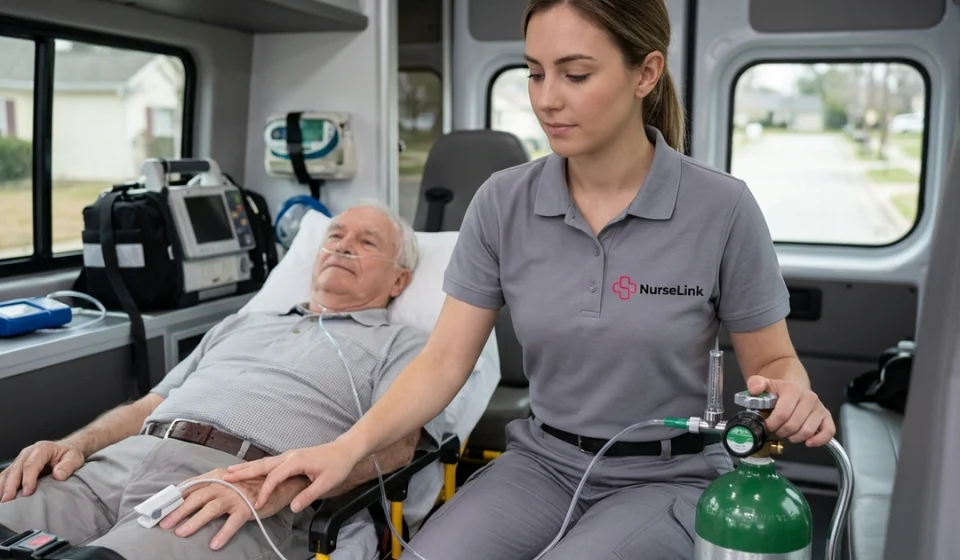
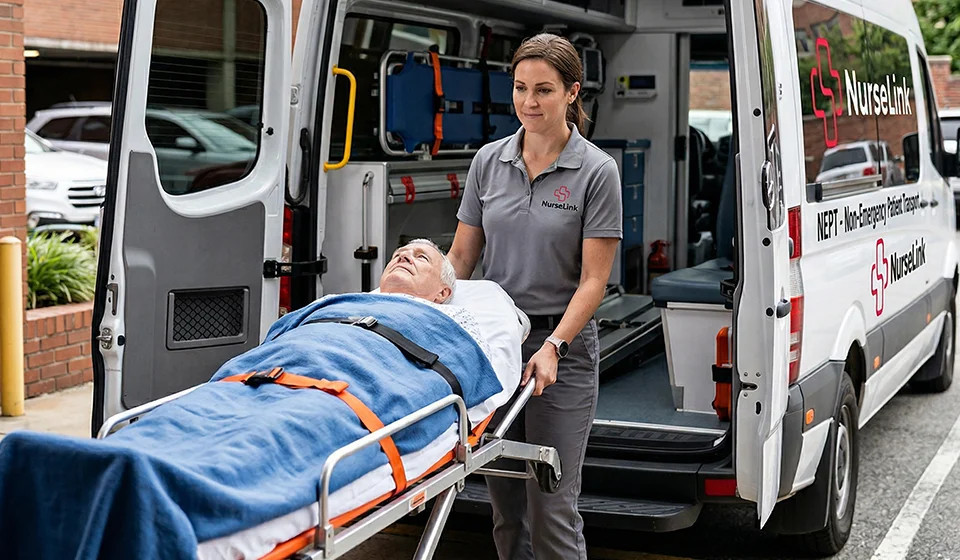
It is important to distinguish non-emergency patient transport from emergency ambulance services. NEPT is intended for planned journeys where immediate emergency medical treatment or emergency response is not required. If someone is experiencing a medical emergency, emergency services should be contacted rather than arranging routine patient transport.
How Does Patient Transport Improve Safety & Independence?
Getting into and out of a conventional vehicle can be physically demanding for someone with limited mobility. A suitable patient transport vehicle can reduce some of these difficulties by providing appropriate access, additional space and equipment designed around the passenger’s needs.
Safe transport also depends on more than the vehicle. Mobility equipment needs to be appropriately secured, and passengers may require assistance with boarding, positioning or exiting. Professional transport services can help ensure that these practical aspects are considered before and during the journey.
Reliable patient transport can also support greater independence. When people have a dependable way to attend appointments, rehabilitation and other healthcare services, they may have fewer barriers to accessing essential care. For families and carers, knowing that a passenger’s mobility requirements have been considered can provide additional peace of mind.
Most importantly, patient transport should preserve dignity. A person should not feel that their mobility requirements are an inconvenience. A respectful service recognises individual needs and provides assistance in a way that supports comfort, privacy, independence and choice.
Choosing The Right Patient Transport Service
Choosing a patient transport provider involves looking beyond the vehicle itself. Patients and families should consider whether the provider can accommodate the passenger’s specific requirements, including wheelchair access, mobility equipment, transfer needs and the expected length of the journey. It is also worth asking about availability, booking arrangements and what level of assistance is provided.
The experience of the transport team matters as well. A suitable provider should prioritise safe practices, reliability and respectful communication. Before travelling, passengers should explain their mobility or accessibility requirements clearly so the provider can determine whether an appropriate vehicle and service are available.
When comparing patient transport services, consider:
- Whether the vehicle can accommodate the passenger’s mobility equipment.
- Whether appropriate accessibility and restraint systems are available.
- Whether staff are experienced in supporting passengers with additional needs.
- Whether the provider offers reliable and timely transport.
- Whether the service is respectful, person-centred and responsive.
NurseLink Healthcare takes a personalised approach to non-emergency patient transport. Its services are designed around the needs of individual passengers, with a focus on safe, reliable and compassionate care. By considering accessibility requirements and the practical needs of each journey, NurseLink Healthcare helps patients travel to healthcare appointments and other essential destinations with greater confidence and dignity.
For people who require ongoing transport support, having a provider that understands their requirements can also make future journeys easier to coordinate. Clear communication between the passenger, family or carer and transport team helps ensure that appropriate arrangements are considered before each trip.
Key Takeaways
Patient transport vehicles are specifically designed to address accessibility, safety and comfort requirements that may not be met by ordinary vehicles. Features such as wheelchair access, appropriate restraint systems, additional space and mobility equipment can make healthcare journeys more practical for people requiring additional assistance. However, effective patient transport also depends on experienced and respectful staff who understand individual needs. Choosing the right service can help patients access essential healthcare more safely, comfortably and with greater dignity and independence.