A patient transfer involves safely moving a person between locations such as a hospital, healthcare facility, residential care setting or home. Knowing the patient transfer day process can reduce uncertainty and help patients and carers prepare for pickup, travel and arrival. Professional patient transport services support safe, comfortable and appropriate transfers.
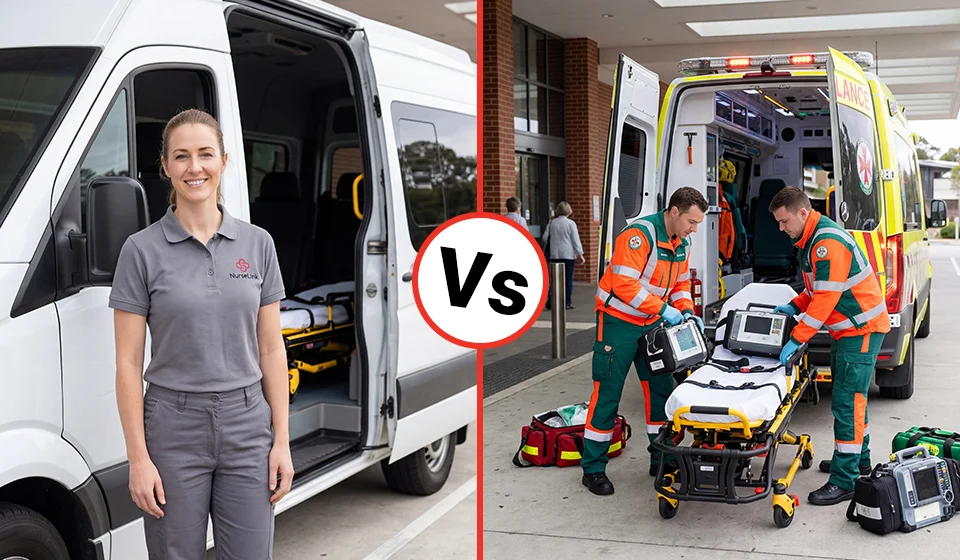
A patient transfer may be arranged for a medical appointment, hospital admission, discharge, rehabilitation, specialist consultation or movement between care facilities. Unlike emergency ambulance services, non-emergency patient transport is designed for people who require assistance travelling but do not need emergency medical treatment during the journey.
Understanding the non-emergency patient transport process can make the day more predictable. From preparing personal and medical items to meeting the transport team and completing the handover, each stage contributes to a safe and organised experience.
Preparing For Your Patient Transfer
Preparing in advance helps make a patient transfer smoother, safer and less stressful. Before the scheduled journey, patients and carers should confirm the pickup time, collection address and destination. It is also useful to check whether the transport provider needs specific information about mobility, accessibility or assistance requirements.
Patients should have essential medical information, medications and relevant personal belongings ready. Depending on the reason for travel, this may include appointment documentation, referral information, identification, mobility aids and any equipment required during the journey. Knowing what to bring for a patient transfer can prevent unnecessary delays and ensure important items are not left behind.
Comfortable clothing and suitable footwear can make movement easier, particularly when a patient needs assistance getting into or out of a vehicle. Patients who use wheelchairs, walking frames or other mobility equipment should communicate these requirements when booking transport rather than waiting until pickup.
Do I need to prepare anything before patient transport arrives? Yes. Confirm the journey details, have essential items ready and communicate any mobility or accessibility needs in advance. Following instructions provided by the healthcare provider or transport service can also help the transfer proceed efficiently.
What Happens When The Patient Transport Team Arrives?
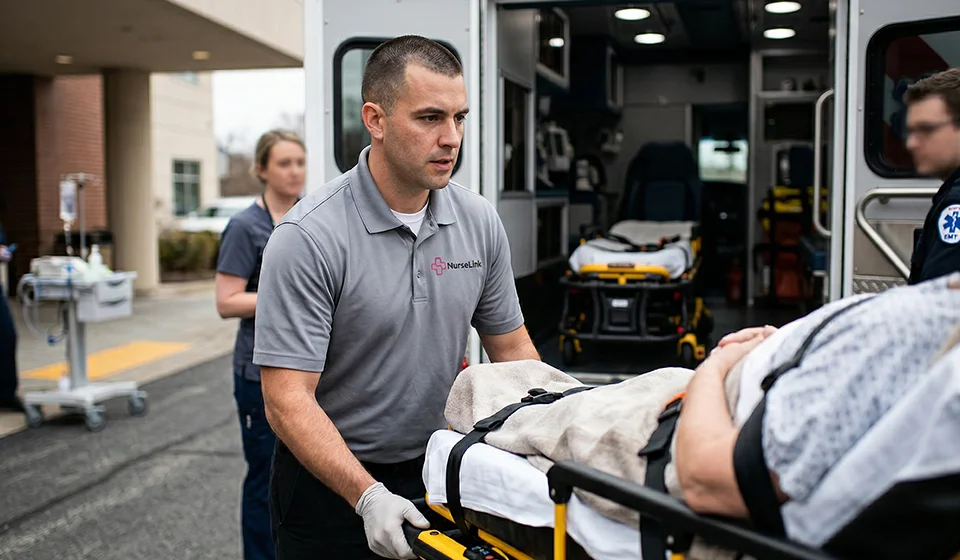
When the patient transport team arrives, staff will generally confirm the patient’s identity, destination and transport requirements before beginning the transfer. This initial check helps ensure that the right person is transported to the correct location and that staff understand any relevant support needs.
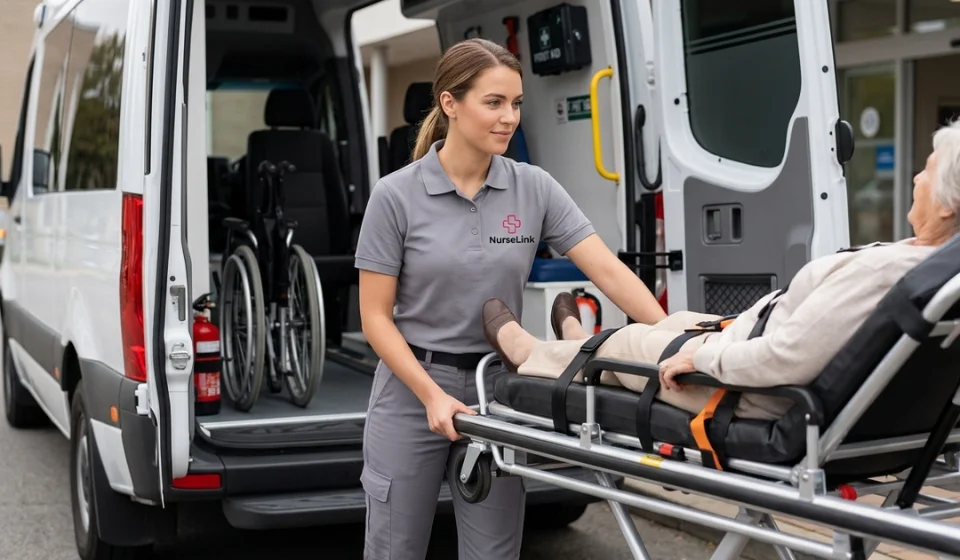
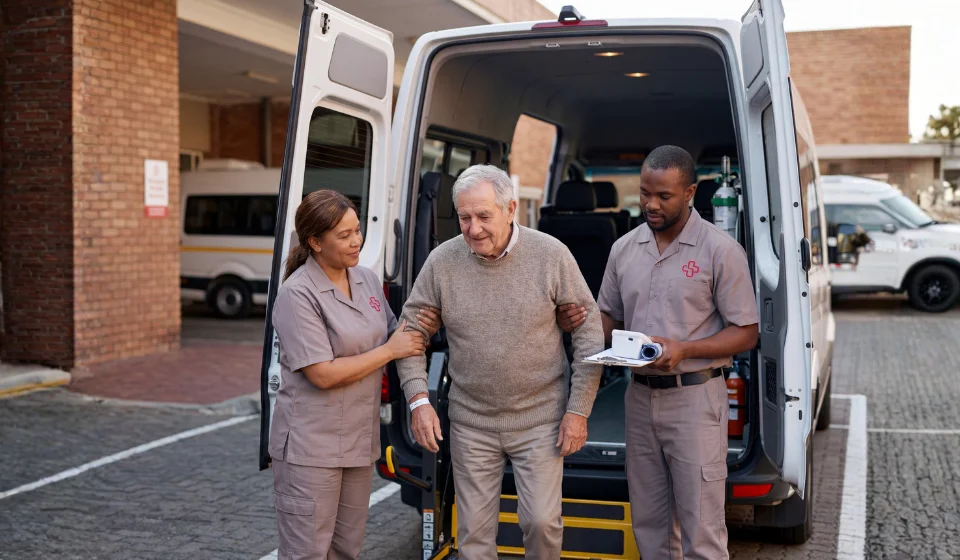
Transport staff may assess how the patient moves and determine what assistance is required to reach the vehicle safely. Depending on the patient’s circumstances, this may involve support from a bed, chair, wheelchair or other suitable position. Appropriate equipment and procedures can be used where required.
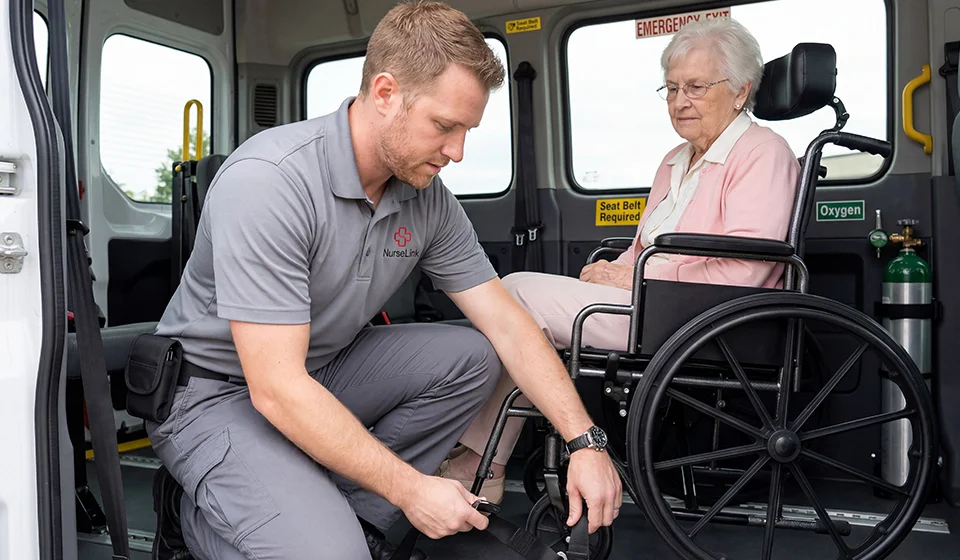
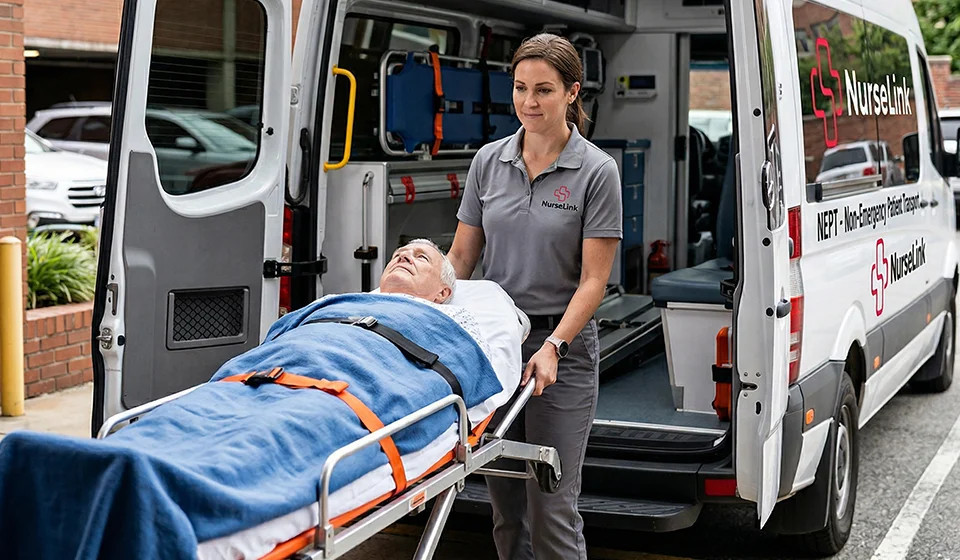
A wheelchair user, for example, may need assistance entering the vehicle and securing the wheelchair correctly. Patients who require stretcher transport may have different transfer arrangements. Family members and carers can provide relevant information during the handover, particularly if they are familiar with the patient’s usual mobility or communication needs.
Clear communication before departure is important. Patients and carers should feel comfortable explaining concerns, asking questions and informing staff about anything that could affect the journey.
What Patients & Carers Can Expect During Patient Transfer
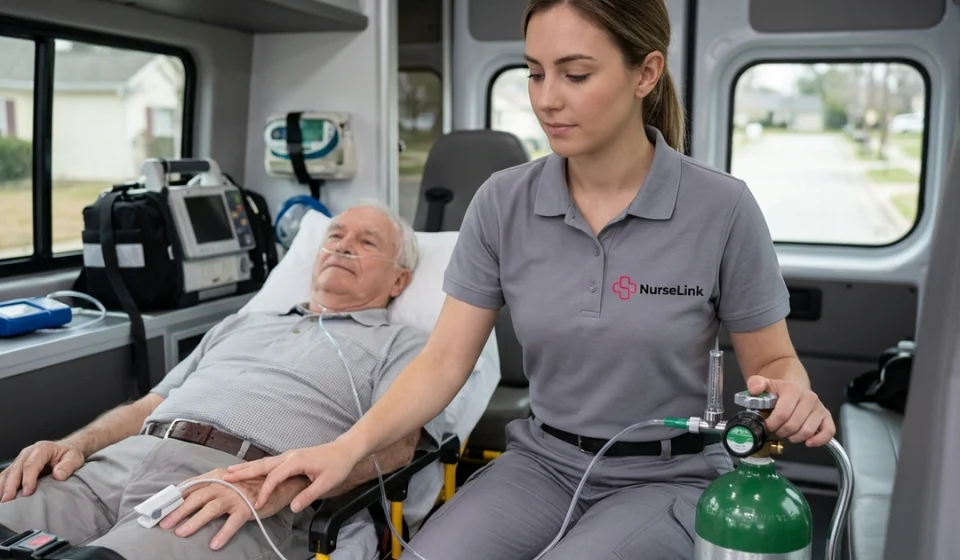
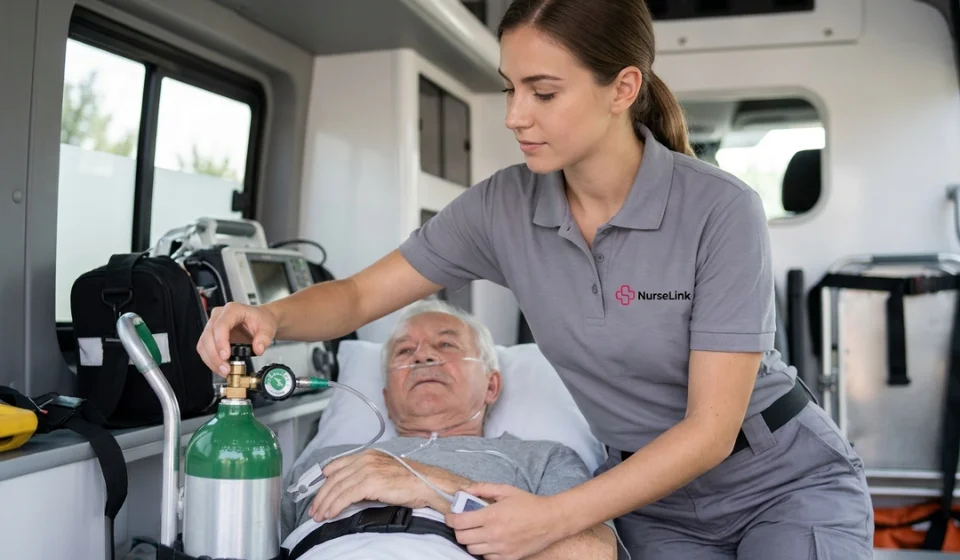
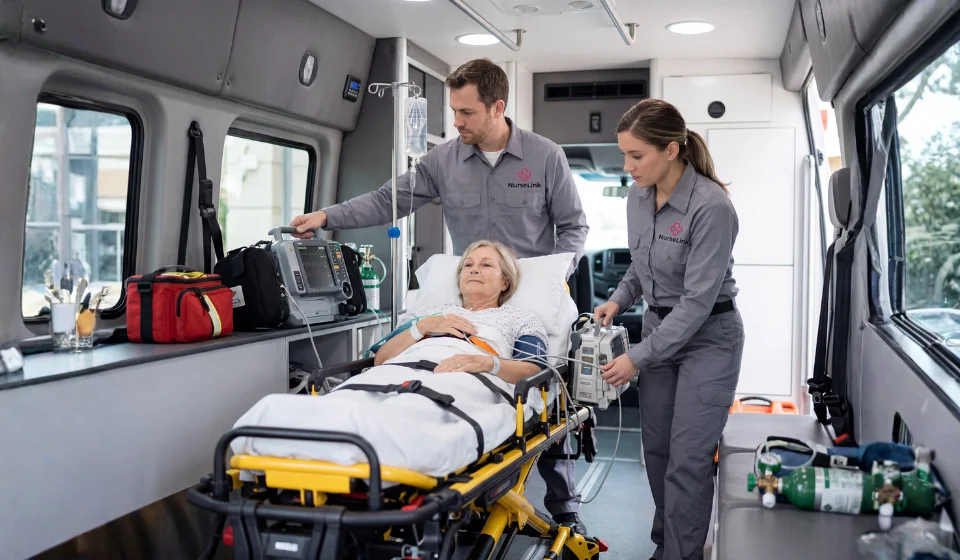
Patients can generally expect trained transport staff to provide practical assistance throughout the journey while maintaining safety, dignity and comfort. The exact experience depends on the patient’s needs, the distance travelled and the type of transport arranged.
Once safely settled in the vehicle, patients may experience the following:
- Assistance with entering, exiting and positioning safely within the vehicle.
- Appropriate support for wheelchair users or people with limited mobility.
- Help with accessibility requirements where these have been identified in advance.
- Communication from transport staff throughout the journey when appropriate.
- Assistance with concerns about comfort, positioning or changing needs.
Journey times can vary because of distance, traffic conditions, roadworks, appointment schedules and other factors. Patients and carers should allow enough time around important appointments rather than assuming every journey will take exactly the same amount of time.
Carers travelling with a patient may provide reassurance and practical support, depending on the transport arrangements. They can also communicate relevant information to staff if the patient has difficulty explaining their needs.
What happens during a non-emergency patient transfer can vary from one person to another. The service is focused on safe and appropriate transportation rather than emergency medical treatment. Patients should tell transport staff promptly if they experience discomfort, become distressed or notice a change in their condition.
Safety, Comfort & Communication During The Journey
Safety, comfort and clear communication are central to professional patient transport. Patients should be positioned appropriately for their mobility needs, while wheelchairs and other equipment should be secured according to the vehicle and transport requirements.
Trained transport staff and properly maintained vehicles are important because they help reduce avoidable risks during boarding, travel and unloading. Professional services should also follow appropriate hygiene and infection control practices to help maintain a clean transport environment.
Patients can support a safe journey by communicating their needs clearly. They should tell transport staff if their position becomes uncomfortable or if they need assistance. Important considerations include:
- Safe seating, positioning and securement throughout the journey.
- Appropriate handling and securement of wheelchairs or mobility equipment.
- Clear communication about discomfort, accessibility needs or changes in condition.
What happens if my condition changes during transport? Patients should tell the transport staff immediately if they feel unwell or their condition changes. Non-emergency transport is not intended to replace emergency medical care, so a significant or urgent deterioration may require appropriate emergency assistance.
What Happens When You Arrive At Your Destination?
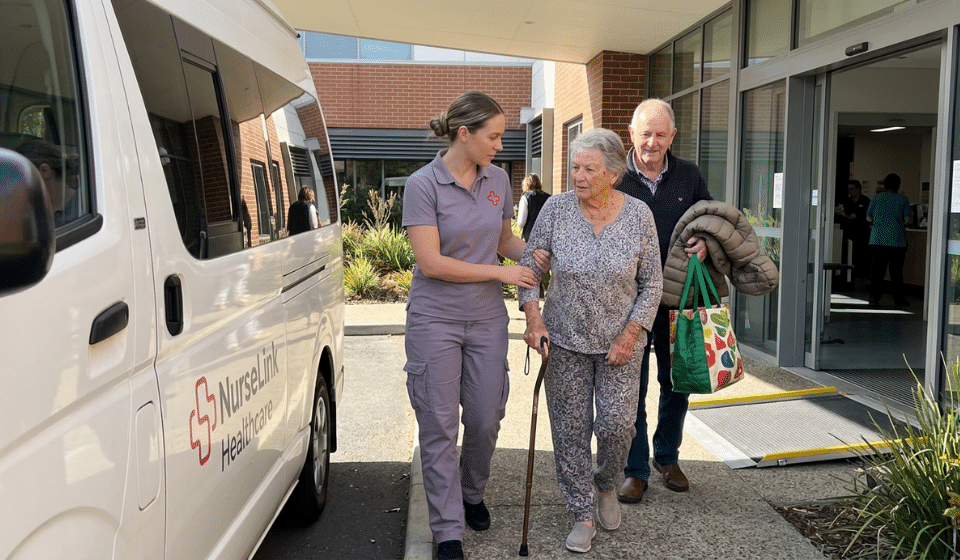
When the patient arrives at the destination, transport staff generally assist with a safe transition from the vehicle to the appropriate entrance, waiting area or receiving location. The level of assistance depends on the patient’s mobility, the destination and the transport arrangements.
For example, a patient attending a hospital appointment may be assisted from the vehicle to an appropriate area of the facility. A wheelchair user may receive help moving safely from the vehicle into the building. Patients with mobility equipment may also need assistance ensuring that their belongings and equipment are transferred safely.
A proper handover can be particularly important when a patient is arriving at a healthcare or residential care setting. Where appropriate, relevant information can be communicated to the receiving team so that the patient’s transition into their appointment, treatment or care setting is organised.
Patients and carers should check that essential personal belongings, medications, mobility aids and other items have been collected before leaving the vehicle or transfer area. If a carer is accompanying the patient, they can also confirm that the receiving team is aware of the patient’s arrival and any immediate requirements.
A smooth arrival is the final part of the patient transfer process and helps the patient move from transportation into their next stage of care with less disruption.
Key Takeaway
Understanding the patient transfer day process can make transportation more predictable for patients, families and carers. Preparing essential information and belongings, communicating individual needs, working with the transport team during pickup and allowing time for a safe handover can all contribute to a smoother journey. Professional non-emergency patient transport services play an important role in providing safe, comfortable and reliable transfers for people who need assistance travelling but do not require emergency medical care. Choosing an experienced patient transport provider can give patients and carers greater confidence throughout the transfer process.
Frequently Asked Questions
What Is the Non Emergency Patient Transport Process?
The non-emergency patient transport process generally includes booking, confirming journey details, preparing the patient, pickup, safe boarding, transportation and arrival at the destination. Staff may assist with mobility and accessibility requirements throughout the journey. The exact process depends on the patient’s needs, destination and type of transport arranged.
What Is the Patient Transfer Day Process?
The patient transfer day process typically begins with preparation at home, hospital or another care setting. The transport team confirms patient and journey details, assists with safe movement to the vehicle, provides support during travel and helps with the arrival and handover at the destination.
What Happens During a Non Emergency Patient Transfer?
During a non-emergency patient transfer, trained transport staff support the patient with safe boarding, positioning and travel. Wheelchairs and other mobility equipment may be secured appropriately. Patients can communicate concerns or discomfort during the journey. The service is intended for safe transportation rather than emergency medical treatment.
What To Bring for a Patient Transfer?
What to bring for a patient transfer depends on the purpose of the journey. Useful items may include identification, appointment information, medications, relevant medical documents, mobility aids and necessary personal belongings. Patients should follow any specific instructions provided by their healthcare provider or transport service.
What Happens If My Condition Changes During Transport?
If your condition changes during transport, tell the transport staff immediately. They can respond according to the circumstances and available procedures. Non-emergency patient transport is not designed for emergency medical treatment. If a serious or urgent medical deterioration occurs, emergency medical assistance may be required.
Do I Need to Prepare Anything Before Patient Transport Arrives?
Yes, basic preparation can make patient transport easier. Confirm the pickup time and destination, prepare essential medications and documents, and have mobility aids or personal belongings ready. Patients should also communicate accessibility or assistance requirements before pickup so appropriate arrangements can be considered.