Transporting someone with dementia requires careful planning, patience and personalised support. Dementia can affect memory, communication and the ability to manage unfamiliar situations, making medical journeys stressful. Using familiar routines, calm communication and suitable transport arrangements can help reduce anxiety, maintain safety and make the journey more comfortable.
Why Patient Transport Can Be Distressing For People With Dementia
Patient transport can cause distress because dementia may affect how a person understands their surroundings, remembers information and responds to change. They may not recognise the vehicle, understand why they are travelling or remember the destination. These experiences can lead to uncertainty, fear or resistance, even when the journey is necessary.
Unfamiliar environments, loud noises, bright lights, traffic and changes to daily routines can increase confusion. A person who usually feels settled at home may become anxious when asked to leave. They may also feel uncomfortable if they are rushed, handled unexpectedly or separated from a familiar caregiver. Dementia Australia recommends planning journeys carefully and considering whether the person is likely to find the experience stressful.
Signs of distress can include repeated questions, restlessness, facial tension, crying, raised voices, withdrawal or attempts to leave the vehicle. Some people may repeatedly ask to go home or become resistant when approached. These behaviours may communicate fear, discomfort, pain or confusion rather than deliberate non-cooperation. Recognising the possible cause helps caregivers respond with patience instead of confrontation.
How To Prepare A Person With Dementia For Medical Transport
Preparing a person with dementia for medical transport can reduce uncertainty and help them feel more secure. A familiar routine, clear explanations and appropriate transport arrangements can make the journey easier to manage.
- Explain The Journey Simply: Use short, reassuring sentences to explain what will happen. For example, say, “We are going to the doctor, and I will be with you.” Repeat the information calmly if needed.
- Maintain Familiar Routines: Where possible, schedule transport around the person’s usual meals, medication and rest periods. Allow enough time to get ready without rushing.
- Pack Essential Items: Bring necessary medication, identification, appointment details, water and familiar belongings such as a handbag, blanket or small comfort item. Check that any mobility aids are available.
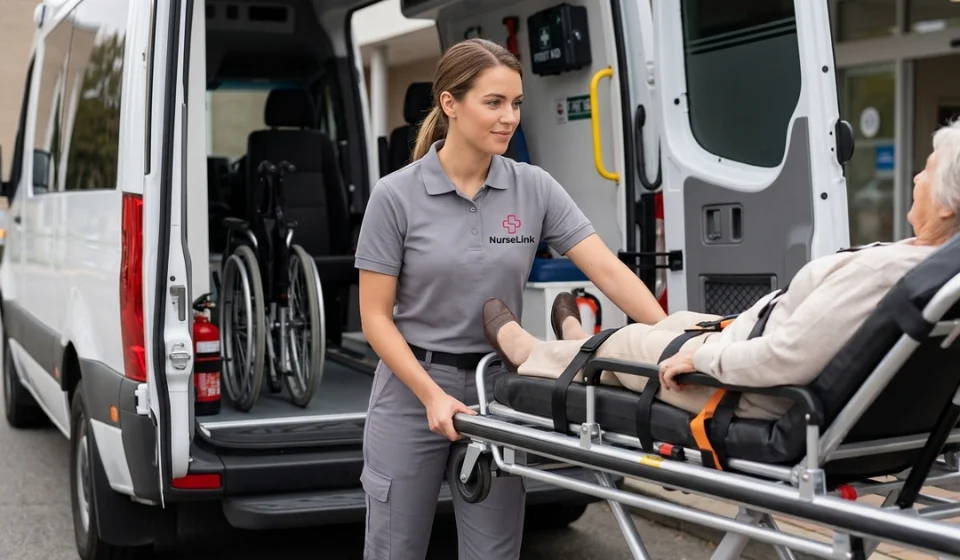
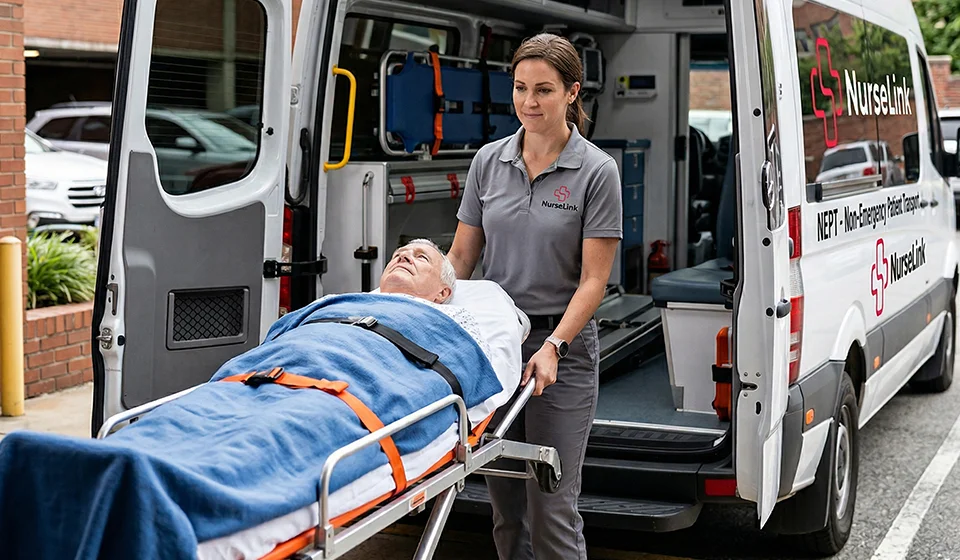
- Choose Suitable Transport: Consider the person’s mobility, transfer requirements, medical needs and ability to tolerate the journey. A suitable non-emergency patient transport (NEPT) service may be appropriate when professional assistance is needed.
- Involve Familiar Caregivers: A family member or regular carer can share useful information about the person’s routines, preferences, communication style and common triggers.
Planning should also account for the destination and the expected length of the journey. If the person has previously become distressed during transport, discuss this with their healthcare professional and transport provider before travelling.
Effective Communication Strategies To Reduce Anxiety
Calm, respectful communication can help a person with dementia feel safer during transport. The aim is to reduce confusion, acknowledge their feelings and explain what is happening without overwhelming them.
- Use A Calm & Reassuring Tone: Speak slowly and clearly, using the person’s name where appropriate. A friendly tone and relaxed body language can help establish trust.
- Give One Instruction At A Time: Break tasks into simple steps, such as “Let’s stand up” or “Please sit here.” Allow extra time for the person to understand and respond.
- Offer Reassurance Rather Than Confrontation: If the person is confused or asks the same question repeatedly, respond patiently. Avoid arguing, criticising or insisting that they remember information.
- Watch Non-Verbal Signals: Facial expressions, gestures, posture and changes in behaviour may reveal discomfort or fear, especially when the person has difficulty explaining how they feel.
- Adapt Communication To Individual Needs: Consider hearing or vision difficulties, preferred language and familiar ways of communicating. Reduce background noise and make eye contact at a comfortable level.
When a person expresses fear, acknowledge the emotion before offering reassurance. For example, saying, “I can see you’re worried. I’m here to help,” may be more comforting than repeatedly telling them there is nothing to worry about. Dementia Australia’s guidance for emergency services also emphasises a calm approach, simple communication and attention to the person’s cues.
Practical Ways To Ensure Comfort & Safety
Comfort and safety during transport depend on suitable seating, careful transfers and regular attention to the person’s needs. Small adjustments can help reduce physical discomfort and prevent avoidable distress.
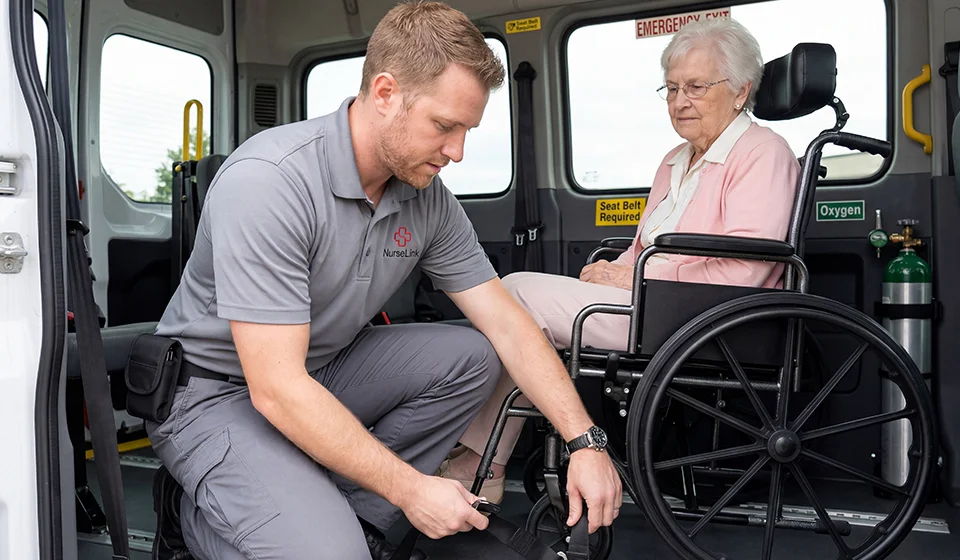
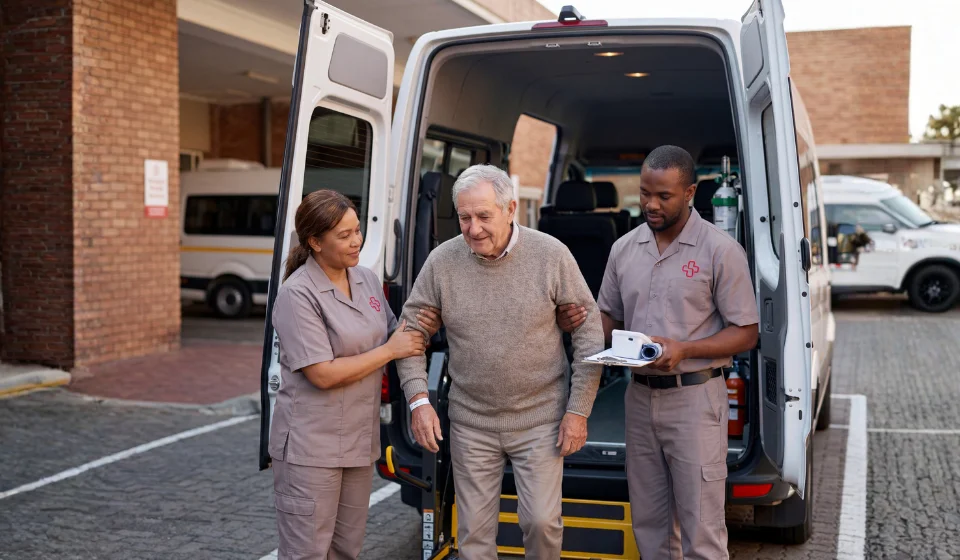
- Support Safe Transfers: Allow sufficient time to enter and exit the vehicle. Use appropriate mobility aids and follow safe manual handling procedures. Never rush someone who needs assistance.
- Provide Comfortable Seating: Ensure the person is positioned comfortably and that the seatbelt is secure without being unnecessarily restrictive. Check that their posture and mobility needs are supported.
- Reduce Sensory Triggers: Keep noise at a comfortable level, avoid sudden movements and limit unnecessary conversation. Where practical, reduce exposure to bright lights or busy surroundings.
- Keep Familiar Items Nearby: A familiar blanket, photograph or personal belongings may provide reassurance. Offer water or a suitable snack if appropriate and safe for the person.
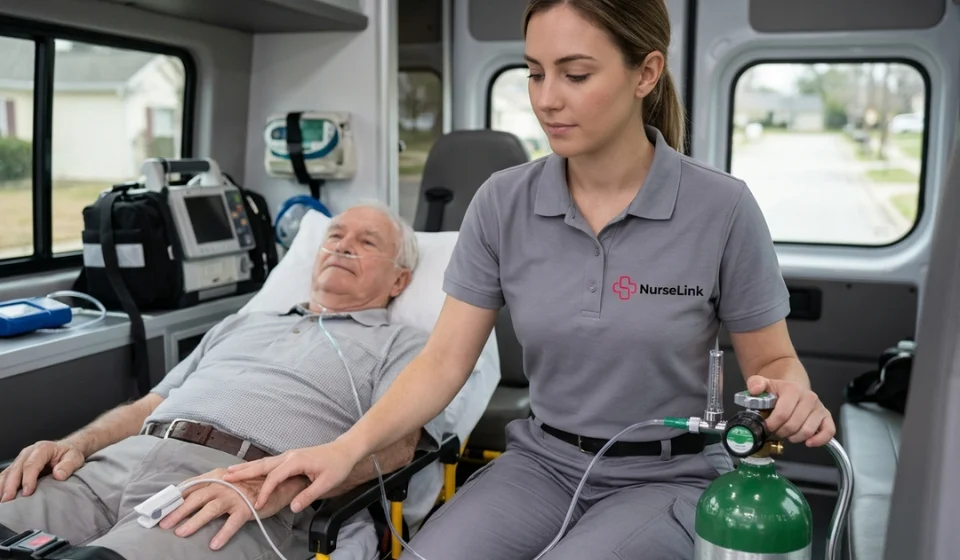
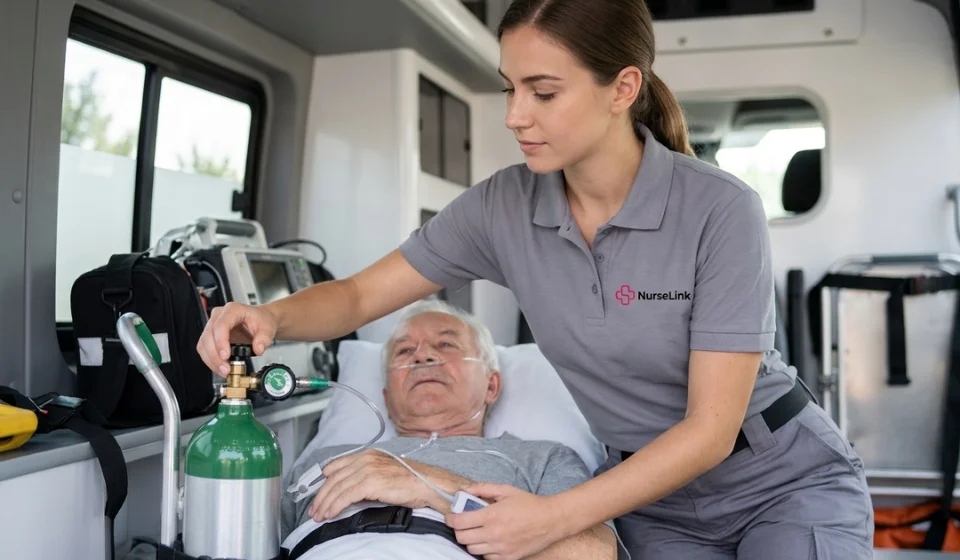
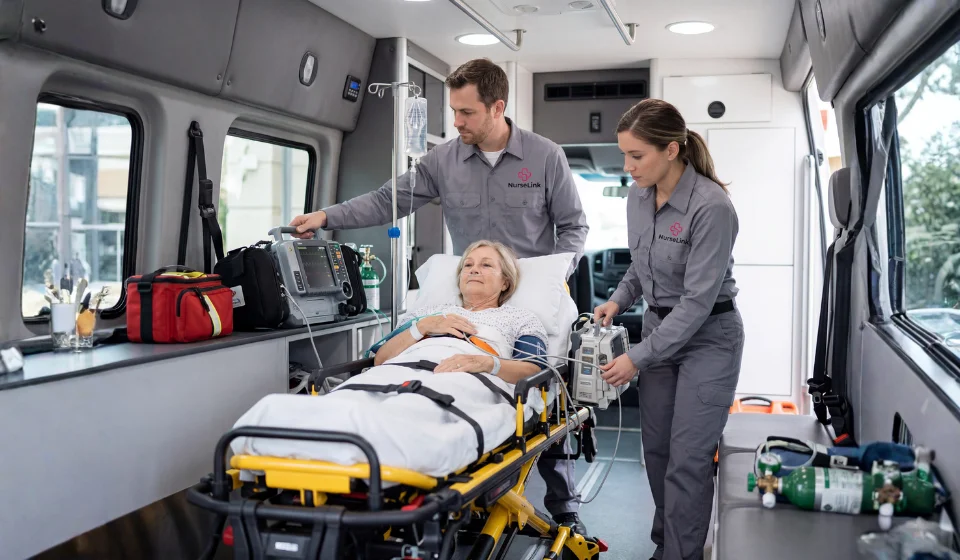
- Monitor Comfort Throughout The Journey: Watch for signs of pain, fatigue, nausea, agitation or a need to use the toilet. Respond promptly and consider a safe break if the journey allows.
A dementia-friendly transport approach should be flexible rather than relying on one routine for everyone. The person’s medical condition, mobility, preferences and response to previous journeys should guide the arrangements.
How Caregivers & Healthcare Professionals Can Manage Distress
Caregivers and healthcare professionals can manage distress by identifying early signs of anxiety, responding calmly and adjusting their approach to the person’s needs. Remaining patient and offering reassurance can help prevent a difficult moment from escalating.
If the person becomes restless, repeatedly asks to go home or tries to leave the vehicle, first consider what may be causing the behaviour. They may be frightened, uncomfortable, tired or confused. Check for physical needs, such as pain, thirst or the need to use the toilet, and respond appropriately.
Reassurance and gentle redirection may help. A familiar conversation, favourite music or a simple activity can provide comfort, provided it does not create additional sensory stress. Avoid arguing or forcing the person to accept explanations they cannot understand. If distress increases, pause in a safe place when possible and reassess the situation.
Caregivers should share relevant information with transport staff, including communication preferences, mobility requirements, known triggers and strategies that have helped previously. If distress is severe, persistent or unusual, seek appropriate clinical advice. A healthcare professional can help determine whether the journey should be delayed or the transport plan changed.
Key Takeaway
Transporting patients with dementia requires preparation, clear communication and care tailored to individual needs. Familiar routines, comfortable seating, appropriate assistance and a calm approach can help reduce distress and improve safety. Caregivers and trained healthcare professionals play an important role in recognising anxiety, responding patiently and supporting a more reassuring journey.
Frequently Asked Questions
How Do You Calm Someone With Dementia In The Car?
Speak calmly, use short and reassuring sentences, and avoid arguing if the person becomes confused or upset. Check whether they are uncomfortable, thirsty, tired or experiencing pain. Familiar music or a comforting personal item may help. If distress continues, stop in a safe location when practical and assess what support the person needs.
What Do You Do When A Dementia Patient Refuses To Get In The Vehicle?
Avoid forcing or rushing the person. Give them time, explain the journey in simple language and try to understand why they are refusing. They may feel frightened, confused or uncomfortable. A familiar caregiver, a short break or a different approach may help. If the journey is medically necessary, seek advice from the healthcare team.
What Is The Best Time Of Day To Transport Someone With Dementia?
The best time depends on the person’s usual routine, energy levels and symptoms. Some people feel more settled in the morning, while others may be comfortable travelling later. Schedule transport when the person is generally calm and alert, and avoid times when they are usually tired or confused. Allow extra time for preparation.
How Long Can A Person With Dementia Travel Comfortably?
There is no single journey duration that is comfortable for everyone with dementia. Travel tolerance depends on the person’s stage of dementia, mobility, health, comfort and response to unfamiliar environments. Shorter journeys may be easier for some people. For longer trips, plan suitable breaks and discuss individual needs with a healthcare professional.
Should You Tell Someone With Dementia Where They Are Going?
Generally, explain the journey in simple, reassuring language that the person can understand. Provide information in manageable steps and repeat it patiently when needed. If knowing the destination causes anxiety, focus on reassurance and what will happen next without being misleading. Adapt your approach to the person’s communication needs and emotional response.