When someone is going through cancer treatment, the journey to and from the clinic can become one of the most overlooked challenges of all. Reliable transport is not a minor detail. It is an essential part of cancer care, helping patients arrive calm, rested, and ready, and return home safely afterwards. Stress-free travel can genuinely improve the treatment experience, easing the physical and emotional load at a time when energy is precious. This guide looks at how travel stress affects patients, how to plan transport around treatment, what to look for in a good medical transport service, and practical ways patients and carers can make treatment days smoother.
The Hidden Impact Of Travel Stress On Cancer Care
The toll of getting to appointments is easy to underestimate. For many patients, the journey itself becomes a source of strain that affects both wellbeing and recovery.
Physical Effects Of Difficult Journeys
Long or uncomfortable trips can leave patients fatigued, nauseous, or sore before treatment has even begun. For bodies already coping with the effects of cancer and its therapies, a difficult journey can sap strength that is needed for recovery. Arriving worn out makes the whole day harder than it needs to be.
Emotional & Mental Strain
The worry attached to travel can be just as draining as the physical side. Anxiety about arriving on time, navigating traffic, finding a parking spot, or reaching an unfamiliar location all add stress at an already vulnerable moment. That tension can build well before the patient leaves home.
The Importance Of Consistent Attendance
Cancer treatment often follows a carefully timed schedule, and missed or delayed appointments can disrupt it. Dependable transport reduces the risk of falling behind and supports the continuity of treatment and follow-up care that good outcomes rely on. Turning up consistently is a quiet but important part of the process.
Challenges For Rural & Regional Patients
For those living outside major centres, the difficulties multiply. Long-distance travel to specialist clinics, limited transport options, and the added logistics of coordinating lengthy trips place real pressure on patients and families. Reliable transport for cancer patients in these areas can be the difference between attending and missing out.
Planning Your Transport Around Chemotherapy & Oncology Schedules
A little forward planning takes much of the uncertainty out of treatment days. Thinking ahead about how to get to chemotherapy appointments helps everything run more smoothly.
Book Transport In Advance
Arrange your rides to line up with your treatment times, and build in extra time for unexpected delays. Knowing transport is locked in removes one major worry and lets you focus on the appointment itself rather than the logistics around it.
Account For Post-Treatment Side Effects
Chemotherapy can leave patients feeling fatigued, dizzy, or nauseous, so the return journey deserves just as much thought as the trip in. Arrange transport that prioritises comfort and safety for the way home, when you are likely to be at your most tired.
Build Flexibility Into Your Schedule
Treatments do not always finish on time, so it helps to prepare for sessions that run longer than expected. Understanding your provider’s cancellation and rescheduling options means a delay does not turn into a scramble.
Coordinate With Your Healthcare Team
Where it helps, share your transport details with your care team and align pickup and drop-off times with clinical requirements. Good coordination between your transport and your treatment keeps the whole day running in step.
What To Look For In A Safe And Reliable Medical Transport Service
Not all transport is created equal, especially for patients with medical needs. A few key qualities separate a dependable service from an ordinary lift.
Trained & Compassionate Staff
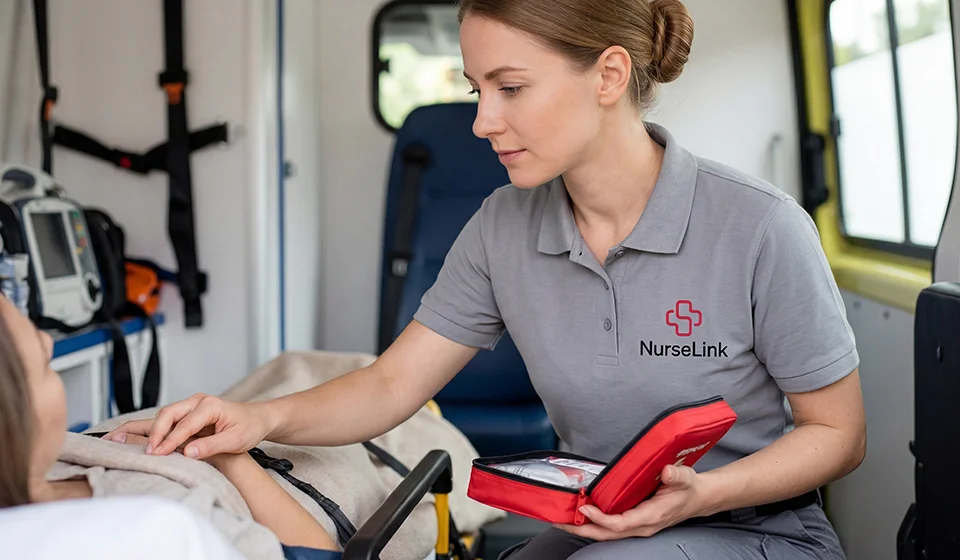
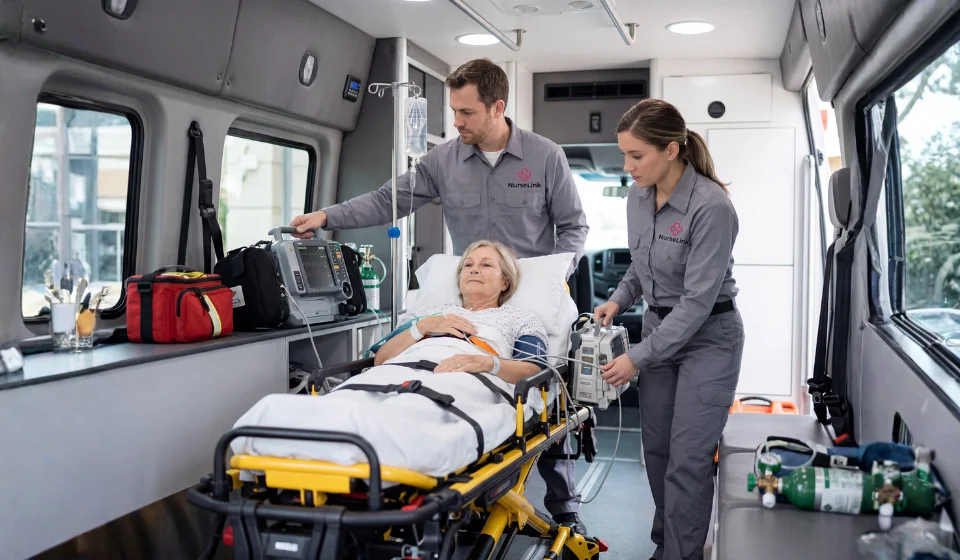
Look for teams experienced in assisting patients with mobility or medical needs, who provide respectful, patient-centred care from start to finish. A calm, kind presence during the journey can make a real difference to how a patient feels.
Comfortable & Accessible Vehicles
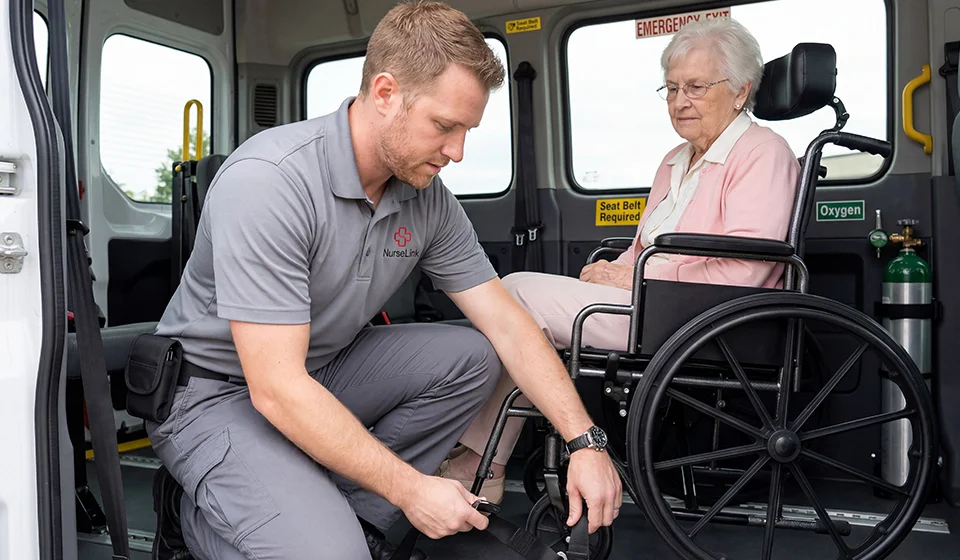
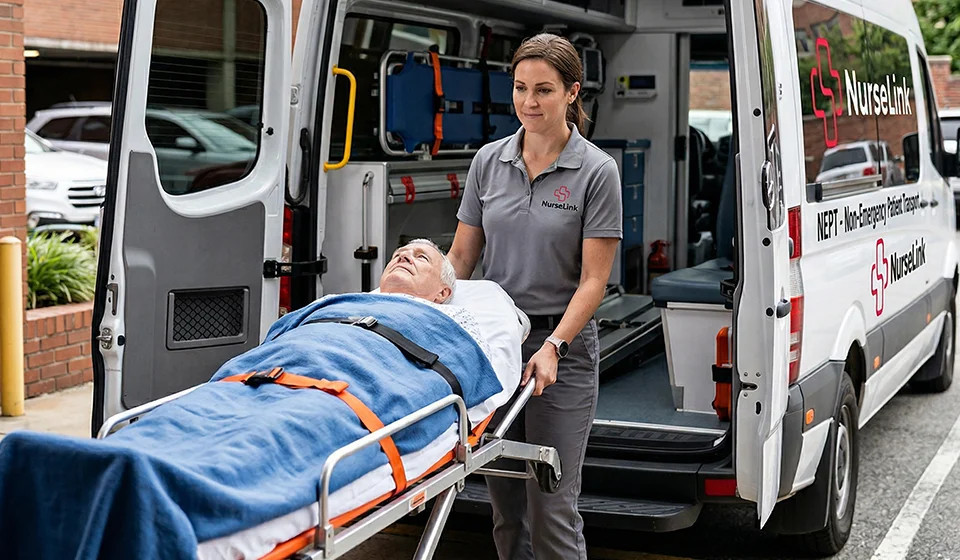
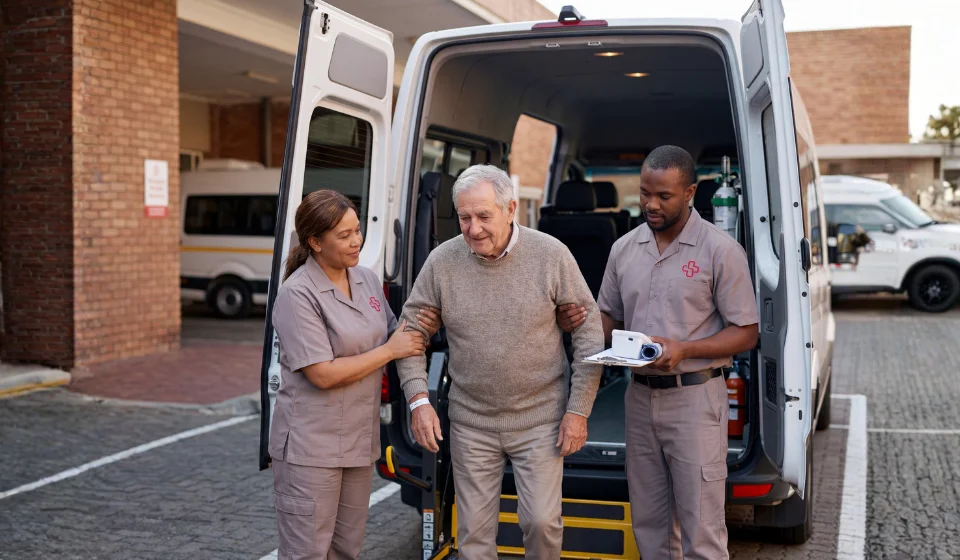
Vehicles should allow easy entry and exit for those with limited mobility, and be clean, well maintained, and designed with comfort in mind. Small details like smooth access and a comfortable seat matter enormously on a tiring day.
Reliability & Punctuality
Timely arrivals for scheduled appointments are essential, and so is dependable return transport once treatment is finished. Knowing your ride will be there, both ways, removes a significant source of anxiety.
Safety & Patient Support
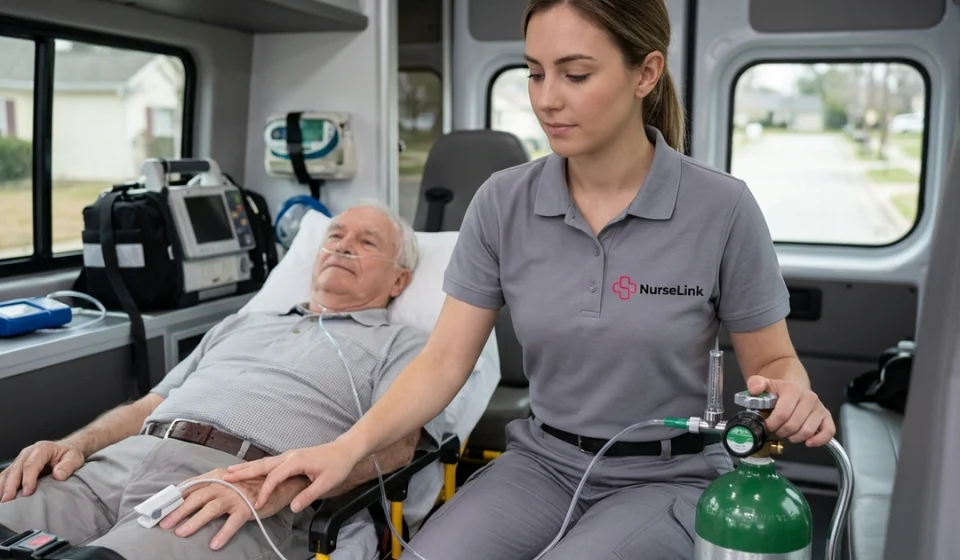
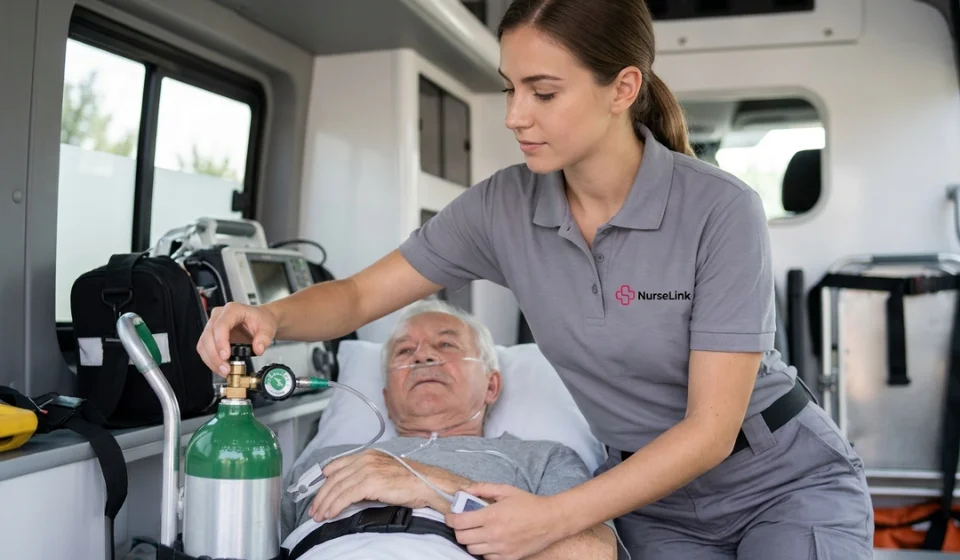
Door-to-door assistance where appropriate, secure transport practices, and genuine attention to patient wellbeing all contribute to a safer journey. The right support means patients are never left to manage difficult moments alone.
Clear Communication & Booking Process
A transparent booking process, clear confirmations, and responsive support for changes or questions make the service easy to rely on. Good communication builds the trust that patients and carers need.
Preparing For Treatment Day: Travel Tips For Patients & Carers
A little preparation goes a long way towards a calmer, more comfortable day. These simple steps help patients and carers feel more in control.
Pack The Essentials
Bring your appointment information, medications, identification, and water, along with comfort items such as a blanket or neck pillow. Having everything in one bag means less to think about on the morning of treatment.
Wear Comfortable Clothing
Dress for warmth and easy movement, and choose supportive footwear that helps with safe mobility. Comfort clothing can make both the appointment and the journey noticeably easier.
Stay Hydrated & Follow Medical Advice
Eat and drink in line with your healthcare team’s instructions, and bring approved snacks if they are suitable for you. Following medical guidance around food and fluids helps you feel as steady as possible.
Travel With A Support Person When Needed
Having a family member or carer along can offer reassurance and practical help, particularly on longer journeys. A familiar face nearby often eases anxiety on treatment day.
Allow Plenty Of Time
Avoid rushed departures by planning for traffic and hospital check-in procedures. Giving yourself a generous buffer keeps the morning calm rather than frantic.
Situations When Family Transport Isn't Enough
Family and friends do their best, but there are times when professional transport for oncology treatment becomes the safer and kinder choice. Recognising these moments helps everyone involved.
Frequent Or Ongoing Treatments
Recurring appointments can place a heavy load on loved ones over time. Professional transport eases that burden and ensures every session is covered without relying on the same people week after week.
Mobility Or Medical Challenges
When a patient needs extra help entering or exiting a vehicle, or uses a mobility aid, trained staff and accessible vehicles offer safer, more dignified travel than a standard car can provide.
Long-Distance Or Regional Travel
Extended journeys to specialist centres are tiring and complex. A dedicated service can manage the logistics and improve comfort over longer trips, taking the strain off the family.
When Carers Are Unavailable
Scheduling conflicts happen, and a carer cannot always be free. Dependable transport keeps appointments on track even when personal support is limited, so treatment never has to be skipped.
After Treatments That Leave Patients Unwell
Following chemotherapy or other intensive care, patients often feel unwell and fragile. Professional transport helps them travel home safely while minimising physical strain on the return journey.
Final Thoughts
Reliable transport to chemotherapy appointments is a genuine part of successful cancer care, not an afterthought. Planning ahead reduces stress and helps patients attend every session, while choosing an experienced medical transport provider adds comfort, safety, and peace of mind for patients and carers alike. With the right travel support in place, patients can spend less energy worrying about the journey and far more on what truly matters, which is rest, recovery, and looking after themselves.
If you or someone you love is navigating cancer treatment, this is also a sensitive and demanding time emotionally. Speaking with your healthcare team or a support service can help with any concerns that go beyond the practical side of getting to and from care.