Preparing for a hospital admission can feel overwhelming, especially when medical appointments, transport arrangements, and personal care needs all need to be managed at the same time. Proper preparation before transport helps reduce unnecessary stress, prevents delays during admission, and ensures patients arrive safely and comfortably with everything they need for their care journey. Whether attending a planned procedure, ongoing treatment, or specialist appointment, having a clear and organised approach to packing can improve communication with healthcare providers while supporting patient comfort and continuity of care during transport and hospital admission.
Why Preparing For Hospital Admission Transport Is Important?
Hospital admission transport involves more than simply travelling from one location to another. Patients may require medical supervision, mobility assistance, personal support, or important healthcare documentation throughout the process. Being organised before the journey can make a significant difference to both the patient experience and the efficiency of hospital admissions.
Many people underestimate how stressful last-minute preparation can become, particularly when dealing with medical concerns or caring for a loved one with complex health needs. Following a simple hospital transport preparation guide can help patients and families feel more confident while ensuring healthcare professionals receive the information they need as quickly as possible upon arrival.
Proper planning also reduces the risk of forgotten medications, missing documents, or delayed treatment. Patients who prepare early are often more comfortable during transport and better able to focus on their health and recovery rather than worrying about missing personal belongings or paperwork.
- Reduces last-minute stress and confusion for patients, caregivers, and family members.
- Helps healthcare staff access important medical information quickly during admission.
- Improves patient comfort and safety throughout the transport process.
- Supports smoother communication between transport teams and hospital staff.
- Prevents delays caused by forgotten medications, paperwork, or personal essentials.
Creating a personalised hospital admission transport checklist before the day of admission can make the entire process more organised and manageable for everyone involved.
Essential Medical Documents To Bring Along
One of the most important parts of any hospital admission packing guide is ensuring all necessary medical documents are prepared and easy to access. Hospitals and healthcare teams rely on accurate patient information to provide safe and appropriate care, particularly during admission and treatment planning.
Patients should organise their medical paperwork in advance and keep it together in a clearly labelled folder or bag to avoid confusion during transport or check in.
- Hospital admission forms, appointment confirmations, and specialist referral details.
- Medicare card, identification documents, and private health insurance information.
- Current medication lists, dosage schedules, and prescription details.
- Referral letters, medical reports, imaging scans, pathology results, or discharge summaries.
- Emergency contact information and details for regular healthcare providers or specialists.
Having these documents prepared ahead of time can improve communication between healthcare providers while reducing unnecessary delays during the admission process.
Personal Items To Pack For Comfort & Convenience
Although medical documents and healthcare essentials are important, personal comfort items should not be overlooked when preparing for hospital admission transport. Patients may spend several hours travelling, waiting for admission, or undergoing treatment, making comfort and convenience especially important during the experience.
Comfortable clothing and supportive footwear are recommended, particularly for patients with mobility concerns or those attending longer hospital appointments. Loose-fitting clothing is often easier to manage during medical assessments, treatments, or changing into hospital gowns. Non-slip footwear can also improve safety when moving around healthcare facilities.
Personal hygiene products such as toothbrushes, tissues and hairbrushes can help patients feel more refreshed and comfortable during longer stays. Many patients also benefit from bringing personal entertainment items including books, headphones, tablets, or mobile phones to help reduce anxiety and pass the time more comfortably.
For individuals who rely on mobility or sensory supports, it is important not to forget glasses, hearing aids, walking frames, or mobility aids that may be needed during transport or while navigating hospital environments. Small comfort items such as a blanket, neck pillow, or favourite personal item can also provide reassurance and emotional comfort during stressful situations.
Knowing what to pack for hospital admission ahead of time can help patients feel more prepared and less overwhelmed on the day of transport.
Important Medications & Health Supplies To Carry
Bringing the correct medications and health supplies is a critical part of safe hospital admission preparation. Healthcare teams need accurate information about current treatments, allergies, and ongoing medical conditions to provide safe and effective care throughout admission and treatment.
Patients should carry all regular prescription medications in their original packaging whenever possible. It is also helpful to include written dosage instructions and details about any recent medication changes. This information helps reduce the risk of medication errors during hospital admission or treatment planning.
Patients who use specialised medical equipment should also ensure these items are packed and ready before transport. This may include inhalers, CPAP machines, oxygen therapy equipment, glucose monitors, wound care supplies, or continence products depending on individual healthcare needs.
Allergy information and medication sensitivities should be clearly documented and easy for healthcare professionals to access. Patients attending hospital for ongoing treatments or chronic condition management may also need to bring care instructions or treatment schedules to support continuity of care during admission.
Including these essentials for hospital admission transport can help healthcare teams deliver more accurate and efficient care from the moment the patient arrives.
Tips For A Safe & Stress-Free Hospital Transport Experience
Preparing early and staying organised can make hospital transport significantly less stressful for patients and families. Even small steps taken before the journey can improve comfort, reduce confusion, and support a smoother admission process.
Many patients find it helpful to prepare their bags and documents the night before admission to avoid rushing on the day of transport. Communicating medical or mobility needs to the transport provider in advance can also help ensure appropriate support and equipment are available during the journey.
- Pack bags, medications, and medical paperwork ahead of time.
- Wear loose, comfortable clothing and supportive footwear during transport.
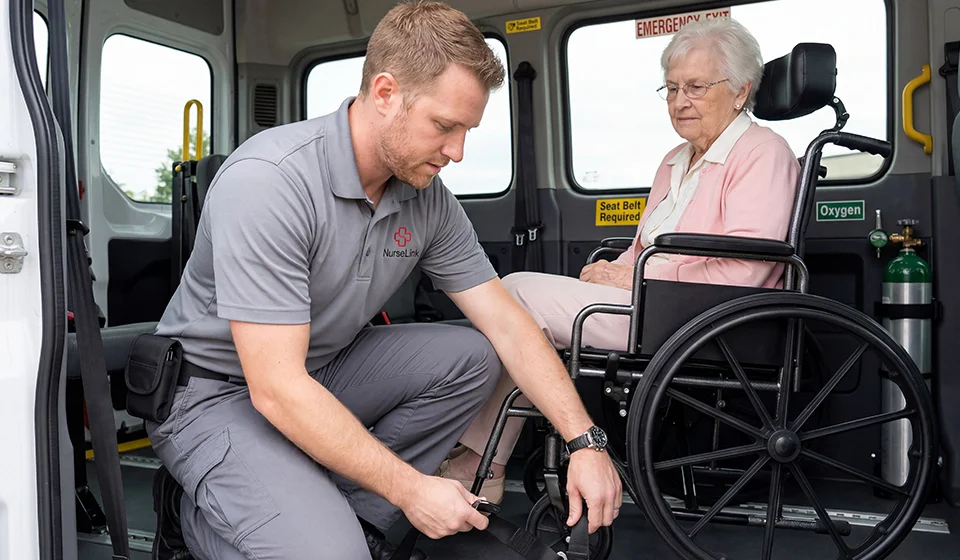
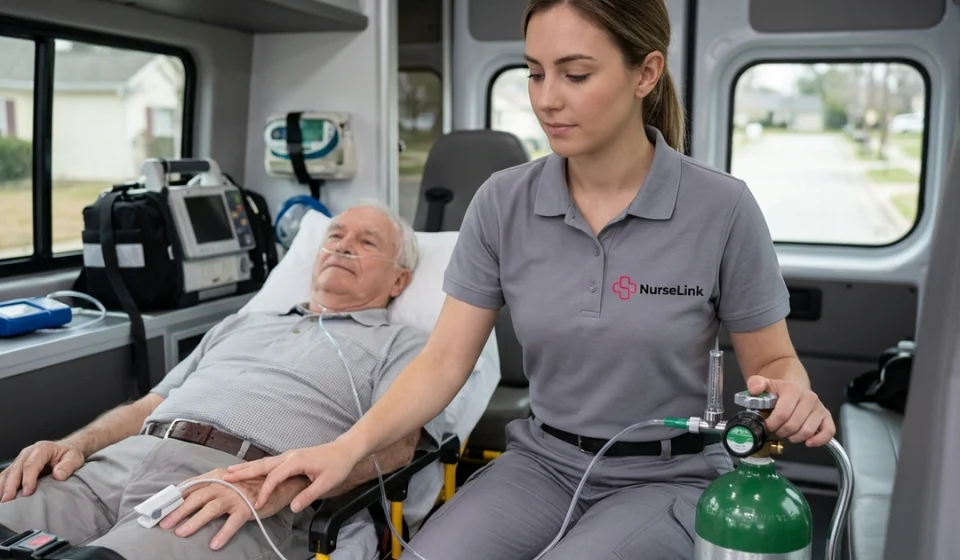
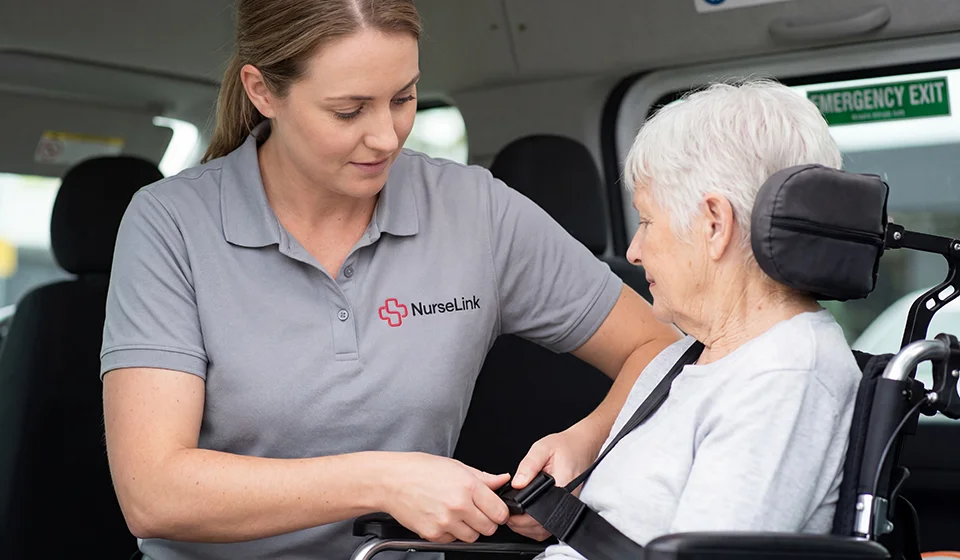
- Inform transport providers about mobility concerns, oxygen needs, or medical equipment requirements.
- Arrange family support or emergency contacts if additional assistance may be needed.
- Follow any hospital instructions regarding eating, drinking, or medications before admission.
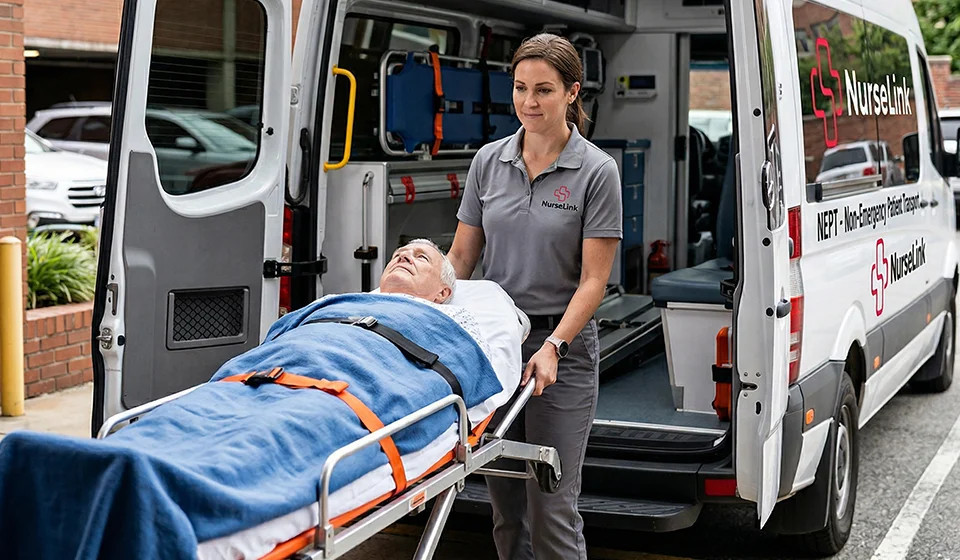
Patients using non-emergency patient transport services should also confirm booking times, pick-up locations, and transport arrangements before the day of admission to avoid unnecessary delays.
Common Items Patients Often Forget To Pack
Even with a well-organised hospital admission transport checklist, patients sometimes forget smaller personal items that become important once they arrive at the hospital. Phone chargers are one of the most commonly forgotten essentials, especially for patients attending longer appointments or overnight stays. Without access to communication devices, patients may struggle to stay in contact with family members or healthcare providers during admission.
Medication lists, identification cards, and private health insurance details are also frequently overlooked during rushed preparation. Forgetting these items can delay admissions or create additional administrative challenges for healthcare staff. Patients who rely on glasses, hearing aids, walking supports, or mobility devices may also experience unnecessary discomfort if these items are left behind.
Personal comfort items are another common oversight. Simple items such as lip balm, tissues, toiletries, or reading materials can make hospital stays more manageable and reduce anxiety during waiting periods or treatment sessions.
Taking time to carefully review packing arrangements before leaving home can help patients avoid unnecessary stress and feel more prepared for the hospital experience.
Conclusion
Preparing properly for hospital admission transport can make a significant difference to patient comfort, safety, and overall healthcare experience. Organised planning helps reduce stress for patients, families, transport teams, and healthcare providers while ensuring important medical information and personal essentials are readily available during admission. From carrying medications and medical paperwork to packing comfort items and mobility supports, thoughtful preparation helps create smoother and more reliable hospital transport experiences. At NurseLink Healthcare, patient focused care and safe medical transport services are designed to support individuals and families through every stage of the healthcare journey with professionalism, compassion, and reliability.