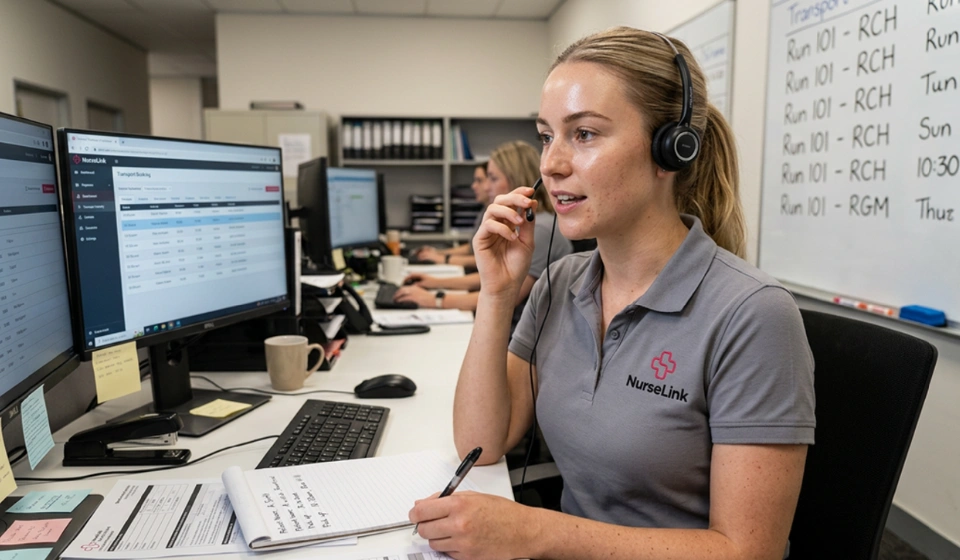
Booking non-emergency patient transport (NEPT) is often the first step in organising safe, reliable travel to and from medical appointments, treatments, or hospital discharge. The call itself is straightforward and confidential, and it is designed purely to make sure the patient receives transport suited to their medical and mobility needs. Knowing what to expect during a NEPT booking call, and what information is typically requested, can help patients and carers feel prepared and confident before making that first phone call.
Why A Non-Emergency Transport Booking Call Matters
A NEPT booking call is far more than arranging a pickup time. It is the point where the transport provider gathers the details needed to match each patient with the right vehicle, equipment, and level of care for their journey. This is what makes the non-emergency patient transport booking process so important, as it directly affects patient safety, comfort, and how smoothly the day unfolds.
Ensuring The Right Level Of Transport Support
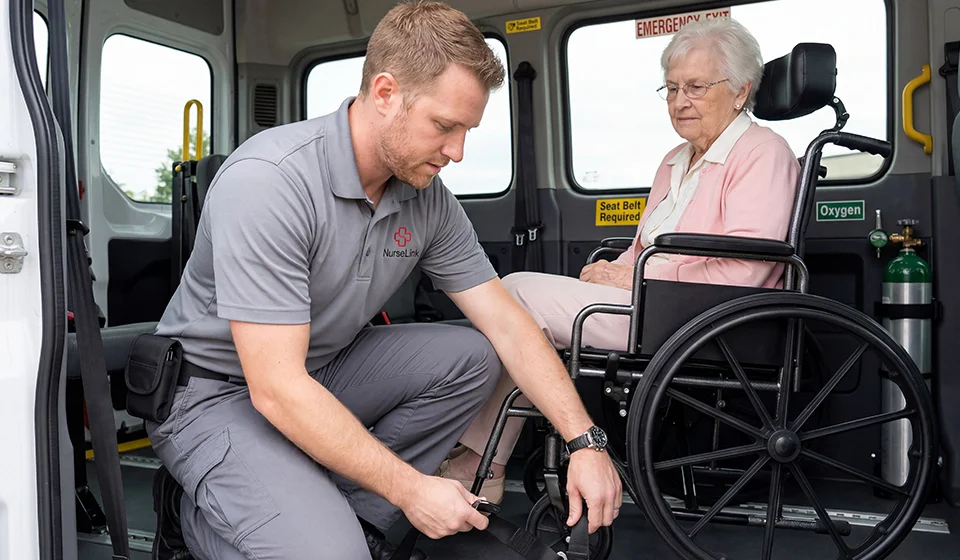
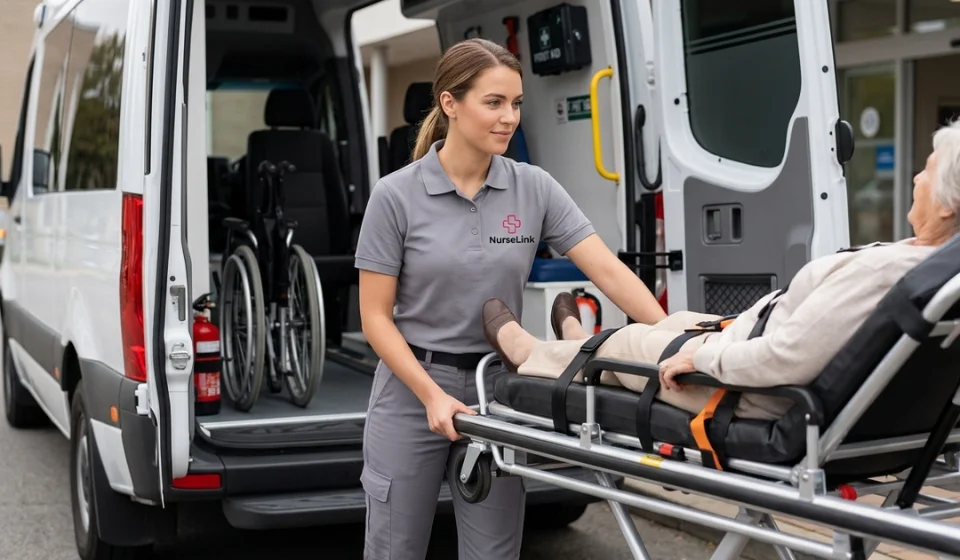
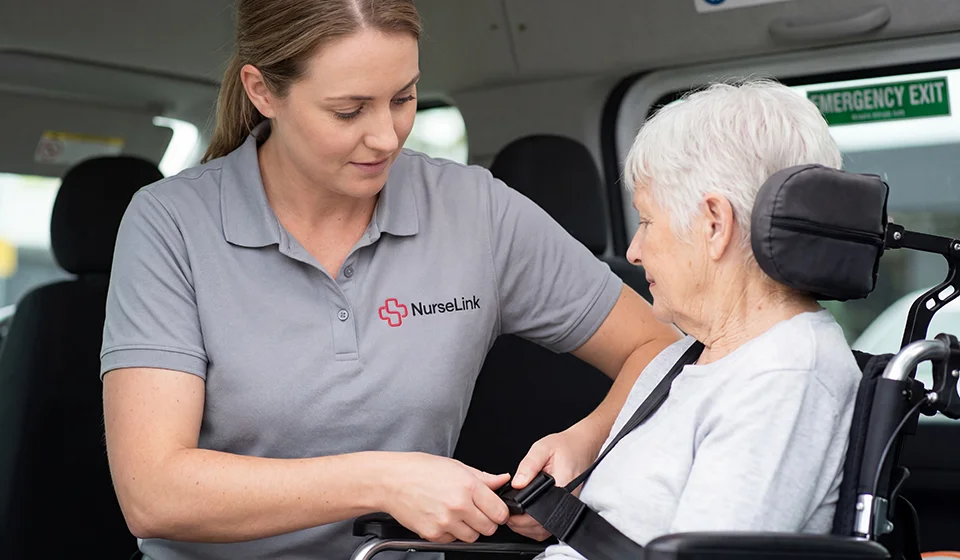
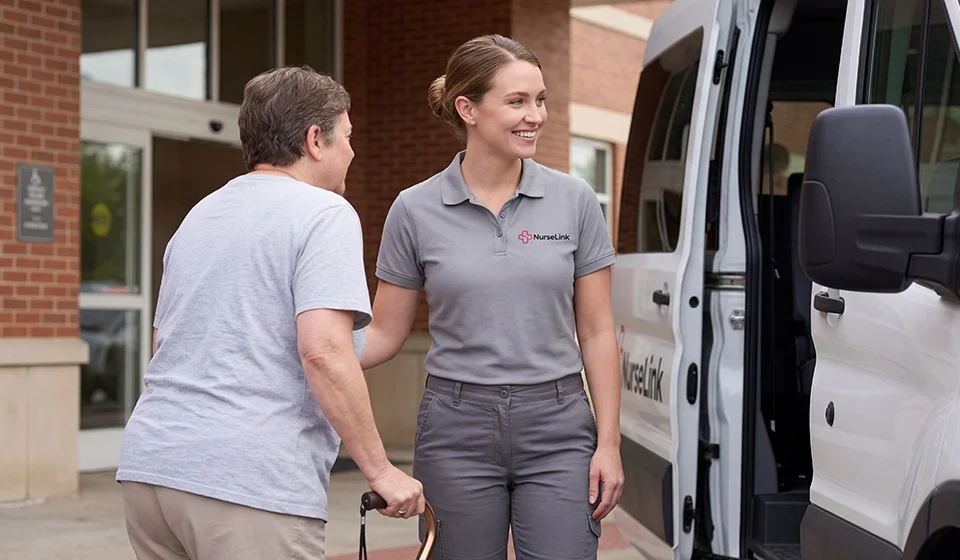
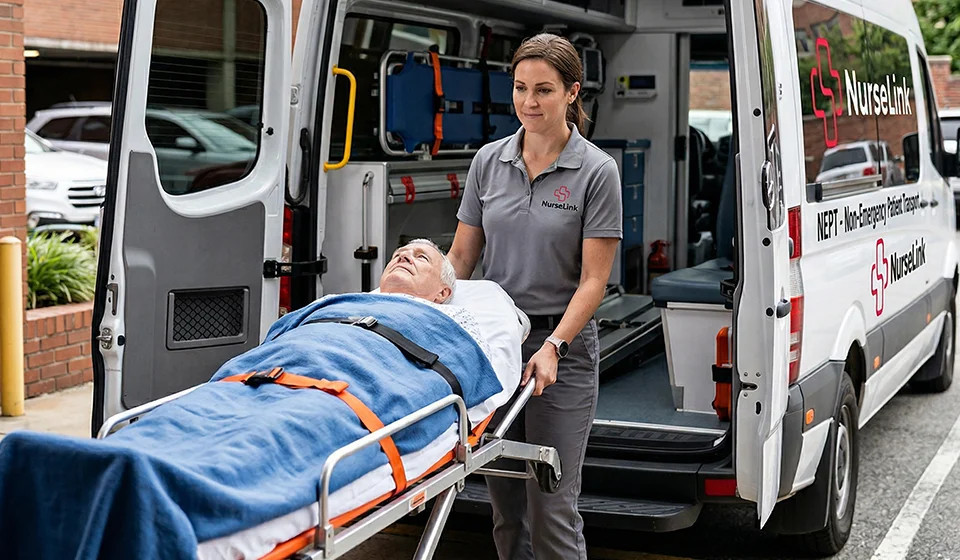
Every patient has different needs. Someone recovering from surgery may require a stretcher, while another patient might simply need a wheelchair accessible vehicle or a bit of extra assistance getting in and out of the car. Medical conditions, mobility limitations, and the nature of the appointment all influence what type of support is arranged. The booking call allows the transport team to understand these factors upfront, rather than trying to work them out on the day.
Reducing Delays On The Day Of Travel
Accurate information gathered during the call helps prevent last minute complications. When pickup addresses, appointment times, and mobility requirements are confirmed in advance, the transport team can plan routes and allocate the right vehicle without unnecessary back and forth. This reduces the chance of delays and helps the entire journey run smoothly, from pickup to arrival.
What Information Will You Be Asked During The Booking Call?
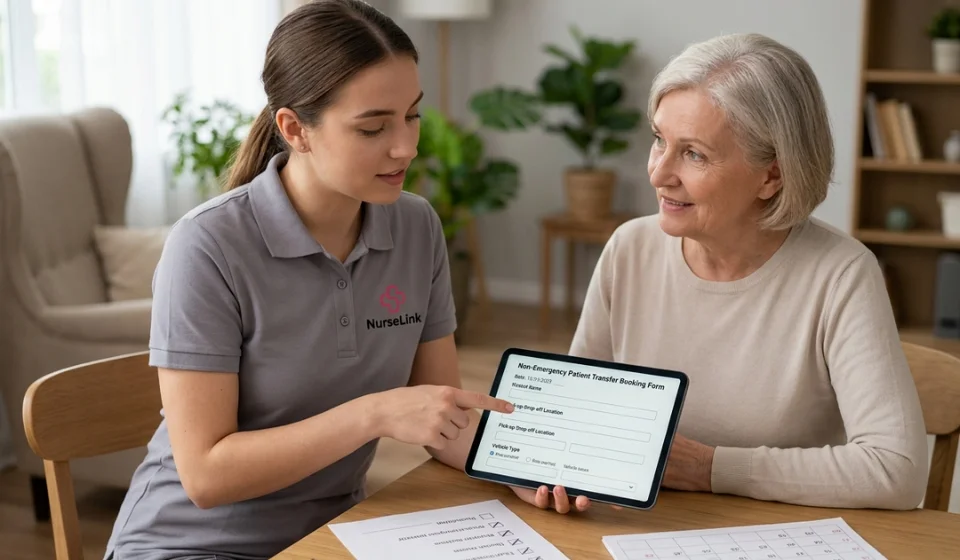
Understanding the typical patient transport booking checklist can make the call feel far less daunting. Each question asked serves a specific purpose in planning a safe and appropriate journey.
Patient & Contact Details
You will usually be asked for the patient’s full name, age, and contact information, along with an emergency contact. This ensures the transport provider has accurate identification details and someone to reach if plans need to change.
Pickup & Appointment Information
The team will also confirm the pickup address, destination, and appointment time. If return transport is needed, this is arranged during the same call, so patients are not left organising a separate booking after their appointment.
Medical & Mobility Requirements
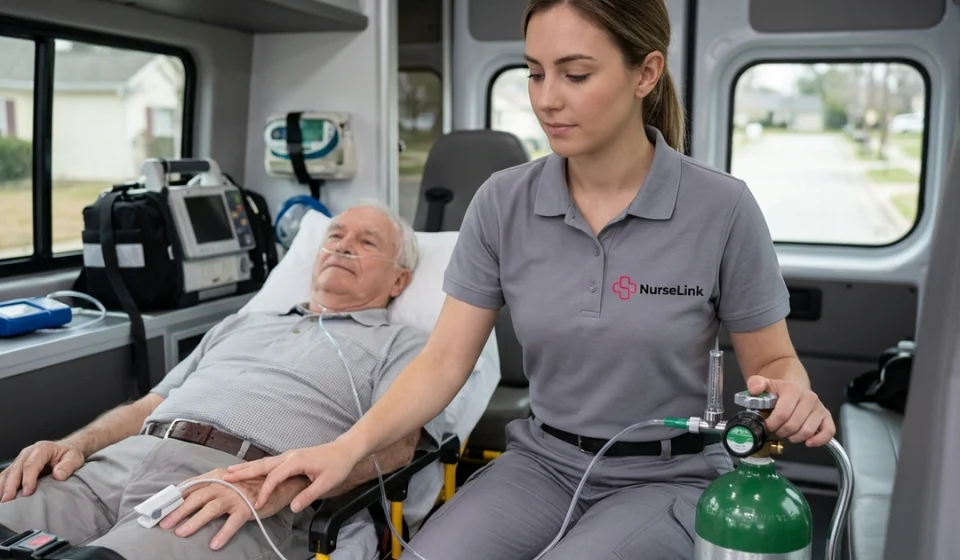
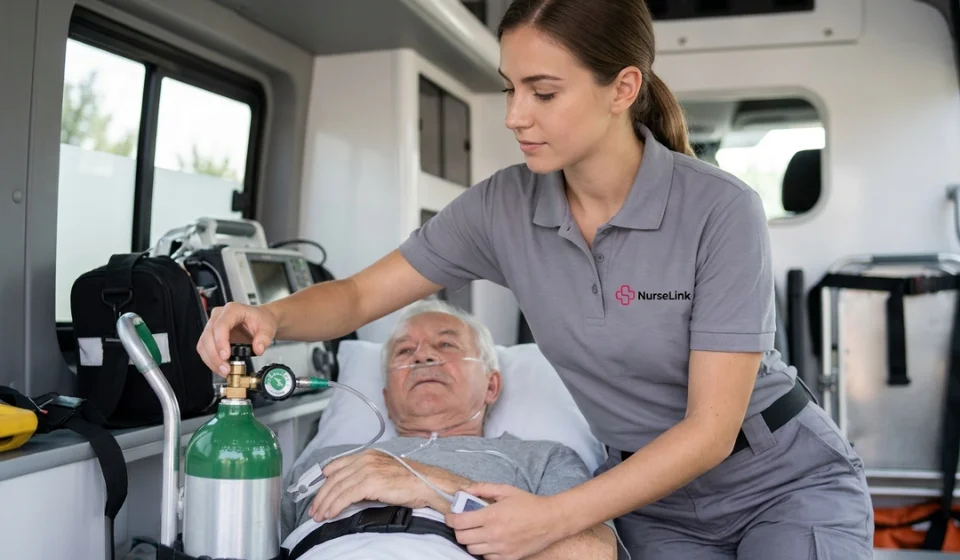
This is one of the more detailed parts of the call. You may be asked whether the patient uses a wheelchair, needs walking assistance, requires oxygen, or has bariatric needs. Any relevant medical conditions that could affect transport, such as recent surgery or fall risk, are also discussed. These NEPT booking requirements exist to ensure the right vehicle and support are arranged from the outset.
How Your Transport Needs Are Assessed
Once the necessary information has been collected, the booking team assesses it to determine the most suitable transport option for the patient. This step is about more than logistics, it is about providing safe and comfortable care throughout the entire journey.
Choosing The Appropriate Vehicle
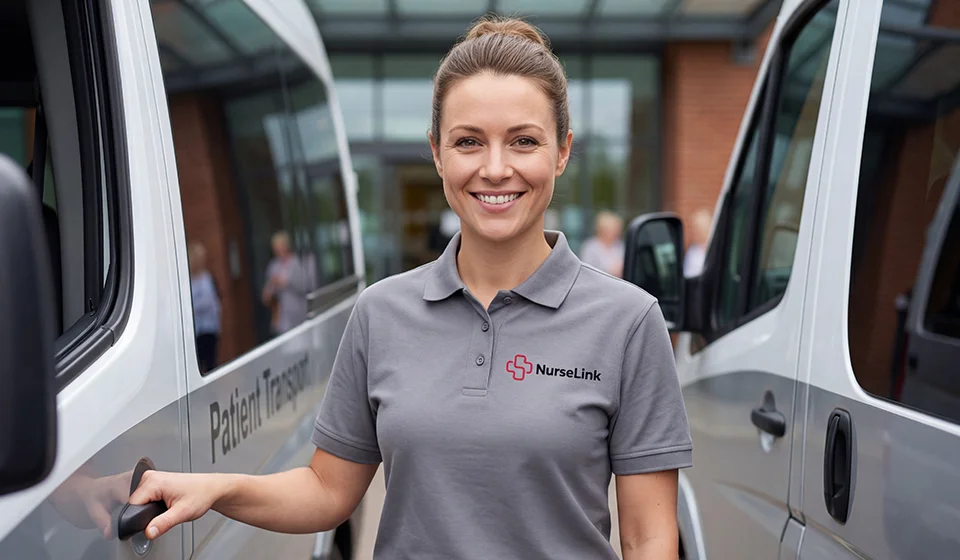
Depending on the patient’s needs, this could mean a standard NEPT vehicle, a wheelchair accessible vehicle, or dedicated stretcher transport. The goal is always to match the vehicle type with the patient’s physical condition and comfort requirements.
Determining The Level Of Clinical Support
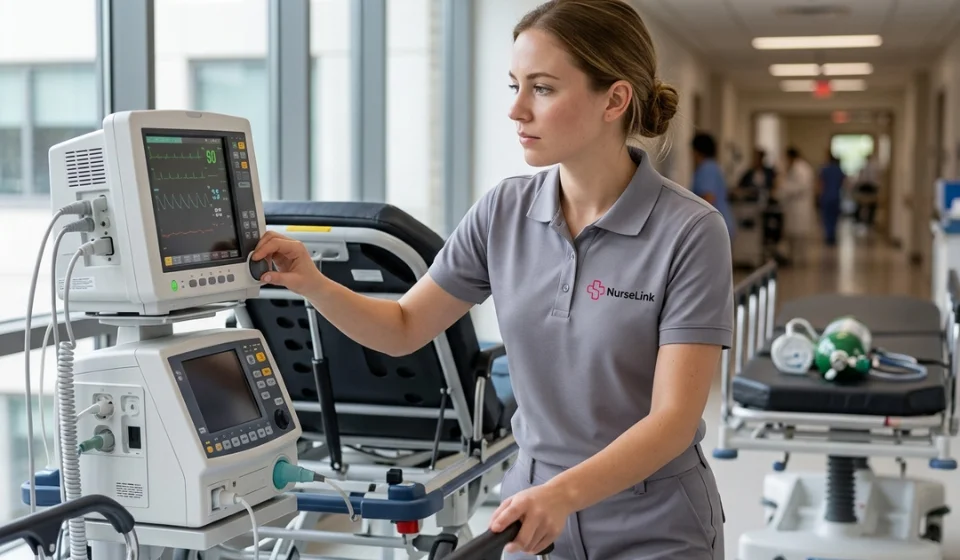
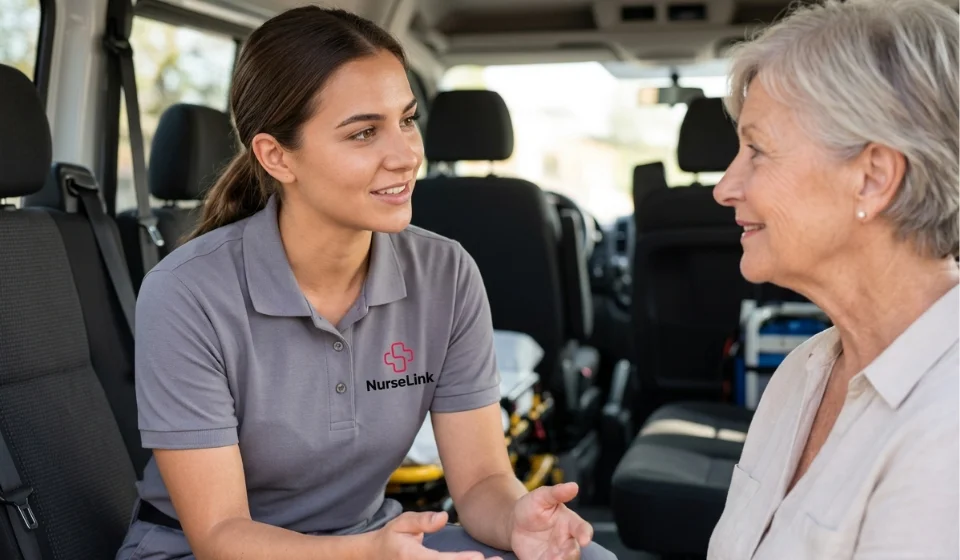
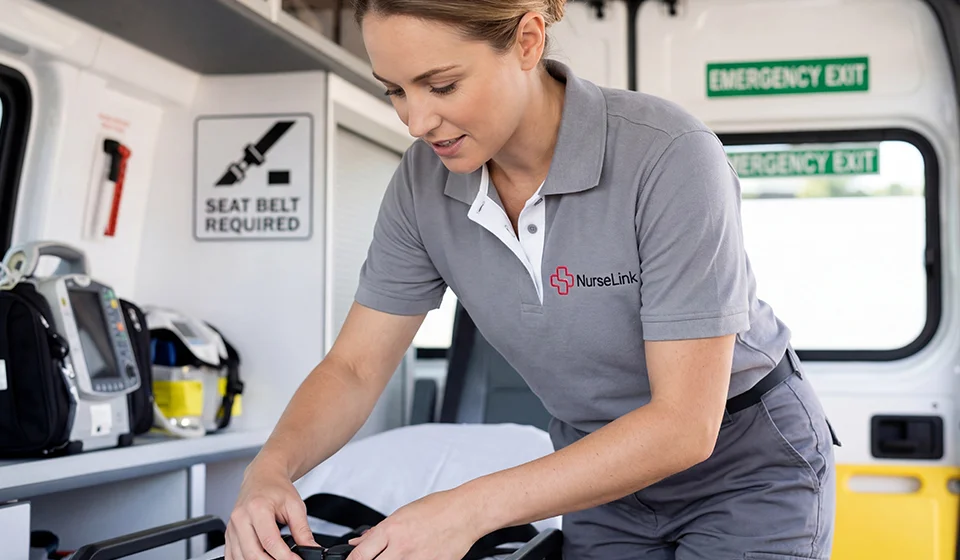
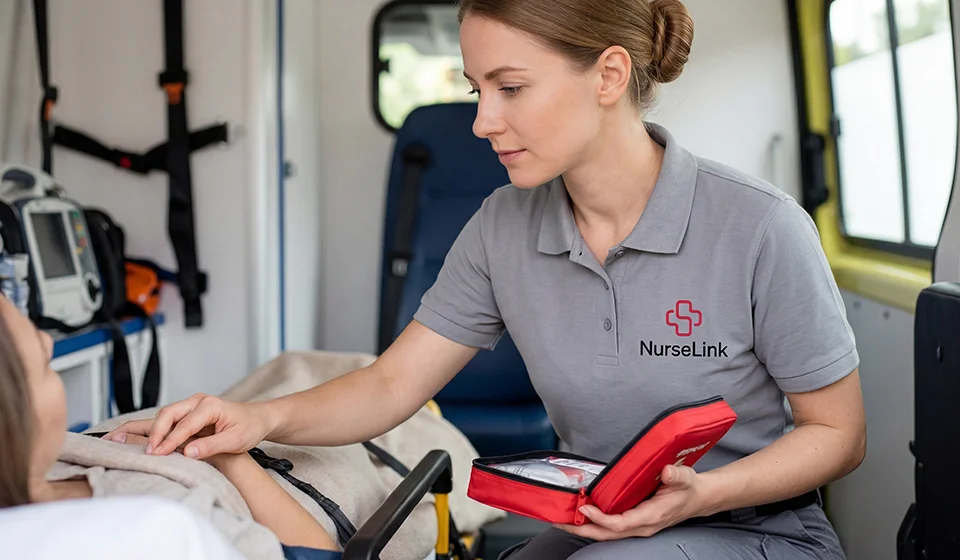
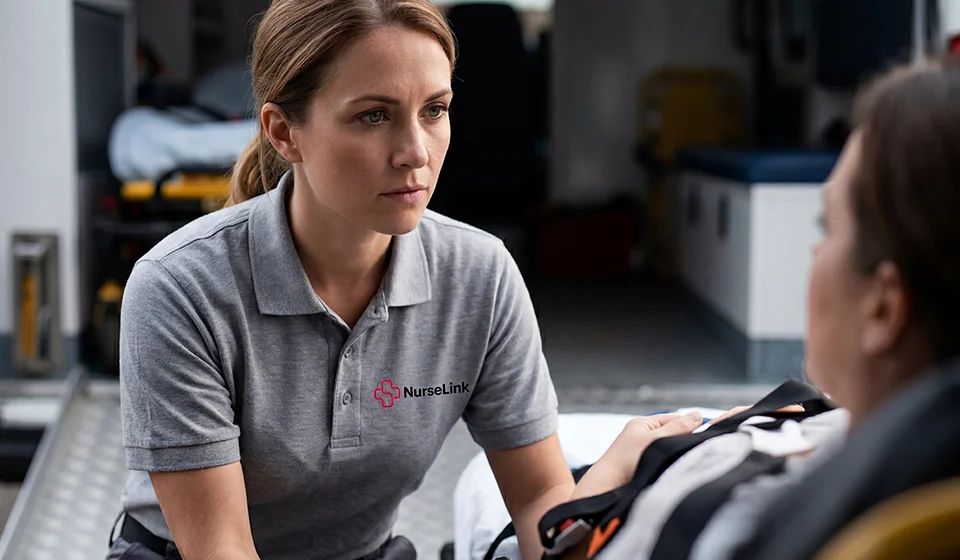
In some cases, a patient may need more than just transport. Qualified patient transport staff or additional clinical assistance may be arranged if the patient requires monitoring, help with mobility, or support managing a medical condition during the trip. This assessment ensures the right level of care travels with the patient, not just the right vehicle.
What Happens After Your Booking Is Confirmed?
Once all the details have been gathered and reviewed, the booking is finalised, and patients or carers can expect a clear summary of the arrangement before the transport date arrives.
Receiving Your Booking Confirmation
You will typically receive confirmation of the pickup time, destination, and any specific transport arrangements that have been made. This gives patients and carers peace of mind that everything is in place well ahead of the appointment.
Preparing For The Day Of Transport
In the lead up to the transport date, it helps to have key documents ready, such as identification, referral letters, or hospital paperwork. Medications, mobility aids, and any items needed for the appointment should also be prepared in advance. Arriving a few minutes early for pickup can help the day run without unnecessary stress.
Tips To Make Your Non-Emergency Transport Booking Faster
A little preparation before the call can make the entire process quicker and more efficient for everyone involved.
Keep Essential Information Ready
Having appointment details, addresses, Medicare or hospital information, and mobility requirements on hand before you call can significantly speed up the booking process. It also reduces the chance of details being missed or needing a follow up call.
Mention Any Changes As Soon As Possible
If an appointment time changes, is cancelled, or the patient’s condition changes before the transport date, letting the provider know as early as possible helps them adjust the booking accordingly. This keeps the transport arrangement accurate and avoids confusion on the day.
Final Thoughts
A non-emergency transport booking call plays a key role in making sure patients receive safe, appropriate, and comfortable transport to and from their appointments. While it may seem like a simple phone call, the information gathered helps match each patient with the right vehicle, equipment, and level of support for their specific needs. Patients and carers should feel free to ask questions during the call and provide accurate, detailed information, as this helps ensure the best possible experience from booking through to arrival.