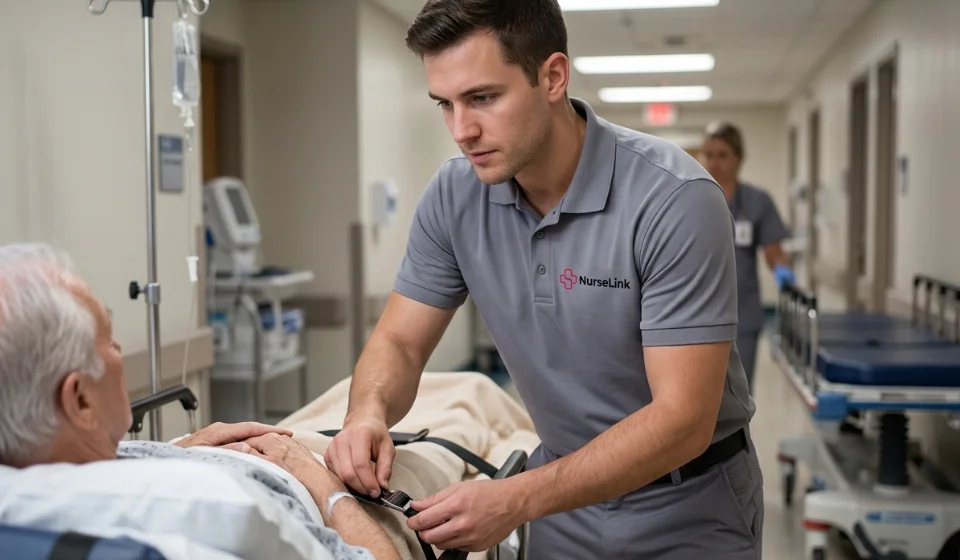
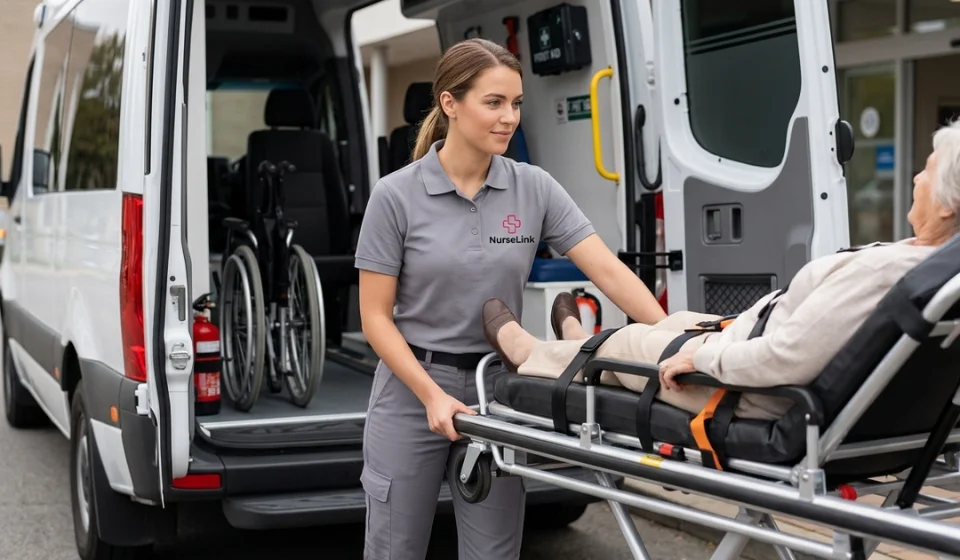
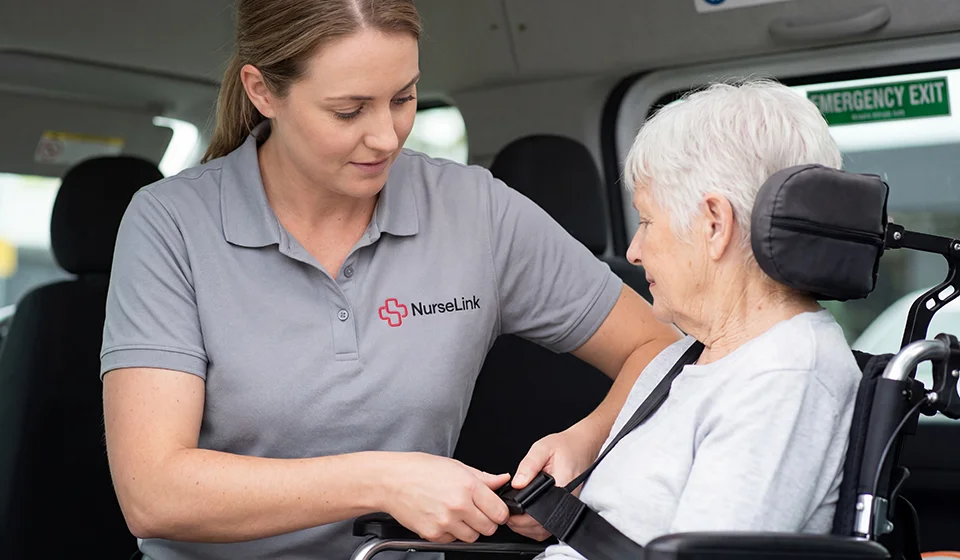
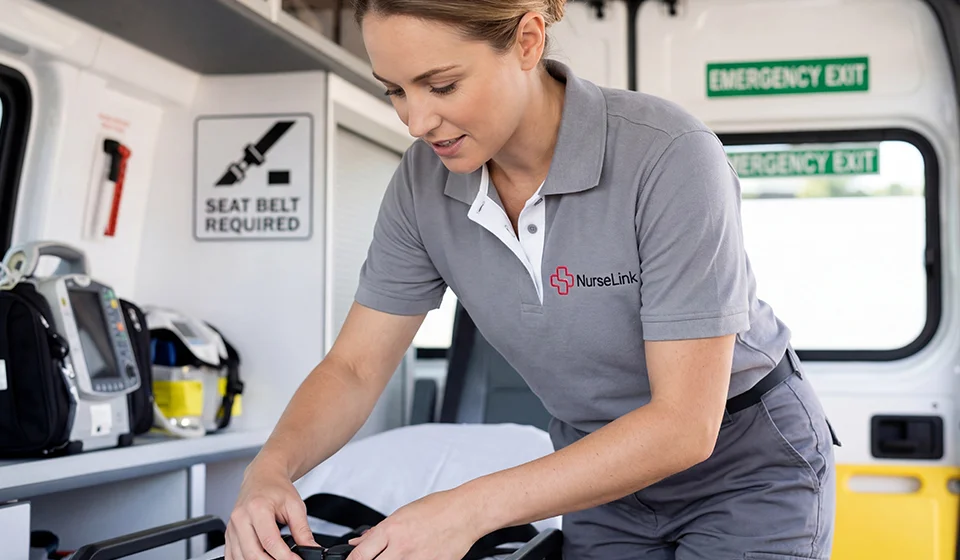
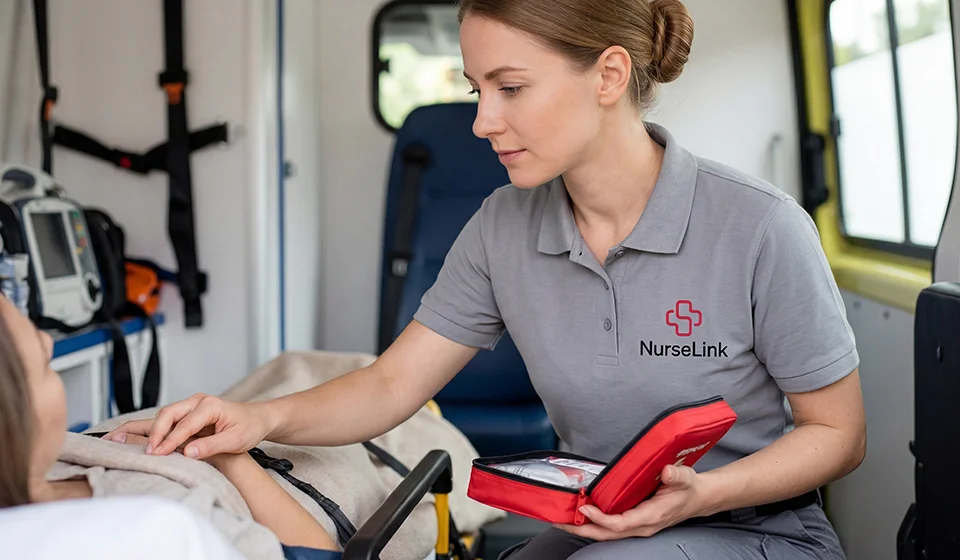
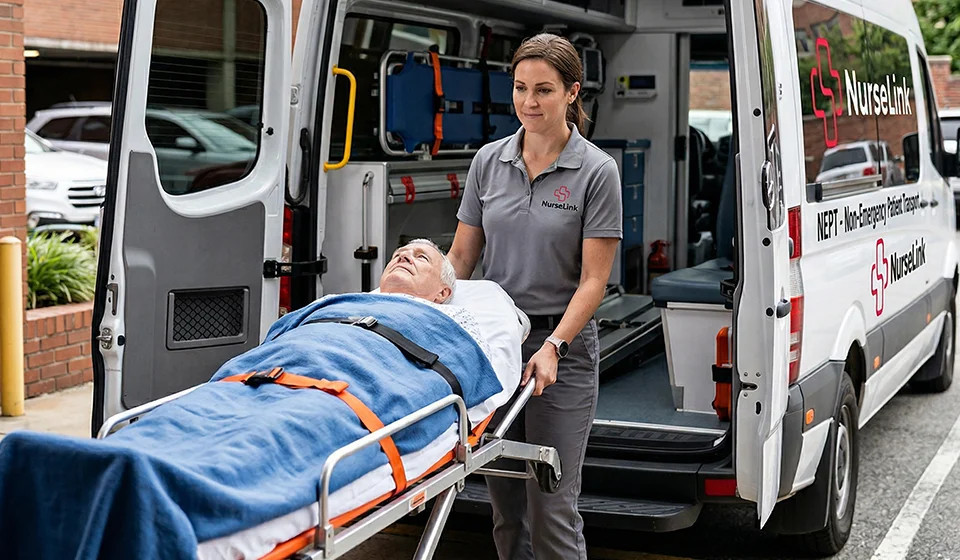
Oxygen dependency in a transport context refers to patients who require continuous or intermittent oxygen therapy to maintain adequate oxygen saturation levels during transit. While these patients may be clinically stable, transporting them introduces specific risks such as hypoxia, equipment failure, or deterioration in respiratory function. Effective non emergency patient transport oxygen management requires careful planning, clinical awareness, and ongoing monitoring. With the right preparation and oversight, non-emergency patient transport (NEPT) can safely support oxygen-dependent patients, ensuring continuity of care without the need for high-acuity intervention.
Assessing Oxygen Dependency & Patient Stability Before Transfer
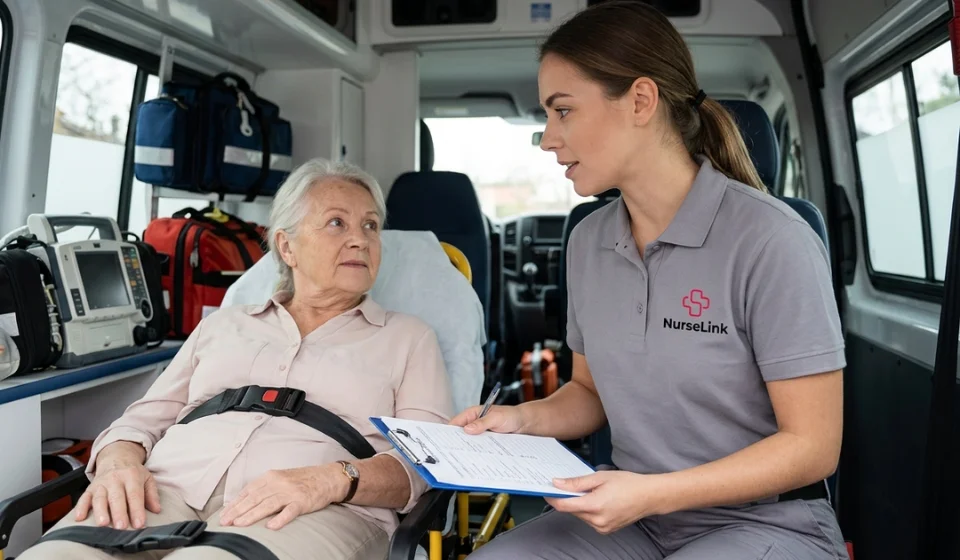
Before arranging transport, it is essential to conduct a thorough clinical assessment of the patient’s oxygen dependency and overall stability. This includes reviewing baseline oxygen requirements, such as prescribed flow rates and delivery methods, and ensuring that these can be safely maintained during transit. Understanding the patient’s underlying condition, whether chronic respiratory disease or post-acute recovery, is key to anticipating potential risks.
Clinical stability must also be carefully evaluated. Patients should have stable vital signs, including oxygen saturation levels, and show no immediate signs of deterioration. If there is uncertainty about the patient’s condition, consultation with healthcare professionals is necessary to determine whether NEPT is appropriate or if a higher level of care is required.
- Confirm prescribed oxygen flow rate and delivery method.
- Assess respiratory rate, oxygen saturation, and overall condition.
- Identify risks such as recent deterioration or unstable symptoms.
- Determine suitability for NEPT versus high-acuity transport.
- Involve clinicians in decision-making where required.
Choosing The Right Oxygen Delivery System For Transit
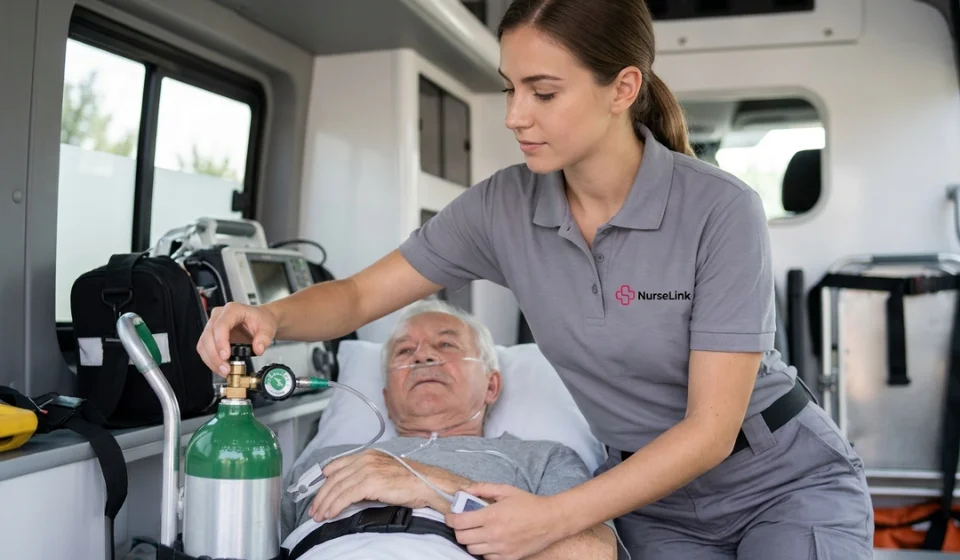
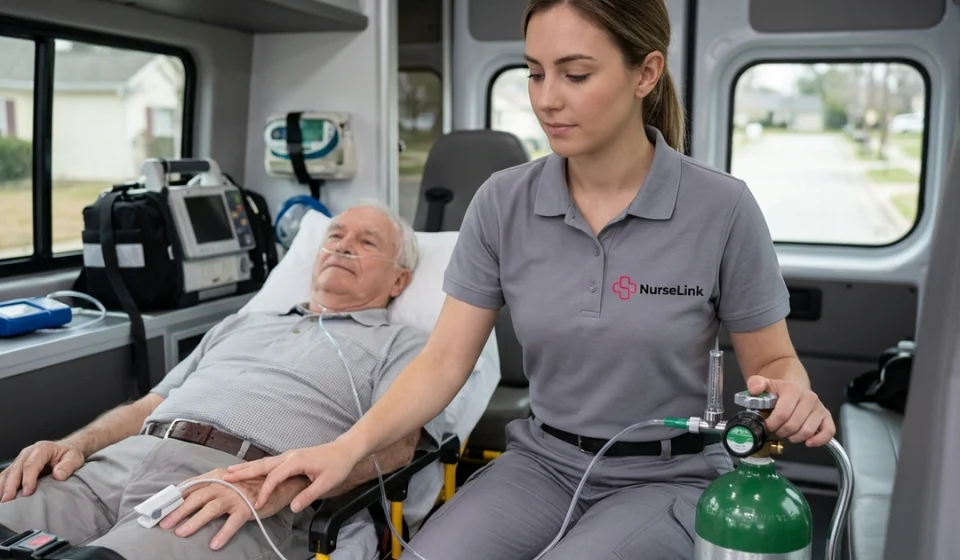
Selecting the appropriate oxygen delivery system is a critical step in ensuring patient safety during transport. The chosen method must align with the patient’s clinical needs while also being suitable for use within a transport environment. Common delivery systems include nasal cannulas, simple face masks, and other low-flow devices, depending on the patient’s requirements.
In addition to clinical suitability, practical considerations such as portability and duration of the journey must be taken into account. Equipment should be easy to manage within the vehicle and capable of delivering consistent oxygen levels throughout the trip. Proper oxygen management in patient transfer ensures that therapy remains uninterrupted from pickup to destination.
- Match delivery method to patient needs and tolerance.
- Consider journey duration and oxygen consumption rates.
- Ensure compatibility with transport equipment and setup.
- Prioritise patient comfort and ease of use.
- Plan for continuous oxygen supply without interruption.
Pre-Transport Equipment Checks & Backup Planning
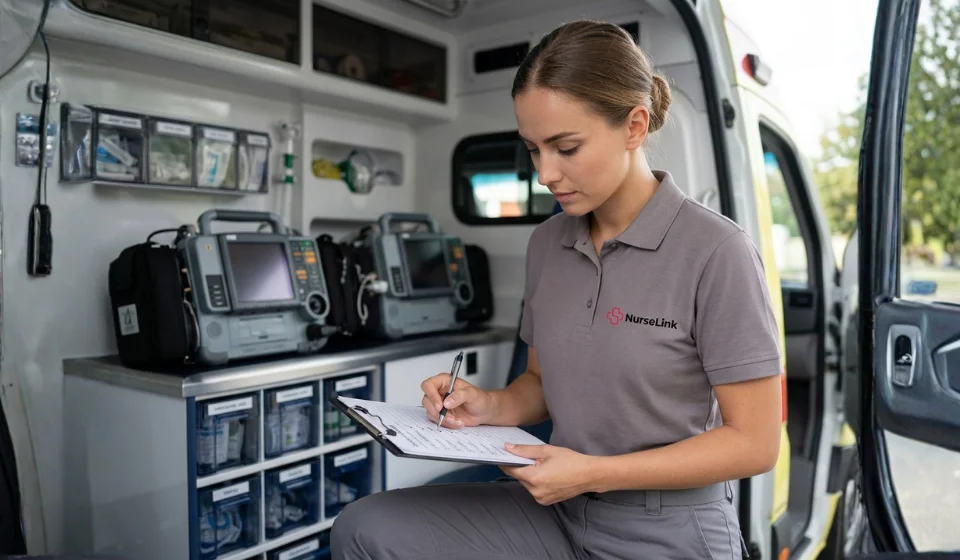
Thorough equipment checks are essential before transporting any oxygen-dependent patient. This includes inspecting all oxygen-related equipment to ensure it is functioning correctly and meets safety standards. Any faults or inconsistencies should be addressed before the journey begins.
It is equally important to confirm that there is an adequate oxygen supply for the entire journey, including a safety margin for unexpected delays. Running out of oxygen during transit can pose serious risks, making contingency planning a critical component of safe transport.
Backup planning should always be in place. This includes having spare oxygen cylinders, additional delivery devices, and emergency equipment readily available. Following established medical oxygen transport guidelines ensures that all safety protocols are adhered to.
- Inspect cylinders, regulators, and flow meters for functionality.
- Confirm sufficient oxygen supply with additional reserve capacity.
- Check all tubing, masks, and connections for integrity.
- Prepare backup oxygen sources and emergency equipment.
- Ensure compliance with safety and regulatory standards.
Monitoring & Managing Oxygen Levels During Transport
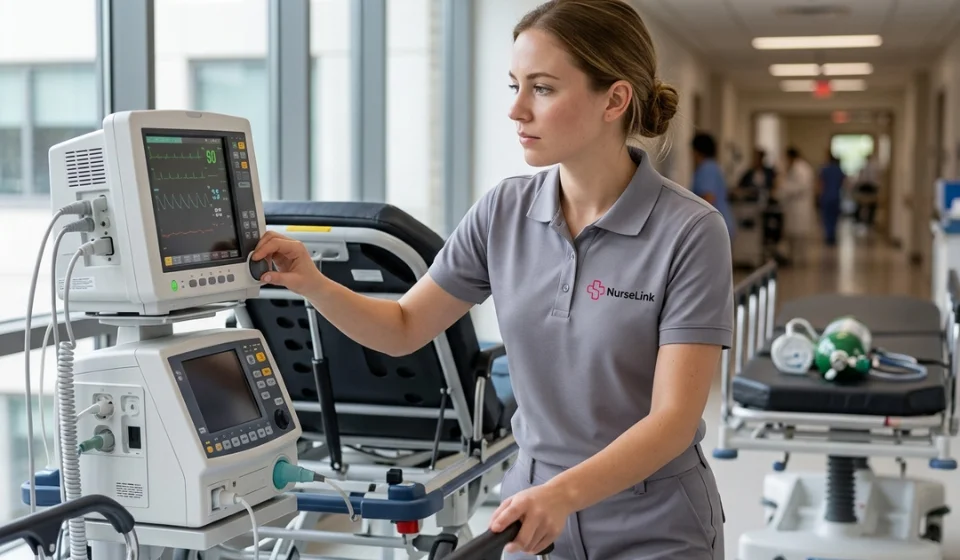
Once the journey begins, continuous or periodic monitoring of the patient’s oxygen levels is essential. This allows transport staff to detect any changes in condition early and respond appropriately. Monitoring typically involves checking oxygen saturation levels using pulse oximetry, as well as observing the patient’s overall respiratory status.
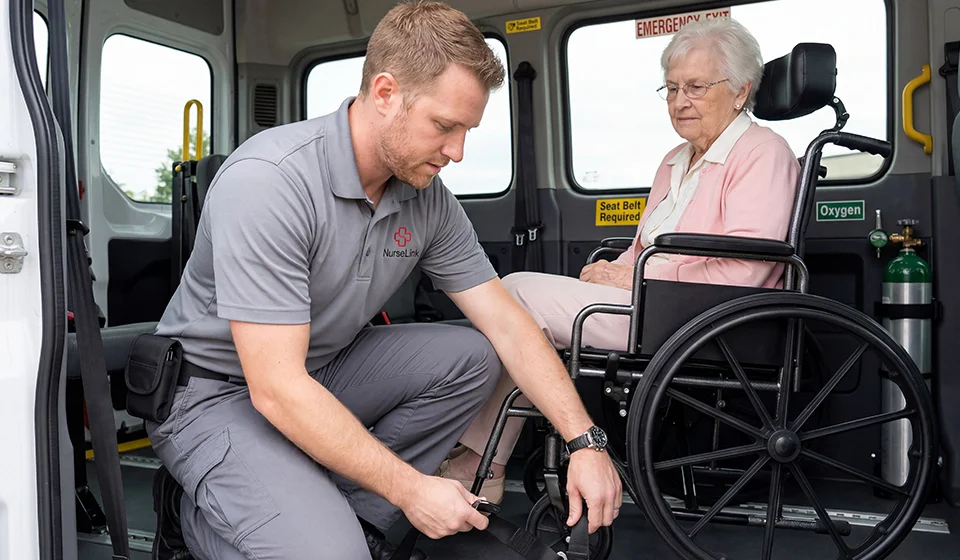
In addition to clinical monitoring, maintaining patient comfort is equally important. Proper positioning can significantly impact breathing efficiency, while reassurance and communication help reduce anxiety during transport. Effective handling oxygen patients in transit requires both clinical vigilance and patient-centred care.
- Monitor oxygen saturation levels (SpO₂) throughout the journey.
- Observe for signs of respiratory distress or discomfort
- Adjust oxygen flow within authorised clinical parameters.
- Maintain optimal patient positioning for breathing support.
- Record observations and any changes in condition.
Responding To Clinical Changes & Escalation Protocols
Despite careful planning, there is always a possibility of clinical changes during transport. Recognising early warning signs such as a drop in oxygen saturation, increased work of breathing, or changes in consciousness is critical for timely intervention.
Transport staff must be prepared to respond within their scope of practice, following established protocols for escalation if the patient’s condition deteriorates. This may involve increasing oxygen support, repositioning the patient, or contacting emergency services if necessary. Adhering to clinical guidelines for oxygen dependent patients ensures that responses are appropriate and effective.
Clear communication is essential during escalation. This includes informing receiving facilities of any changes and ensuring a smooth transition of care upon arrival. Prompt and appropriate action helps minimise risks and ensures patient safety.
- Identify early signs of deterioration such as hypoxia or distress.
- Implement immediate interventions within scope of care.
- Follow escalation protocols for worsening conditions.
- Communicate with emergency services when required.
- Ensure timely transfer to higher-level care if needed.
Conclusion
Managing oxygen-dependent patients during non-emergency transport requires a structured and clinically informed approach. From initial assessment to in-transit monitoring, every step plays a role in maintaining patient safety and stability. Trained transport staff are essential in delivering this level of care, ensuring that oxygen therapy is managed effectively throughout the journey. By prioritising preparation, adherence to protocols, and clear communication, healthcare providers can reduce risks and support continuity of care. Choosing a qualified NEPT provider like NurseLink Healthcare ensures that oxygen-dependent patients receive safe, reliable, and professional support from start to finish.