Making the right decisions before stepping into a medical transport vehicle is essential for ensuring safety, comfort, and peace of mind. Whether it is for a routine appointment, hospital discharge, or ongoing treatment, asking the right questions to ask before patient transport can make a significant difference in the overall experience. Patients, families, and carers should not assume that all transport services offer the same level of care. Instead, taking a proactive approach helps reduce risks, avoid delays, and ensure that the chosen service meets specific needs. This guide acts as a practical patient transport preparation guide, helping you feel informed, confident, and well-prepared before your journey.
Is This The Right Level Of Transport For My Condition?
One of the most important considerations is whether the type of transport being arranged is appropriate for your medical condition. Non-emergency patient transport (NEPT) is designed for individuals who are stable but still require assistance, while high-acuity or emergency transport is intended for urgent or critical situations. Understanding this distinction is a key part of any patient transport safety checklist.
Assessing your condition involves considering factors such as mobility, need for monitoring, and overall health stability. If your needs are underestimated, it can lead to discomfort or potential complications during transit. On the other hand, using a higher level of transport than necessary can place unnecessary strain on emergency services. If you are unsure, it is always best to consult a healthcare professional to determine the most appropriate option.
Are The Staff Qualified & Equipped To Meet My Care Needs?
The qualifications and experience of transport staff play a crucial role in ensuring a safe and comfortable journey. Not all transport services provide the same level of training, so it is important to understand who will be responsible for your care during transit. Knowing what to ask before medical transport includes asking about staff expertise and their ability to handle different patient needs.
Trained staff should be capable of assisting with mobility, monitoring patient comfort, and responding to minor clinical concerns. This is particularly important for elderly patients, individuals with disabilities, or those recovering from medical procedures.
- Confirm staff training in patient handling and basic clinical care.
- Ensure experience with mobility assistance and support techniques.
- Check ability to manage specific conditions such as post-surgery recovery.
- Ask about availability of staff for supervision during transit.
- Assess confidence in handling unexpected situations.
Is The Vehicle Safe, Clean, & Properly Equipped?
The condition of the transport vehicle is another critical factor that directly impacts patient safety and comfort. A well-maintained and properly equipped vehicle reflects the provider’s commitment to quality care. Including this in your patient transport checklist helps ensure that basic standards are met.
Cleanliness and infection control are particularly important, especially for vulnerable patients. In addition, vehicles should be equipped with essential safety features and medical equipment to handle different scenarios.
- Check cleanliness and adherence to infection control standards.
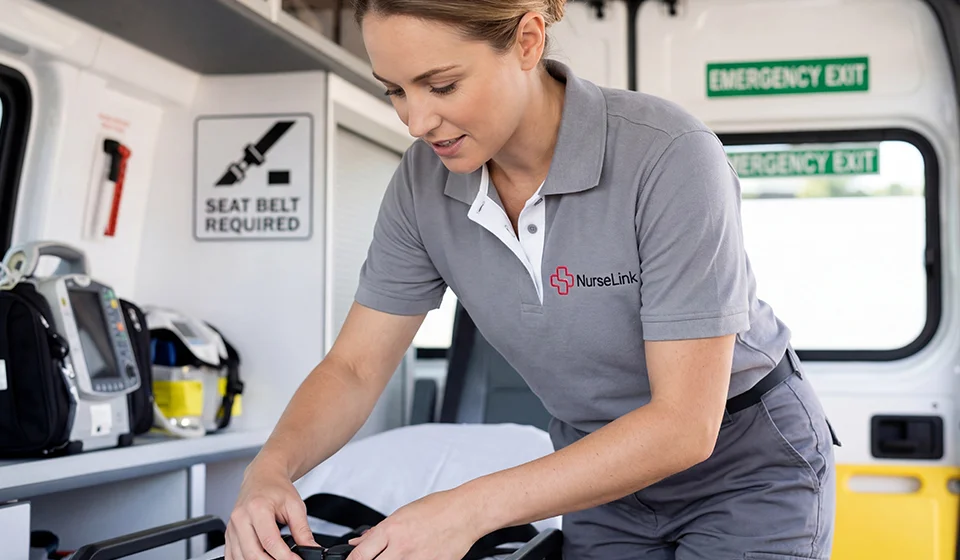
- Ensure availability of safety features such as restraints and secure seating.
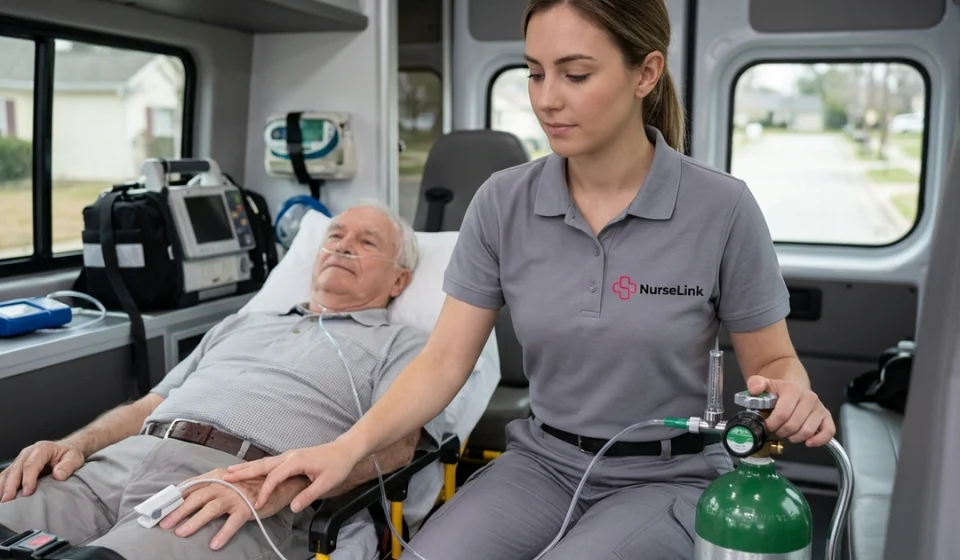
- Confirm presence of essential equipment like oxygen and first aid kits.
- Assess comfort factors including space, ventilation, and accessibility.
- Verify regular maintenance and compliance with regulations.
What Should I Expect During The Journey?
Understanding what will happen during the journey can help reduce anxiety and ensure that you are fully prepared. Transport services should provide a clear overview of the process, from pickup to drop-off, including the level of support you can expect.
This is where non emergency transport safety tips become particularly useful. Knowing what to expect allows patients and carers to plan ahead and feel more confident throughout the journey.
- Overview of the transport process and timeline.
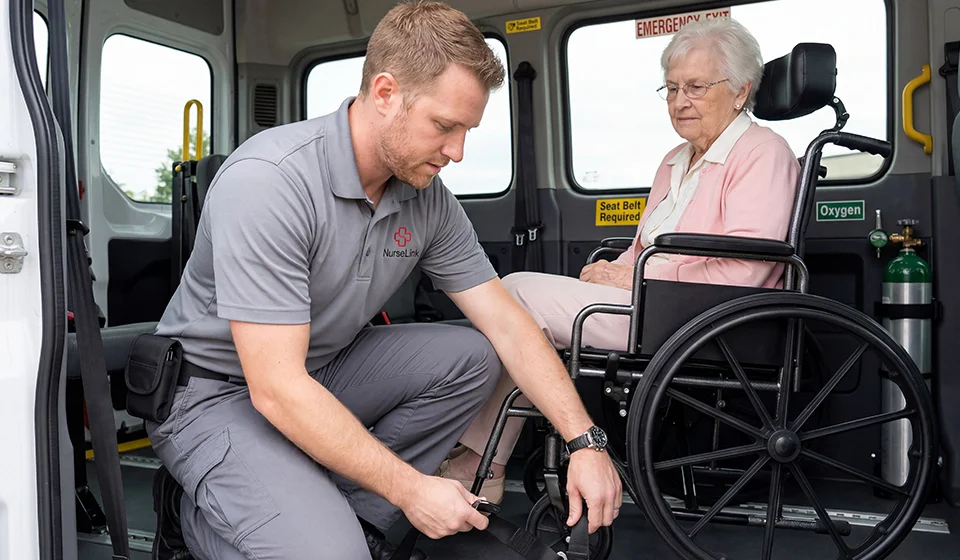
- Assistance provided during boarding and exiting the vehicle.
- Level of monitoring or supervision during transit.
- Communication and reassurance from staff.
- Expected duration and potential delays.
What Information & Preparation Are Required Before Pickup?
Proper preparation is essential for a smooth and stress-free transport experience. Knowing how to prepare for patient transport ensures that all necessary information and arrangements are in place before the vehicle arrives.
Patients should be ready both physically and logistically, with all relevant documents and details prepared in advance. This reduces the likelihood of delays and ensures that transport staff can provide the appropriate level of care.
- Ensure patient readiness including medications and hydration.
- Prepare required documents such as referrals or discharge summaries.
- Confirm accurate pickup and drop-off details.
- Communicate any special requirements or medical needs.
- Involve caregivers or family members where necessary.
Conclusion
Taking the time to ask the right questions before getting into a transport vehicle is essential for ensuring a safe and positive experience. A well-informed approach helps patients and carers make confident decisions, reducing uncertainty and potential risks. By following medical transport safety guidelines and focusing on key areas such as staff qualifications, vehicle readiness, and proper preparation, you can significantly improve the quality of care during transit. Ultimately, choosing a reliable and qualified transport provider ensures that your journey is not only safe but also comfortable and well-coordinated from start to finish.