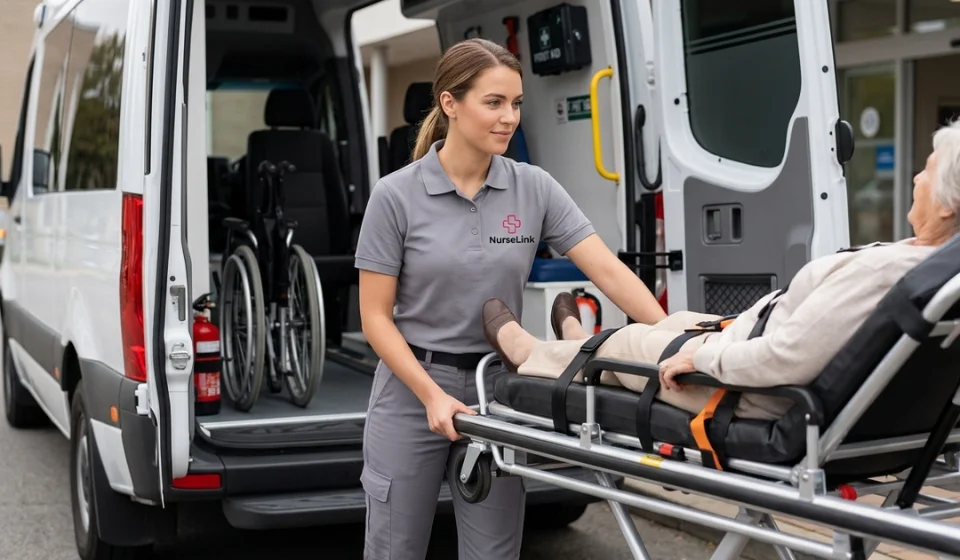
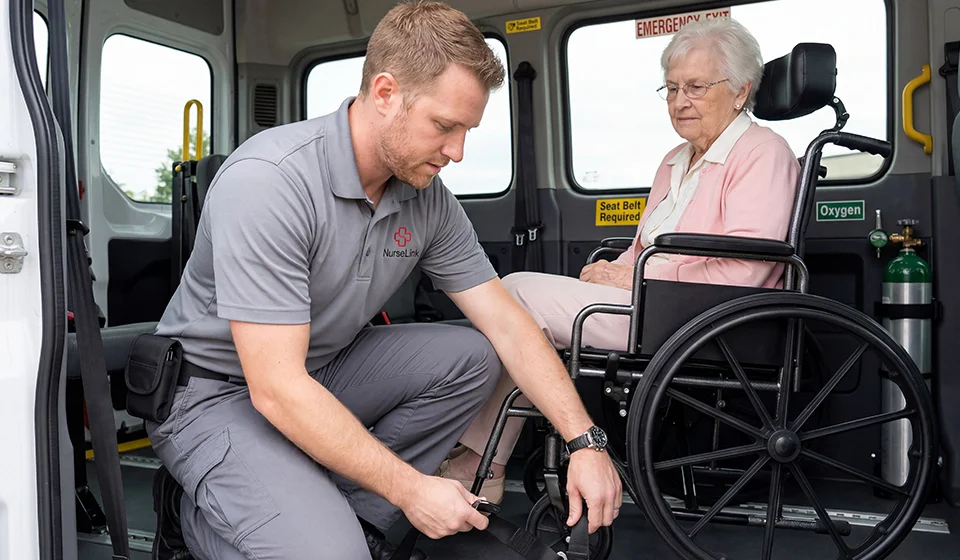
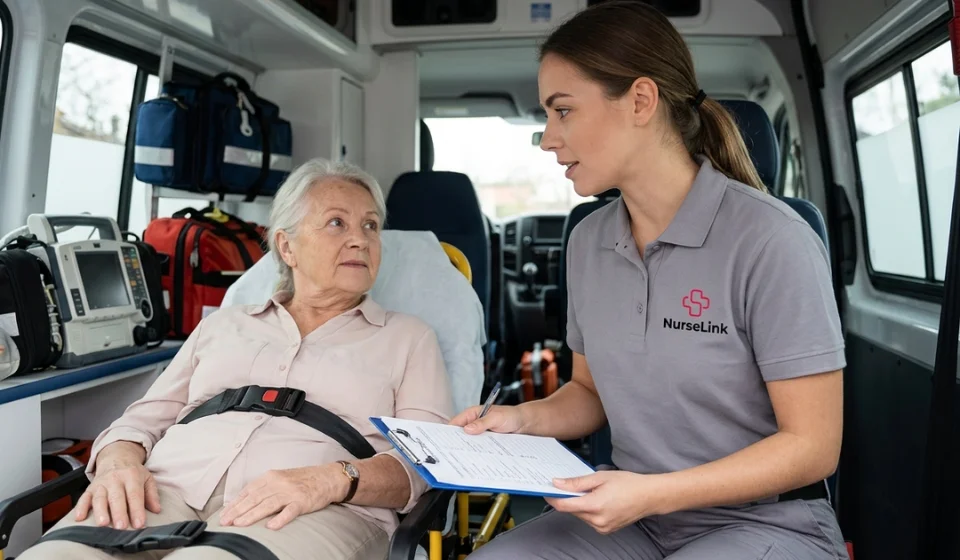
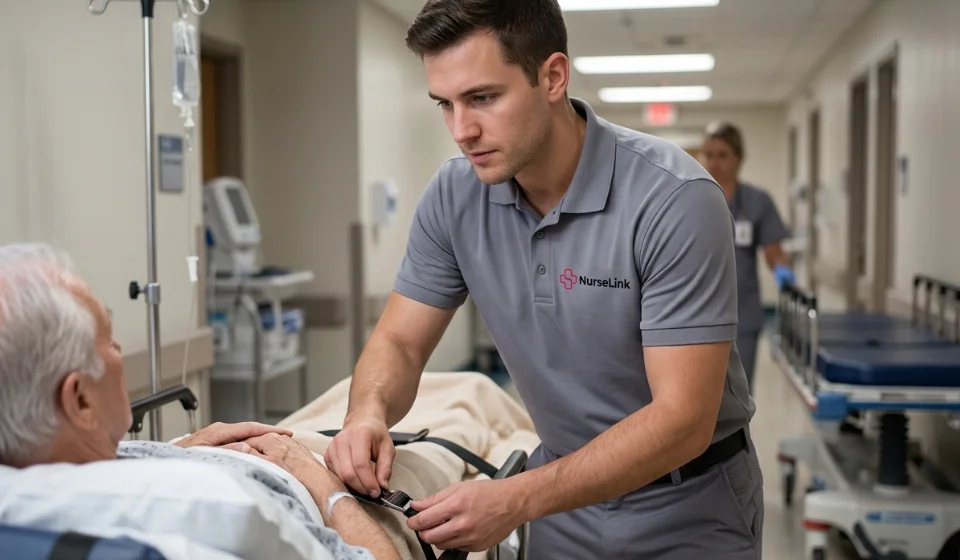
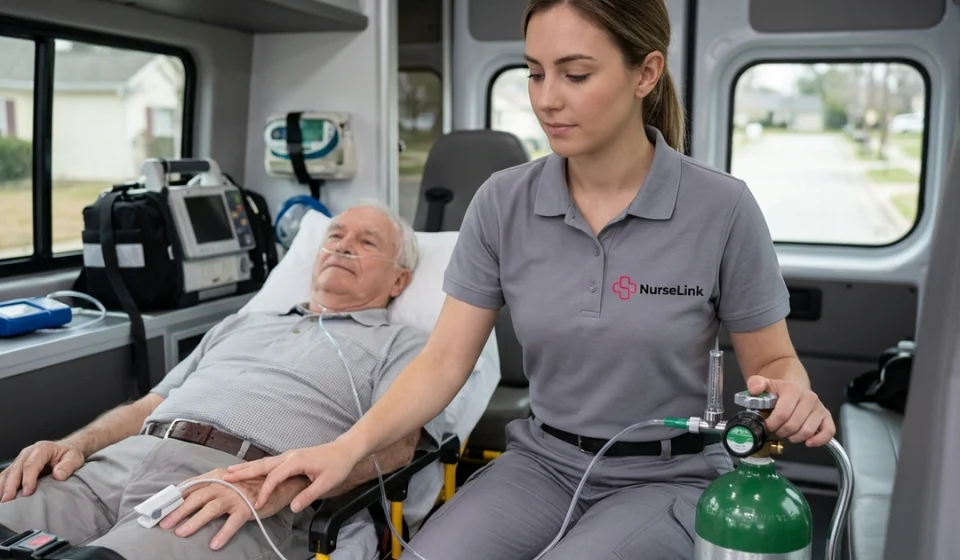
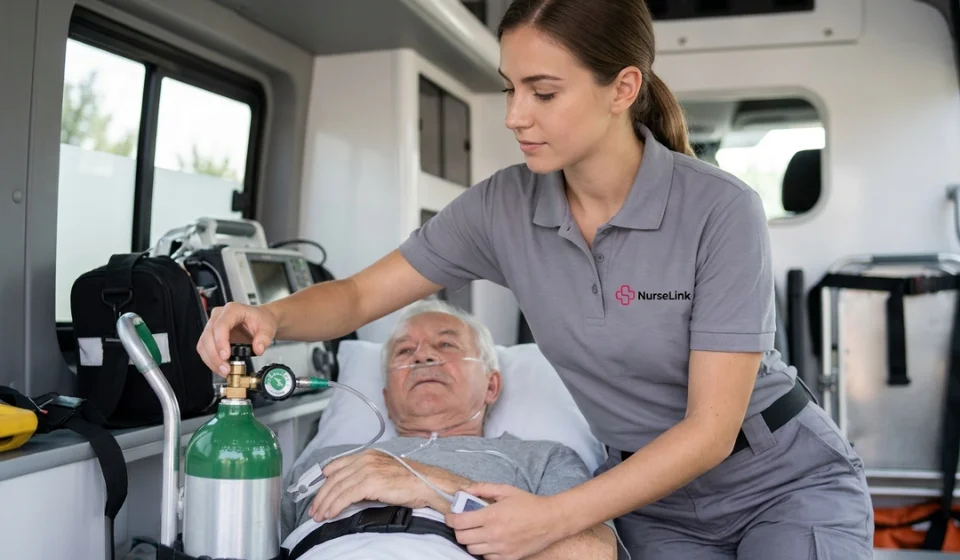
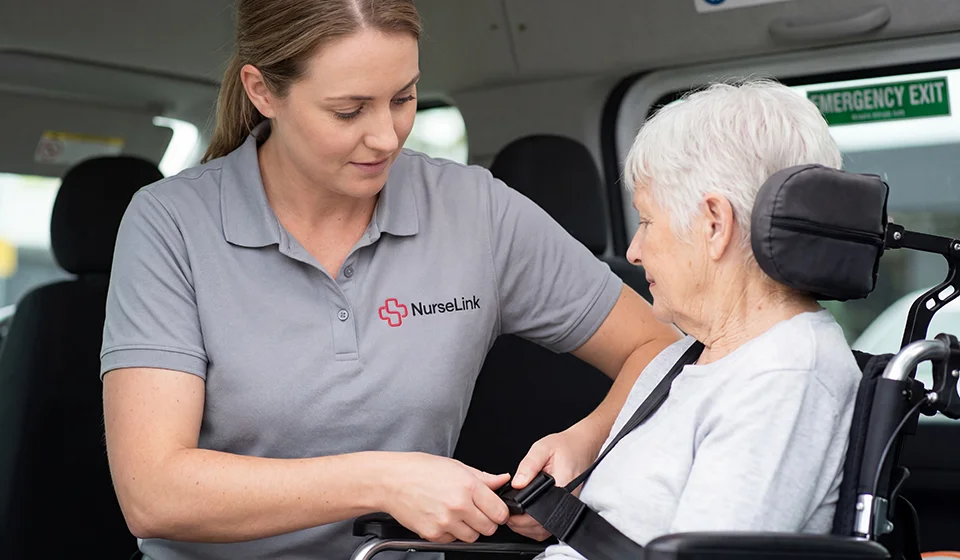
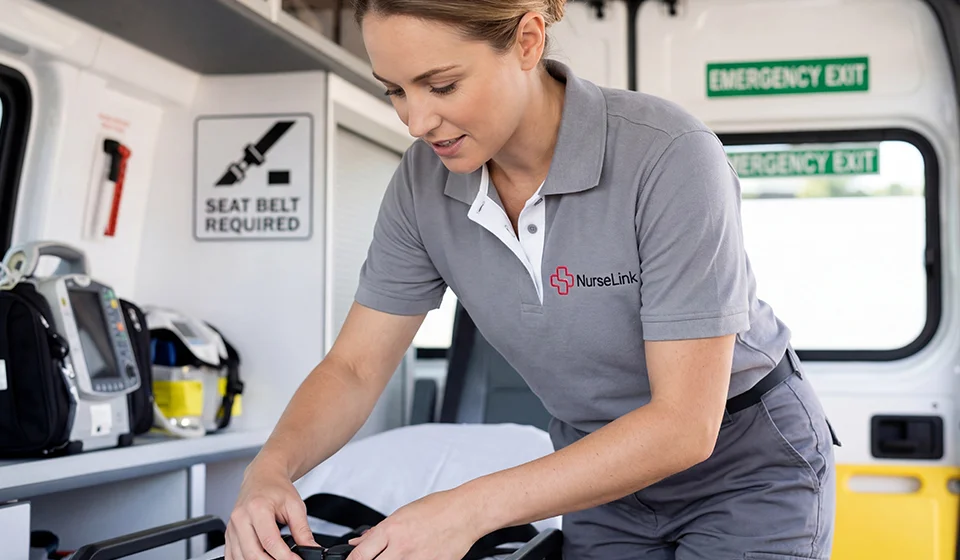
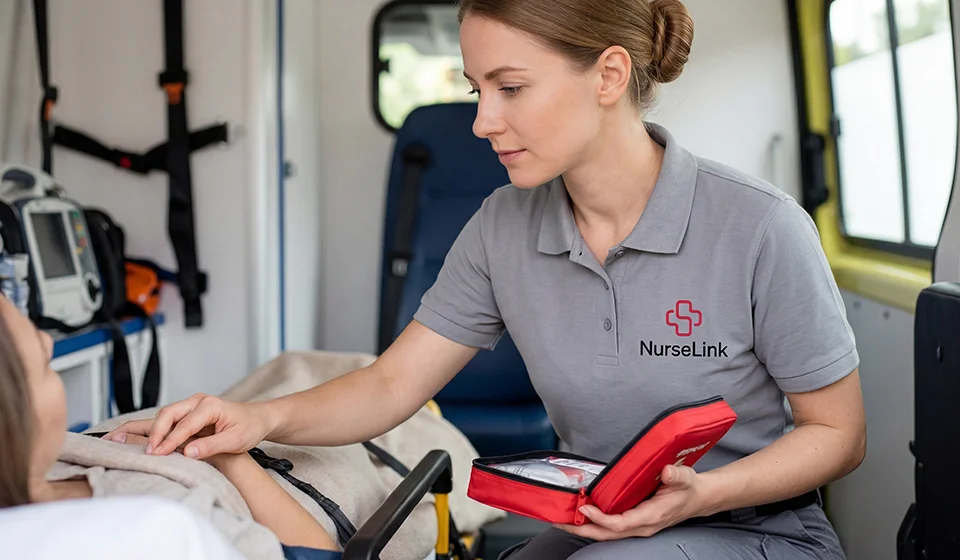
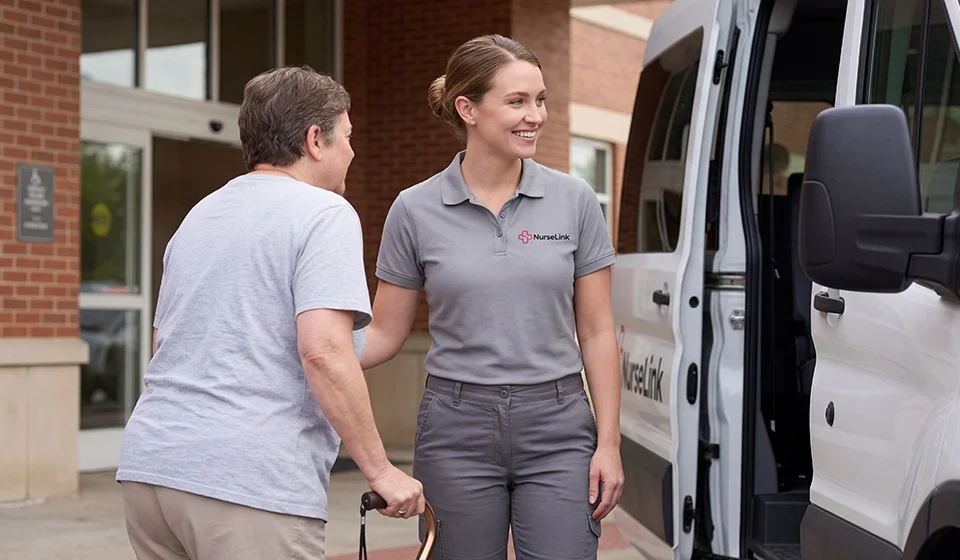
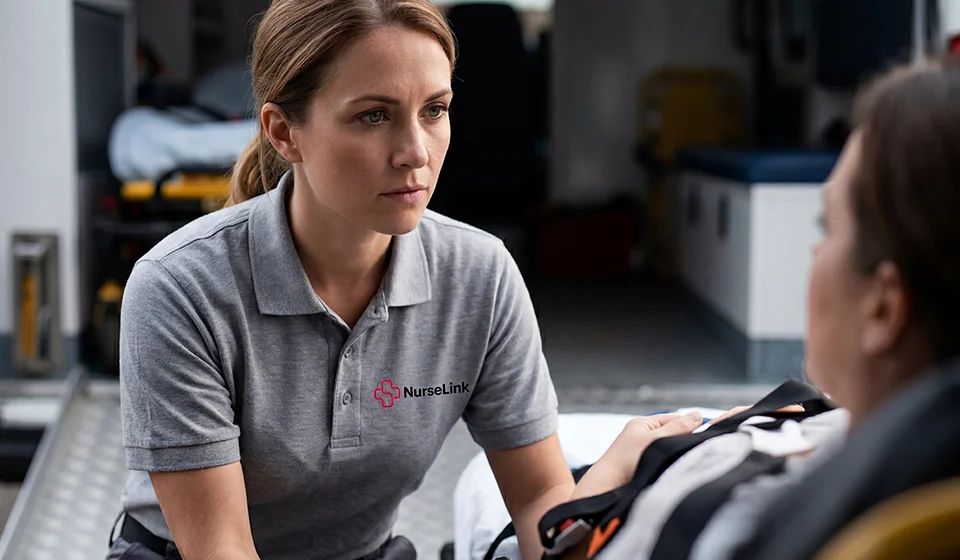
Non-emergency patient transport (NEPT) plays a vital role in supporting individuals who require safe and assisted travel to and from medical appointments, care facilities, and home environments. These services cater to a wide range of patients, including those with mobility challenges, individuals recovering after hospital discharge, older adults, and people living with disability. Patient transport professionals do far more than simply drive; they are responsible for safe patient handling, basic monitoring, and clear communication throughout the journey. Delivering this level of care requires compassion, respect, and a strong focus on dignity, while also coordinating effectively with healthcare providers to ensure continuity of care.
Why Upskilling Matters In Patient Transport?
As healthcare systems continue to evolve, so do the expectations placed on patient transport services. Patients today often present with more complex medical and mobility needs, particularly within aged care and community settings. This shift highlights the patient transport upskilling importance, as professionals must be equipped to handle a broader range of scenarios safely and confidently.
Ongoing education and training are essential to maintain high standards of care and reduce the risk of errors. Upskilling not only enhances technical capabilities but also builds confidence, allowing staff to deliver more effective and responsive care during every transport interaction.
- Growing complexity of patient needs across healthcare settings.
- Increasing expectations around patient safety and quality of care.
- Need to stay updated with current standards, policies, and protocols.
- Continuous learning helps reduce risks and improve decision-making.
- Greater confidence in managing diverse and unpredictable situations.
Enhancing Patient Safety & Care Through Training
Training is central to ensuring patient safety during transport. Proper manual handling techniques reduce the risk of injury for both patients and staff, particularly when assisting individuals with limited mobility. By learning best practices, transport professionals can perform transfers and repositioning with greater precision and care.
Infection control is another critical component of training. With patients often having compromised health, maintaining hygiene standards is essential to prevent the spread of infections. From sanitising equipment to following personal protective protocols, these practices directly contribute to safer transport experiences.
Additionally, training prepares staff to respond effectively in unexpected situations. Even in non-emergency settings, complications can arise, making it important for professionals to recognise early warning signs and take appropriate action. Strong communication skills also play a key role, helping to reassure patients, reduce anxiety, and create a more comfortable journey.
Key Skills Every Patient Transport Worker Should Develop
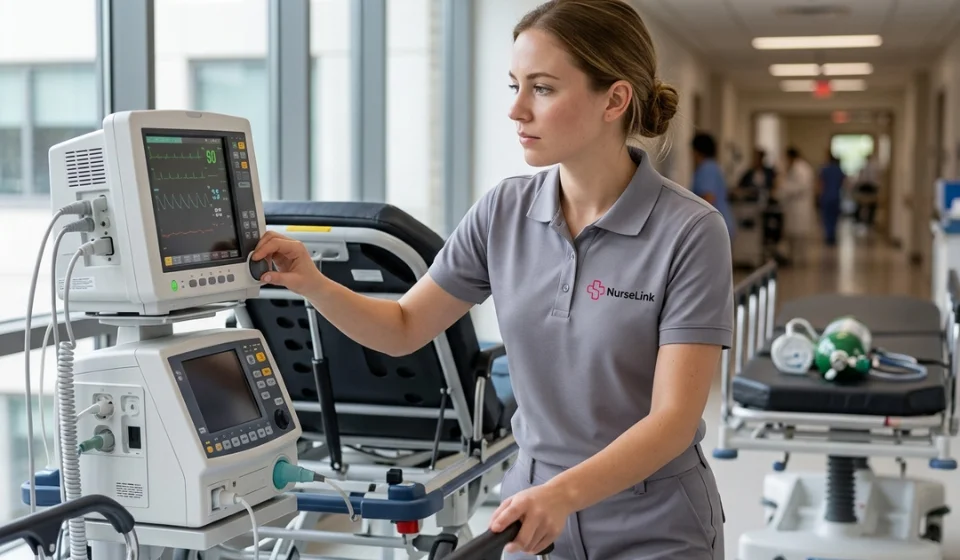
To deliver high-quality care, patient transport professionals must develop a well-rounded skill set. Clinical awareness allows them to observe and respond to changes in a patient’s condition, while effective communication ensures clear interaction with both patients and healthcare teams.
Equally important are practical and interpersonal skills. The ability to solve problems, manage time efficiently, and plan routes contributes to smoother operations and timely service delivery. Emotional intelligence is also essential, as it enables workers to provide compassionate care that respects each patient’s individual needs and circumstances. These capabilities highlight the value of patient transport skill enhancement in everyday practice.
Career Growth Opportunities Through Upskilling
Upskilling opens the door to a wide range of career opportunities within the healthcare sector. Patient transport roles can serve as a stepping stone into areas such as aged care, disability support, and community nursing. With additional training, professionals can transition into more specialised or senior roles.
The patient transport career development pathway is strengthened through continuous learning, as it improves employability and job stability. Gaining certifications and expanding knowledge not only enhances professional credibility but also supports long-term career growth in an increasingly competitive healthcare environment.
Meeting Industry Standards & Expectations
Healthcare is a highly regulated industry, and patient transport services must meet strict standards to ensure safety and quality. Upskilling helps professionals stay compliant with these regulations, including duty of care obligations and operational guidelines.
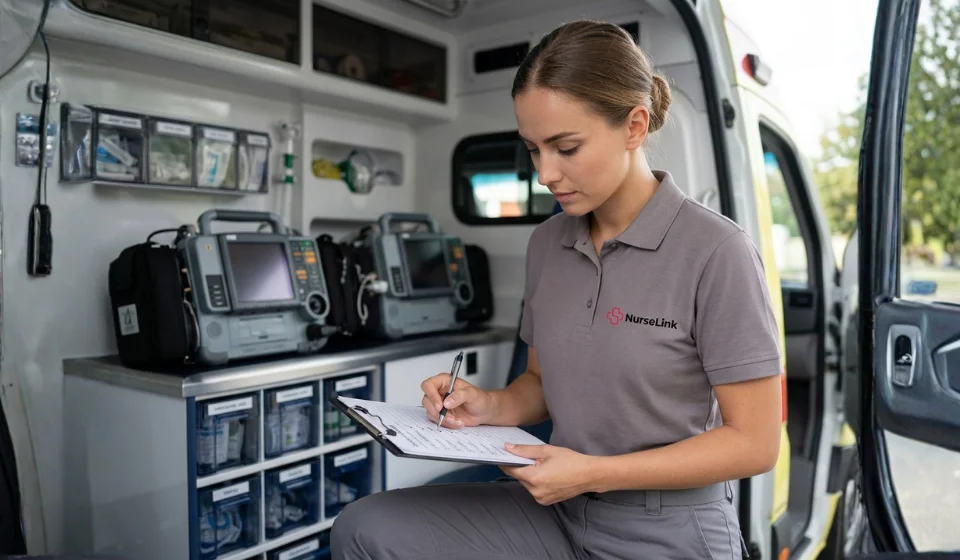
Accurate documentation and reporting are also critical aspects of the role. Proper record-keeping ensures accountability and supports effective communication between care providers. Maintaining professionalism and ethical conduct further strengthens trust with patients and healthcare partners.
As industry practices continue to evolve, staying informed about new developments is essential. The importance of patient transport training lies in its ability to keep professionals aligned with current best practices, ensuring consistent and reliable service delivery.
Investing In Skills For Better Patient Outcomes
There is a direct connection between skill level and the quality of care patients receive. Well-trained professionals are better equipped to provide safe, comfortable, and efficient transport, which significantly enhances the overall patient experience.
Upskilling also contributes to improved health outcomes by reducing the likelihood of complications during transport. From minimising physical strain to ensuring timely access to medical services, the patient transport learning benefits extend beyond the journey itself. They support independence, continuity of care, and long-term wellbeing for patients.
Conclusion
Upskilling in patient transport is essential for delivering safe, high-quality care in a rapidly evolving healthcare environment. By continuously developing skills, professionals can improve patient safety, comfort, and overall outcomes while also advancing their own careers. Ongoing learning not only strengthens individual capabilities but also contributes to a more reliable and effective healthcare system. Embracing upskilling as a continuous process ensures long-term benefits for both patient transport professionals and the communities they serve.