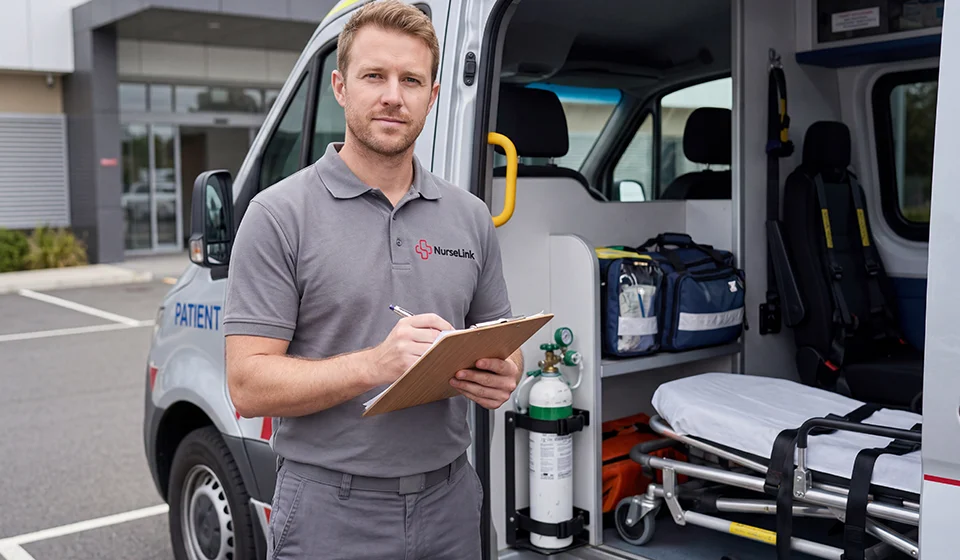
Patient transport plays a critical role in the healthcare journey, ensuring individuals can safely access medical care when needed. However, many people are unsure about the difference between NEPT and ambulance services, often using the terms interchangeably. Choosing the right option is essential for safety, cost-effectiveness, and appropriate clinical care. This guide explores the key distinctions in NEPT vs ambulance, helping patients, families, and caregivers understand when each service should be used and how to make informed transport decisions.
What Is NEPT (Non-Emergency Patient Transport)?
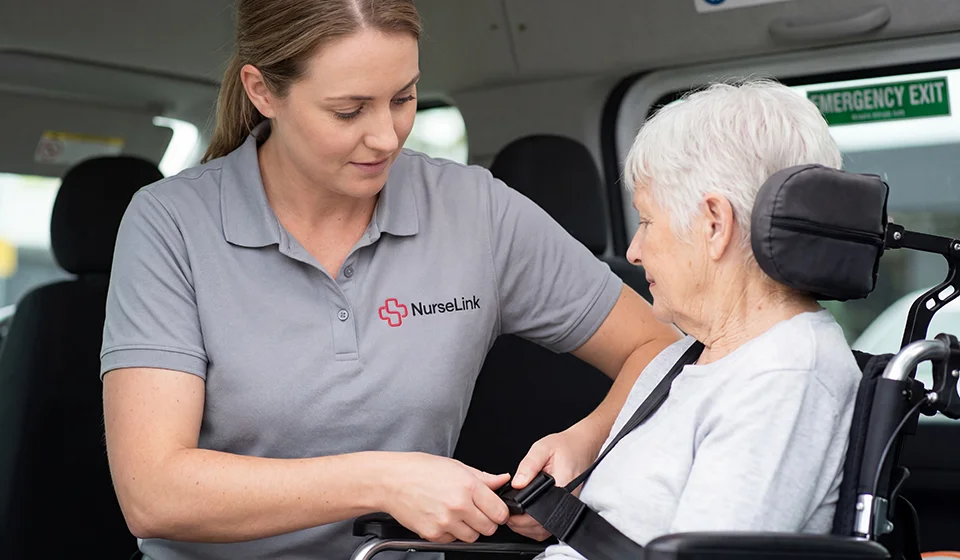
Non-Emergency Patient Transport (NEPT) refers to a specialised service designed for individuals who are medically stable but require assistance travelling to and from healthcare appointments. It is a planned and structured form of transport that supports patients who may have mobility limitations, chronic conditions, or require supervision during transit without needing urgent medical intervention.
NEPT services focus on comfort, accessibility, and reliability, making them an essential part of modern healthcare systems. By supporting routine and non-urgent transport needs, NEPT helps reduce pressure on emergency services while improving access to care for vulnerable populations.
- Designed for medically stable patients who do not require emergency care.
- Commonly used by elderly individuals or those with mobility challenges.
- Suitable for routine appointments such as dialysis, rehabilitation, or specialist visits.
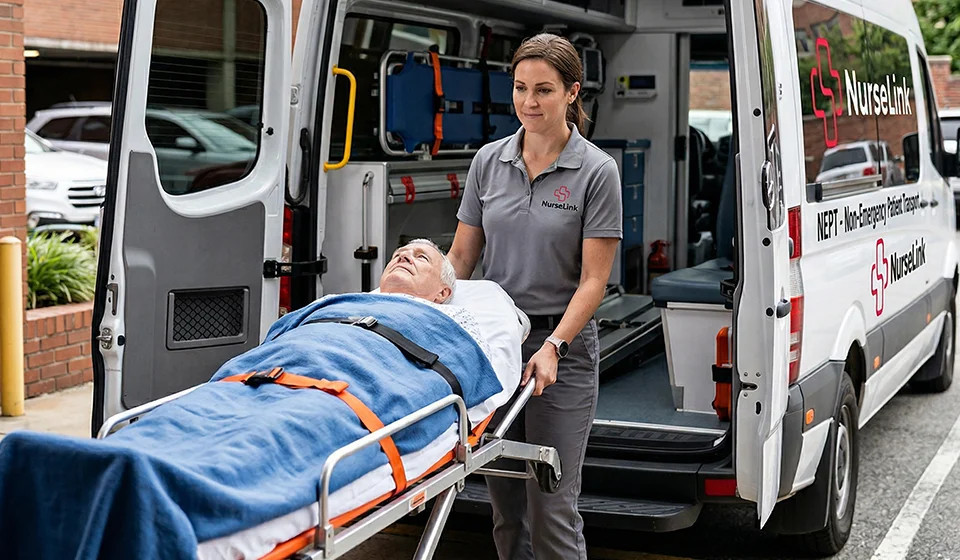
- Includes wheelchair transport, stretcher transport, and assisted door-to-door services.
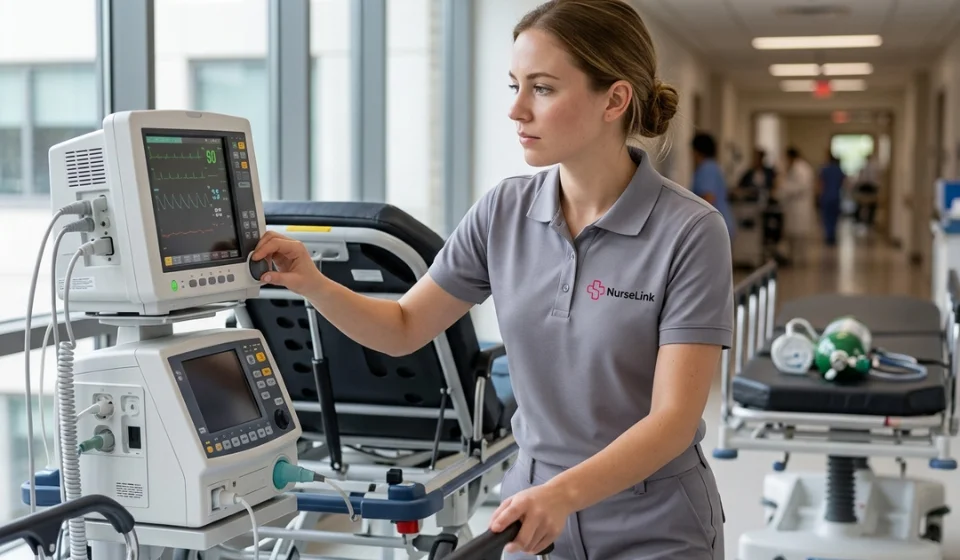
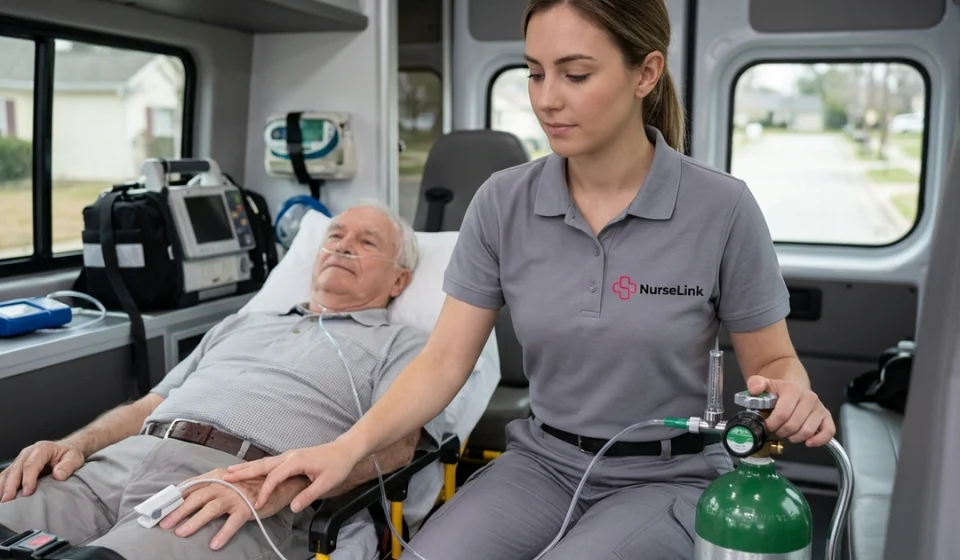
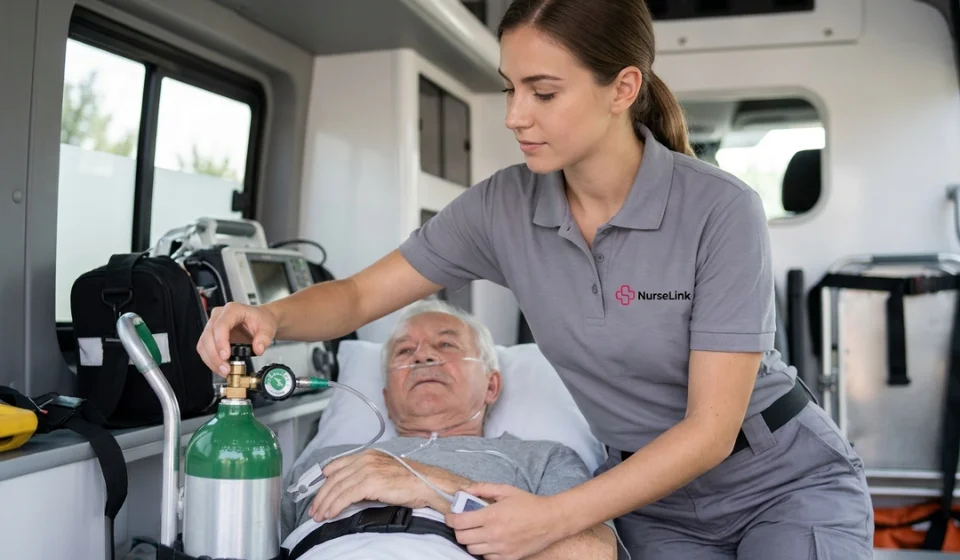
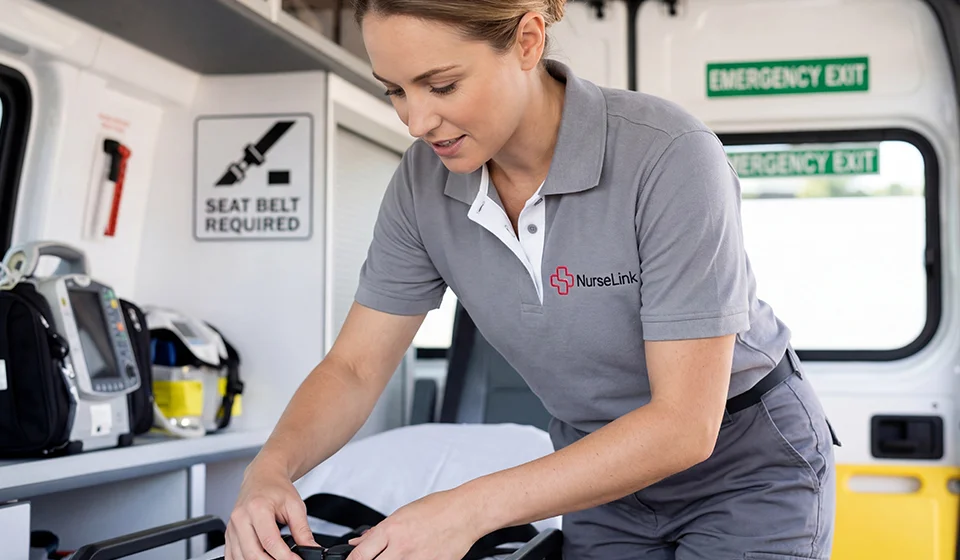
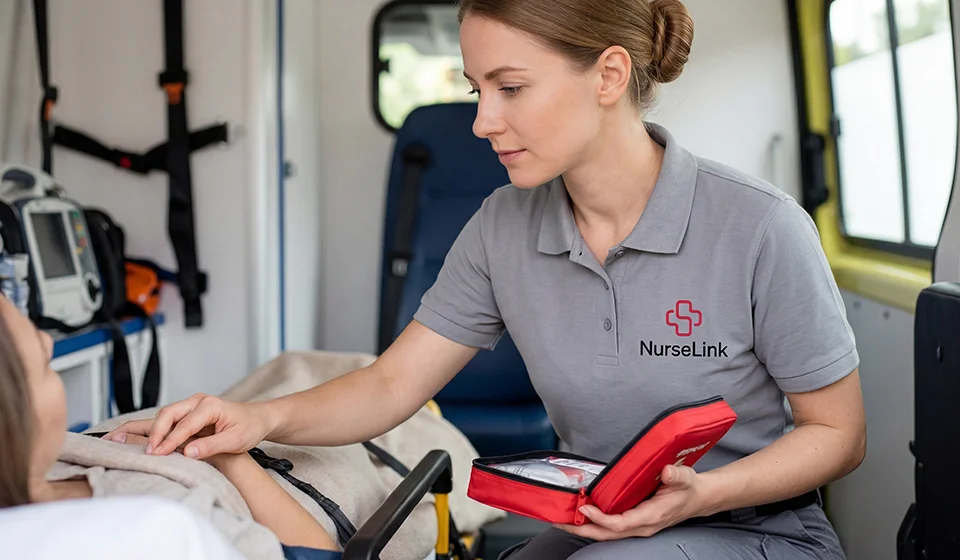
- Staff are trained to provide basic support and monitoring during transit.
What Is An Ambulance Service?
Ambulance services are a critical component of emergency healthcare, providing rapid medical response in situations where a person’s life or health is at immediate risk. These services are equipped to deliver advanced medical care on-site and during transport, ensuring patients receive urgent intervention as quickly as possible.
In Australia, ambulance services respond to emergency calls and are staffed by highly trained paramedics capable of delivering life-saving treatment. Their primary focus is stabilisation, emergency care, and safe transport to the nearest appropriate medical facility.
- Provides rapid response to life-threatening or urgent medical situations.
- Activated through emergency services such as 000 in Australia.
- Includes advanced life support (ALS) capabilities.
- Handles urgent inter-facility transfers requiring medical supervision.
- Staffed by qualified paramedics and clinical professionals.
- Equipped with defibrillators for cardiac emergencies.
- Provides oxygen therapy and airway management.
- Administers life-saving medications when required.
- Focuses on stabilising patients before and during transport.
- Designed for immediate, high-acuity care needs.
Key Differences Between NEPT & Ambulance Services
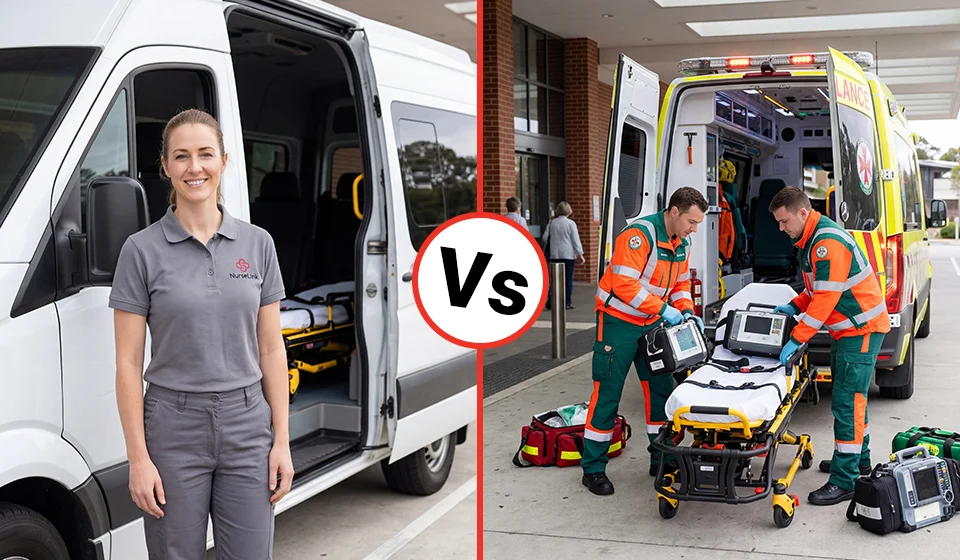
Understanding the non emergency patient transport vs ambulance distinction is essential for choosing the right service. While both involve transporting patients, the level of urgency, medical care, and purpose differ significantly.
NEPT is intended for planned, non-urgent transport where patients are stable, while ambulance services are reserved for emergencies requiring immediate medical intervention. Choosing the appropriate service ensures better outcomes and helps maintain efficiency within the healthcare system.
- Urgency: NEPT is pre-booked and non-urgent, while ambulance services respond to emergencies.
- Medical care: NEPT provides basic support, whereas ambulances offer advanced clinical care.
- Booking process: NEPT requires prior scheduling, ambulance services are dispatched immediately.
- Cost: NEPT is generally more affordable than emergency ambulance services.
- Staffing and equipment: NEPT uses trained support staff, ambulances have paramedics and advanced equipment.
When Should You Use NEPT?
NEPT is best suited for situations where medical transport is required but there is no immediate risk to health. It is commonly used for routine healthcare needs and ongoing treatment, providing a safe and reliable option for patients who need assistance but not emergency care.
This service is particularly beneficial for older adults, individuals with disabilities, or those recovering from medical procedures. It offers a structured and comfortable transport experience, reducing stress for both patients and caregivers.
Typical use cases include attending routine medical appointments, travelling to dialysis or rehabilitation sessions, and arranging transport after hospital discharge. NEPT is also ideal for individuals with mobility limitations who cannot use standard transport safely.
When Is An Ambulance Necessary?
Ambulance services should be used in situations where there is a serious or potentially life-threatening medical condition. These scenarios require immediate attention and rapid transport to ensure the best possible outcome.
Examples include chest pain, difficulty breathing, severe injuries, stroke symptoms, or loss of consciousness. In such cases, delaying care can have significant consequences, making it critical to prioritise emergency response services.
When there is any uncertainty about the severity of a condition, it is always safer to choose an ambulance. Emergency services are equipped to assess and stabilise patients quickly, ensuring timely and appropriate care.
Cost Differences: NEPT Vs Ambulance
Cost is another important factor when comparing ambulance vs non emergency transport. NEPT services are generally more affordable, as they are designed for planned and non-urgent care. These services may be funded through private payment options or programs such as the NDIS, depending on eligibility.
Ambulance services, on the other hand, can be significantly more expensive due to the level of care provided and the urgency of response. Costs may vary across Australian states, with some offering subscription models while others require out-of-pocket payments.
Factors such as distance travelled, level of medical support required, and time of service can influence overall costs. Choosing the correct service not only ensures appropriate care but also helps avoid unnecessary financial burden for patients and families.
Choosing The Right Transport For Your Needs
Selecting the right transport option involves careful consideration of the patient’s medical condition, level of mobility, and required support. Understanding the NEPT vs emergency ambulance services distinction helps ensure that care is both safe and appropriate.
Healthcare professionals can provide guidance based on clinical needs, helping families make informed decisions. For planned and non-urgent transport, professional NEPT providers offer a reliable and patient-focused solution that prioritises comfort and dignity.
- Assess the level of medical urgency before making a decision.
- Consider the patient’s mobility and overall health condition.
- Determine the level of monitoring or support required during transport.
- Explore funding options such as NDIS or private payment.
- Seek advice from healthcare providers when unsure.
Choosing the right service ensures not only better health outcomes but also supports the efficient use of healthcare resources. NurseLink Healthcare provides dependable and compassionate transport solutions tailored to individual needs, supporting patients and families at every stage of their care journey.