Getting to and from medical appointments should be the easy part of managing your health, yet for many patients and families across Australia, it’s anything but simple. Reliable patient transport plays a crucial role in ensuring continuity of care, particularly for those managing chronic conditions, recovering from surgery, or attending regular treatments such as dialysis or rehabilitation. When transport issues arise, the consequences can extend well beyond a missed booking, sometimes leading to delayed diagnoses, interrupted treatment plans, and unnecessary stress for everyone involved. This is where Non-Emergency Patient Transport (NEPT) services step in, offering a dependable solution for safe, timely medical travel. In this article, we’ll explore five of the most common problems with patient transport and explain how NEPT services address each one effectively.
Problem #1: Delays & Missed Medical Appointments
One of the most frequent patient transport issues families encounter is delays that result in missed or rescheduled appointments. Whether it’s a late pickup, a scheduling mix-up, or unexpected traffic, these delays can have a ripple effect on a patient’s entire treatment journey. For patients managing ongoing conditions, even a short delay can disrupt carefully planned care routines and create unnecessary setbacks.
- Common causes include poor scheduling coordination, vehicle availability issues, traffic congestion, and last-minute changes to appointment times.
- Missed appointments can disrupt treatment plans, delay diagnoses, and slow recovery progress for patients with ongoing medical needs.
- Families often face financial costs from cancellation fees, lost wages from rearranged work schedules, and the emotional toll of rebooking.
- Repeated delays can erode trust in transport providers, leaving patients anxious about future appointments.
- NEPT services improve punctuality through dedicated scheduling systems, real time coordination, and drivers who understand the importance of arriving on time for medical care.
Problem #2: Limited Accessibility For Patients With Mobility Challenges
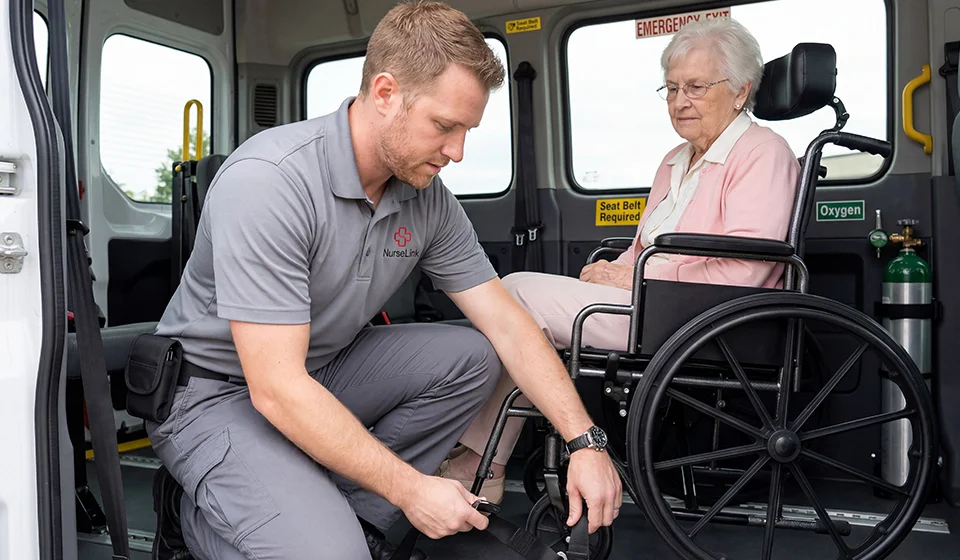
For patients who use wheelchairs or have reduced mobility, standard transport options often fall short. Regular vehicles aren’t designed to accommodate mobility aids safely, and without the right equipment or trained staff, getting in and out of a vehicle can become a daily challenge rather than a simple part of the routine.
- Wheelchair users often struggle to find vehicles with proper ramps, lifts, or securement systems.
- Standard taxis and rideshare vehicles rarely meet the accessibility requirements of patients with mobility limitations.
- Patients with limited mobility need more than just a vehicle, they need trained personnel who understand safe transfer techniques.
- Without specialised equipment, there’s an increased risk of falls, strain injuries, or discomfort during transport.
- NEPT providers offer accessible vehicles fitted with ramps and restraints, along with staff trained in assisted transfers to ensure every journey is safe and dignified.
Problem #3: Inadequate Support For Patients With Complex Medical Needs
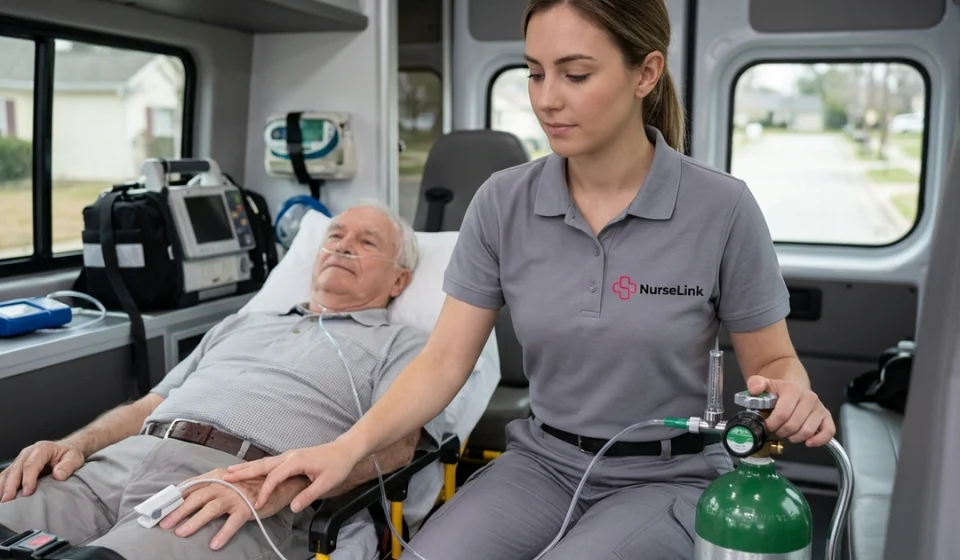
Patients with complex medical conditions often require more than just a ride, they need monitoring, assistance, and sometimes medical equipment during transit. Conventional transport services simply aren’t equipped to provide this level of support, which can leave vulnerable patients at risk during what should be a routine trip.
- Some patients require oxygen support, IV monitoring, or assistance with mobility aids throughout the journey.
- Using conventional transport for patients with complex needs can lead to medical complications going unnoticed or unmanaged.
- Medically trained transport staff can recognise early warning signs and respond appropriately if a patient’s condition changes.
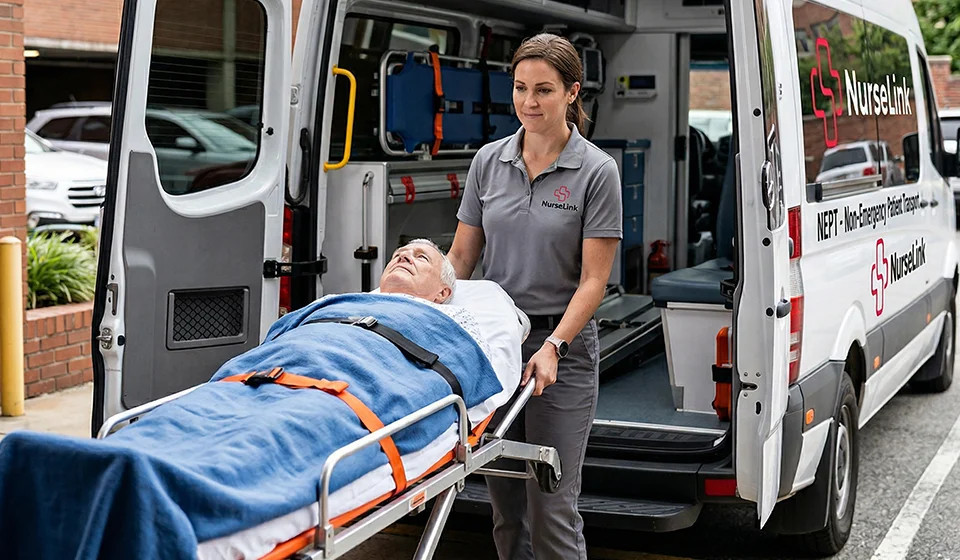
- Appropriate equipment, such as stretchers, oxygen supplies, and monitoring devices, is essential for safe transport of high needs patients.
- NEPT services tailor each transport plan to the individual, ensuring patients with complex medical requirements receive the right level of care and supervision throughout their journey.
Problem #4: Increased Stress For Families & Caregivers
Arranging transport for a loved one’s medical appointments often falls on family members or carers, adding another layer of responsibility to an already demanding role. Coordinating pickup times around work commitments, dealing with cancellations, and worrying about whether a loved one will arrive safely can quickly become overwhelming.
- Juggling transport arrangements with work schedules and family responsibilities can be a constant source of pressure.
- Caregivers often carry the emotional weight of ensuring their loved one’s safety during every trip to and from appointments.
- Last minute cancellations or no shows force families to scramble for alternative arrangements, sometimes missing appointments altogether.
- The unpredictability of relying on informal transport options adds stress to an already challenging caregiving role.
- NEPT offers dependable, pre booked transport that families can rely on, easing the logistical burden and giving caregivers peace of mind.
Problem #5: Safety & Comfort Concerns During Travel
Safety and comfort should never be afterthoughts when it comes to patient transport, yet many transport options fail to prioritise either. From unsuitable seating to a lack of understanding around healthcare protocols, these gaps can turn a simple trip into a source of discomfort or even harm for patients.
- Unsuitable transportation methods can increase the risk of falls, pressure injuries, or discomfort during longer journeys.
- Secure seating, safe patient handling techniques, and comfortable travel conditions are essential for patient wellbeing.
- Transport providers unfamiliar with healthcare protocols may not know how to handle medical equipment, mobility aids, or sensitive patient needs.
- Patients with anxiety or sensory sensitivities benefit from a calm, considerate approach during transport.
- NEPT prioritises patient safety, dignity, and comfort at every stage of the journey, with trained staff who understand the unique needs of each individual.
Conclusion
From delays and accessibility barriers to inadequate support for complex medical needs, increased stress on caregivers, and safety concerns during travel, these common problems with patient transport can significantly impact a patient’s care journey. NEPT services address each of these challenges directly, offering reliable scheduling, accessible vehicles, trained staff, and a genuine commitment to patient comfort and dignity. Choosing a specialised non emergency patient transport non emergency patient transport problems provider means fewer disruptions and more confidence in every appointment. By planning ahead and partnering with a trusted NEPT service, patients and families can ensure that getting to and from medical appointments is one less thing to worry about.