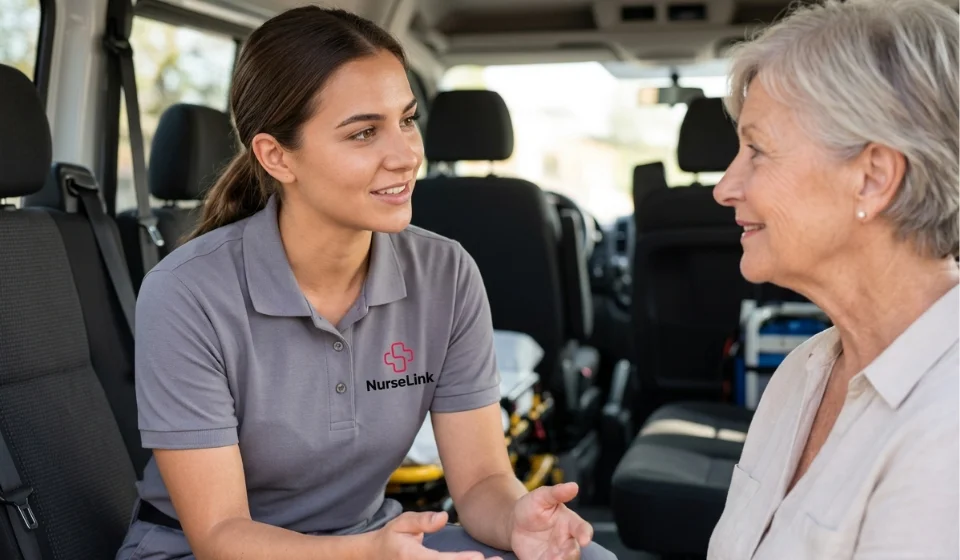
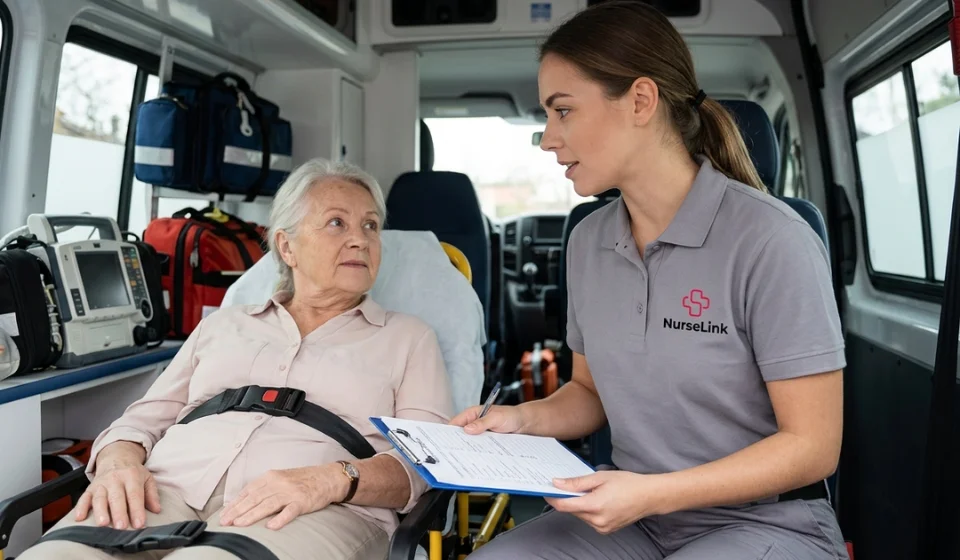
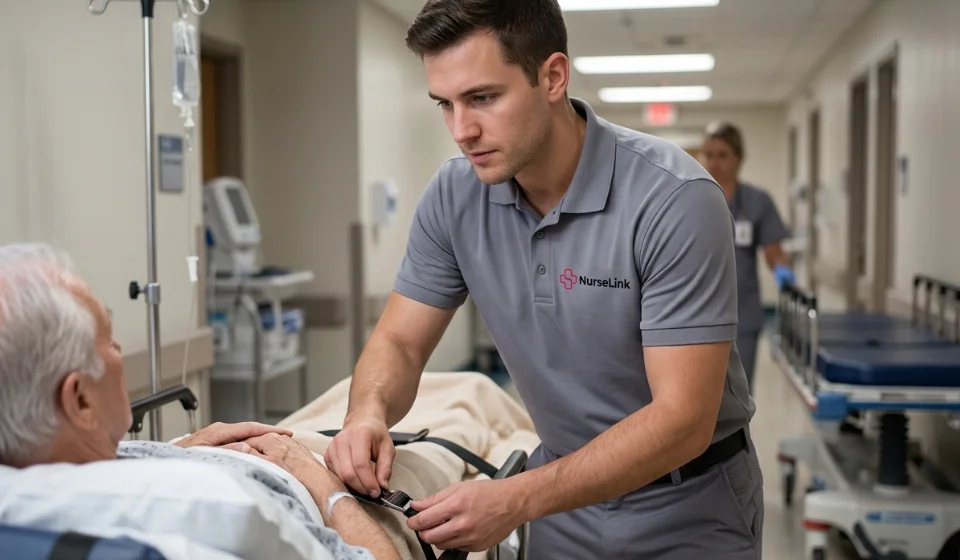
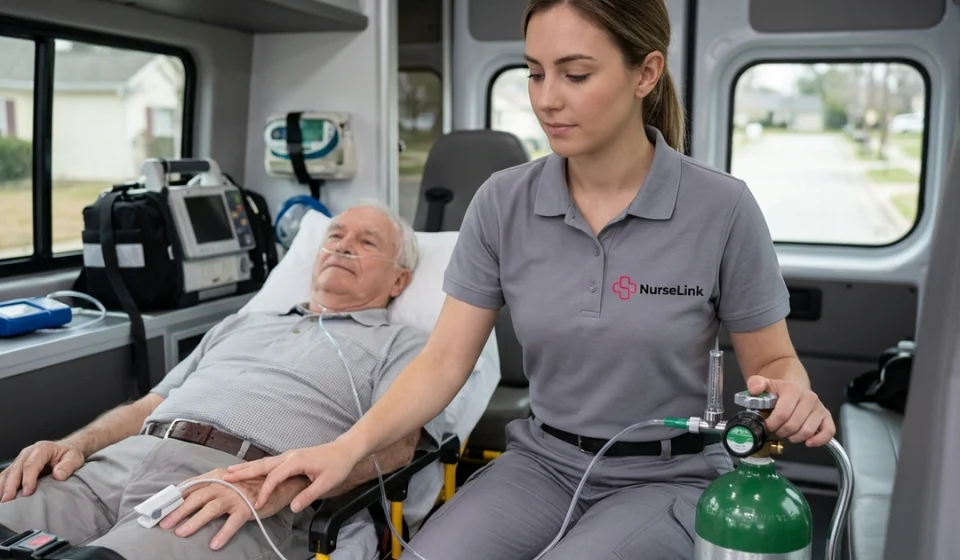
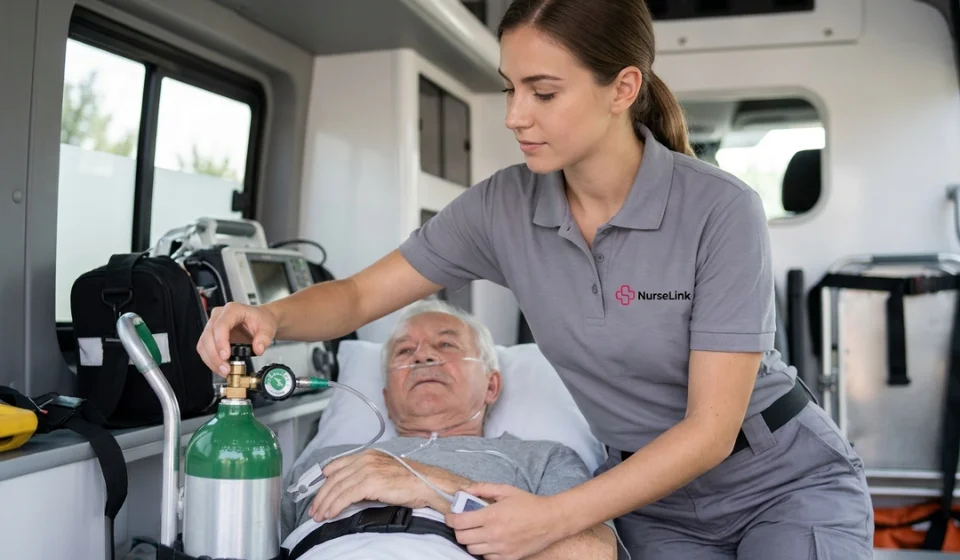
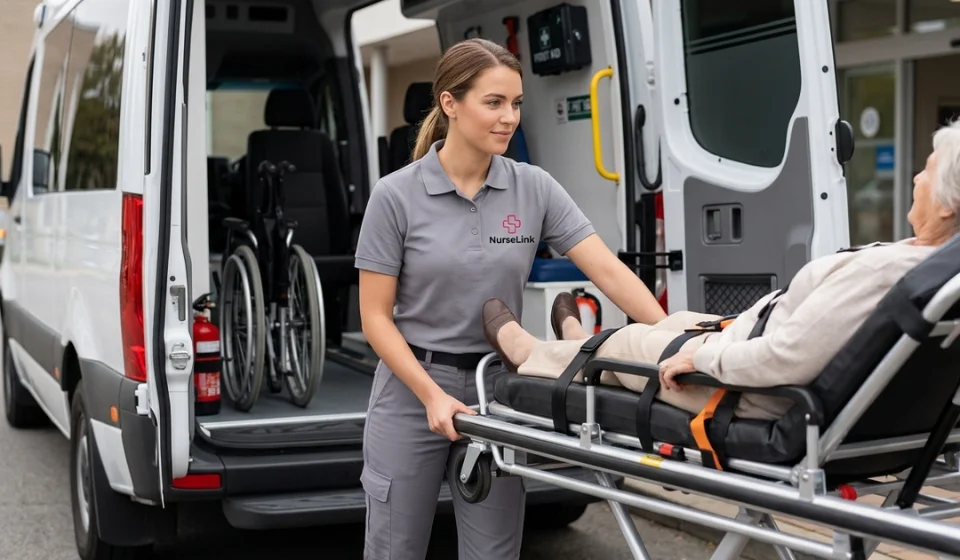
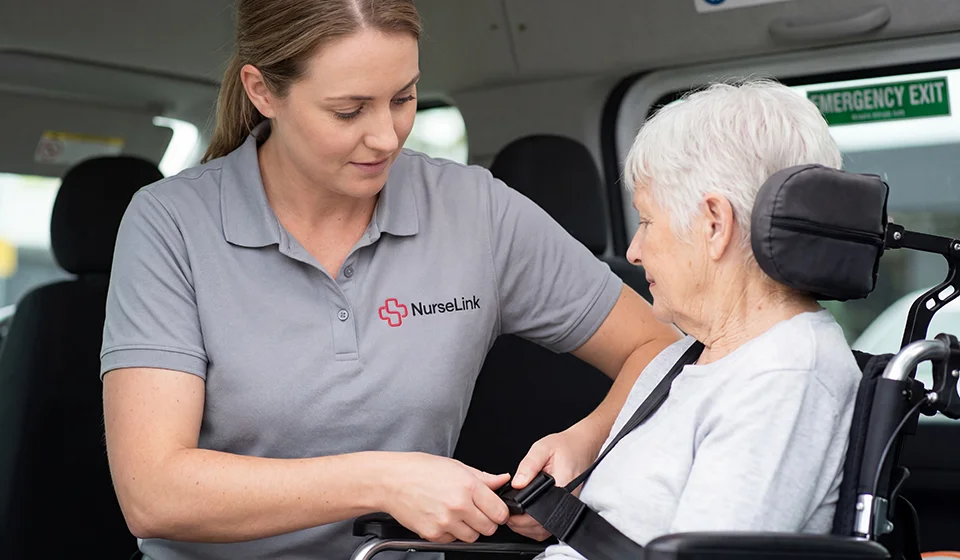
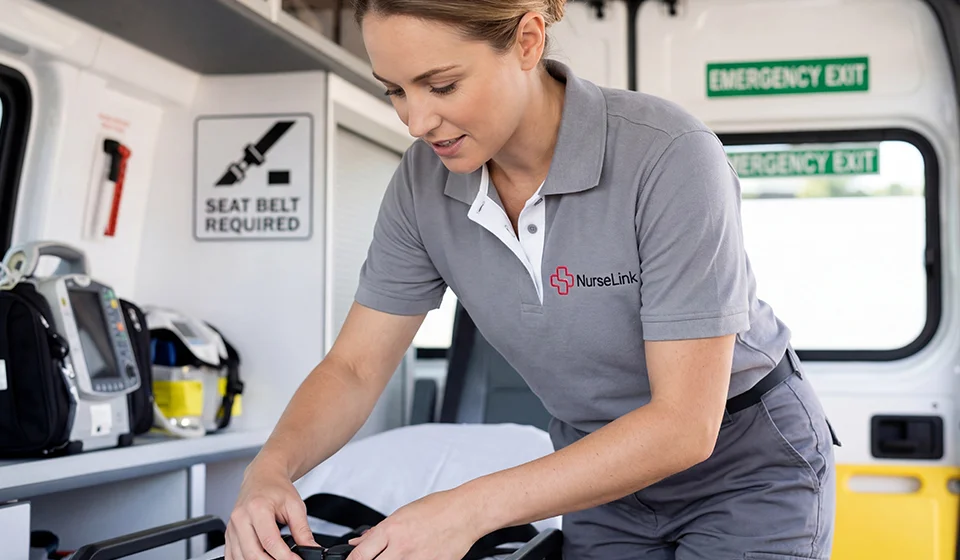
When someone is being transported for medical care, whether that’s a routine appointment, a hospital transfer, or a trip home after treatment, the last thing they should have to think about is whether the vehicle they’re travelling in is clean and safe. In non-emergency patient transport (NEPT), vehicle hygiene isn’t an afterthought, it’s a core part of delivering safe, professional care. Every patient deserves to travel in an environment that’s been properly cleaned and prepared, particularly given how many of these patients are unwell, immunocompromised, or otherwise vulnerable. That’s why vehicles are thoroughly cleaned and sanitised between transfers, reducing infection risks and maintaining consistently high care standards. In this article, we’ll look at why this process matters so much, walk through what actually happens between transfers, and explain the infection control standards that underpin it all.
Why Vehicle Cleaning Matters In Patient Transport
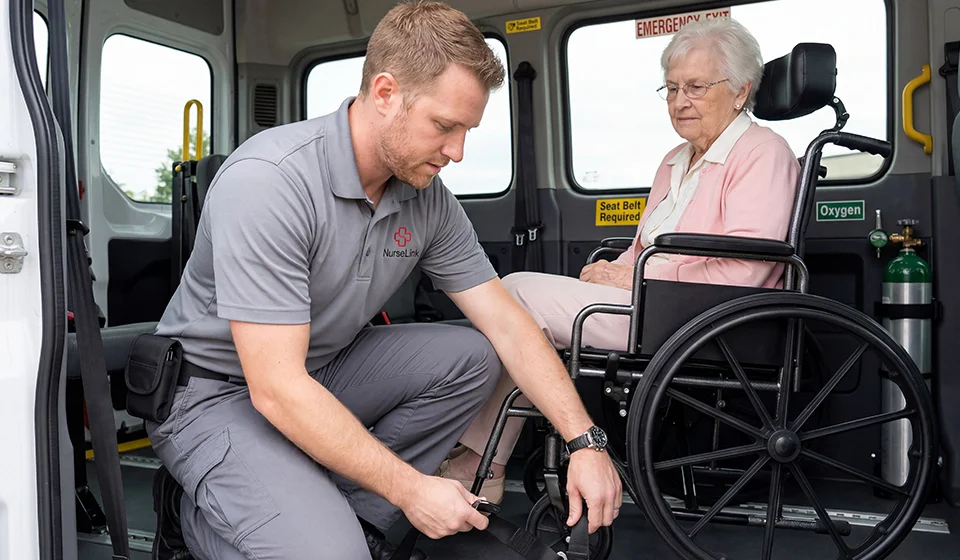
Every time a patient is transported, there’s a real risk of cross-contamination if a vehicle isn’t properly cleaned before the next transfer. Surfaces like seat belts, grab rails, and stretchers can carry bacteria or viruses from one patient to the next if they aren’t disinfected correctly, and for many NEPT patients, this risk is far from theoretical. Many are elderly, recovering from surgery, managing chronic illness, or otherwise more susceptible to infection, which means a clean and sanitised environment isn’t just a nice touch, it’s essential to their safety.
Beyond the direct health implications, thorough vehicle cleaning plays a broader role in the overall quality of care being delivered. It supports infection prevention, protects patient safety, and reflects the standard that a genuinely professional transport service should be held to. It also matters for trust. When patients and families can see that a vehicle is spotless and well cared for, it builds confidence that the same level of care and attention is being applied across every part of the service.
The Step-By-Step Cleaning Process Between Transfers
Cleaning a patient transport vehicle isn’t a quick wipe-down, it follows a structured process designed to leave the vehicle genuinely ready for the next patient.
Cleaning & Disinfecting the Vehicle
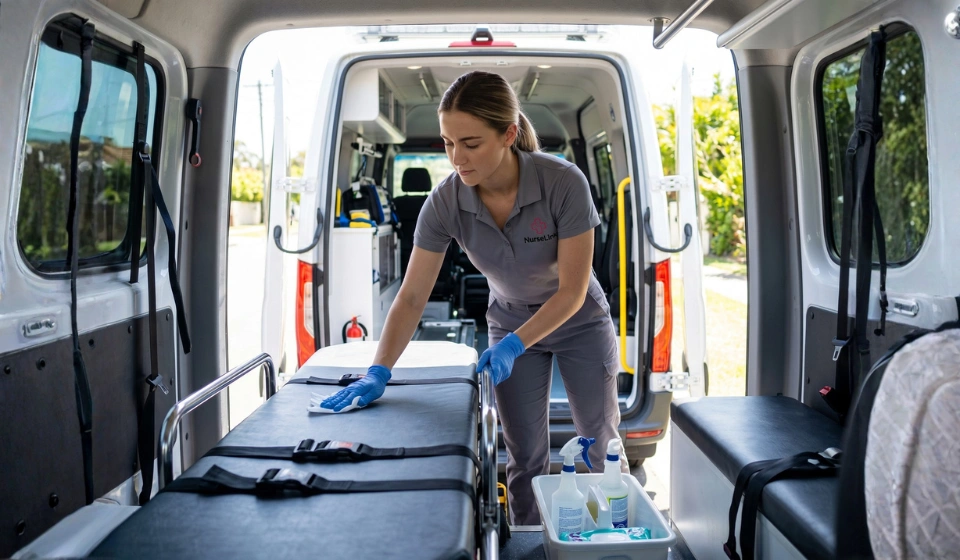
The process starts with safely disposing of any clinical waste and single-use items left over from the previous transfer. From there, attention turns to high-touch surfaces such as door handles, seat belts, grab rails, stretchers, and wheelchairs, all of which are cleaned using healthcare-grade disinfectants suited to the surface being treated. This isn’t a random process either; staff follow a specific cleaning sequence and observe recommended disinfectant contact times, since a disinfectant needs to sit on a surface for a set period to actually be effective.
Preparing The Vehicle For The Next Patient
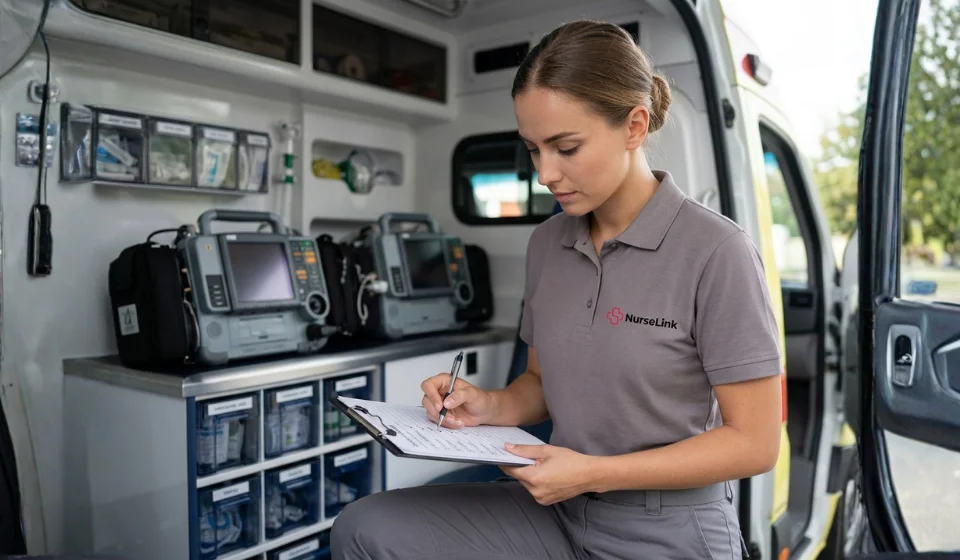
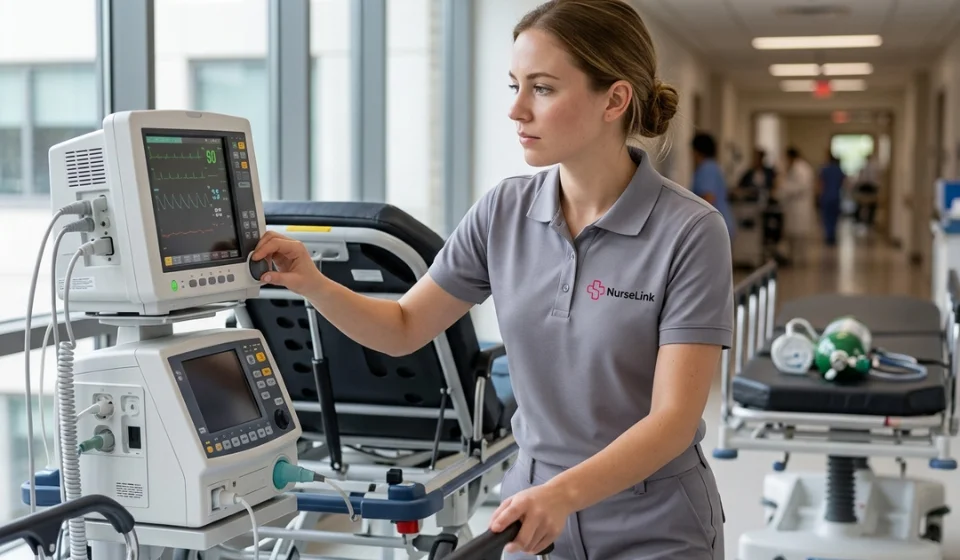
Once cleaning is complete, the vehicle is prepared for its next job. This involves inspecting equipment to confirm it’s both clean and functioning correctly, restocking PPE and essential medical supplies so nothing is missing mid-transfer, and carrying out a final patient transport vehicle check to confirm everything is safe, complete, and ready to go. Only once this check is finished is the vehicle considered ready for the next patient.
Infection Control & Hygiene Standards Followed
Vehicle cleaning doesn’t happen in isolation, it’s backed by broader infection control procedures that guide how staff operate throughout the entire transport process. Hand hygiene before and after patient contact is a fundamental part of this, helping reduce the risk of transferring bacteria or viruses between patients or surfaces. Where required, staff also use appropriate PPE, applied correctly and consistently, to add another layer of protection for both patients and crew.
These standards aren’t left to individual judgement. Staff receive ongoing training in infection control, cleaning protocols, and correct patient transport vehicle cleaning procedures, and this is reinforced through routine quality checks and compliance with recognised healthcare guidelines. The result is a system where hygiene isn’t dependent on any one person remembering to do the right thing, it’s built into how the service operates day to day.
How This Protects Patients, Families & Staff
Consistent vehicle cleaning has a direct impact on patient safety. By reducing the presence of harmful bacteria and viruses inside the vehicle, thorough cleaning lowers the risk of infection for patients who may already be dealing with compromised immune systems or existing health conditions. For families and carers, knowing that this level of care is being taken often brings real peace of mind, particularly when a loved one is being transported during an already stressful or uncertain time.
This protection extends to staff as well. A clean, well-maintained vehicle creates a safer working environment for transport crews, reducing their own exposure to potential contamination while they carry out their role. When hygiene practices are applied consistently across every transfer, it lifts the overall standard of patient care being delivered, not just in terms of infection prevention, but in the broader sense of professionalism, reliability, and respect that patients and families should be able to expect.
Key Takeaways
Cleaning vehicles between patient transfers is a simple concept with a significant impact, helping prevent infection, protect vulnerable patients, and maintain consistently high standards of care. Strict infection control procedures, disciplined cleaning protocols, and regular hygiene checks all work together to keep this process reliable rather than left to chance. Ultimately, a well maintained vehicle means safer, more comfortable, and more dependable patient transport, giving patients, families, and healthcare providers real confidence in the service being provided.