
Red Flags To Watch For When Choosing A Patient Transport Company
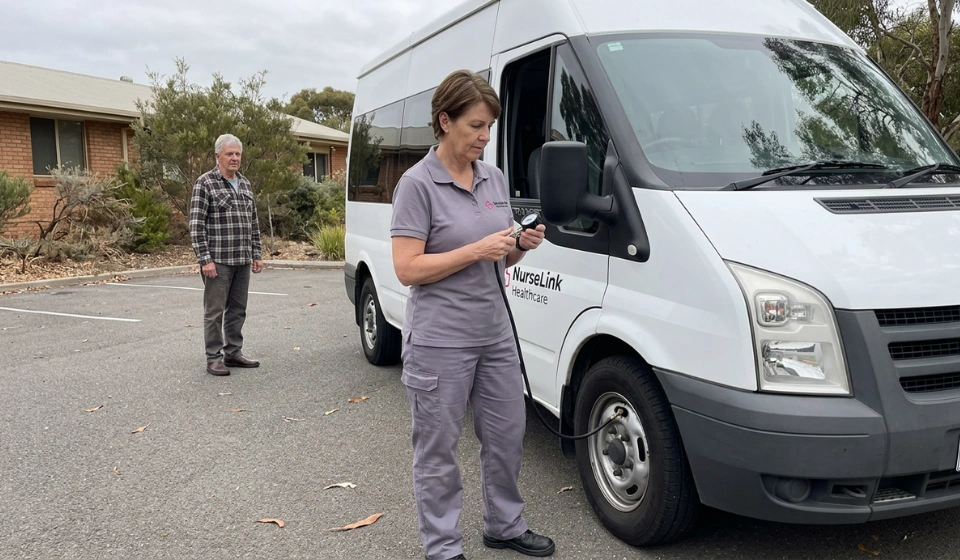
Patient transport services help people travel safely to medical appointments, hospitals, rehabilitation services and other healthcare destinations when ordinary transport is unsuitable. Non-emergency patient transport (NEPT) is designed for patients who require assistance but do not need emergency ambulance care. Knowing how to choose a patient transport provider means considering safety, staff capability, accessibility, vehicle suitability and reliability rather than choosing solely on price or availability. This guide highlights important red flags that patients, families, carers and healthcare organisations should consider before booking. Lack Of Proper Licensing, Accreditation Or Safety Standards A patient transport provider should be able to clearly explain its relevant compliance, safety procedures and operating standards. In Australia, requirements can vary depending on the service, location and type of transport, so providers should be transparent about the standards that apply to their operations. A reputable provider should have documented procedures covering areas such as vehicle safety, infection prevention, patient handling, incident reporting and staff responsibilities. Depending on the service, appropriate worker screening and other compliance checks may also be relevant. Be cautious if a company is unwilling or unable to explain its credentials, safety processes or service limitations. Families and healthcare organisations should verify important claims before booking, particularly when transporting people with complex mobility or support needs. Inadequately Trained Staff & Poor Patient Handling Practices Trained patient transport staff are essential because patients may need assistance with transfers, mobility aids, wheelchairs or other equipment. Staff should understand safe handling techniques and communicate respectfully throughout the journey. Good transport involves more than moving someone from one location to another. Staff need to understand the person’s mobility limitations and follow appropriate procedures when assisting them. Where a person’s needs exceed the scope of non-emergency transport, the provider should communicate this clearly rather than accepting a booking that cannot be safely managed. Important things to check include: Whether staff receive appropriate training for patient handling and transfers. Whether staff understand wheelchair, mobility-aid and accessibility requirements. Whether workers communicate clearly and treat patients respectfully. Whether staff know when additional clinical support may be necessary. Whether the provider conducts appropriate screening and ongoing professional development. Rushed transfers, poor communication, inappropriate handling or staff who appear unfamiliar with accessibility equipment can all be warning signs. When considering what to look for in a patient transport service, staff competence should be a central consideration. Unsafe, Poorly Maintained Or Unsuitable Transport Vehicles A suitable, clean and properly maintained vehicle is essential for safe and comfortable patient transport. Providers should maintain their vehicles appropriately and ensure that equipment is suitable for the people they transport. Before booking, consider whether the vehicle can safely accommodate the patient’s mobility requirements, including wheelchairs or other mobility aids. Securement systems and other relevant safety equipment should be appropriate and maintained. Look for: Evidence of regular vehicle servicing and maintenance. Appropriate accessibility features for wheelchair and mobility-aid users. Suitable restraints and secure equipment. Adequate space for the patient and required mobility equipment. Clean interiors and appropriate infection prevention practices. Vehicles suitable for the expected journey and patient’s needs. Damaged equipment, poor cleanliness, inadequate space or a lack of accessibility features should prompt further questions before booking. Poor Communication, Reliability & Lack Of Transparency Clear communication and dependable scheduling are essential because patient transport is often connected to medical appointments with specific arrival times. A provider should confirm important details and communicate promptly if circumstances change. Patients and carers should receive clear information about pickup arrangements, destinations, expected timings, service limitations and pricing. Transparent communication can also help healthcare facilities coordinate patient arrivals and departures effectively. Warning signs include: Unclear pickup or destination arrangements. Repeated delays or missed bookings. Difficulty contacting the provider. Unclear pricing or unexpected charges. Failure to explain service limitations. Poor communication about delays or schedule changes. Limited communication with families, carers or healthcare facilities. Reliable providers should make it reasonably clear who to contact when questions or changes arise. Clear communication before, during and after transport can reduce avoidable stress for patients and their support networks. Limited Accessibility, Personalised Support & Emergency Planning A quality patient transport service should assess individual requirements before travel rather than assuming every patient has the same needs. Accessibility planning is particularly important for older adults, people with disability and individuals with limited mobility. Before booking, discuss the person’s mobility, equipment, level of assistance and destination requirements. It is also important to understand the difference between NEPT and emergency ambulance services. Non-emergency transport is not intended to replace emergency medical care when a person’s condition requires urgent clinical intervention. Useful questions to ask a patient transport provider include: Can the vehicle accommodate the patient’s wheelchair or mobility aid? What assistance can staff provide with boarding and transfers? How are mobility equipment and other items secured during travel? What happens if the scheduled vehicle is delayed? What procedures apply if the patient’s condition changes during transport? How does the provider communicate with carers, families or healthcare facilities? What situations are outside the scope of the transport service? A provider should have appropriate escalation procedures for unexpected situations and clearly explain when emergency services should be contacted. Good planning can help prevent avoidable difficulties and ensure the transport arrangement matches the patient’s actual needs. Key Takeaway Choosing a patient transport company should involve more than comparing costs or availability. Check the provider’s relevant compliance and safety practices, staff training, patient handling procedures, vehicle condition, accessibility features, communication standards and scheduling reliability. Ask questions about pricing, service limitations and unexpected situations before making a booking. For patients, families, carers and healthcare organisations, safety, dignity, comfort and dependable support should remain central when selecting a transport provider. Frequently Asked Questions How to Choose a Patient Transport Provider? To choose a patient transport provider, check its relevant compliance, staff training, vehicle suitability, accessibility options, communication processes and pricing. Ask whether the service can meet the patient’s specific mobility and support requirements. It is also useful to understand how the provider manages delays or unexpected changes and
What To Expect On The Day Of Your Patient Transfer

A patient transfer involves safely moving a person between locations such as a hospital, healthcare facility, residential care setting or home. Knowing the patient transfer day process can reduce uncertainty and help patients and carers prepare for pickup, travel and arrival. Professional patient transport services support safe, comfortable and appropriate transfers. A patient transfer may be arranged for a medical appointment, hospital admission, discharge, rehabilitation, specialist consultation or movement between care facilities. Unlike emergency ambulance services, non-emergency patient transport is designed for people who require assistance travelling but do not need emergency medical treatment during the journey. Understanding the non-emergency patient transport process can make the day more predictable. From preparing personal and medical items to meeting the transport team and completing the handover, each stage contributes to a safe and organised experience. Preparing For Your Patient Transfer Preparing in advance helps make a patient transfer smoother, safer and less stressful. Before the scheduled journey, patients and carers should confirm the pickup time, collection address and destination. It is also useful to check whether the transport provider needs specific information about mobility, accessibility or assistance requirements. Patients should have essential medical information, medications and relevant personal belongings ready. Depending on the reason for travel, this may include appointment documentation, referral information, identification, mobility aids and any equipment required during the journey. Knowing what to bring for a patient transfer can prevent unnecessary delays and ensure important items are not left behind. Comfortable clothing and suitable footwear can make movement easier, particularly when a patient needs assistance getting into or out of a vehicle. Patients who use wheelchairs, walking frames or other mobility equipment should communicate these requirements when booking transport rather than waiting until pickup. Do I need to prepare anything before patient transport arrives? Yes. Confirm the journey details, have essential items ready and communicate any mobility or accessibility needs in advance. Following instructions provided by the healthcare provider or transport service can also help the transfer proceed efficiently. What Happens When The Patient Transport Team Arrives? When the patient transport team arrives, staff will generally confirm the patient’s identity, destination and transport requirements before beginning the transfer. This initial check helps ensure that the right person is transported to the correct location and that staff understand any relevant support needs. Transport staff may assess how the patient moves and determine what assistance is required to reach the vehicle safely. Depending on the patient’s circumstances, this may involve support from a bed, chair, wheelchair or other suitable position. Appropriate equipment and procedures can be used where required. A wheelchair user, for example, may need assistance entering the vehicle and securing the wheelchair correctly. Patients who require stretcher transport may have different transfer arrangements. Family members and carers can provide relevant information during the handover, particularly if they are familiar with the patient’s usual mobility or communication needs. Clear communication before departure is important. Patients and carers should feel comfortable explaining concerns, asking questions and informing staff about anything that could affect the journey. What Patients & Carers Can Expect During Patient Transfer Patients can generally expect trained transport staff to provide practical assistance throughout the journey while maintaining safety, dignity and comfort. The exact experience depends on the patient’s needs, the distance travelled and the type of transport arranged. Once safely settled in the vehicle, patients may experience the following: Assistance with entering, exiting and positioning safely within the vehicle. Appropriate support for wheelchair users or people with limited mobility. Help with accessibility requirements where these have been identified in advance. Communication from transport staff throughout the journey when appropriate. Assistance with concerns about comfort, positioning or changing needs. Journey times can vary because of distance, traffic conditions, roadworks, appointment schedules and other factors. Patients and carers should allow enough time around important appointments rather than assuming every journey will take exactly the same amount of time. Carers travelling with a patient may provide reassurance and practical support, depending on the transport arrangements. They can also communicate relevant information to staff if the patient has difficulty explaining their needs. What happens during a non-emergency patient transfer can vary from one person to another. The service is focused on safe and appropriate transportation rather than emergency medical treatment. Patients should tell transport staff promptly if they experience discomfort, become distressed or notice a change in their condition. Safety, Comfort & Communication During The Journey Safety, comfort and clear communication are central to professional patient transport. Patients should be positioned appropriately for their mobility needs, while wheelchairs and other equipment should be secured according to the vehicle and transport requirements. Trained transport staff and properly maintained vehicles are important because they help reduce avoidable risks during boarding, travel and unloading. Professional services should also follow appropriate hygiene and infection control practices to help maintain a clean transport environment. Patients can support a safe journey by communicating their needs clearly. They should tell transport staff if their position becomes uncomfortable or if they need assistance. Important considerations include: Safe seating, positioning and securement throughout the journey. Appropriate handling and securement of wheelchairs or mobility equipment. Clear communication about discomfort, accessibility needs or changes in condition. What happens if my condition changes during transport? Patients should tell the transport staff immediately if they feel unwell or their condition changes. Non-emergency transport is not intended to replace emergency medical care, so a significant or urgent deterioration may require appropriate emergency assistance. What Happens When You Arrive At Your Destination? When the patient arrives at the destination, transport staff generally assist with a safe transition from the vehicle to the appropriate entrance, waiting area or receiving location. The level of assistance depends on the patient’s mobility, the destination and the transport arrangements. For example, a patient attending a hospital appointment may be assisted from the vehicle to an appropriate area of the facility. A wheelchair user may receive help moving safely from the vehicle into the building. Patients with mobility equipment may also need
What Are The New NEPT Regulations 2026 & Why Were They Introduced?

The NEPT regulations 2026 establish updated requirements for licensed non-emergency patient transport providers across Victoria. They are designed to support safe, appropriate and accountable transport while setting clearer expectations around patient care, staff competency and service quality. The updated framework followed a review and consultation process and works alongside the 2026 Clinical Practice Protocols. Together, these requirements aim to strengthen oversight and promote more consistent standards across the NEPT sector. Key objectives include: Strengthening patient safety and quality of care. Clarifying provider responsibilities. Supporting appropriate staff skills and competencies. Improving clinical governance and record keeping. Promoting consistent standards across NEPT services. For patients and families, the regulations are important because NEPT involves people who may have specific clinical, mobility or accessibility requirements. Appropriate assessment and safe transport procedures help ensure that patients receive suitable care throughout their journey. What Has Changed For Non-Emergency Patient Transport in Victoria? The 2026 framework updates requirements covering clinical governance, workforce competency, patient records, infection control, vehicles, equipment, occupational health and safety, and serious adverse patient safety events. The new regulations came into operation on 18 April 2026 and replaced the previous 2016 Regulations. The changes provide clearer regulatory expectations while maintaining continuity in important workforce qualification and competency requirements. Key areas covered by the updated framework include: Staff qualifications, skills and competency. Clinical governance and quality assurance. Patient care records and documentation. Vehicle safety and accessibility. Equipment requirements. Infection prevention and control. Occupational health and safety. Management of serious patient safety events. The 2026 Clinical Practice Protocols were also updated to align with the new regulations. They provide guidance for licensed providers when assessing and caring for patients during transport. Understanding what changed in the NEPT regulations from 2016 to 2026 is useful for patients and providers, but the reforms should not be viewed as a complete redesign of every NEPT service. Instead, they provide an updated framework intended to strengthen safety, quality and accountability. How Will The New NEPT Rules Affect Patients & Families? The new NEPT rules are intended to strengthen patient safety and quality of care for people using non-emergency transport in Victoria. Patients who cannot safely use ordinary transport may require NEPT because they need clinical monitoring, supervision or an appropriate stretcher or vehicle during their journey. For patients and families, the updated framework places importance on suitable assessment, competent staff, appropriate vehicles and equipment, infection control and accurate patient documentation. Respect for patient dignity, privacy, comfort and accessibility is also important. Families should provide accurate information about the patient’s condition and transport requirements. This may include details about mobility limitations, wheelchairs, stretchers, communication needs or other equipment. Patients cannot independently book NEPT themselves. Transport is arranged through a licensed NEPT provider or Ambulance Victoria in consultation with an authorised health practitioner or health facility. Clear communication can help ensure that the transport selected is suitable for the patient’s needs. What Do The New Regulations Mean For NEPT Providers? The new regulations place clear responsibilities on NEPT providers to maintain safe, clinically appropriate and compliant services. Providers must be licensed before transporting patients and must meet applicable requirements covering staff, vehicles, equipment, records and quality systems. Staff competency is particularly important because some patients require clinical care, monitoring or supervision during transport. Providers need systems to ensure staff have appropriate qualifications, skills and competencies for their responsibilities. Providers must also maintain suitable vehicles and equipment, follow infection prevention procedures, maintain patient records and have processes for managing incidents and serious safety events. Compliance is therefore an ongoing responsibility rather than simply a licensing requirement. Providers can prepare by reviewing the 2026 Regulations and Clinical Practice Protocols, updating policies, checking vehicles and equipment, maintaining workforce competency and regularly reviewing their clinical governance and safety procedures. How Can Victorian Patients Prepare For Changes To NEPT Services? Victorian patients and families can prepare by arranging appropriate transport early and clearly communicating their clinical, mobility and accessibility requirements. Good preparation can make the transport process smoother and help providers meet individual needs. Before a scheduled journey, patients and families should: Confirm that NEPT is appropriate for the patient’s needs. Book transport as early as possible. Provide accurate information about mobility and accessibility. Tell the provider about wheelchairs, stretchers or other equipment. Confirm pickup, destination and appointment details. Keep relevant healthcare information available where appropriate. Ask the provider about its booking and service procedures. Communicate any changes in the patient’s condition or requirements. Choosing a licensed provider is also important. Patients and families should consider whether the provider demonstrates strong safety practices, reliable communication, appropriate equipment and patient-centred care. Key Takeaway The NEPT regulations 2026 update Victoria’s framework for non-emergency patient transport, with requirements covering patient safety, clinical governance, workforce competency, vehicles, equipment, documentation, infection control and quality assurance. Understanding the changes can help patients and families plan transport more confidently and communicate their needs clearly. NurseLink Healthcare provides professional NEPT services focused on safe, reliable and compassionate patient transportation in Victoria. Contact NurseLink Healthcare to discuss your NEPT requirements. Frequently Asked Questions What Are the New NEPT Regulations 2026? The Non-Emergency Patient Transport Regulations 2026 are Victorian requirements governing licensed NEPT providers. They came into operation on 18 April 2026 and replaced the 2016 Regulations. The framework covers areas such as patient safety, workforce competency, clinical governance, vehicles, equipment, records, infection control and quality assurance. What Changed in the NEPT Regulations From 2016 to 2026? The 2026 Regulations replaced the previous framework and introduced updated requirements following a review and consultation process. Changes cover areas including clinical governance, staff competency, patient records, infection control, vehicles, equipment and quality assurance. The updated framework also works with the 2026 Clinical Practice Protocols for patient triage and care. What Is the Difference Between NEPT 2016 and 2026 Regulations? The main difference is that the 2026 Regulations provide an updated regulatory framework reflecting current NEPT practice and Victorian reform objectives. They replace the 2016 Regulations and provide clearer expectations around safety, quality, workforce competency, clinical governance and
Safety Considerations For Transporting Wheelchair Users
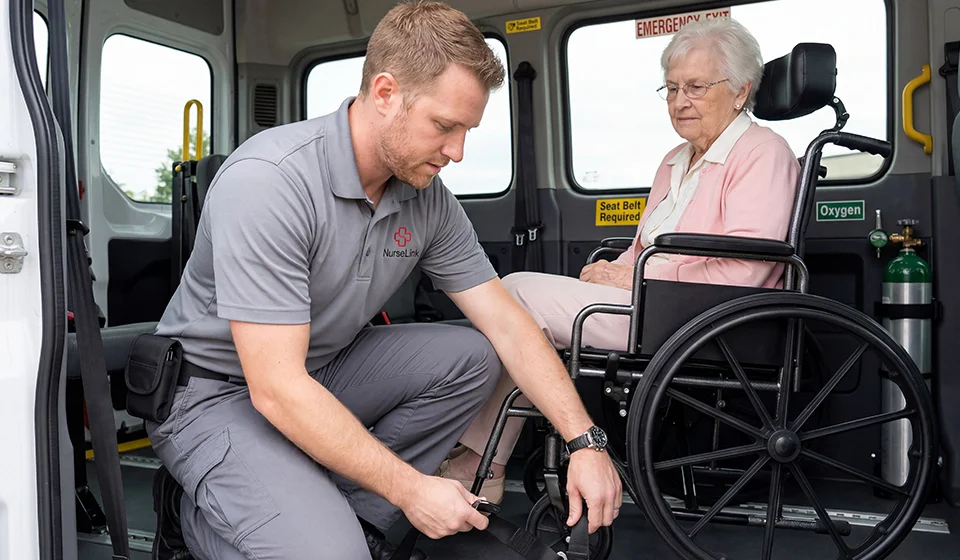
Transporting individuals who use wheelchairs involves unique safety responsibilities that go well beyond simply loading a mobility device into a vehicle. Whether the journey is to a medical appointment, rehabilitation facility, community program or hospital transfer, careful planning and correct procedures are essential to ensure the passenger’s safety and comfort. In Australia, wheelchair transport takes place in many settings including healthcare transport services, disability support programs, aged care services and family caregiving situations. Safe transport requires more than just a wheelchair accessible vehicle. It involves trained staff, correct equipment, securement systems and a clear understanding of the passenger’s health and mobility needs. This guide is written for family carers, support workers, NDIS providers and professional transport staff who want to understand the key safety considerations involved in transporting wheelchair users. Understanding The Risks Involved In Wheelchair User Transport Wheelchair transport carries specific risks that must be carefully managed to protect passengers from injury or discomfort during travel. Many incidents occur when transport procedures are rushed or when equipment is used incorrectly. Wheelchairs that are not properly secured can move unexpectedly during sudden braking, cornering or uneven road conditions. Even small movements inside a vehicle can cause significant instability for a wheelchair user. Passengers who rely on wheelchairs often have complex health needs or limited mobility. This makes them more vulnerable to injury if transport procedures are not followed carefully. Poor positioning, incorrect securement or rushed boarding procedures can increase the likelihood of falls, discomfort or postural strain during the journey. Some of the most common risks associated with wheelchair transport include: Injuries that occur when wheelchairs are not properly secured inside the vehicle. Instability caused by sudden vehicle movement when securement systems are not used correctly. Incorrect passenger positioning leading to discomfort or pressure related injuries. Increased vulnerability for individuals with complex medical or postural support needs. Falls or tipping incidents during rushed boarding or unloading procedures. Understanding these risks is an essential part of safe wheelchair transport planning. A thorough risk assessment for wheelchair users on transport helps identify potential hazards before the journey begins. When carers and transport staff are aware of these risks, they are better equipped to implement effective safety practices that protect both the passenger and the person providing assistance. Vehicle Requirements For Safe Wheelchair Transportation Vehicles used for wheelchair transport must meet specific safety standards to ensure they can safely accommodate passengers with mobility needs. In Australia, many professional transport providers use purpose built wheelchair accessible vehicles that include specialised equipment designed to support safe boarding, positioning and travel. One of the most important vehicle features is the ramp or lift used to load the wheelchair. These systems must meet safety requirements relating to gradient, weight capacity and slip resistance. A ramp that is too steep or unstable can increase the risk of tipping while boarding the vehicle. Properly designed lifts provide additional stability for heavier wheelchairs or powered mobility devices. Interior vehicle design is equally important. Wheelchair transport vehicles must include sufficient space to safely position the wheelchair and allow securement systems to be attached correctly. Floor anchoring systems are installed to hold securement straps and prevent the wheelchair from moving during travel. Comfort considerations are also essential when transporting passengers who may be medically vulnerable. Vehicles should provide adequate ventilation and temperature control to ensure a stable environment during the journey. For individuals who may be sensitive to heat or cold due to medical conditions, maintaining appropriate temperature levels is an important part of patient care. Regular inspection and maintenance are necessary to keep all equipment functioning safely. Ramps, lifts, securement systems and vehicle restraint points must be checked frequently to ensure they remain reliable. This is one of the key wheelchair transport safety measures that helps prevent equipment failure during transport. It is also important to recognise the difference between purpose built wheelchair transport vehicles and basic vehicle modifications. Professional transport vehicles are designed with accessibility and safety in mind, while basic modifications may not provide the same level of stability or compliance with safety standards. How To Correctly Secure A Wheelchair During Transport? Proper wheelchair securement is the single most important step in ensuring passenger safety during transport. When a wheelchair is correctly secured, it becomes stable within the vehicle and significantly reduces the risk of movement during the journey. Securement systems are specifically designed to restrain the wheelchair while allowing the passenger to travel comfortably. The most widely used system for wheelchair securement is the four-point tie-down system. This system uses four straps that attach to strong structural points on the wheelchair frame and anchor to the vehicle floor. Two straps are attached to the front of the wheelchair and two to the rear, creating a stable and balanced restraint system. Several key steps are involved in safe wheelchair securement: Position the wheelchair facing forward in the designated wheelchair space within the vehicle. Attach front tie-down straps to the appropriate structural points on the wheelchair frame. Secure the rear straps and tighten them to eliminate slack or movement. Apply a separate lap and shoulder seatbelt to the passenger in addition to wheelchair restraints. Double-check all straps and restraints before the vehicle begins moving. It is important to understand that wheelchair restraints secure the wheelchair itself rather than the passenger. For this reason, the passenger must always wear a seatbelt during transport. This additional restraint provides protection during sudden braking or unexpected vehicle movements. Powered wheelchairs and tilt-in-space chairs may require additional attention when applying restraints. Their weight and structure may require stronger anchor points or additional positioning supports to maintain stability during travel. Following established wheelchair transport procedures ensures that each passenger is transported according to recognised safety standards. If securement equipment is damaged or not functioning correctly, the transport journey should not proceed until the issue is resolved. Attempting to transport a wheelchair without reliable securement equipment places the passenger at significant risk. Managing Medical & Mobility Needs During The Journey Transporting a wheelchair user safely involves
How ISO Certification Impacts Quality In Patient Transport Services

ISO certification has become a recognised benchmark for maintaining high standards of quality, safety, and consistency across industries, including healthcare. In the context of patient transport, it plays a crucial role in ensuring that services are delivered in a structured, reliable, and patient-focused manner. As demand for safe and efficient transport grows, iso certification healthcare frameworks provide a foundation for improving operational processes and maintaining accountability. By aligning with internationally recognised standards, patient transport providers can enhance patient safety, improve efficiency, and build trust with healthcare partners and families. This blog explores how ISO certification directly contributes to improving quality in healthcare services, particularly within patient transport. Understanding ISO Certification In Healthcare Services ISO certification refers to a set of internationally recognised standards designed to ensure organisations operate efficiently, safely, and consistently. In healthcare, these standards focus on improving processes, reducing risks, and maintaining high levels of patient care. By following iso standards healthcare, organisations can implement structured systems that support both operational performance and clinical outcomes. Certification is not a one-time achievement but an ongoing commitment to continuous improvement. Regular audits, reviews, and updates ensure that organisations remain compliant with evolving healthcare compliance standards. For patient transport services, this means consistently delivering safe, reliable, and high-quality care. Establishes clear processes and standard operating procedures. Promotes accountability and consistent service delivery. Supports continuous improvement through regular audits. Enhances risk management and safety practices. Demonstrates commitment to quality and patient care. Why Quality Standards Matter In Patient Transport Quality standards are essential in patient transport because they directly influence patient safety and overall experience. Transporting patients involves more than logistics. It requires careful coordination, proper handling, and an understanding of individual care needs. Strong healthcare quality standards ensure that these elements are consistently managed. Without structured standards, there is a greater risk of errors, delays, or inconsistent service delivery. ISO frameworks help reduce these risks by establishing clear protocols and training requirements. This improves not only safety but also reliability and patient confidence. Improves patient safety during transport. Ensures consistency in procedures and care delivery. Reduces risk through structured protocols and training. Enhances patient comfort and overall experience. Builds trust with healthcare providers and families. Key ISO Standards Relevant To Patient Transport Services Several ISO standards are particularly relevant to patient transport services, each addressing different aspects of quality, safety, and operational performance. Together, they create a comprehensive framework that supports effective and efficient service delivery. These standards work together to ensure that all aspects of transport operations, from staff training to environmental impact, are managed responsibly. Integrating these systems helps organisations maintain high levels of quality management in healthcare while meeting regulatory requirements. Provide structured frameworks for quality and safety. Support integration across operations and staff practices. Improve consistency in service delivery. Enhance accountability and documentation. Promote continuous improvement across all areas. ISO 9001: Quality Management Systems ISO 9001 focuses on establishing and maintaining a robust quality management system. It ensures that processes are standardised, monitored, and continuously improved. For patient transport services, this means delivering consistent and reliable care every time. This standard emphasises documentation, performance tracking, and customer satisfaction. By following ISO 9001, organisations can identify areas for improvement and ensure that patient needs remain at the centre of service delivery. ISO 45001: Occupational Health & Safety ISO 45001 is centred on maintaining a safe working environment for both staff and patients. In patient transport, this includes safe handling practices, risk assessments, and incident prevention strategies. Ensuring staff wellbeing is critical, as it directly impacts the quality of care provided. A safe and supported workforce is better equipped to deliver high-quality patient transport services. ISO 14001: Environmental Management (Where Applicable) ISO 14001 focuses on reducing environmental impact and promoting sustainable practices. While not always directly associated with patient care, it plays an important role in responsible service delivery. For transport providers, this includes efficient vehicle use, resource management, and compliance with environmental regulations. These practices contribute to a more sustainable and ethical healthcare system. What ISO Certification Means For Patients & Healthcare Partners For patients and healthcare partners, ISO certification provides reassurance that a transport provider operates to a high standard. It demonstrates a commitment to safety, consistency, and professionalism, which are essential for delivering reliable patient care. Patients benefit from improved safety protocols, better communication, and a more consistent experience. Healthcare providers can trust that certified organisations will meet expectations and support continuity of care. This level of confidence is especially important in environments where precision and reliability are critical. ISO certification also enhances transparency and accountability. Patients and partners can feel confident that services are regularly evaluated and improved, ensuring that standards are maintained over time. Conclusion ISO certification plays a vital role in enhancing quality, safety, and reliability in patient transport services. By adhering to recognised standards, providers can deliver consistent and high-quality care while reducing risks and improving operational efficiency. For patients, carers, and healthcare partners, this translates into greater confidence and peace of mind. Choosing an ISO-certified provider, such as NurseLink Healthcare, ensures that patient transport is managed with professionalism, care, and a strong commitment to excellence. Latest Post
How Non-Emergency Patient Transport Timeliness Drives Hospital Patient Flow

In Victoria alone, more than 407,000 non-emergency patient transport (NEPT) trips are completed each year, supported by around $173 million in annual funding. Despite that scale, patient transport usually sits quietly in the background of hospital operations. It tends to get noticed only when something goes wrong. That is a costly blind spot. Timeliness gets filed under logistics, when it is really a clinical and capacity issue. A late trip does not stay contained to one patient. It moves through the system and affects beds, emergency departments and the availability of emergency ambulances. This article looks at five things: the link between transport timeliness and hospital flow, the chain reaction that delays set off, the structural reason planned transfers keep slipping, the metrics worth tracking, and the practical steps hospitals can take. To download the official resource, visit this link The Hidden Link Between Patient Transport Timeliness & Hospital Flow NEPT exists for stable patients who need clinical monitoring or stretcher transport during a journey, but not a time critical ambulance response. Here is the part that often gets missed: every NEPT trip is really a bed event. A discharge transport frees a bed. A transfer or admission needs one. Transport timing and bed availability are two sides of the same equation. When you move the patient, you move the bed. Three transport types matter most for flow: Discharges home or to a lower acuity facility Interhospital transfers Trips to appointments or the emergency department When these run late, the cost is not only operational. Patients can deteriorate or decondition while they wait, miss narrow specialist windows, and have a poorer experience overall. Meanwhile a bed that should have turned over stays occupied. The Domino Effect Of Transport Delays A single delayed transfer rarely stops at the patient it affects. It cascades: A planned transfer slips. The discharge cannot happen on time. The bed stays occupied, creating bed block. Admitted patients cannot move out of the emergency department. Arriving ambulances cannot offload and begin to ramp outside. Fewer crews are available for genuine emergencies in the community. The effect compounds. A delay at 9am does not simply resolve by lunch. It stacks through the day as each tied up vehicle misses its next booking. Demand is only part of the story. A lot of lost capacity comes down to design. Without a whole of system view, routes are scheduled inefficiently and vehicles run empty on return legs. Crew turnaround, waiting at handover and one late return trip can ripple across an entire shift. Planned vs Unplanned Scheduled Transfers To understand why planned trips slip, you need two definitions: Planned NEPT: transfers booked in advance, such as discharges, interhospital moves and appointments. Unplanned NEPT: involves unscheduled patient transfers, such as lower-acuity Triple Zero (000) responses, urgent interhospital transfers and unexpected healthcare transport needs. NEPT services perform a vital role in protecting emergency capacity, delivering more than 50,000 triple zero (000) responses a year. These responses are for patients who need clinical monitoring during their transfer to an emergency department but whose conditions are stable The conflict is straightforward. When the same pool of vehicles and crews serves both streams, the unplanned work tends to win. A Triple Zero response is hard to push down the queue, so the planned discharge waits. That is a direct cause of the delays hospitals feel. This is structural, not a failing of the crews. Responsibility for commissioning has long been split between Ambulance Victoria and health services, with no central coordination of requests or vehicles. Reform is moving in a clear direction. Victoria’s review of the sector recommended structurally separating planned from unplanned work and introducing centralised booking and dispatch. For hospitals, that signals how to think about contracting now. Two questions worth asking any provider: How is our planned capacity protected from unplanned spillover? What happens to our booking when a vehicle is pulled to an urgent job? The Patient-Flow Metrics That Actually Matter Reliable is a feeling. Flow is a number. You cannot manage what you do not measure. The metrics worth tracking include: On time pickup and arrival against an agreed window Turnaround time, both booking to collection and collection to handover Cancellation and failed booking rates Acuity matching accuracy, meaning the right crew and vehicle first time Return trip readiness lag Spill rate, or jobs bouncing to emergency crews, which matters most in rural areas Tie these back to discharge timing. Early discharges unlock beds when pressure is highest, so transport performance is best measured against morning discharge targets rather than averaged flatly across the day. Capturing the data takes the right tools: vehicle tracking, live arrival estimates, and booking systems that connect with patient information systems. These are the same centralised dispatch capabilities the review pointed to. From there, write the numbers into service agreements and pair them with patient experience monitoring, so measurement turns into accountability. What Hospitals Can Do To Protect Patient Flow Many delays are lead time and confirmation problems rather than vehicle problems. A handful of habits and decisions make a measurable difference. Book earlier and confirm return readiness promptly. A vehicle cannot collect a patient nobody has confirmed is ready. Screen eligibility up front. Trips should be clinically necessary, require monitoring, and be authorised by an appropriate health professional, so NEPT capacity is not consumed by journeys that belong elsewhere. Build escalation pathways for after hours and urgent planned transfers, so they do not default to the bottom of the queue. Contract for transparency. Require the metrics above, write them into agreements, and use social procurement clauses that reward providers with stable, well supported workforces. Choose a partner with genuine depth: round the clock coverage, metro and regional reach, the full acuity range from low and medium stretcher through to high acuity transport, and crew capacity that is not undermined by insecure rostering. Around 60 per cent of the private NEPT workforce is casual, which is part of why reliability varies so much between
When To Use NEPT vs. High Acuity Transport: A Clinical Decision Guide

Choosing the correct transport option for a patient is a critical clinical decision that directly impacts safety, outcomes, and the efficient use of healthcare resources. Understanding the differences in NEPT vs high acuity transport helps ensure that patients receive the appropriate level of care during transit. Selecting the wrong option can lead to unnecessary risks or strain on emergency services. This guide is designed to support healthcare professionals, coordinators, and carers in making informed decisions based on patient acuity, clinical needs, and risk assessment. Understanding Patient Acuity & Transport Categories Patient acuity refers to the severity of a patient’s condition and the level of care they require. In the context of transport, acuity helps determine whether a patient can safely travel with minimal support or requires advanced clinical intervention during transit. Low-acuity patients are generally stable, while high-acuity patients may have complex or unstable conditions that demand closer monitoring. Transport categories are directly influenced by these acuity levels. Non-emergency patient transport (NEPT) is designed for stable patients, while high acuity or emergency transport is reserved for those at greater risk. Applying patient transport triage guidelines ensures that each patient is matched with the appropriate level of care. Define low, moderate, and high patient acuity levels. Understand how acuity determines transport requirements. Recognise differences between NEPT and emergency transport. Identify appropriate use cases for each transport type. Match patient condition to the correct transport category Defining Non-Emergency Patient Transport (NEPT) vs. High Acuity Transport Non-emergency patient transport is suitable for individuals who are medically stable and have a low risk of deterioration. These patients may still require assistance with mobility, supervision, or basic monitoring, but they do not need advanced clinical intervention. Understanding when to use non emergency patient transport is essential for ensuring patient safety without over-utilising emergency services. High acuity transport, on the other hand, is intended for patients who are unstable or at risk of rapid deterioration. These cases require trained clinical staff, specialised equipment, and continuous monitoring. Comparing high acuity vs low acuity patient transport highlights the importance of selecting the correct level of care. NEPT for stable patients requiring minimal intervention. High acuity transport for patients needing advanced clinical support. Differences in staffing levels and qualifications. Variation in equipment and monitoring capabilities. Clinical appropriateness as the key decision factor. Key Clinical Factors That Influence Transport Decisions Making the right transport decision requires a structured clinical assessment. This involves evaluating the patient’s condition, identifying potential risks, and determining the level of support needed during transit. Following non emergency vs emergency transport guidelines ensures that decisions are both safe and consistent. Healthcare professionals play a key role in this process, using their expertise to assess patient needs and recommend the most appropriate transport option. Incorrect decisions can compromise patient safety or lead to inefficient use of resources, making careful evaluation essential. Conduct a thorough clinical assessment before booking transport. Consider patient’s condition, risks, and support requirements. Involve healthcare professionals in decision-making. Evaluate potential for deterioration during transit. Ensure alignment with clinical guidelines and protocols. Patient Stability & Risk Of Deterioration Assessing patient stability is one of the most important steps in determining the appropriate transport method. Stable patients with consistent vital signs are generally suitable for NEPT, while those with fluctuating or unstable conditions may require high acuity transport. Understanding the risk of deterioration during transit helps guide decision-making. Patients who have recently experienced acute events or show signs of instability should be carefully evaluated to ensure they can safely tolerate the journey. Required Level Of Clinical Monitoring & Intervention The level of monitoring required during transport is another key factor. Some patients may only need occasional observation, while others require continuous monitoring of vital signs or oxygen levels. This determines whether NEPT or a higher level of care is necessary. Matching staffing and equipment to the patient’s needs ensures that any changes in condition can be managed effectively. This is particularly important for patients with respiratory or cardiac concerns. Mobility, Cognitive Status, & Support Needs Mobility and cognitive status also play a significant role in transport decisions. Patients who are unable to move independently or who experience confusion or anxiety may require additional support during transit. Ensuring safe handling, proper positioning, and appropriate supervision helps maintain patient comfort and reduces the risk of complications. These considerations are essential for delivering patient-centred care. Risks Of Choosing The Wrong Transport Type Selecting the wrong transport option can have serious consequences for both patients and the healthcare system. Under-triage, where a patient receives insufficient care, can lead to deterioration during transit. This increases the risk of complications and may require emergency intervention. Over-triage, on the other hand, involves using high-acuity resources for patients who do not need them. This can strain emergency services and delay care for those in critical need. Understanding the balance between these risks is essential for effective decision-making. Incorrect transport choices can also lead to delays in treatment, disruptions in continuity of care, and increased stress for patients and carers. Ensuring the right decision is made from the outset helps improve overall outcomes and system efficiency. Key Takeaways Transport decisions should always be based on a thorough clinical assessment and tailored to the individual patient. NEPT is appropriate for stable patients with low risk, while high acuity transport is essential for those requiring advanced care. By understanding NEPT vs high acuity transport, healthcare professionals and carers can make informed decisions that prioritise safety, efficiency, and continuity of care. Choosing the right transport option not only improves patient outcomes but also supports the effective use of healthcare resources. Latest Post
Why Transport Needs Change As We Age

As we age, the way we travel changes naturally. Physical strength, balance, vision, hearing, and even reaction times can gradually decline, making everyday journeys more challenging than they once were. Whether it’s driving to a medical appointment, catching public transport, or simply visiting family, recognising these changing transport needs early can help older adults maintain their independence, stay connected with their community, and continue accessing essential healthcare safely and confidently. Common Transport Challenges Older Adults Face Ageing affects everyone differently, but many older adults experience similar transport-related challenges over time. Understanding these changes can help individuals, families, and carers make informed decisions about safe and appropriate travel solutions. Reduced Mobility & Physical Limitations One of the most noticeable changes associated with ageing is reduced mobility. Conditions such as arthritis, osteoporosis, muscle weakness, or balance issues can make everyday travel more physically demanding. Walking long distances through hospital corridors, shopping centres, or transport stations may become exhausting, while uneven footpaths or steep inclines can increase the risk of falls. Tasks that were once routine, such as climbing stairs or stepping into a vehicle, may require additional time, assistance, or specialised equipment. Many older adults also rely on walking sticks, walkers, wheelchairs, or mobility scooters to remain independent. While these mobility aids provide valuable support, they also influence the type of transport required. Vehicles need to accommodate equipment safely while allowing passengers to board and travel comfortably. These physical changes highlight why transportation for older adults often requires greater planning and accessibility than standard transport services. Changes in Vision, Hearing, and Reaction Time Ageing can also affect the senses, making travel more complex even for people who remain physically active. Reduced vision can make it harder to read road signs, judge distances, identify hazards, or safely navigate unfamiliar environments. Driving at night or during poor weather conditions may become particularly difficult. Similarly, hearing loss may make it challenging to hear transport announcements, approaching vehicles, or conversations with drivers and healthcare staff. Combined with slower reaction times, these sensory changes can increase the risk of accidents while driving, crossing roads, or using busy public transport systems. Older adults may also find crowded stations, noisy environments, and unfamiliar routes more stressful than they once did. Choosing transport services that offer assistance and minimise unnecessary physical or mental demands can significantly improve both safety and confidence. Limited Access To Suitable Transport Having somewhere to go is one thing, but having reliable transport is another challenge altogether. Public transport, while valuable, is not always accessible for older people. Long walks between platforms, limited seating, multiple transfers, or unpredictable schedules can discourage travel, particularly for those managing chronic health conditions. Family members and carers frequently assist with transport, but they cannot always be available for every doctor’s appointment, therapy session, or social outing. Work commitments, personal responsibilities, and distance often limit how much support they can provide. For people living in rural or regional Australia, transport options can be even more restricted. Healthcare services may be located considerable distances away, making reliable travel essential rather than simply convenient. As the mobility needs of seniors continue to change, finding practical and dependable transport becomes increasingly important for maintaining both independence and quality of life. Why Safe & Accessible Transport Matters Reliable transport is about much more than simply travelling from one destination to another. It plays a vital role in supporting health, independence, and overall wellbeing while helping older adults remain active participants in their communities. Supporting Health & Wellbeing Regular access to healthcare is essential at every stage of ageing. Safe transport helps reduce missed appointments, ensuring older adults receive timely medical assessments, ongoing treatments, specialist consultations, rehabilitation services, and preventative healthcare. Attending appointments consistently allows healthcare professionals to monitor existing conditions, detect new concerns early, and adjust treatment plans when necessary. Missing appointments because transport is unavailable or unsuitable can delay diagnosis and treatment, potentially leading to more serious health complications. Reliable transport also reduces the stress associated with travelling, allowing individuals to focus on their health rather than worrying about how they will reach their destination. Preserving Independence & Confidence Maintaining independence is important for emotional wellbeing and self-esteem. The ability to leave home safely allows older adults to continue managing their own routines, whether shopping for groceries, attending appointments, volunteering, or participating in recreational activities. Dependable transport options for seniors also encourage continued involvement within the local community. Staying active outside the home helps maintain physical fitness, cognitive function, and emotional health while reducing feelings of dependence on others. Perhaps most importantly, accessible transport preserves dignity by allowing older adults to make choices about their daily lives without unnecessary limitations. How Reliable Transport Supports Medical Appointments & Social Connection Access to reliable transport extends beyond convenience. It directly supports ongoing healthcare while helping older adults maintain valuable social relationships that contribute to overall wellbeing. Making Healthcare More Accessible Many older Australians attend multiple healthcare appointments each month. These may include visits to their GP, specialists, rehabilitation centres, hospitals, pathology clinics, allied health professionals, or diagnostic imaging facilities. Arriving on time is essential, particularly when appointments involve scheduled procedures or ongoing treatment plans. Comfortable travel is equally important, especially for individuals recovering from surgery, managing chronic pain, or experiencing reduced mobility. In situations where a person cannot safely travel by private vehicle or public transport, professional non-emergency patient transport may be the most appropriate solution. These specialised services provide trained staff, suitable vehicles, and assistance throughout the journey, ensuring passengers travel safely without requiring emergency medical care. Staying Connected With Family & Community Transport also plays a major role in maintaining social wellbeing. Being able to visit family members, attend community programs, participate in social groups, enjoy religious services, or simply meet friends for coffee helps maintain meaningful relationships throughout later life. Regular social interaction has been linked with improved mental health, greater emotional resilience, and a reduced risk of loneliness and social isolation. Reliable transport for older adults allows individuals to remain engaged
Getting To Chemotherapy & Oncology Appointments Without The Stress
When someone is going through cancer treatment, the journey to and from the clinic can become one of the most overlooked challenges of all. Reliable transport is not a minor detail. It is an essential part of cancer care, helping patients arrive calm, rested, and ready, and return home safely afterwards. Stress-free travel can genuinely improve the treatment experience, easing the physical and emotional load at a time when energy is precious. This guide looks at how travel stress affects patients, how to plan transport around treatment, what to look for in a good medical transport service, and practical ways patients and carers can make treatment days smoother. The Hidden Impact Of Travel Stress On Cancer Care The toll of getting to appointments is easy to underestimate. For many patients, the journey itself becomes a source of strain that affects both wellbeing and recovery. Physical Effects Of Difficult Journeys Long or uncomfortable trips can leave patients fatigued, nauseous, or sore before treatment has even begun. For bodies already coping with the effects of cancer and its therapies, a difficult journey can sap strength that is needed for recovery. Arriving worn out makes the whole day harder than it needs to be. Emotional & Mental Strain The worry attached to travel can be just as draining as the physical side. Anxiety about arriving on time, navigating traffic, finding a parking spot, or reaching an unfamiliar location all add stress at an already vulnerable moment. That tension can build well before the patient leaves home. The Importance Of Consistent Attendance Cancer treatment often follows a carefully timed schedule, and missed or delayed appointments can disrupt it. Dependable transport reduces the risk of falling behind and supports the continuity of treatment and follow-up care that good outcomes rely on. Turning up consistently is a quiet but important part of the process. Challenges For Rural & Regional Patients For those living outside major centres, the difficulties multiply. Long-distance travel to specialist clinics, limited transport options, and the added logistics of coordinating lengthy trips place real pressure on patients and families. Reliable transport for cancer patients in these areas can be the difference between attending and missing out. Planning Your Transport Around Chemotherapy & Oncology Schedules A little forward planning takes much of the uncertainty out of treatment days. Thinking ahead about how to get to chemotherapy appointments helps everything run more smoothly. Book Transport In Advance Arrange your rides to line up with your treatment times, and build in extra time for unexpected delays. Knowing transport is locked in removes one major worry and lets you focus on the appointment itself rather than the logistics around it. Account For Post-Treatment Side Effects Chemotherapy can leave patients feeling fatigued, dizzy, or nauseous, so the return journey deserves just as much thought as the trip in. Arrange transport that prioritises comfort and safety for the way home, when you are likely to be at your most tired. Build Flexibility Into Your Schedule Treatments do not always finish on time, so it helps to prepare for sessions that run longer than expected. Understanding your provider’s cancellation and rescheduling options means a delay does not turn into a scramble. Coordinate With Your Healthcare Team Where it helps, share your transport details with your care team and align pickup and drop-off times with clinical requirements. Good coordination between your transport and your treatment keeps the whole day running in step. What To Look For In A Safe And Reliable Medical Transport Service Not all transport is created equal, especially for patients with medical needs. A few key qualities separate a dependable service from an ordinary lift. Trained & Compassionate Staff Look for teams experienced in assisting patients with mobility or medical needs, who provide respectful, patient-centred care from start to finish. A calm, kind presence during the journey can make a real difference to how a patient feels. Comfortable & Accessible Vehicles Vehicles should allow easy entry and exit for those with limited mobility, and be clean, well maintained, and designed with comfort in mind. Small details like smooth access and a comfortable seat matter enormously on a tiring day. Reliability & Punctuality Timely arrivals for scheduled appointments are essential, and so is dependable return transport once treatment is finished. Knowing your ride will be there, both ways, removes a significant source of anxiety. Safety & Patient Support Door-to-door assistance where appropriate, secure transport practices, and genuine attention to patient wellbeing all contribute to a safer journey. The right support means patients are never left to manage difficult moments alone. Clear Communication & Booking Process A transparent booking process, clear confirmations, and responsive support for changes or questions make the service easy to rely on. Good communication builds the trust that patients and carers need. Preparing For Treatment Day: Travel Tips For Patients & Carers A little preparation goes a long way towards a calmer, more comfortable day. These simple steps help patients and carers feel more in control. Pack The Essentials Bring your appointment information, medications, identification, and water, along with comfort items such as a blanket or neck pillow. Having everything in one bag means less to think about on the morning of treatment. Wear Comfortable Clothing Dress for warmth and easy movement, and choose supportive footwear that helps with safe mobility. Comfort clothing can make both the appointment and the journey noticeably easier. Stay Hydrated & Follow Medical Advice Eat and drink in line with your healthcare team’s instructions, and bring approved snacks if they are suitable for you. Following medical guidance around food and fluids helps you feel as steady as possible. Travel With A Support Person When Needed Having a family member or carer along can offer reassurance and practical help, particularly on longer journeys. A familiar face nearby often eases anxiety on treatment day. Allow Plenty Of Time Avoid rushed departures by planning for traffic and hospital check-in procedures. Giving yourself a generous buffer keeps the morning calm rather than frantic. Situations
Common Myths & Misconceptions About Non-Emergency Patient Transport

Non-emergency patient transport (NEPT) is an essential part of modern healthcare, designed to support patients who require safe and assisted travel without the need for urgent medical intervention. Despite its importance, there are many non-emergency patient transport myths that can lead to confusion and poor decision-making. These misunderstandings often result in delays, inappropriate transport choices, or unnecessary reliance on emergency services. Addressing these misconceptions about medical transports is critical for improving patient outcomes, ensuring safety, and helping individuals make informed decisions. This blog aims to break down common myths and replace them with clear, practical insights. What People Often Get Wrong About NEPT Non-emergency transport is frequently misunderstood because it sits between traditional transport services and emergency care. Many people are unsure about when it should be used, who it is for, and what level of care it provides. This confusion contributes to patient transport service misconceptions and can impact both individual patient experiences and the broader healthcare system. A key issue is the overlap in perception between emergency ambulances and non-emergency services. Without clear information, patients and carers may either underestimate the importance of NEPT or overestimate the need for emergency transport. Addressing this misinformation in healthcare helps ensure that patients receive the right level of care at the right time. Confusion between emergency and non-emergency transport services. Lack of awareness about NEPT capabilities and scope. Assumptions based on limited or outdated information. Influence of broader common healthcare myths. Impact of misunderstanding on patient safety and system efficiency. Myth 1: Non-Emergency Transport Is Only For Low-Risk Or “Optional” Cases One of the most common myths about patient transport services is that NEPT is only used for minor or optional situations. In reality, NEPT is designed for clinically appropriate, non-urgent transfers that are still essential for patient care. These journeys often involve individuals who are stable but require assistance, supervision, or specialised equipment. Patients discharged from hospital, attending dialysis or chemotherapy, or transferring between facilities all rely on NEPT to maintain continuity of care. These are not optional scenarios, but necessary components of treatment and recovery. Understanding non emergency transport facts vs myths helps clarify that “non-emergency” does not mean unimportant. Myth 2: NEPT Services Lack Clinical Oversight Or Trained Staff Another widespread belief is that NEPT services are purely logistical and do not involve trained personnel. This is one of the more serious common myths about NEPT, as it undermines the professionalism and capability of transport teams. In reality, staff are trained in patient handling, basic clinical care, and monitoring. They follow established protocols and safety standards to ensure that patients are supported throughout the journey. Choosing a qualified provider ensures that appropriate care is delivered, reinforcing that NEPT is a structured and clinically informed service. Myth 3: It’s Faster & Better To Always Call An Emergency Ambulance Many people assume that calling an emergency ambulance is always the safest and fastest option. While emergency services are critical for life-threatening situations, they are not always appropriate for non-urgent transfers. Misusing these services can lead to delays for patients who genuinely require urgent care. NEPT is often a more suitable and efficient option for planned transfers. It is specifically designed to handle non-urgent cases while still providing necessary support. Addressing this type of healthcare misinformation helps ensure that emergency resources are used effectively and that patients receive care that matches their needs. Myth 4: All Patient Transport Services Offer The Same Level Of Care Not all transport providers operate at the same standard, and assuming they do can lead to poor outcomes. Differences in staff training, equipment, and service quality can significantly impact patient safety and comfort. Understanding this aspect of patient transport service misconceptions encourages patients and carers to ask the right questions before booking. Choosing a provider that meets clinical and safety standards is essential for ensuring a positive and secure transport experience. Myth 5: NEPT Is Only For Elderly Or Disabled Patients While NEPT is commonly used by elderly or disabled individuals, it is not limited to these groups. This is one of the more limiting common medical misconceptions that can prevent others from accessing appropriate transport services. NEPT supports a wide range of patients, including those recovering from surgery, managing chronic conditions, or requiring regular treatments. Eligibility is based on clinical need rather than age or disability, making NEPT a flexible and inclusive option. Myth 6: Booking NEPT Is Complicated & Time-Consuming Some people avoid using NEPT because they believe the booking process is difficult. In reality, arranging transport is usually straightforward when the right information is available. Providers are equipped to guide patients and carers through the process, ensuring that all requirements are met. Preparation is key to simplifying the experience. By providing accurate details about the patient’s condition, schedule, and needs, bookings can be completed efficiently. This helps reduce delays and ensures a smoother overall experience. Conclusion Misconceptions about non-emergency patient transport can have a real impact on patient care, leading to unnecessary stress, delays, and inappropriate use of resources. By addressing these non-emergency patient transport myths, patients and carers can make more informed decisions that prioritise safety, comfort, and efficiency. Understanding the true role of NEPT helps dispel common healthcare myths and highlights its value in supporting a wide range of patient needs. Ultimately, choosing a reliable and qualified transport provider ensures a better experience and contributes to a more effective healthcare system overall. Latest Post