
Questions Every Patient Should Ask Before Getting Into A Transport Vehicle

Making the right decisions before stepping into a medical transport vehicle is essential for ensuring safety, comfort, and peace of mind. Whether it is for a routine appointment, hospital discharge, or ongoing treatment, asking the right questions to ask before patient transport can make a significant difference in the overall experience. Patients, families, and carers should not assume that all transport services offer the same level of care. Instead, taking a proactive approach helps reduce risks, avoid delays, and ensure that the chosen service meets specific needs. This guide acts as a practical patient transport preparation guide, helping you feel informed, confident, and well-prepared before your journey. Is This The Right Level Of Transport For My Condition? One of the most important considerations is whether the type of transport being arranged is appropriate for your medical condition. Non-emergency patient transport (NEPT) is designed for individuals who are stable but still require assistance, while high-acuity or emergency transport is intended for urgent or critical situations. Understanding this distinction is a key part of any patient transport safety checklist. Assessing your condition involves considering factors such as mobility, need for monitoring, and overall health stability. If your needs are underestimated, it can lead to discomfort or potential complications during transit. On the other hand, using a higher level of transport than necessary can place unnecessary strain on emergency services. If you are unsure, it is always best to consult a healthcare professional to determine the most appropriate option. Are The Staff Qualified & Equipped To Meet My Care Needs? The qualifications and experience of transport staff play a crucial role in ensuring a safe and comfortable journey. Not all transport services provide the same level of training, so it is important to understand who will be responsible for your care during transit. Knowing what to ask before medical transport includes asking about staff expertise and their ability to handle different patient needs. Trained staff should be capable of assisting with mobility, monitoring patient comfort, and responding to minor clinical concerns. This is particularly important for elderly patients, individuals with disabilities, or those recovering from medical procedures. Confirm staff training in patient handling and basic clinical care. Ensure experience with mobility assistance and support techniques. Check ability to manage specific conditions such as post-surgery recovery. Ask about availability of staff for supervision during transit. Assess confidence in handling unexpected situations. Is The Vehicle Safe, Clean, & Properly Equipped? The condition of the transport vehicle is another critical factor that directly impacts patient safety and comfort. A well-maintained and properly equipped vehicle reflects the provider’s commitment to quality care. Including this in your patient transport checklist helps ensure that basic standards are met. Cleanliness and infection control are particularly important, especially for vulnerable patients. In addition, vehicles should be equipped with essential safety features and medical equipment to handle different scenarios. Check cleanliness and adherence to infection control standards. Ensure availability of safety features such as restraints and secure seating. Confirm presence of essential equipment like oxygen and first aid kits. Assess comfort factors including space, ventilation, and accessibility. Verify regular maintenance and compliance with regulations. What Should I Expect During The Journey? Understanding what will happen during the journey can help reduce anxiety and ensure that you are fully prepared. Transport services should provide a clear overview of the process, from pickup to drop-off, including the level of support you can expect. This is where non emergency transport safety tips become particularly useful. Knowing what to expect allows patients and carers to plan ahead and feel more confident throughout the journey. Overview of the transport process and timeline. Assistance provided during boarding and exiting the vehicle. Level of monitoring or supervision during transit. Communication and reassurance from staff. Expected duration and potential delays. What Information & Preparation Are Required Before Pickup? Proper preparation is essential for a smooth and stress-free transport experience. Knowing how to prepare for patient transport ensures that all necessary information and arrangements are in place before the vehicle arrives. Patients should be ready both physically and logistically, with all relevant documents and details prepared in advance. This reduces the likelihood of delays and ensures that transport staff can provide the appropriate level of care. Ensure patient readiness including medications and hydration. Prepare required documents such as referrals or discharge summaries. Confirm accurate pickup and drop-off details. Communicate any special requirements or medical needs. Involve caregivers or family members where necessary. Conclusion Taking the time to ask the right questions before getting into a transport vehicle is essential for ensuring a safe and positive experience. A well-informed approach helps patients and carers make confident decisions, reducing uncertainty and potential risks. By following medical transport safety guidelines and focusing on key areas such as staff qualifications, vehicle readiness, and proper preparation, you can significantly improve the quality of care during transit. Ultimately, choosing a reliable and qualified transport provider ensures that your journey is not only safe but also comfortable and well-coordinated from start to finish. Latest Post
5 Common Problems With Patient Transport (And How NEPT Fixes Them)

Getting to and from medical appointments should be the easy part of managing your health, yet for many patients and families across Australia, it’s anything but simple. Reliable patient transport plays a crucial role in ensuring continuity of care, particularly for those managing chronic conditions, recovering from surgery, or attending regular treatments such as dialysis or rehabilitation. When transport issues arise, the consequences can extend well beyond a missed booking, sometimes leading to delayed diagnoses, interrupted treatment plans, and unnecessary stress for everyone involved. This is where Non-Emergency Patient Transport (NEPT) services step in, offering a dependable solution for safe, timely medical travel. In this article, we’ll explore five of the most common problems with patient transport and explain how NEPT services address each one effectively. Problem #1: Delays & Missed Medical Appointments One of the most frequent patient transport issues families encounter is delays that result in missed or rescheduled appointments. Whether it’s a late pickup, a scheduling mix-up, or unexpected traffic, these delays can have a ripple effect on a patient’s entire treatment journey. For patients managing ongoing conditions, even a short delay can disrupt carefully planned care routines and create unnecessary setbacks. Common causes include poor scheduling coordination, vehicle availability issues, traffic congestion, and last-minute changes to appointment times. Missed appointments can disrupt treatment plans, delay diagnoses, and slow recovery progress for patients with ongoing medical needs. Families often face financial costs from cancellation fees, lost wages from rearranged work schedules, and the emotional toll of rebooking. Repeated delays can erode trust in transport providers, leaving patients anxious about future appointments. NEPT services improve punctuality through dedicated scheduling systems, real time coordination, and drivers who understand the importance of arriving on time for medical care. Problem #2: Limited Accessibility For Patients With Mobility Challenges For patients who use wheelchairs or have reduced mobility, standard transport options often fall short. Regular vehicles aren’t designed to accommodate mobility aids safely, and without the right equipment or trained staff, getting in and out of a vehicle can become a daily challenge rather than a simple part of the routine. Wheelchair users often struggle to find vehicles with proper ramps, lifts, or securement systems. Standard taxis and rideshare vehicles rarely meet the accessibility requirements of patients with mobility limitations. Patients with limited mobility need more than just a vehicle, they need trained personnel who understand safe transfer techniques. Without specialised equipment, there’s an increased risk of falls, strain injuries, or discomfort during transport. NEPT providers offer accessible vehicles fitted with ramps and restraints, along with staff trained in assisted transfers to ensure every journey is safe and dignified. Problem #3: Inadequate Support For Patients With Complex Medical Needs Patients with complex medical conditions often require more than just a ride, they need monitoring, assistance, and sometimes medical equipment during transit. Conventional transport services simply aren’t equipped to provide this level of support, which can leave vulnerable patients at risk during what should be a routine trip. Some patients require oxygen support, IV monitoring, or assistance with mobility aids throughout the journey. Using conventional transport for patients with complex needs can lead to medical complications going unnoticed or unmanaged. Medically trained transport staff can recognise early warning signs and respond appropriately if a patient’s condition changes. Appropriate equipment, such as stretchers, oxygen supplies, and monitoring devices, is essential for safe transport of high needs patients. NEPT services tailor each transport plan to the individual, ensuring patients with complex medical requirements receive the right level of care and supervision throughout their journey. Problem #4: Increased Stress For Families & Caregivers Arranging transport for a loved one’s medical appointments often falls on family members or carers, adding another layer of responsibility to an already demanding role. Coordinating pickup times around work commitments, dealing with cancellations, and worrying about whether a loved one will arrive safely can quickly become overwhelming. Juggling transport arrangements with work schedules and family responsibilities can be a constant source of pressure. Caregivers often carry the emotional weight of ensuring their loved one’s safety during every trip to and from appointments. Last minute cancellations or no shows force families to scramble for alternative arrangements, sometimes missing appointments altogether. The unpredictability of relying on informal transport options adds stress to an already challenging caregiving role. NEPT offers dependable, pre booked transport that families can rely on, easing the logistical burden and giving caregivers peace of mind. Problem #5: Safety & Comfort Concerns During Travel Safety and comfort should never be afterthoughts when it comes to patient transport, yet many transport options fail to prioritise either. From unsuitable seating to a lack of understanding around healthcare protocols, these gaps can turn a simple trip into a source of discomfort or even harm for patients. Unsuitable transportation methods can increase the risk of falls, pressure injuries, or discomfort during longer journeys. Secure seating, safe patient handling techniques, and comfortable travel conditions are essential for patient wellbeing. Transport providers unfamiliar with healthcare protocols may not know how to handle medical equipment, mobility aids, or sensitive patient needs. Patients with anxiety or sensory sensitivities benefit from a calm, considerate approach during transport. NEPT prioritises patient safety, dignity, and comfort at every stage of the journey, with trained staff who understand the unique needs of each individual. Conclusion From delays and accessibility barriers to inadequate support for complex medical needs, increased stress on caregivers, and safety concerns during travel, these common problems with patient transport can significantly impact a patient’s care journey. NEPT services address each of these challenges directly, offering reliable scheduling, accessible vehicles, trained staff, and a genuine commitment to patient comfort and dignity. Choosing a specialised non emergency patient transport non emergency patient transport problems provider means fewer disruptions and more confidence in every appointment. By planning ahead and partnering with a trusted NEPT service, patients and families can ensure that getting to and from medical appointments is one less thing to worry about. Latest Post
A Day In The Life Of A Patient Transport Officer

Patient transport officers play a vital yet often under-recognised role within the healthcare system. Their responsibility goes far beyond simply moving patients from one location to another. They ensure that every transfer is carried out safely, on time, and with a strong focus on patient comfort and dignity. These professionals operate within a dynamic healthcare work environment, balancing clinical awareness with logistical precision. From handling vulnerable patients to coordinating with healthcare teams, their work requires adaptability, clear communication, and a genuine commitment to care. Starting The Shift: Briefings, Vehicle Checks & Route Planning Every shift begins with preparation. Patient transport officers start by reviewing their schedules, understanding the day’s priorities, and identifying any special requirements for upcoming transfers. This initial phase sets the tone for the entire day, ensuring that each journey is well-planned and executed efficiently. Team briefings are an important part of this process. They provide updates on patient conditions, highlight any risks, and ensure that all team members are aligned. Alongside this, vehicle readiness is carefully checked to ensure safety, cleanliness, and compliance with healthcare standards. Review daily schedules, patient lists, and transport priorities. Attend briefings to understand patient needs and potential risks. Conduct safety checks on vehicles, including cleanliness and fuel levels. Ensure availability of essential equipment such as stretchers and oxygen. Plan routes based on timing, traffic, and patient-specific requirements. Assessing Patient Needs Before Every Transfer Before every journey, patient transport officers take time to assess the individual needs of each patient. This step is crucial in ensuring that the transport provided is appropriate, safe, and comfortable. Understanding patient transporter job duties involves recognising that no two patients are the same, and each transfer requires a tailored approach. Officers review patient information, including medical notes and mobility requirements, to determine the level of assistance needed. This may involve identifying whether a patient can walk independently, requires a wheelchair, or needs stretcher support. Careful assessment also helps identify any additional requirements such as oxygen support or supervision during transit. Review patient records, transport instructions, and care requirements. Identify mobility level and appropriate transfer method. Assess need for supervision, oxygen, or specialised handling. Confirm patient identity and readiness for transfer. Adjust approach based on patient comfort and condition. On The Move: Delivering Safe, Comfortable & Timely Transport Once the journey begins, the focus shifts to delivering a safe and smooth transport experience. Patient transport officers are responsible for ensuring that patients are securely positioned and comfortable throughout the journey. Proper handling techniques are used to minimise risk and prevent injury. Monitoring patients during transit is also an important aspect of patient transport duties. While most patients are stable, officers remain alert to any signs of discomfort or changes in condition. Clear and reassuring communication helps build trust and reduces anxiety, particularly for elderly or vulnerable patients. Safely assist patients into vehicles using correct handling techniques. Ensure patients are securely positioned and comfortable. Monitor patient condition throughout the journey. Communicate calmly and clearly to reassure patients. Follow planned routes while adapting to real-time traffic conditions. Handling Challenges: Delays, Patient Conditions & On-Road Decisions No two days are the same in patient transport, and challenges are a regular part of the role. Delays can occur due to traffic, scheduling changes, or facility readiness, requiring quick thinking and flexibility. Managing these situations effectively is a key aspect of hospital transporter duties. Patient conditions may also change during transit, even if only slightly. Transport officers must be able to recognise these changes and respond appropriately within their scope of practice. This requires a calm and professional approach, even in high-pressure situations. Manage delays caused by traffic or scheduling changes. Respond to minor changes in patient condition during transit. Make quick, informed decisions to maintain safety. Escalate concerns when patient condition changes significantly. Remain calm and professional under pressure. Communication, Documentation & Handover Responsibilities Effective communication is at the heart of patient transport. Officers regularly interact with healthcare staff, coordinators, and caregivers to ensure that all aspects of the transfer are clearly understood. Providing updates on patient status and transport progress helps maintain transparency and coordination. Accurate documentation is equally important. Recording patient details, observations, and any incidents ensures accountability and supports continuity of care. Upon arrival, a proper handover is conducted to ensure that receiving staff are fully informed about the patient’s condition and any relevant information. Communicate clearly with healthcare teams and caregivers. Provide updates on patient status and transport progress. Complete documentation accurately and consistently. Conduct thorough handovers at the destination. Ensure continuity of care through effective information sharing. Conclusion Patient transport officers are an essential part of the healthcare system, ensuring that patients are moved safely and efficiently between locations. Their role combines clinical awareness, logistical coordination, and compassionate care, making a significant impact on patient experience. From preparation to handover, every step of their work contributes to patient safety and comfort. Recognising the value of these professionals highlights the importance of reliable and well-coordinated transport services in delivering high-quality healthcare. Latest Post
The Psychological Impact Of Hospital Transfers On Elderly Patients
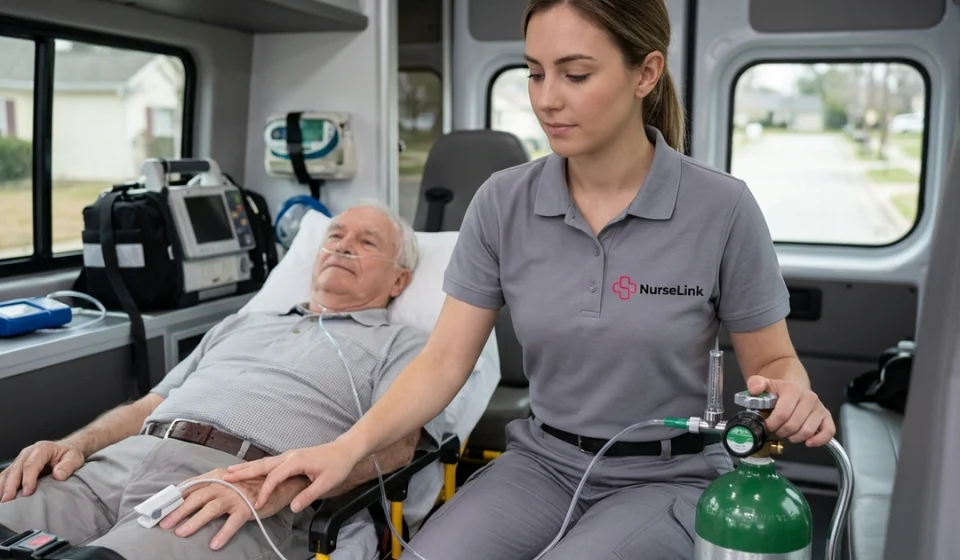
Hospital transfers are a routine part of healthcare, involving the movement of patients between facilities, departments, or care settings. However, for older adults, these transitions are far more than logistical events. The psychological impact of hospital transfers can be significant, affecting mental wellbeing, cognitive stability, and emotional health. Elderly patients often experience heightened vulnerability during these transitions due to changes in environment, routine, and care providers. Recognising the impact of hospital transfers on elderly individuals is essential for delivering patient-centred, trauma-informed care that prioritises both physical and psychological safety. Understanding The Psychological Vulnerability Of Older Adults Older adults often face a unique combination of cognitive, emotional, and physical challenges that make them more susceptible to stress during care transitions. Age-related changes can affect memory, processing speed, and emotional regulation, making it harder to adapt to new environments or unexpected changes. In addition, many elderly patients live with pre-existing conditions such as dementia, depression, or sensory impairments. These factors can amplify confusion and anxiety during transfers, increasing the risk of negative outcomes. Understanding these vulnerabilities is key to addressing the elderly patient hospital transfer effects in a meaningful and supportive way. Age-related decline in cognitive flexibility and memory. Increased sensitivity to stress and environmental changes. Presence of conditions such as dementia or depression. Dependence on familiar routines and known caregivers. Greater need for reassurance and consistent communication. How Environmental Changes Trigger Anxiety, Confusion, & Disorientation A change in environment can be deeply unsettling for elderly patients. Moving from a familiar hospital ward to a new facility or home environment can disrupt their sense of stability and control. Even small changes, such as different lighting, unfamiliar sounds, or new faces, can contribute to confusion. This disruption often leads to disorientation, where patients struggle to recognise their surroundings or understand what is happening. The mental health during patient transfer can be significantly impacted when these environmental changes are not managed carefully. Providing structure and reassurance during these transitions can help reduce distress. Sudden changes in surroundings and care environments. Loss of familiar cues and established routines. Exposure to unfamiliar staff and communication styles. Sensory overload from noise, lighting, or activity levels. Difficulty maintaining orientation to time, place, and identity. The Risk Of Delirium & Cognitive Decline During Transfers Delirium is one of the most serious risks associated with hospital transfers in elderly patients. It is an acute and often reversible condition characterised by confusion, reduced awareness, and changes in behaviour. Transfers can act as a trigger, particularly when combined with factors such as fatigue, dehydration, or medication changes. Early signs of delirium may include agitation, withdrawal, or sudden changes in attention and awareness. If not managed promptly, delirium can lead to longer hospital stays, increased risk of complications, and long-term cognitive decline. Understanding the emotional effects of patient transfers also involves recognising how cognitive health can be impacted during these transitions. Increased risk of delirium due to environmental and physiological stress. Common triggers including fatigue, dehydration, and medication adjustments. Early warning signs such as confusion, agitation, or altered awareness. Potential for both short-term and long-term cognitive effects. Importance of prevention through monitoring and supportive care. Emotional Impact: Loss Of Control, Fear, & Uncertainty Hospital transfers can create a strong sense of emotional distress for elderly patients. Many experience feelings of vulnerability and loss of control, particularly when they are dependent on others for mobility and care. This emotional response can be intensified by uncertainty about what lies ahead. Fear is another common factor, whether related to pain, unfamiliar environments, or the possibility of being left alone. Separation from familiar caregivers or family members can further increase anxiety. Addressing the impact of hospital transfers on elderly patients requires a compassionate approach that prioritises emotional wellbeing alongside physical care. Feelings of dependency and reduced independence. Anxiety about unfamiliar environments or outcomes. Fear of discomfort, pain, or abandonment. Emotional distress from separation from loved ones. Need for empathy, reassurance, and clear communication. Strategies To Minimise Psychological Stress During Patient Transfers Reducing the psychological impact of hospital transfers requires a proactive and patient-centred approach. Preparation is key, as patients who understand what to expect are less likely to experience anxiety or confusion. Clear communication before and during the transfer helps build trust and reduce uncertainty. Maintaining elements of familiarity can also make a significant difference. Personal items, consistent routines, and familiar faces can help anchor patients during transitions. Involving family members or caregivers provides additional emotional support and reassurance. Training transport and healthcare staff in compassionate care practices is equally important. Gentle handling, clear explanations, and attentive communication can transform the transfer experience for elderly patients. By focusing on both clinical and emotional needs, providers can significantly reduce the elderly patient hospital transfer effects. Provide clear explanations before and during the transfer. Maintain familiar routines wherever possible. Allow patients to keep personal belongings close. Ensure gentle and respectful handling throughout the journey. Encourage involvement of family members or caregivers. Use consistent communication to reduce confusion. Monitor emotional as well as physical responses. Adapt the environment to minimise sensory overload. Train staff in patient-centred and trauma-informed care. Prioritise dignity, comfort, and reassurance at every stage. Conclusion The psychological effects of hospital transfers on elderly patients are significant and should not be overlooked. While physical safety is often the primary focus, addressing emotional and cognitive wellbeing is equally important. Trained transport providers play a crucial role in reducing distress by ensuring that transfers are handled with care, empathy, and professionalism. By prioritising communication, preparation, and continuity of care, healthcare providers can minimise risks and improve patient outcomes. A thoughtful, patient-focused approach to transport planning ensures that elderly individuals feel supported, respected, and safe throughout their journey. Latest Post
Managing Oxygen-Dependent Patients During NEPT
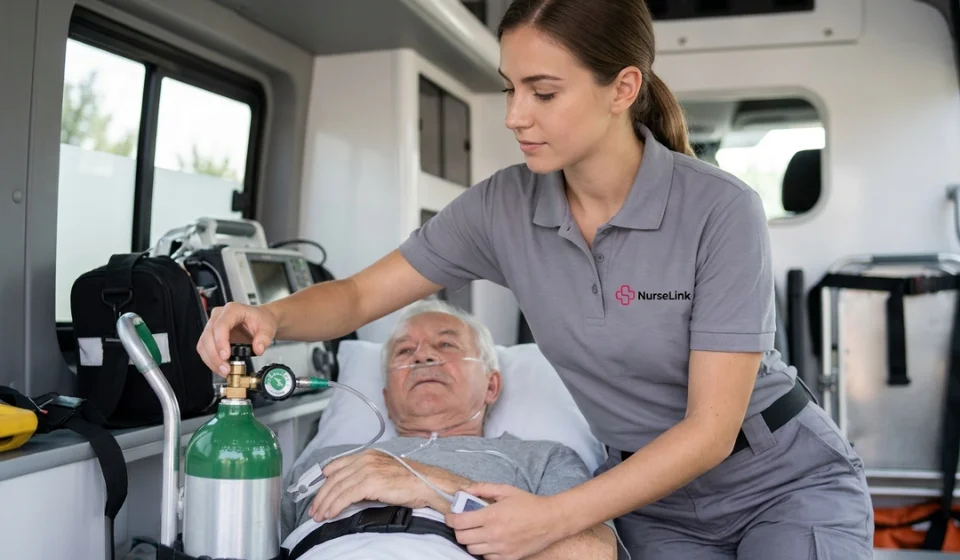
Oxygen dependency in a transport context refers to patients who require continuous or intermittent oxygen therapy to maintain adequate oxygen saturation levels during transit. While these patients may be clinically stable, transporting them introduces specific risks such as hypoxia, equipment failure, or deterioration in respiratory function. Effective non emergency patient transport oxygen management requires careful planning, clinical awareness, and ongoing monitoring. With the right preparation and oversight, non-emergency patient transport (NEPT) can safely support oxygen-dependent patients, ensuring continuity of care without the need for high-acuity intervention. Assessing Oxygen Dependency & Patient Stability Before Transfer Before arranging transport, it is essential to conduct a thorough clinical assessment of the patient’s oxygen dependency and overall stability. This includes reviewing baseline oxygen requirements, such as prescribed flow rates and delivery methods, and ensuring that these can be safely maintained during transit. Understanding the patient’s underlying condition, whether chronic respiratory disease or post-acute recovery, is key to anticipating potential risks. Clinical stability must also be carefully evaluated. Patients should have stable vital signs, including oxygen saturation levels, and show no immediate signs of deterioration. If there is uncertainty about the patient’s condition, consultation with healthcare professionals is necessary to determine whether NEPT is appropriate or if a higher level of care is required. Confirm prescribed oxygen flow rate and delivery method. Assess respiratory rate, oxygen saturation, and overall condition. Identify risks such as recent deterioration or unstable symptoms. Determine suitability for NEPT versus high-acuity transport. Involve clinicians in decision-making where required. Choosing The Right Oxygen Delivery System For Transit Selecting the appropriate oxygen delivery system is a critical step in ensuring patient safety during transport. The chosen method must align with the patient’s clinical needs while also being suitable for use within a transport environment. Common delivery systems include nasal cannulas, simple face masks, and other low-flow devices, depending on the patient’s requirements. In addition to clinical suitability, practical considerations such as portability and duration of the journey must be taken into account. Equipment should be easy to manage within the vehicle and capable of delivering consistent oxygen levels throughout the trip. Proper oxygen management in patient transfer ensures that therapy remains uninterrupted from pickup to destination. Match delivery method to patient needs and tolerance. Consider journey duration and oxygen consumption rates. Ensure compatibility with transport equipment and setup. Prioritise patient comfort and ease of use. Plan for continuous oxygen supply without interruption. Pre-Transport Equipment Checks & Backup Planning Thorough equipment checks are essential before transporting any oxygen-dependent patient. This includes inspecting all oxygen-related equipment to ensure it is functioning correctly and meets safety standards. Any faults or inconsistencies should be addressed before the journey begins. It is equally important to confirm that there is an adequate oxygen supply for the entire journey, including a safety margin for unexpected delays. Running out of oxygen during transit can pose serious risks, making contingency planning a critical component of safe transport. Backup planning should always be in place. This includes having spare oxygen cylinders, additional delivery devices, and emergency equipment readily available. Following established medical oxygen transport guidelines ensures that all safety protocols are adhered to. Inspect cylinders, regulators, and flow meters for functionality. Confirm sufficient oxygen supply with additional reserve capacity. Check all tubing, masks, and connections for integrity. Prepare backup oxygen sources and emergency equipment. Ensure compliance with safety and regulatory standards. Monitoring & Managing Oxygen Levels During Transport Once the journey begins, continuous or periodic monitoring of the patient’s oxygen levels is essential. This allows transport staff to detect any changes in condition early and respond appropriately. Monitoring typically involves checking oxygen saturation levels using pulse oximetry, as well as observing the patient’s overall respiratory status. In addition to clinical monitoring, maintaining patient comfort is equally important. Proper positioning can significantly impact breathing efficiency, while reassurance and communication help reduce anxiety during transport. Effective handling oxygen patients in transit requires both clinical vigilance and patient-centred care. Monitor oxygen saturation levels (SpO₂) throughout the journey. Observe for signs of respiratory distress or discomfort Adjust oxygen flow within authorised clinical parameters. Maintain optimal patient positioning for breathing support. Record observations and any changes in condition. Responding To Clinical Changes & Escalation Protocols Despite careful planning, there is always a possibility of clinical changes during transport. Recognising early warning signs such as a drop in oxygen saturation, increased work of breathing, or changes in consciousness is critical for timely intervention. Transport staff must be prepared to respond within their scope of practice, following established protocols for escalation if the patient’s condition deteriorates. This may involve increasing oxygen support, repositioning the patient, or contacting emergency services if necessary. Adhering to clinical guidelines for oxygen dependent patients ensures that responses are appropriate and effective. Clear communication is essential during escalation. This includes informing receiving facilities of any changes and ensuring a smooth transition of care upon arrival. Prompt and appropriate action helps minimise risks and ensures patient safety. Identify early signs of deterioration such as hypoxia or distress. Implement immediate interventions within scope of care. Follow escalation protocols for worsening conditions. Communicate with emergency services when required. Ensure timely transfer to higher-level care if needed. Conclusion Managing oxygen-dependent patients during non-emergency transport requires a structured and clinically informed approach. From initial assessment to in-transit monitoring, every step plays a role in maintaining patient safety and stability. Trained transport staff are essential in delivering this level of care, ensuring that oxygen therapy is managed effectively throughout the journey. By prioritising preparation, adherence to protocols, and clear communication, healthcare providers can reduce risks and support continuity of care. Choosing a qualified NEPT provider like NurseLink Healthcare ensures that oxygen-dependent patients receive safe, reliable, and professional support from start to finish. Latest Post
The Risks Of Transporting Patients Without Medical Support

Patient transport is a routine yet critical part of modern healthcare, especially during post-discharge journeys or inter-facility transfers. While it is often perceived as a simple logistical step, many individuals undergo transport without medical support, treating it as “just a ride.” In reality, even patients who appear stable can experience unexpected changes during transit, making patient safety during transport a far more complex and clinically sensitive concern than it seems. Understanding Patient Transport & Its Hidden Risks Patient transport refers to the movement of individuals between locations for medical purposes, which can include hospital transfers, discharge journeys, or travel to specialist appointments. This transport can be clinical, involving trained medical personnel and equipment, or non-clinical, where no medical supervision is provided. It also varies across types such as emergency and non-emergency patient transport (NEPT), as well as assisted and unassisted travel, depending on the patient’s condition and needs. What makes patient transport medically sensitive is the unpredictability of a patient’s condition during movement. Factors such as motion, positioning, and environmental changes like temperature, can influence stability. These “hidden risks” are often overlooked by families and caregivers, who may underestimate the complexities involved. As a result, patient transport risks are not always recognised until complications arise, reinforcing the need for informed decision-making. Why Medical Support Matters? Medical support during transport plays a vital role in ensuring patient stability, safety, and continuity of care. Trained professionals such as paramedics, nurses, and patient transport officers bring clinical expertise that allows them to monitor and respond to patient needs in real time. Their presence transforms transport from a passive journey into an active extension of healthcare delivery. Without appropriate supervision, even minor issues can escalate quickly. The availability of equipment, combined with clinical judgment, ensures that any deterioration is identified early and managed effectively. This highlights the medical transport in safeguarding patient wellbeing throughout the journey. Continuous monitoring of vital signs and responsiveness. Immediate clinical decision-making during transit. Access to oxygen, monitoring devices, and emergency kits. Ability to intervene early in case of deterioration. Clear distinction between medically supported transport and basic travel. Common Risks Transporting patients without medical oversight introduces a range of risks that can affect both physical and clinical outcomes. These risks are not always immediately visible but can have serious consequences if not managed appropriately. From sudden medical events to logistical challenges, the absence of support increases vulnerability. In many cases, unsafe patient transport results from gaps in preparation, coordination, and communication. Without trained personnel, there is limited ability to anticipate or respond to complications, making the journey potentially hazardous. Sudden deterioration such as breathing difficulties or cardiac events. Escalation of pain or discomfort during movement. Falls or injuries during transfer processes. Improper positioning leading to pressure or musculoskeletal issues. Delays and lack of coordination with healthcare providers. Situations Where Lack Of Medical Support Can Be Dangerous Certain patient groups are particularly vulnerable during transport and require a higher level of care and supervision. These include individuals recovering from surgery, those with chronic conditions, and patients with limited mobility. In such cases, transport without medical support can significantly increase the likelihood of complications. Understanding these high-risk scenarios is essential for caregivers and families. It helps ensure that appropriate transport arrangements are made, aligning with the patient’s clinical needs rather than convenience alone. Post-surgical patients at risk of bleeding or instability. Elderly individuals with frailty or cognitive impairment. Patients with cardiac conditions require monitoring. Individuals with respiratory conditions needing oxygen support. Neurological patients at risk of sudden changes. Wheelchair-dependent patients require secure handling. Stretcher-bound individuals needing specialised positioning. Patients requiring continuous monitoring. Individuals with complex care needs. Long-distance or inter-facility transfers require sustained support. Impact On Patient Safety, Recovery & Outcomes The consequences of inadequate transport extend beyond the journey itself. They can directly affect recovery timelines, treatment effectiveness, and overall health outcomes. When patients experience complications during transit, it can lead to delays in care and increased healthcare utilisation. Ensuring medical transport safety is therefore not only about preventing immediate harm but also about supporting long-term recovery. A poorly managed transport experience can disrupt continuity of care and create additional stress for both patients and families. Increased likelihood of medical emergencies during transit. Higher risk of hospital readmissions. Delayed treatment due to transport-related complications. Physical strain and emotional stress are impacting recovery. Disruptions in care continuity and follow-up appointments. How Professional Transport Services Reduce These Risks Professional patient transport services are designed to address these challenges through a structured and clinically informed approach. By integrating trained staff, appropriate equipment, and established protocols, these services provide a safer alternative to unassisted travel. They ensure that patient care continues seamlessly beyond the clinical setting. A key component of professional services is pre-transport assessment. This allows providers to evaluate the patient’s condition, identify potential risks, and plan accordingly. Safe handling procedures further minimise the risk of injury during transfers, while medical-grade vehicles are equipped to support a range of patient needs. Real-time monitoring during transit enables early detection of any changes in condition, allowing for immediate intervention when required. Additionally, coordination with healthcare facilities ensures proper handover and documentation, maintaining continuity of care. Beyond clinical aspects, these services prioritise patient comfort, dignity, and reassurance, creating a more supportive experience overall. Choosing Safe & Reliable Patient Transport Services Selecting the right transport provider is a critical decision that can significantly impact patient outcomes. It requires careful evaluation of several factors, including staff qualifications, availability of medical support, and adherence to safety standards. A reliable provider will demonstrate transparency, professionalism, and a commitment to patient-centred care. It is also important to assess whether the service aligns with the patient’s specific needs. This includes considerations such as mobility requirements, medical conditions, and the level of supervision required. Asking the right questions before booking can help identify potential gaps and ensure a suitable match. Red flags to watch for include lack of trained personnel, inadequate equipment, poor communication, and inconsistent service quality. By prioritising safety, reliability,
How To Book A Non-Emergency Patient Transfer: Step-by-Step Guide

Non-emergency patient transport (NEPT) sits within the healthcare transport spectrum as a low to moderate acuity service, designed for patients who are medically stable but still require assistance during transit. It plays a crucial role in planned, non-urgent transfers where safety, comfort, and continuity of care are essential. Understanding how to arrange medical transport correctly ensures patients receive the right level of support without unnecessary delays or risks. This process is commonly managed by patients, families, discharge planners, and care coordinators, all of whom rely on a structured approach to ensure efficient and clinically appropriate transport. Understanding Non-Emergency Patient Transport (NEPT) & When It Applies Non-emergency patient transport is intended for individuals who do not require urgent medical intervention but still need supervised or assisted travel. It is most appropriate for patients who are clinically stable, have a low risk of deterioration, and require support due to mobility, medical, or logistical reasons. Unlike emergency or high-acuity transport, which is reserved for critical and time-sensitive situations, NEPT focuses on planned journeys where timing, preparation, and coordination are key. Making the right clinical decision before booking is essential, as it ensures patients are transported safely while also preserving emergency resources for those in immediate need. Step 1: Confirming Patient Eligibility & Clinical Requirements The first step in booking a non-emergency patient transfer is to assess whether the patient is clinically suitable for NEPT. This involves evaluating their overall stability, including vital signs, medical condition, and any risk factors that could impact their safety during transit. It is also important to identify whether the patient requires supervision, mobility assistance, or specific medical support such as oxygen. In some cases, consulting with healthcare professionals such as doctors or nurses can help determine whether NEPT is appropriate or if a higher level of care is required. Step 2: Identifying The Appropriate Level Of Transport & Support Once eligibility is confirmed, the next step is to determine the most suitable type of transport based on the patient’s needs. This ensures that the journey is both safe and comfortable, while also aligning with clinical requirements. Choosing the correct transport type involves considering mobility limitations, required equipment, and the level of supervision needed during the journey. This step is essential in avoiding complications and ensuring a smooth transfer. Wheelchair, stretcher, or assisted seating options depending on mobility. Matching transport type to the patient’s physical and clinical condition. Determining whether basic support or clinical supervision is required. Assessing the need for equipment such as oxygen or lifting aids. Ensuring overall comfort and safety throughout the journey. Step 3: Gathering Essential Medical & Logistical Information Accurate and complete information is critical when arranging patient transport. This step ensures that the transport provider is fully prepared to meet the patient’s needs and avoid any delays or misunderstandings. Collecting both medical and logistical details helps streamline the booking process and ensures that all parties involved are aligned. This is particularly important when learning how to arrange hospital transport efficiently. Patient condition, mobility status, and any special requirements. Pickup and drop-off locations, including hospitals or care facilities. Appointment times and scheduling considerations. Relevant medical documents such as discharge summaries or care plans. Emergency contacts and caregiver details. Step 4: Coordinating With Healthcare Providers & Care Teams Effective communication between healthcare providers and transport services is essential for a successful transfer. This includes coordinating with doctors, nurses, and discharge planners to ensure that all aspects of the patient’s care are considered. Aligning transport timing with treatment schedules or discharge plans helps prevent delays and ensures a seamless transition between care settings. Proper documentation and clear instructions should also be shared to maintain continuity of care. Step 5: Booking With A Qualified & Compliant Transport Provider Choosing the right transport provider is a critical part of the process. Not all services offer the same level of care, so it is important to select a provider that meets clinical and safety standards. A reliable provider will have trained staff, appropriate certifications, and the necessary equipment to handle a range of patient needs. This ensures that patients are supported throughout the journey and that risks are minimised. Select providers with trained and experienced transport staff. Ensure compliance with healthcare and safety regulations. Confirm availability and response times. Review services offered, including equipment and monitoring. Clearly communicate patient needs during the booking process. Step 6: Preparing The Patient For Safe & Comfortable Transfer Preparation plays a key role in ensuring a smooth and stress-free transport experience. Patients should be physically and mentally ready for the journey, with all necessary arrangements in place beforehand. This includes ensuring that medications are taken as prescribed, mobility aids are ready, and the patient understands what to expect during transport. Proper preparation helps reduce anxiety and improves overall comfort. Ensure the patient is well-rested, hydrated, and medically prepared. Dress the patient in comfortable and appropriate clothing. Secure mobility aids and medical devices. Explain the transport process to the patient. Involve caregivers or family members where necessary. Step 7: Day-Of-Transport Protocols & What To Expect On the day of transport, final checks and coordination ensure that everything proceeds as planned. This includes confirming booking details, assessing the patient’s condition, and preparing for safe transfer into the vehicle. During transit, trained staff monitor the patient and provide support as needed. Upon arrival, a proper handover ensures that the receiving party is fully informed, maintaining continuity of care. Confirm transport time and booking details. Conduct a final assessment of the patient’s readiness. Use safe handling techniques during transfer. Monitor the patient throughout the journey. Complete a thorough handover at the destination. Key Takeaways Booking a non-emergency patient transfer requires careful planning, clinical awareness, and effective coordination. Understanding how to arrange transport to hospital or other care settings ensures that patients receive the right level of support while maintaining safety and comfort. By selecting the appropriate transport type, working closely with healthcare providers, and preparing thoroughly, patients and caregivers can avoid unnecessary complications. Ultimately, choosing a
Common Situations Where NEPT Is The Best Choice

Non-emergency patient transport (NEPT) plays a vital role within the broader spectrum of healthcare logistics, particularly for patients who require low to moderate acuity support during transit. It is designed for planned, non-urgent, and medically appropriate transfers where emergency intervention is not required. Understanding when to use non-emergency patient transport can significantly improve patient outcomes by ensuring safety, comfort, and continuity of care. Unlike emergency ambulance services, which are designed for high-risk or life-threatening situations, NEPT focuses on patients who are stable but still need assistance, supervision, or specialised equipment. This distinction is important not only for patient safety but also for efficient use of healthcare resources. By choosing NEPT in appropriate scenarios, healthcare providers can ensure that emergency services remain available for critical cases, while patients receive transport that is tailored to their specific needs. In addition, NEPT services prioritise comfort and reliability, which can make a meaningful difference in a patient’s overall healthcare experience. Understanding NEPT In A Clinical Context From a clinical perspective, NEPT is best suited for patients who are medically stable but still require assistance, supervision, or specialised equipment during transport. Determining who needs non-emergency patient transport involves a careful assessment of patient stability, mobility, and any underlying risks that may arise during transit. Healthcare professionals often consider factors such as vital signs, cognitive status, mobility limitations, and the likelihood of deterioration when deciding on the appropriate transport method. NEPT provides a balanced solution where patients receive the support they need without the intensity of emergency care. This ensures that transport decisions are both clinically appropriate and resource-efficient, supporting better outcomes across the healthcare system. Clinically Stable Patients Who Still Require Supervised Transport Many patients are clinically stable but cannot safely travel without assistance. These individuals may not require urgent medical intervention, yet they still benefit from trained personnel who can monitor their condition during transit. This is one of the most common situations requiring NEPT services, particularly during recovery or ongoing care. For example, a patient discharged after a minor surgical procedure may appear stable but could still experience fatigue, discomfort, or mild complications during travel. Similarly, elderly patients may have stable conditions but require supervision to ensure they remain safe and comfortable throughout the journey. Having trained staff present provides reassurance and allows for immediate response if any concerns arise. Post-procedure patients requiring observation after day surgeries Frail elderly individuals who need support with positioning and comfort Patients using low-flow oxygen or managing mild respiratory conditions Individuals prone to dizziness, fatigue, or general weakness Patients needing basic monitoring of vital signs during transit In these scenarios, NEPT ensures that patients are not left to manage their journey alone, reducing the risk of complications and improving overall safety. When Mobility, Not Medical Urgency, Is The Primary Barrier In many cases, the need for NEPT arises from physical limitations rather than medical urgency. Patients may be unable to use standard transport due to reduced mobility, making specialised assistance essential. These nept use cases highlight the importance of proper equipment and trained handling techniques. Mobility challenges can result from surgery, injury, disability, or age-related conditions. Without appropriate support, even short journeys can become difficult or unsafe. NEPT teams are trained to manage these challenges using equipment such as stretchers, wheelchairs, and lifting aids, ensuring smooth and secure transfers. Wheelchair or stretcher-dependent patients unable to travel independently Individuals recovering from orthopaedic procedures with movement restrictions Patients with a high risk of falls or balance-related concerns Those requiring assistance entering and exiting vehicles safely Situations where improper handling could lead to injury or complications By addressing mobility barriers effectively, NEPT helps maintain patient dignity and reduces the physical strain associated with travel. Planned, Repeat Journeys: Dialysis, Oncology, & Rehabilitation Transfers Patients undergoing ongoing treatments often require regular and reliable transport services. Dialysis, chemotherapy, and rehabilitation programs typically involve frequent appointments, making consistency and punctuality essential. These are some of the most common reasons to use non-emergency patient transport. Regular travel can be physically demanding, particularly for patients already dealing with fatigue or treatment side effects. NEPT services provide a structured and supportive environment, helping patients conserve energy and reduce stress. Familiarity with transport routines can also improve comfort and reduce anxiety over time. In addition, coordinated transport ensures that patients arrive on time for critical treatments, avoiding disruptions to their care plans. This reliability plays a key role in supporting long-term health outcomes. Discharges That Require Continuity Of Care-Not Emergency Response Hospital discharge is a critical transition point where patients may no longer need acute medical care but still require assistance during transport. NEPT provides a safe and appropriate solution for these situations, ensuring patients can move from hospital to home or another care setting without unnecessary risk. During discharge, patients may still be recovering, managing medications, or adjusting to new care routines. NEPT allows for a smoother transition by providing support tailored to these needs. Transport staff can assist with mobility, ensure patient comfort, and help maintain stability throughout the journey. Using NEPT in these cases also prevents unnecessary reliance on emergency ambulance services, allowing those resources to remain focused on urgent and life-threatening situations. Inter-Facility Transfers With Minimal Clinical Risk Healthcare systems often require patients to move between facilities for non-urgent reasons such as diagnostic imaging, specialist consultations, or follow-up care. While these transfers involve minimal clinical risk, they still require proper coordination and supervision. NEPT ensures that these journeys are managed efficiently, with a focus on safety and continuity of care. Clear communication between facilities, along with accurate documentation, helps ensure that patient information is transferred correctly and that care remains consistent. These transfers also support timely access to services, reducing delays and improving overall patient outcomes. Situations Where Clinical Monitoring Is Precautionary, Not Critical Some patients require monitoring during transport as a precaution rather than due to immediate risk. These individuals may be stable but benefit from observation to ensure their condition remains consistent throughout the journey. Monitoring may include checking vital signs,
The Benefits Of Upskilling In Patient Transport
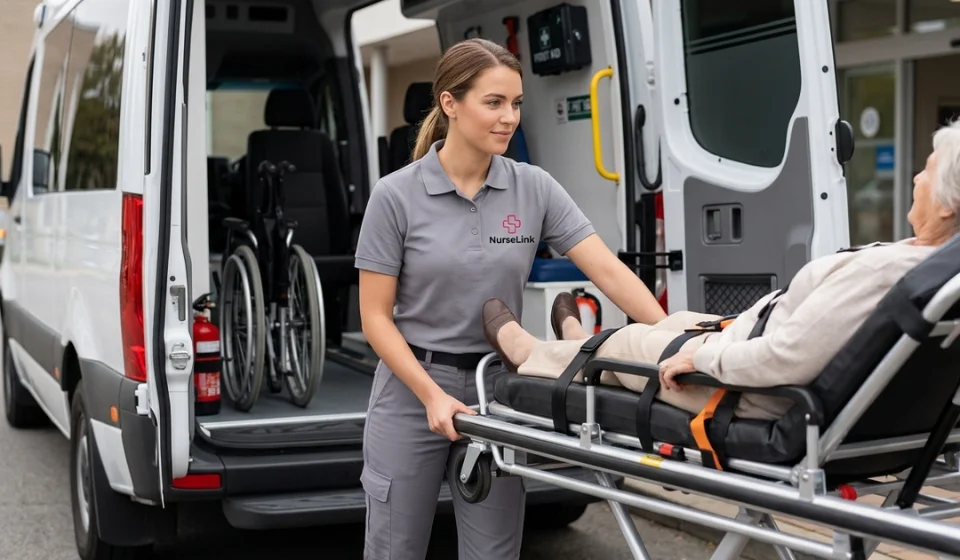
Non-emergency patient transport (NEPT) plays a vital role in supporting individuals who require safe and assisted travel to and from medical appointments, care facilities, and home environments. These services cater to a wide range of patients, including those with mobility challenges, individuals recovering after hospital discharge, older adults, and people living with disability. Patient transport professionals do far more than simply drive; they are responsible for safe patient handling, basic monitoring, and clear communication throughout the journey. Delivering this level of care requires compassion, respect, and a strong focus on dignity, while also coordinating effectively with healthcare providers to ensure continuity of care. Why Upskilling Matters In Patient Transport? As healthcare systems continue to evolve, so do the expectations placed on patient transport services. Patients today often present with more complex medical and mobility needs, particularly within aged care and community settings. This shift highlights the patient transport upskilling importance, as professionals must be equipped to handle a broader range of scenarios safely and confidently. Ongoing education and training are essential to maintain high standards of care and reduce the risk of errors. Upskilling not only enhances technical capabilities but also builds confidence, allowing staff to deliver more effective and responsive care during every transport interaction. Growing complexity of patient needs across healthcare settings. Increasing expectations around patient safety and quality of care. Need to stay updated with current standards, policies, and protocols. Continuous learning helps reduce risks and improve decision-making. Greater confidence in managing diverse and unpredictable situations. Enhancing Patient Safety & Care Through Training Training is central to ensuring patient safety during transport. Proper manual handling techniques reduce the risk of injury for both patients and staff, particularly when assisting individuals with limited mobility. By learning best practices, transport professionals can perform transfers and repositioning with greater precision and care. Infection control is another critical component of training. With patients often having compromised health, maintaining hygiene standards is essential to prevent the spread of infections. From sanitising equipment to following personal protective protocols, these practices directly contribute to safer transport experiences. Additionally, training prepares staff to respond effectively in unexpected situations. Even in non-emergency settings, complications can arise, making it important for professionals to recognise early warning signs and take appropriate action. Strong communication skills also play a key role, helping to reassure patients, reduce anxiety, and create a more comfortable journey. Key Skills Every Patient Transport Worker Should Develop To deliver high-quality care, patient transport professionals must develop a well-rounded skill set. Clinical awareness allows them to observe and respond to changes in a patient’s condition, while effective communication ensures clear interaction with both patients and healthcare teams. Equally important are practical and interpersonal skills. The ability to solve problems, manage time efficiently, and plan routes contributes to smoother operations and timely service delivery. Emotional intelligence is also essential, as it enables workers to provide compassionate care that respects each patient’s individual needs and circumstances. These capabilities highlight the value of patient transport skill enhancement in everyday practice. Career Growth Opportunities Through Upskilling Upskilling opens the door to a wide range of career opportunities within the healthcare sector. Patient transport roles can serve as a stepping stone into areas such as aged care, disability support, and community nursing. With additional training, professionals can transition into more specialised or senior roles. The patient transport career development pathway is strengthened through continuous learning, as it improves employability and job stability. Gaining certifications and expanding knowledge not only enhances professional credibility but also supports long-term career growth in an increasingly competitive healthcare environment. Meeting Industry Standards & Expectations Healthcare is a highly regulated industry, and patient transport services must meet strict standards to ensure safety and quality. Upskilling helps professionals stay compliant with these regulations, including duty of care obligations and operational guidelines. Accurate documentation and reporting are also critical aspects of the role. Proper record-keeping ensures accountability and supports effective communication between care providers. Maintaining professionalism and ethical conduct further strengthens trust with patients and healthcare partners. As industry practices continue to evolve, staying informed about new developments is essential. The importance of patient transport training lies in its ability to keep professionals aligned with current best practices, ensuring consistent and reliable service delivery. Investing In Skills For Better Patient Outcomes There is a direct connection between skill level and the quality of care patients receive. Well-trained professionals are better equipped to provide safe, comfortable, and efficient transport, which significantly enhances the overall patient experience. Upskilling also contributes to improved health outcomes by reducing the likelihood of complications during transport. From minimising physical strain to ensuring timely access to medical services, the patient transport learning benefits extend beyond the journey itself. They support independence, continuity of care, and long-term wellbeing for patients. Conclusion Upskilling in patient transport is essential for delivering safe, high-quality care in a rapidly evolving healthcare environment. By continuously developing skills, professionals can improve patient safety, comfort, and overall outcomes while also advancing their own careers. Ongoing learning not only strengthens individual capabilities but also contributes to a more reliable and effective healthcare system. Embracing upskilling as a continuous process ensures long-term benefits for both patient transport professionals and the communities they serve. Latest Post
How To Safely Transport Someone In A Wheelchair

Transporting a person who uses a wheelchair is a responsibility that requires careful planning, proper equipment and the correct handling techniques to ensure safety and comfort throughout the journey. Many individuals rely on wheelchair transport to attend medical appointments, access community services or travel between healthcare facilities. Family carers, support workers and professional transport staff may all find themselves responsible for assisting a wheelchair user during travel. Understanding how to transport someone in a wheelchair safely is essential because incorrect handling or inadequate securement can increase the risk of injury, discomfort or distress for the passenger. This guide provides practical and professional insights designed for carers, healthcare support workers and transport providers who want to ensure every journey is conducted with the highest safety standards. Understanding The Different Types Of Wheelchair Transport Needs Wheelchair transport needs can vary significantly depending on the type of wheelchair used and the physical condition of the individual. Some wheelchair users may be able to transfer into a vehicle seat, while others must remain seated in their wheelchairs for the entire journey. Understanding these differences is an important first step in selecting the correct transport method and ensuring a safe experience for both the passenger and the person providing assistance. Manual wheelchairs are commonly used for individuals who have some upper body strength or who receive assistance from carers. These chairs are often lighter and easier to manoeuvre, which can simplify the transport process. Powered wheelchairs, on the other hand, are heavier and include electrical components that require additional consideration when loading and securing them in a vehicle. Transport providers must ensure that vehicle lifts and securement systems are compatible with the specific wheelchair model being transported. Several factors influence how a wheelchair user should be transported: The type of wheelchair being used, whether manual, powered or specialised seating systems. The patient’s ability to transfer independently from the wheelchair to a vehicle seat. The presence of tilt-in-space or reclining features may affect positioning during travel. The medical condition or mobility limitations affecting the passenger. Whether the journey involves occasional community transport or regular medical transport appointments. Patients who require regular medical transport often have additional care considerations that must be addressed before each journey. These may include postural support requirements, pressure relief positioning or the need for additional monitoring during travel. For this reason, a one-size-fits-all approach does not work when transporting wheelchair users. Each journey must be planned according to the individual needs of the passenger. Essential Safety Checks Before Every Wheelchair Transport Journey Preparing for a wheelchair transport journey begins with a thorough safety inspection. Before assisting a wheelchair user into a vehicle, carers or transport staff should carefully check the wheelchair itself to ensure that it is functioning properly. Mechanical faults, worn tyres or faulty brakes can create unnecessary risks during loading or unloading. Ensuring that the wheelchair is in good working condition is one of the most important wheelchair transport safety tips. Footrests, armrests and any positioning supports attached to the wheelchair should also be examined. Loose or unstable components can create discomfort for the passenger or interfere with proper securement during the journey. Making these checks part of a routine pre-transport process helps reduce the likelihood of equipment-related issues. Equally important is assessing the passenger’s comfort and positioning before boarding the vehicle. The individual should be seated upright with appropriate support to maintain posture and stability. If the passenger requires specialised cushions, positioning belts or head supports, these should be correctly fitted prior to the journey. Vehicle safety checks are also essential. The ramp or lift used to load the wheelchair must be functioning correctly and capable of safely supporting the weight of both the wheelchair and the passenger. Transport staff should also confirm that all securement equipment, including straps and anchor points, is present and undamaged. In some cases, the passenger may have specific medical instructions documented in their care plan. These instructions may include positioning requirements, pressure relief schedules or restrictions on movement. Reviewing this information before transport ensures that the journey aligns with the individual’s healthcare needs. How To Properly Secure A Wheelchair In A Vehicle Correctly securing a wheelchair inside a vehicle is the most critical step in ensuring passenger safety during transport. Even minor vehicle movements can create significant forces that affect the stability of a wheelchair if it is not properly restrained. For this reason, professional wheelchair transport techniques emphasise the importance of securement systems designed specifically for wheelchair users. The most widely used system for wheelchair transport is the four-point tie-down system. This system uses four separate straps attached to the wheelchair frame and anchored to the vehicle floor. Two straps secure the front of the wheelchair while two additional straps secure the rear. Together, these restraints stabilise the wheelchair and prevent movement during travel. Proper wheelchair securement involves several important steps: Position the wheelchair facing forward in the designated wheelchair space within the vehicle. Attach the front tie-down straps to strong structural points on the wheelchair frame. Securing the rear tie-down straps and tightening them to remove slack. Applying the passenger’s lap and shoulder seatbelt in addition to the wheelchair restraints. Confirming that the wheelchair brakes are engaged before departure. One common misconception is that the wheelchair itself provides sufficient restraint for the passenger. In reality, wheelchair restraints secure the equipment, not the person. The passenger must also wear a properly fitted seatbelt to ensure adequate protection during sudden stops or vehicle movements. Powered wheelchairs may require slightly different securement considerations due to their weight and structure. In some cases, additional positioning supports or headrests may be used to maintain stability and comfort for the passenger during the journey. These adjustments are an important part of implementing safe wheelchair transport methods in professional healthcare transport settings. Common Mistakes To Avoid When Transporting Wheelchair Users Failing to conduct a pre-transport safety inspection of the wheelchair and vehicle equipment. Not checking the passenger’s positioning and comfort before starting the journey. Incorrectly attaching the