
Safety Measures In Non-Emergency Patient Transport
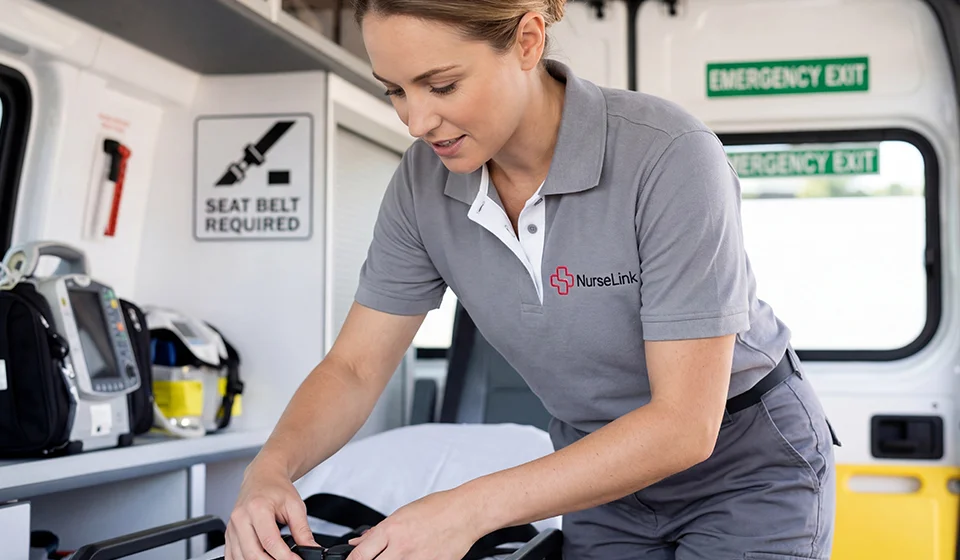
Non-Emergency Patient Transport (NEPT) refers to the safe and structured transfer of patients who are clinically stable but require assistance during travel. These services are essential for individuals who may not need urgent medical intervention but still depend on support due to mobility limitations, age-related conditions, or ongoing treatments. Common examples include elderly patients, mobility-impaired individuals, and those attending medical appointments, dialysis sessions, or hospital discharge transfers. While the term “non-emergency” may suggest lower risk, the reality is that these patients often require careful handling, monitoring, and support to ensure their safety and comfort throughout the journey. Importance Of Safety In Non-Emergency Patient Transport Safety is the cornerstone of all patient transport services, including those classified as non-emergency. Patients using NEPT services are often vulnerable due to physical limitations, chronic health conditions, or cognitive challenges. Even minor incidents, such as improper handling or sudden vehicle movements, can lead to injuries or complications. This is why adhering to structured non emergency patient transport guidelines is essential for maintaining high standards of care. Transport providers also carry a significant duty of care, both legally and ethically. They are responsible for ensuring that patients are transported in a manner that preserves dignity, privacy, and emotional wellbeing. Risks such as falls during transfers, improper lifting techniques, or deterioration in a patient’s condition must be carefully managed. Following established frameworks such as the non-emergency patient transport regulations 2016 helps ensure consistency, accountability, and patient safety. Ultimately, safe transport practices contribute to better health outcomes and reduce the likelihood of hospital readmissions. Patient Assessment & Pre-Transport Preparation Effective NEPT begins well before the patient enters the vehicle. A thorough assessment is critical to understanding the individual’s needs and ensuring that appropriate arrangements are made. This includes reviewing the patient’s medical condition, mobility level, and cognitive status. Such information helps determine the level of assistance required and identifies any potential risks during transport. Confirming transport requirements is another essential step. Some patients may require wheelchair transport, while others may need a stretcher or assisted walking support. It is also important to assess whether the patient requires oxygen, monitoring equipment, or additional medical support during transit. These considerations ensure that the transport environment is appropriately prepared. Risk assessment plays a vital role in pre-transport planning. Factors such as fall risk, behavioural concerns, or communication challenges must be identified and addressed. Clear communication with both the referring and receiving facilities ensures continuity of care and reduces the likelihood of errors or misunderstandings. Preparing the patient is equally important. Proper positioning, securing personal belongings, and explaining the transport process can significantly reduce anxiety and enhance cooperation, leading to a safer and smoother journey. Vehicle Safety & Essential Equipment Requirements The safety of NEPT services is heavily influenced by the condition and design of the transport vehicle. Vehicles must be clean, well-maintained, and compliant with safety standards to ensure a secure environment for patients. Regular inspections are essential to identify potential mechanical issues and maintain operational reliability. Modern NEPT vehicles are equipped with specialised safety features designed to protect patients during transit. These include secure restraint systems for wheelchairs and stretchers, non-slip flooring to prevent falls, and adequate lighting and ventilation to enhance comfort. Such features are not only important for safety but also contribute to a more positive patient experience. In addition to structural features, vehicles must carry essential equipment to manage routine and unexpected situations. This typically includes a first aid kit, oxygen supply, and basic monitoring tools when required. Safe loading and unloading procedures are critical to prevent injuries, particularly for patients with limited mobility. Accessibility features such as ramps or hydraulic lifts ensure that patients can enter and exit the vehicle safely. Having contingency plans and backup systems in place further enhances safety by preparing staff to respond effectively to unforeseen circumstances. Infection Control & Hygiene Practices During Transport Infection control is a fundamental aspect of patient transport, particularly in shared environments where multiple individuals may be transported throughout the day. Patients receiving NEPT services may already have compromised immune systems, making them more susceptible to infections. Maintaining strict hygiene practices is therefore essential to minimise risks. Transport staff must follow established infection control practices at all times. This includes maintaining cleanliness within the vehicle and ensuring that all surfaces are regularly disinfected. Hand hygiene is one of the most effective measures in preventing the spread of infections and should be performed consistently before and after patient contact. Perform hand hygiene before and after each patient interaction. Use appropriate Personal Protective Equipment when required. Safely handle bodily fluids and contaminated materials. Ensure proper ventilation within the vehicle. Follow organisational infection control protocols consistently. These practices help reduce cross-contamination and protect both patients and staff, contributing to a safer transport environment. Role Of Trained Staff In Ensuring Patient Safety The effectiveness of NEPT services depends largely on the competence and professionalism of the staff involved. Trained transport officers are responsible not only for driving but also for providing patient care, ensuring safety, and managing potential risks during the journey. Their role requires a combination of technical skills, clinical awareness, and interpersonal abilities. Manual handling is a critical skill in patient transport. Staff must be trained in safe lifting and transfer techniques to prevent injuries to both themselves and the patient. Basic first aid knowledge is also essential, enabling staff to respond appropriately to minor incidents or changes in a patient’s condition. Apply safe manual handling and lifting techniques. Provide basic first aid and patient support. Identify early signs of distress or deterioration. Communicate clearly with patients and healthcare teams. Maintain patient dignity and emotional reassurance. Follow established safety protocols and procedures. Coordinate effectively with team members. Ensure correct use of equipment and restraints. Adapt care based on patient needs. Maintain professionalism and accountability at all times. In addition to technical skills, effective communication plays a key role in ensuring patient safety. Transport staff must be able to reassure patients, explain procedures, and collaborate with healthcare providers to
First Aid Basics For Non-Emergency Patient Transport

Non-emergency patient transport plays a vital role in modern healthcare by enabling individuals to safely travel between homes, hospitals, clinics, and care facilities. These services are commonly used by older adults, people living with disabilities, and patients requiring assistance after hospital discharge. While these journeys are not classified as emergencies, they still require a high level of safety, clinical awareness, and preparedness to manage potential risks. During transport, patients may experience discomfort, deterioration, or unexpected medical events. This is where first aid becomes essential. Having a clear understanding of first aid basics allows transport providers to respond quickly and appropriately, ensuring patient safety throughout the journey. With the increasing demand for assisted transport services across Australia, particularly in aged care and disability sectors, the ability to recognise risks and apply timely first aid measures is critical. Understanding how first aid fits into patient transport helps improve outcomes and provides reassurance to both patients and families. Understanding First Aid In Patient Transport First aid in a patient transport setting refers to the immediate care provided to a person who becomes unwell or injured during transit. It focuses on stabilising the individual, monitoring their condition, and ensuring comfort until further medical assistance is available if needed. Unlike emergency response scenarios, non-emergency transport requires preparedness rather than rapid intervention, with an emphasis on prevention and early recognition of issues. Transport staff are often the first to notice subtle changes in a patient’s condition. Their role involves applying appropriate first aid procedures while maintaining a calm and controlled environment. There is also a clear duty of care, meaning providers are responsible for ensuring the safety and wellbeing of individuals throughout the journey. Timely intervention, even at a basic level, can prevent complications and reduce the likelihood of escalation. Key aspects of first aid in transport include: Providing immediate support before advanced medical care is available. Monitoring patient condition and responding to early warning signs. Maintaining comfort and safety during transit. Understanding legal responsibilities and duty of care. Applying appropriate first aid guidelines to prevent deterioration. Common Situations That May Require First Aid Even in planned and non-emergency transport, unexpected situations can arise. Patients may experience sudden changes in their health due to underlying conditions, stress, or movement during transit. Recognising these scenarios early allows providers to act promptly and apply basic first aid steps to manage the situation effectively. Some individuals are particularly vulnerable during transport, including those with chronic illnesses, mobility limitations, or cognitive impairments. Factors such as fatigue, dehydration, or anxiety can further increase the risk of complications. Being prepared for common situations ensures that transport providers can deliver safe and responsive care. Common scenarios include: Sudden shortness of breath or chest discomfort. Falls or injuries during loading or unloading. Seizures or episodes of altered consciousness. Diabetic emergencies such as low or high blood sugar. Nausea, vomiting, or dehydration during travel. In addition to these, patients may experience anxiety or panic, particularly if they are unfamiliar with the transport process. Pre-existing conditions may also worsen due to the physical and emotional stress of travel, reinforcing the need for strong first aid techniques and awareness. Basic First Aid Skills Every Transport Provider Should Know A solid understanding of first aid basics is essential for anyone involved in patient transport. These skills enable providers to respond effectively to a wide range of situations while maintaining patient safety. Importantly, first aid is not about replacing professional medical care but about providing immediate and appropriate support until further assistance is available. Transport providers should be trained to follow structured approaches, ensuring that care is delivered consistently and safely. Clear communication, calm behaviour, and adherence to recognised first aid guidelines are just as important as technical skills. Core skills include: Performing cardiopulmonary resuscitation when required. Managing airway, breathing, and circulation using the ABC approach. Controlling bleeding and providing basic wound care. Positioning patients safely to prevent complications. Using first aid kits and maintaining hygiene standards. In addition, effective communication plays a crucial role. Reassuring patients, explaining actions, and accurately reporting incidents are all part of delivering high-quality care. These first aid safety tips contribute to a safer and more supportive transport experience. Monitoring Patients During Transport Continuous monitoring is a fundamental component of safe patient transport. Even when a journey appears routine, a patient’s condition can change quickly. Observing breathing patterns, responsiveness, and overall comfort provides valuable insight into their health status during transit. Basic monitoring may involve checking pulse, observing skin colour, and noting any changes in behaviour or alertness. These observations help identify early signs of deterioration, allowing for timely intervention. In some cases, transport providers may use simple monitoring tools to support their assessment, depending on the level of care being delivered. Equally important is maintaining clear communication with healthcare providers. Accurate documentation of observations and any first aid procedures performed ensures continuity of care once the patient reaches their destination. Providing reassurance and maintaining a calm environment also helps reduce anxiety, contributing to both physical and emotional wellbeing during the journey. Responding to Changes In Patient Condition Recognising and responding to changes in a patient’s condition is a critical aspect of transport care. Signs such as increased pain, confusion, breathing difficulties, or sudden weakness should never be overlooked. These indicators may signal the onset of a more serious issue and require immediate attention. When changes occur, transport providers should follow structured first aid procedures to stabilise the patient. This may include adjusting positioning, administering basic care, or providing reassurance while monitoring the individual closely. Maintaining a calm and methodical approach ensures that actions are effective and safe, even within the constraints of a moving vehicle. If the situation escalates, communication becomes essential. Providers must be prepared to contact emergency services and clearly convey the patient’s condition, location, and any interventions already performed. Ensuring the safety of both the patient and staff during this process is a top priority. Safety & Preparedness In Non-Emergency Transport Preparation is one of the most effective ways
What Is Non-Emergency Patient Transport & Who Needs It?

Non-emergency patient transport refers to specialised transport services designed for individuals who require medical assistance when travelling to or from healthcare facilities but do not need urgent ambulance care. In simple terms, it supports patients who are medically stable yet unable to travel independently due to mobility limitations, health conditions or recovery needs. Within the Australian healthcare system, these services help ensure patients can access appointments, treatments and hospital transfers safely. As the population ages and more people manage long-term health conditions, the demand for these services continues to grow across Australia. This non-emergency patient transport guide is written for patients, families, carers and healthcare coordinators who want a clear understanding of what these services involve and who they are designed to support. How Is NEPT Different From Emergency Ambulance Services? Emergency ambulance services are designed to respond quickly to life-threatening situations where immediate medical intervention is required. Paramedics are trained to deliver advanced clinical care during emergencies such as heart attacks, serious injuries or respiratory distress. These services prioritise rapid response and urgent medical treatment. Non-emergency transport services serve a different purpose. Instead of responding to urgent incidents, they focus on planned medical transport for patients who are stable but still require assistance during travel. Understanding the distinction between the two services helps patients and healthcare providers choose the appropriate level of support. A clear non-emergency patient transport overview highlights that these services play a complementary role to emergency healthcare systems. Key differences between emergency ambulance services and non-emergency transport include: Emergency ambulances respond to urgent medical incidents requiring immediate clinical intervention. Non-emergency transport services support scheduled travel for medically stable patients. Ambulance crews typically include paramedics with advanced emergency care training. Non-emergency transport teams focus on patient assistance, monitoring and safe transfers. Emergency transport is prioritised for critical situations while NEPT supports routine medical journeys. Another important difference involves cost and healthcare resource management. Emergency ambulance services are expensive to operate and are intended for critical situations. When patients who are medically stable use emergency ambulances unnecessarily, it can place additional pressure on emergency systems. By contrast, non-emergency transport services provide a safe and appropriate alternative for routine medical travel. Understanding these differences is important for both patients and healthcare coordinators. Choosing the correct service ensures that individuals receive the support they need while allowing emergency resources to remain available for those who require urgent care. Who Qualifies For Non-Emergency Patient Transport? Eligibility for non-emergency patient transport typically depends on a patient’s medical condition, mobility level and ability to travel independently. In general, patients must be medically stable but require assistance or supervision during travel to medical appointments or healthcare facilities. The non emergency patient transport eligibility criteria may vary slightly across Australian states and territories, but the overall principles remain similar. Many patients who access these services cannot safely travel by standard taxi, rideshare or private vehicle. They may require help transferring into vehicles, monitoring during transport or specialised equipment such as wheelchairs or stretchers. Healthcare providers often recommend NEPT when they believe that a patient’s condition requires additional support during travel. Doctors, nurses and healthcare coordinators frequently play a role in determining whether transport services are appropriate. Their clinical assessment helps ensure that patients receive the correct type of transport based on their needs. This professional input is often an important part of the non-emergency patient transport explanation provided to patients and families. Funding for these services may come from several sources, depending on the patient’s circumstances. Some patients access transport support through government programs such as the National Disability Insurance Scheme or aged care packages. Others may qualify for state-funded patient transport assistance programs that support individuals who need help travelling long distances for treatment. In some situations, patients choose to arrange private transport services independently. Self-funded transport allows families to organise reliable and specialised travel even when government programs are not available. Regardless of the funding pathway, eligibility ultimately depends on whether a patient requires safe and supported travel between healthcare locations. Common Medical Conditions That Require NEPT Services Many patients who rely on non-emergency transport services live with chronic or ongoing medical conditions that require regular healthcare visits. These individuals may attend frequent appointments for treatment, monitoring or rehabilitation. Without reliable transport support, accessing these services can become difficult or even impossible. Patients recovering from medical procedures also frequently require transport assistance. After surgery or hospital treatment, individuals may experience temporary mobility limitations or fatigue that makes independent travel unsafe. In these cases, supported transport ensures that patients can attend follow-up appointments and rehabilitation sessions without unnecessary strain. Common conditions and situations that may require non-emergency transport include: Chronic conditions require regular treatments such as dialysis or chemotherapy. Post-surgical patients attending follow-up appointments or returning home after discharge. Elderly individuals experiencing mobility challenges or cognitive impairment. People living with physical disabilities or neurological conditions affecting mobility. Mental health patients who require calm and supported travel to appointments. Palliative care patients may also benefit from specialised transport services. For individuals receiving end-of-life care, gentle and dignified transport allows them to travel between healthcare facilities, hospices or home environments comfortably and respectfully. These examples highlight the wide range of situations in which transport assistance becomes an important part of patient care. A comprehensive non-emergency patient transport explanation demonstrates that these services extend beyond simple travel. They form a vital link in ensuring patients remain connected to essential healthcare services. Types Of Non-Emergency Patient Transport Non-emergency transport services are designed to accommodate different levels of patient mobility and clinical need. The type of vehicle and support provided during transport is carefully matched to the patient’s condition. This ensures that individuals receive the right level of assistance throughout their journey. Sedan transport is often used for ambulatory patients who can walk with minimal support. These services are suitable for individuals attending routine medical appointments who may require assistance entering or exiting the vehicle but do not require specialised equipment. The service offers a comfortable and supportive
Understanding Patient Transport & Its Hidden Risks

Patient transport refers to the safe movement of individuals who require medical or assisted support during travel. It includes both non-emergency and medically assisted transfers, depending on the patient’s condition and care needs. While it may appear straightforward, the meaning of patient transport goes far beyond simply getting from one location to another. These services are commonly used for hospital discharges, transfers between healthcare facilities, rehabilitation visits, specialist appointments, and returning home after treatment. In each of these scenarios, the patient may still require varying levels of supervision, assistance, or clinical care during transit. A significant gap in understanding exists when people assume that transport is just travel. In reality, it carries clinical responsibility. Without appropriate medical oversight, even a short journey can introduce risks. This article explores what patient transport involves, highlights hidden risks, and explains safer alternatives for individuals and families navigating care transitions. Why Medical Support Matters? Medical support during transport is essential for maintaining continuity of care. Patients may appear stable at discharge, but their condition can change quickly without warning. Having trained professionals present ensures that any emerging concerns are addressed promptly and safely. In addition, proper medical support helps maintain patient comfort, reduces anxiety, and ensures that care protocols continue seamlessly outside the hospital environment. Understanding how patient transport works includes recognising the role of clinical supervision during transit. Continuous monitoring of vital signs such as heart rate, oxygen levels, and blood pressure. Immediate clinical intervention in case of distress or sudden deterioration. Safe patient handling to prevent injury during movement or repositioning. Management of medications and oxygen therapy during transit. Specialised care for elderly, post-surgical, disabled, or high-risk patients. Without these elements, even routine transfers can become high-risk situations. Common Risks Associated Patient transport carries a range of risks that are often underestimated, particularly when services are arranged without proper medical support. These risks are not always immediately visible but can have significant consequences for patient safety and recovery. Physical injuries are among the most common concerns. Improper lifting techniques, lack of support equipment, or inadequate handling can lead to falls, strain injuries, or pressure-related complications. These risks are especially relevant for elderly or mobility-impaired patients. Medical deterioration is another critical issue. Changes in oxygen levels, heart rate, or overall condition may go unnoticed without monitoring. In such cases, delayed response can escalate minor issues into serious complications. Other risks include delayed emergency response due to the absence of trained personnel, lack or misuse of essential equipment such as stretchers or oxygen support, and poor infection control practices that increase exposure to contaminants. Emotional distress is also a key factor, as patients may experience anxiety, confusion, or discomfort during poorly managed transfers. Situations Where Lack Of Medical Support Can Be Dangerous There are specific scenarios where the absence of medical support during transport significantly increases risk. These situations require careful planning and appropriate resources to ensure patient safety. Patients who have recently undergone surgery are particularly vulnerable. They may face complications such as bleeding, instability, or pain that require monitoring and timely intervention during transit. Similarly, elderly or frail individuals are at higher risk of falls, confusion, and sudden health changes. Transporting these patients without proper assistance can lead to avoidable incidents. Post-surgical transfers where complications may arise unexpectedly. Elderly or frail patients with increased vulnerability to injury or deterioration. Patients with respiratory, cardiac, mobility, or high-risk conditions requiring monitoring. Long-distance or inter-facility transfers further increase exposure to fatigue and complications, making professional support even more critical. Impact On Patient Safety, Recovery & Outcomes The quality of patient transport has a direct impact on safety, recovery timelines, and overall healthcare outcomes. When transport is not managed appropriately, it can disrupt the continuity of care established within the hospital setting. Minor issues that occur during transit can escalate quickly without proper monitoring. This increases the risk of complications that may require additional medical intervention or even hospital readmission. Poor handling or lack of support can also delay recovery. Patients who experience discomfort, injury, or stress during transport may take longer to regain stability and independence. Increased risk of complications due to lack of monitoring. Delayed recovery timelines caused by improper handling. Higher likelihood of hospital readmission from preventable incidents. Reduced patient comfort and dignity during transfer. Negative impact on emotional well-being and confidence. Breakdown in care continuity between healthcare settings. Increased caregiver burden due to complications post-transfer. Reduced trust in healthcare services due to poor experience. Greater risk for vulnerable populations such as elderly patients. Missed opportunities for early intervention during transit. These outcomes highlight the importance of viewing transport as an integral part of patient care rather than a separate logistical step. How Professional Transport Services Reduce These Risks Professional patient transport services are designed to address the risks associated with unassisted or poorly managed transfers. They combine clinical expertise, specialised equipment, and structured processes to ensure safe and efficient movement of patients. These services are built around patient needs, offering tailored solutions that consider medical conditions, mobility requirements, and level of care required during transit. Presence of trained medical staff such as nurses or paramedics. Use of advanced equipment including stretchers, oxygen, and monitoring devices. Adherence to standardised safety and infection control protocols. Real-time monitoring to detect and respond to health changes. Coordinated communication between healthcare providers and caregivers. By integrating these elements, professional services provide a safer alternative and support better patient outcomes. Choosing Safe & Reliable Patient Transport Services Selecting the right provider involves understanding the types of patient transport services available and evaluating their ability to deliver safe, high-quality care. Look for providers with certified and experienced staff, well-equipped vehicles, and clear protocols for emergency response. Assess their reputation, communication practices, and commitment to patient-centred care. NurseLink Healthcare prioritises safety, dignity, and continuity of care, ensuring that patients are supported throughout every stage of their journey. Latest Post
Discharged From Hospital? Here’s The Safest Way To Get Home

Leaving the hospital is often seen as the final step in recovery, but in reality, it marks the beginning of a new phase of care. Patient transport is not simply a logistical arrangement. It is a critical extension of healthcare delivery that ensures continuity, safety, and stability during the transition from hospital to home or another care setting. Even patients who are considered stable may still require clinical oversight during transit. Factors such as reduced mobility, post-operative recovery, ongoing symptoms, or the need for monitoring can make travel more complex than it appears. Despite this, many people assume that all transport services provide a similar level of care. This assumption can be risky. Poor-quality transport can directly affect patient safety, comfort, and recovery outcomes. In this guide, we explore the warning signs of inadequate transport services and explain how to make informed decisions when arranging safe patient transfers. Why Transport Quality Matters In Patient Care Patient transport plays a vital role in maintaining continuity of care between healthcare settings. Whether transitioning from hospital to home, a rehabilitation centre, or another facility, the journey itself must be managed with the same level of attention as clinical care. Even non-emergency transfers carry risks. Patients may experience fatigue, pain, or unexpected complications during transit. A high-quality transport service helps minimise these risks while supporting a smoother recovery process. Ensures continuity of care between hospital and home environments. Helps manage clinical risks even in non-emergency situations. Reduces the likelihood of injury, complications, or deterioration. Supports safe handling, monitoring, and timely care delivery. Positively influences recovery outcomes and patient satisfaction. Understanding the importance of transport quality is the first step in recognising the common issues in medical transport and avoiding preventable risks. Sign 1: Lack Of Trained Medical Support One of the most critical indicators of a poor transport service is the absence of qualified medical personnel. Patient transport is not just about moving someone from one place to another. It often requires clinical judgement, monitoring, and the ability to respond to unexpected situations. Without trained professionals such as nurses, paramedics, or experienced carers, patients are left vulnerable. This is particularly concerning for elderly individuals, post-surgical patients, or those with ongoing medical needs. No presence of trained healthcare professionals during transit. Inability to monitor vital signs or detect early warning signs. Lack of preparedness for medical emergencies. Improper or unsafe patient handling techniques. Increased risks for high-dependency or vulnerable patients, This is one of the most common problems with non-emergency patient transport, where services may prioritise logistics over clinical care. Recognising this early is essential when assessing what makes a good patient transport provider. Sign 2: Poor Communication & Coordination Effective communication is fundamental in healthcare, and patient transport is no exception. Poor coordination between hospitals, transport providers, and caregivers can lead to serious gaps in care. When patient information is not properly communicated, critical details may be missed. This can result in inappropriate handling, delays, or even medical complications during transit. Incomplete or unclear handover of patient information. Lack of coordination with hospitals, clinics, or care teams. Missing details about patient needs or medical requirements. No real-time updates for families or caregivers. Increased risk of delays, confusion, and care disruptions. If you are wondering how to know if transport service is bad, communication breakdowns are a clear red flag. Reliable providers ensure seamless coordination at every stage of the journey. Sign 3: Inadequate Equipment Or Vehicles The quality of vehicles and equipment used in patient transport directly impacts safety and comfort. Not all vehicles are designed to support medical needs, and this can lead to unnecessary risks during transit. A lack of essential equipment or poorly maintained vehicles can compromise both patient wellbeing and infection control standards. Absence of essential equipment such as stretchers or oxygen support. Vehicles not purpose-built for patient transport. Lack of monitoring devices for at-risk patients. Poor maintenance affecting safety and hygiene. Inability to support patients with mobility or complex care needs. These are among the most overlooked warning signs of bad patient transport. When evaluating services, it is important to consider whether the provider is equipped to handle specific patient requirements safely. Sign 4: Delays & Unreliable Scheduling Timeliness is more than a matter of convenience in healthcare. Delays in patient transport can disrupt discharge plans, delay treatments, and increase patient discomfort. Unreliable scheduling is often a sign of deeper operational issues within a transport service. It may indicate poor planning, lack of resources, or insufficient prioritisation of patient care. Frequent late arrivals or last-minute cancellations. Extended waiting times causing fatigue or discomfort. Disruptions to medical appointments or discharge timelines. Increased risks for patients needing timely transfers. Reflects lack of operational reliability and care focus. These signs of poor patient transport can have a cascading effect on recovery and care continuity. Reliable services prioritise punctuality as part of their commitment to patient wellbeing. Sign 5: Limited Focus On Patient Comfort & Safety Beyond clinical considerations, patient comfort and emotional wellbeing are equally important during transport. A service that overlooks these aspects can make the experience stressful and uncomfortable. Transport should be patient-centred, with attention to positioning, support, and communication. When this is lacking, patients may experience unnecessary pain, anxiety, or distress. Poor positioning, cushioning, or physical support. Lack of empathy or patient-centred care approach. Increased discomfort, pain, or anxiety during transit. Weak hygiene and infection control practices. Experience feels impersonal rather than supportive. This highlights one of the common issues in medical transport, where the human aspect of care is often neglected. A good provider recognises that safe transport also means compassionate transport. What To Look For In A Better Transport Service Choosing the right provider involves understanding how to evaluate patient transport services beyond surface-level offerings. A reliable service will combine clinical expertise, effective communication, appropriate equipment, punctual operations, and a strong focus on patient comfort. Look for providers with trained healthcare staff, well-equipped vehicles, clear coordination processes, and a patient-first approach. These qualities define what makes
The Importance Of Safe & Reliable Patient Transport

Patient transport plays an essential role in modern healthcare by ensuring individuals can travel safely between homes, hospitals, clinics and care facilities when they require medical attention. These services support patients who may have limited mobility, chronic health conditions or recovery needs that make standard travel difficult or unsafe. In this context, safety and reliability are not optional features but critical components of quality healthcare delivery. Every day, elderly patients, individuals with disabilities, people recovering from surgery and those attending ongoing treatments rely on transport services to access medical care. This guide is written for patients, families, carers and healthcare coordinators who want to better understand why dependable patient transport is so important to health outcomes and overall wellbeing. How Patient Transport Affects Health Outcomes Reliable transport is a fundamental part of accessing healthcare. For many patients, especially those living with chronic conditions or mobility limitations, attending medical appointments depends entirely on the availability of safe transport services. When transport systems function effectively, patients are more likely to receive timely treatment, attend follow-up appointments and maintain continuity of care. In contrast, delays or missed journeys can interrupt treatment plans and increase the risk of health complications. The quality of transport also influences a patient’s physical and emotional comfort. Patients who are transported in stable, well-equipped vehicles by trained professionals experience less stress and discomfort during travel. This is particularly important for individuals recovering from surgery, those undergoing dialysis or cancer treatments, and elderly patients who may be physically fragile. Transport therefore, becomes an extension of the broader care pathway rather than a separate service. Reliable transport services contribute to better health outcomes in several ways: Ensuring patients arrive on time for medical appointments, treatments and procedures. Reducing the risk of condition deterioration caused by missed or delayed healthcare access. Providing comfortable and supportive travel for patients with mobility or medical needs. Supporting continuity of care between hospitals, clinics, rehabilitation centres and homes. Minimising emotional stress for both patients and their families during healthcare journeys. In real-world healthcare settings, transport reliability can influence recovery timelines and patient satisfaction with care. For example, a patient undergoing regular dialysis must attend multiple sessions each week. If transport services are inconsistent or late, the patient’s treatment schedule can be disrupted, which may directly affect their health. Likewise, individuals attending rehabilitation programs benefit greatly from dependable transport that allows them to maintain routine therapy appointments. Transport quality also affects psychological wellbeing. Stressful or unpredictable travel arrangements can create anxiety for patients and their families, particularly when medical appointments are critical. Reliable patient transport services provide reassurance that individuals will reach their destination safely and without unnecessary delays. Key Safety Standards In Patient Transport Services Patient transport services in Australia operate within established safety frameworks designed to protect patients during every stage of travel. These frameworks are guided by national and state healthcare standards that address vehicle safety, patient handling procedures and professional training requirements. Compliance with these standards ensures that patients receive consistent and safe care while moving between healthcare environments. Vehicle safety is a central component of these standards. Transport vehicles must be purpose built to accommodate patients with different mobility needs. This includes wheelchair accessible vehicles equipped with ramps or lifts, stretcher transport vehicles fitted with secure restraint systems and vehicles that allow safe patient transfers. Regular vehicle maintenance and safety inspections help prevent mechanical issues that could place patients at risk. Patient securement protocols are equally important. Wheelchairs, stretchers and other mobility devices must be properly anchored during transport to prevent movement or instability while travelling. These procedures are essential for protecting patients who may already be vulnerable due to illness or injury. Infection control is another key aspect of patient transport safety. Vehicles and equipment must be cleaned and sanitised between journeys to minimise the risk of infection transmission. Staff are trained to follow hygiene protocols, including proper use of personal protective equipment when required. Clear documentation and communication processes also form part of these safety standards. Transport staff must accurately record patient information, travel details and clinical observations. Effective handover communication between transport teams and healthcare facilities ensures that patients receive continuous care when they arrive at their destination. To maintain high standards across the sector, transport providers may undergo accreditation processes and compliance audits. These assessments verify that services meet regulatory expectations and continue to operate safely within the healthcare system. Risks Of Choosing An Unreliable Patient Transport Provider Choosing an unreliable transport provider can create significant risks for patients and healthcare providers. When transport services fail to meet safety and operational standards, patients may experience delays, discomfort or even injury during travel. For individuals with medical vulnerabilities, these risks can have serious consequences. Unreliable providers may lack the training, equipment or systems required to safely manage patient transport. In some cases, vehicles may not be properly maintained or staff may not have the necessary skills to assist patients with mobility challenges. These issues can compromise both patient safety and the overall healthcare experience. Common risks associated with unreliable transport providers include: Delayed arrivals cause patients to miss critical medical appointments. Staff who are inadequately trained to manage complex patient needs. Poorly maintained vehicles create safety hazards during travel. Lack of communication with healthcare teams and family members. Improper patient handling or securement procedures. These risks can lead to clinical consequences. For example, a patient recovering from surgery may experience increased pain or injury if transferred incorrectly. Similarly, patients with limited mobility may face falls or discomfort if staff are not properly trained in safe transfer techniques. Beyond the physical risks, unreliable transport services can create emotional and financial stress. Families may need to arrange last-minute alternatives or reschedule important medical appointments. These disruptions can delay treatment and increase anxiety for patients who are already facing health challenges. What Makes A Patient Transport Service Truly Dependable? A dependable patient transport service is defined by consistency, professionalism and patient-centred care. Reliable providers prioritise punctuality and careful planning so that
Patient Transport Officer Salary & Pay Scale In Australia

A Patient Transport Officer (PTO) plays an important role within the healthcare system by safely transporting patients between homes, hospitals, medical centres and care facilities. These professionals provide assistance to individuals who may have limited mobility or require monitoring during travel but do not need emergency ambulance services. As healthcare demand continues to grow across Australia, the need for qualified patient transport officers has increased significantly. This blog explores the typical patient transport officer salary in Australia, the factors that influence pay, and the career opportunities available within this essential healthcare role. It is written for job seekers, healthcare students and individuals considering a career change into the medical transport sector. Roles & Responsibilities Of A Patient Transport Officer Patient Transport Officers are responsible for ensuring that patients travel safely and comfortably between medical locations. While the role centres around transport, it also requires strong communication skills, attention to patient wellbeing and an understanding of basic healthcare procedures. PTOs often work closely with hospitals, aged care providers and community health organisations to ensure that patients arrive safely and on time for appointments, treatments or transfers. Beyond driving vehicles, PTOs provide practical assistance and reassurance to patients who may be anxious, frail or recovering from medical procedures. Their ability to manage mobility assistance, patient handling and communication with healthcare teams is essential to maintaining continuity of care during the transport process. Typical responsibilities of a Patient Transport Officer include: Transporting patients safely between homes, hospitals, clinics and medical facilities. Assisting patients with mobility, transfers and boarding specialised transport vehicles. Monitoring patient comfort and wellbeing during transport journeys. Completing documentation and handover procedures at each destination. Communicating with healthcare professionals, family members and care coordinators. PTOs are also responsible for operating and maintaining specialised vehicles that may include wheelchair accessible vans, stretcher vehicles and other medical transport equipment. Ensuring vehicles are clean, safe and ready for use is a vital part of maintaining high standards of patient care. Average Patient Transport Officer Salary In Australia By State The patient transport officer salary in Australia can vary depending on the state, employer type and level of experience. On a national level, most PTOs earn within a salary range of approximately $55,000 to $75,000 per year. Some roles may offer higher earnings where additional responsibilities, specialised training or extended shift work are required. In New South Wales, Patient Transport Officers typically earn between $55,000 and $70,000 annually. These roles are widely available across metropolitan areas such as Sydney as well as regional health networks that require transport services between smaller medical facilities. Victoria offers similar earning potential, with the average PTO salary sitting around $63,000 per year. Demand for patient transport services remains strong across Melbourne and surrounding regional communities where healthcare providers rely on transport officers to assist with scheduled patient transfers. Queensland tends to offer slightly higher average earnings. The average salary for a Patient Transport Officer in the state is approximately $76,175 per year, reflecting strong demand within hospital networks and private healthcare transport providers across Brisbane and regional centres. In Western Australia, salaries vary depending on experience and service provider. Patient Transport Officers typically earn between $59,000 and $88,000 annually. Higher earnings may be available for those working in remote areas or within specialised medical transport services. South Australia offers an average annual salary range of $55,000 to $67,000 for Patient Transport Officers. As with other states, opportunities exist within both public hospital systems and private patient transport companies. In Tasmania, the average salary for a Patient Transport Officer is approximately $67,080 per year. Despite a smaller population, the state maintains strong demand for healthcare transport services that support regional communities. The Australian Capital Territory generally offers annual earnings between $60,000 and $75,000. PTOs in Canberra often work closely with major hospital networks and specialised healthcare facilities that require regular patient transport services. In the Northern Territory, Patient Transport Officers typically earn within the national industry range of $55,000 to $70,000 per year. Due to the region’s geography, some roles may involve longer transport distances and unique logistical challenges. It is also important to note that salaries can vary between the public and private sectors. Government or hospital-employed PTOs may receive structured salary scales and additional employment benefits, while private providers may offer more flexible working arrangements or higher casual pay rates. Casual and part time roles can sometimes attract higher hourly patient transport officer pay to compensate for reduced job security or irregular shifts. Location also plays a role in determining non-emergency patient transport salary levels. Metropolitan areas with large hospital networks often provide steady employment, while regional and remote locations may offer incentives or higher pay to attract qualified staff. Key Factors That Influence A PTO’s Salary & Pay Scale Several factors influence the overall earning potential of a Patient Transport Officer in Australia. While the industry maintains a relatively consistent national pay range, individual salary levels can vary significantly depending on professional background, job responsibilities and work environment. Qualifications and training are among the most important considerations. Employers often prioritise candidates who hold recognised healthcare transport certifications or relevant healthcare experience. In addition, individuals who have completed advanced patient handling or specialised medical transport training may qualify for higher-paying roles. Experience also plays a major role in determining non-emergency patient transport wages. Entry-level officers typically begin at the lower end of the salary scale, while those with several years of experience may progress into senior positions with increased responsibilities and higher pay rates. Key factors influencing PTO earnings include: Level of qualifications and certifications held. Years of experience within patient transport or healthcare environments. Type of employer, such as hospitals, private providers, aged care organisations or NDIS services. Shift patterns including night work, weekend shifts, public holiday work and overtime opportunities. Scope of the role, including standard patient transport or high acuity medical transport duties. Geographic location can also affect pay. Regions with higher living costs or healthcare workforce shortages may offer increased wages to attract
A Guide To Non-Emergency Patient Transport Standards
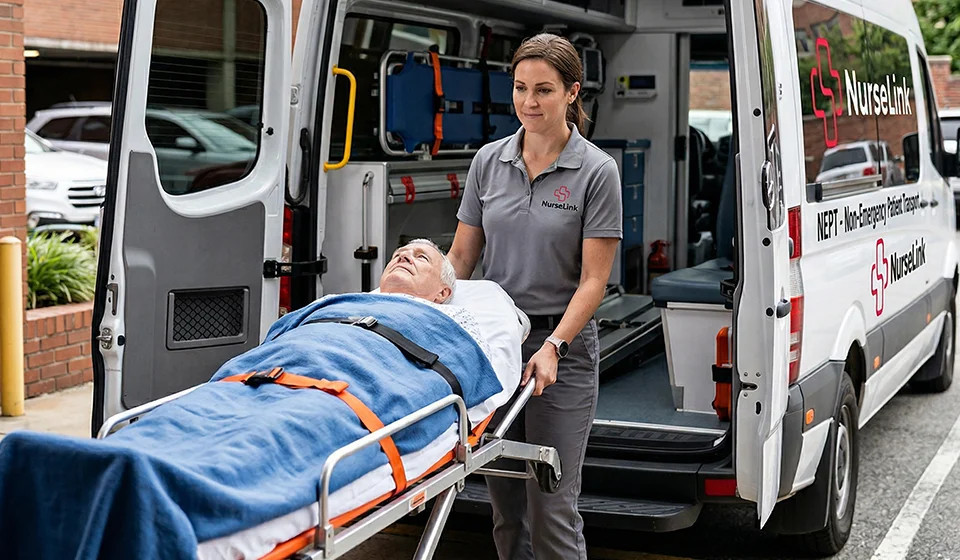
Non-emergency patient transport (NEPT) refers to the planned and medically supported movement of patients who require assistance travelling to or from healthcare facilities but do not need urgent ambulance care. Unlike emergency ambulance services that respond to life threatening situations, NEPT services are designed for individuals who are medically stable yet still require supervision, specialised vehicles, or trained support during transit. Standards and regulations exist in the NEPT sector to ensure that patient safety, comfort, and clinical oversight are consistently maintained throughout the transport process. This guide is written for patients, families, carers, and healthcare coordinators who want to understand how professional transport providers operate and what safeguards are in place to protect patients during non-emergency transfers. Key Standards & Regulations Governing NEPT Across Australia, non-emergency patient transport services operate within a structured regulatory framework designed to ensure safe and consistent care during patient transfers. These standards outline how transport providers should manage vehicles, staff training, patient handling procedures, and clinical oversight. The aim of these frameworks is to protect patients who may be medically vulnerable while ensuring that transport services integrate smoothly with hospitals, community healthcare providers, and aged care facilities. State and territory health departments oversee the licensing, monitoring, and compliance of transport providers within their jurisdictions. Each region implements its own version of non-emergency patient transport regulations, which outline operational expectations, service capabilities, and safety responsibilities. Providers must also follow nationally recognised nept guidelines and adhere to established patient transfer safety guidelines to maintain accreditation and operate legally within the healthcare system. National healthcare frameworks establish the baseline operational expectations for NEPT services across Australia. State and territory health departments regulate licensing, operational standards, and service compliance. Providers must comply with non-emergency patient transport guidelines covering vehicle standards, equipment, and staff training. Accreditation bodies conduct audits and assessments to confirm that providers meet industry requirements. Organisations that fail to meet regulatory standards may face penalties, licence suspension, or operational restrictions. These governance systems ensure that patients receiving transport services experience consistent levels of safety and professionalism regardless of location. Types Of Non-Emergency Patient Transport Services Non-emergency patient transport services are designed to accommodate a wide range of patient needs, from individuals who can walk independently to those requiring advanced medical support during transit. Matching the correct type of transport service to a patient’s condition is essential for maintaining safety and comfort. Sedan transport is typically used for ambulatory patients who can walk with minimal assistance. These services are ideal for individuals attending routine medical appointments, follow-up consultations, or outpatient procedures. While these patients do not require intensive support, drivers are trained to assist with entry and exit from vehicles and ensure a safe journey. Wheelchair-accessible transport is suitable for patients who rely on mobility aids and require specialised vehicle access. These vehicles are fitted with ramps or lifts and securement systems that stabilise wheelchairs during travel. Proper securement and adherence to the rules for safe patient transfer are critical to preventing injury or discomfort. Stretcher transport services are designed for patients who must remain in a lying position during transit. This may include individuals recovering from surgery, experiencing significant mobility limitations, or requiring additional physical support. Stretcher vehicles are equipped with secure medical stretchers and safety restraints that allow patients to travel safely over longer distances. High acuity transport provides an additional level of clinical oversight for patients with complex medical needs. These transports may involve specialised monitoring equipment and staff with advanced training to ensure patient stability throughout the journey. Although the transport is categorised as non-emergency, these services are structured to respond quickly if a patient’s condition changes during travel. Selecting the appropriate transport type requires careful coordination between healthcare providers, families, and transport services. This decision ensures that the patient receives the appropriate level of support while maintaining safety throughout the journey. Qualifications & Training Required For NEPT Providers Professionals working within non-emergency patient transport services must meet specific certification and training requirements to safely support patients during transit. Patient transport officers are responsible not only for operating vehicles but also for monitoring patient wellbeing and assisting with mobility support. As a result, they must possess both practical transport skills and clinical awareness. Training standards across the sector emphasise patient safety, communication with healthcare professionals, and proper handling techniques for individuals with varying medical needs. Staff must also understand how to follow established patient transfer safety guidelines and maintain compliance with operational protocols during each stage of the transport process. Completion of recognised patient transport or healthcare support certifications. First aid and cardiopulmonary resuscitation training to respond to medical situations. Education in safe manual handling and mobility assistance techniques. Vehicle operation training specific to wheelchair, stretcher, and specialised transport vehicles. Background checks and patient safety screening to protect vulnerable individuals. In addition to initial training, transport professionals are expected to undertake ongoing professional development. Recertification ensures that staff remain updated on current healthcare practices, evolving safety protocols, and regulatory expectations across the NEPT sector. Patient Safety Protocols Every NEPT Service Must Follow Patient safety is the central focus of every non-emergency patient transport service. Before a journey begins, transport teams conduct a pre-transport assessment to understand the patient’s condition, mobility requirements, and any clinical considerations that may affect the transfer. This preparation helps determine the appropriate vehicle type, level of staff assistance, and equipment required for the trip. During the transport process, safe patient handling techniques are essential. Staff must carefully assist patients into vehicles and ensure that wheelchairs or stretchers are properly secured using approved restraint systems. Following established rules for safe patient transfer helps prevent accidents, injuries, or discomfort while travelling. Infection control also plays an important role in maintaining patient wellbeing. Vehicles and equipment are regularly sanitised, and staff follow hygiene protocols to minimise the risk of infection transmission. Communication between transport teams and healthcare facilities ensures that patient needs are clearly understood both before and after the transfer. Transport staff must also be prepared for unexpected situations. Even during
Getting To Dialysis: Patient Transport Options & What To Expect

For people living with kidney disease and receiving regular dialysis, attending scheduled treatment sessions is an important part of ongoing care. Dialysis appointments are often required several times each week, which means getting to and from the treatment centre needs to be reliable, safe and manageable over the long term. While much of the focus is naturally placed on the treatment itself, transport can be an overlooked part of the overall dialysis routine. Finding suitable transport to dialysis appointments can become challenging when a person experiences fatigue, reduced mobility or requires assistance getting in and out of a vehicle. Families and carers may also find it difficult to coordinate frequent journeys around work, family responsibilities and other commitments. Understanding available transport options can make planning easier and help reduce unnecessary stress. This guide explains different dialysis transportation options, what patients can expect from non-emergency transport services and practical steps for choosing and planning a journey that suits individual needs. Why Reliable Transport Matters For Dialysis Patients Dialysis treatment generally follows a regular schedule, and consistently attending appointments is important for receiving the prescribed care. Missing or delaying sessions may affect a person’s treatment routine and can contribute to health complications. For this reason, reliable transport is not simply a matter of convenience. It can be an important part of maintaining continuity of care. A dependable transport arrangement can also reduce the physical and emotional stress associated with frequent medical travel. Dialysis can leave some people feeling tired, particularly after treatment, making long or complicated journeys more difficult. Having a planned and appropriate transport service can provide greater reassurance for patients and families while helping ensure that appointments are reached on time. Types Of Patient Transport Options Available There is no single transport solution that works for every dialysis patient. The most appropriate option depends on mobility, medical requirements, distance, availability, cost and whether assistance is required during the journey. Understanding the main transport options can help patients and families compare services based on their individual circumstances. Non-Emergency Patient Transport (NEPT) Services Non-Emergency Patient Transport, commonly known as NEPT, is designed for scheduled, non-urgent medical journeys. It can be suitable for people who need assistance travelling to healthcare appointments but do not require an emergency ambulance. NEPT services may be particularly useful for regular dialysis travel because appointments are often predictable and recurring. Depending on the provider and the patient’s requirements, transport may include assistance with entering and exiting the vehicle, mobility support and safe travel arrangements. For people who need additional assistance, dialysis patient transport through a professional non-emergency service can provide a more structured alternative to relying entirely on family members or standard private transport. Wheelchair-Accessible Transport People who use wheelchairs or other mobility aids may require vehicles specifically designed to accommodate their equipment. Wheelchair-accessible vehicles can include ramps, lifts, securement systems and sufficient interior space to support safer travel. When arranging transport, it is important to explain the type and size of mobility equipment being used. A suitable vehicle should provide enough space and the appropriate equipment to transport the person comfortably and securely. Accessibility can vary between providers, so confirming vehicle features before booking can help prevent difficulties on the day of travel. Community & Volunteer Transport Programs Some communities offer transport programs operated by charities, community organisations or volunteer groups. These services may be available to eligible residents who need assistance attending medical appointments. Community transport can be useful for people who have limited access to private vehicles or public transport. Eligibility, booking procedures, service areas and availability can vary, so patients should check the specific requirements of the program before relying on it for regular dialysis appointments. Because dialysis appointments occur frequently, it is also important to establish whether the service can accommodate recurring bookings and the required schedule. Private & Rideshare Options Private vehicles, taxis and rideshare services may be suitable for patients who are independently mobile and do not require medical or mobility assistance during travel. These options can provide flexibility, particularly when appointments change or when a patient needs transport outside a standard service area. However, standard private transport may not be appropriate for someone who requires wheelchair access, assistance with mobility or additional support after treatment. Patients should consider their individual needs rather than choosing an option based solely on convenience or cost. What To Expect During Non-Emergency Patient Transport Understanding the transport process can make regular medical travel feel more predictable. While procedures vary between providers, most professional services follow a structured process from booking through to drop-off. Patients and families can ask questions about the process before making a recurring arrangement. Booking & Scheduling Process The first step is usually to provide information about the dialysis appointment, including the treatment centre, date, appointment time, pickup location and any return journey requirements. The transport provider may also ask about mobility, wheelchair use and other assistance requirements. For recurring dialysis, it can be helpful to discuss the full schedule in advance. The provider can then confirm whether the required transport times and frequency can be accommodated. Patients should also provide updated information if appointment times, locations or mobility needs change. Clear communication during booking can help reduce misunderstandings and make it easier for the provider to plan an appropriate vehicle and support arrangements. On The Day Of Transport Patients can generally expect the transport provider to arrive within the agreed pickup window. The exact process may vary depending on the service, location and individual requirements. Vehicles used for professional patient transport should be maintained appropriately and equipped according to the type of service provided. Drivers may assist passengers with entering and exiting the vehicle, depending on the level of support offered. Because dialysis appointments are time-sensitive, punctuality is particularly important. Patients should allow enough preparation time before pickup rather than waiting until the last minute. Support During The Journey The level of support provided depends on the transport service and the patient’s individual requirements. Assistance may include support with mobility,
Complete Guide To Certificate III In Non-Emergency Patient Transport

The Certificate III in Non-Emergency Patient Transport is a practical and career-focused qualification designed for individuals who want to support patients safely during transport within the healthcare system. As demand for patient-centred care continues to grow across Australia, this course provides a clear pathway into a meaningful and stable healthcare role. Overview Of Non-Emergency Patient Transport In Healthcare Non-emergency patient transport plays a vital role in the healthcare system by ensuring patients can travel safely between locations such as hospitals, aged care facilities, and their homes. These services are essential for individuals who require medical supervision but do not need urgent or emergency care. With an ageing population and increasing demand for healthcare services, there is a growing need for trained professionals in this field. Completing a non-emergency patient transport course equips individuals with the knowledge and practical skills required to deliver safe, respectful, and efficient patient care during transit. Supports safe transport of patients who do not require emergency intervention. Growing demand for qualified transport professionals across Australia. Ensures patient comfort, dignity, and safety during transfers. Requires specialised training and nationally recognised certification. Provides a clear pathway into the healthcare and community services sector. What Is Certificate III In Non-Emergency Patient Transport? The Certificate 3 in Non-Emergency Patient Transport is a nationally recognised qualification designed to prepare individuals for roles in patient transport services. It focuses on equipping learners with the skills needed to safely move patients while providing appropriate care and support throughout the journey. This qualification is highly relevant within the Australian healthcare system and aligns with industry standards. It prepares individuals to work in a variety of settings, including hospitals, private transport services, and community care environments. Provides foundational knowledge for patient transport roles. Recognised across Australia within the healthcare sector. Covers both theoretical knowledge and practical skills. Focuses on patient safety, communication, and care. Serves as an entry point into broader healthcare careers. Who Can Apply & What Are The Requirements? This qualification is generally open to individuals who have a strong interest in healthcare and patient support. While formal prerequisites may vary depending on the training provider, most courses are accessible to those with a basic level of education and a willingness to learn. Applicants are typically expected to demonstrate good communication skills, a caring attitude, and the ability to work in a team environment. These qualities are essential when supporting patients in a transport setting where comfort and reassurance are important. In addition to general entry requirements, there are often specific compliance and safety requirements. These may include holding a valid First Aid or CPR certification, meeting physical fitness standards, and completing background checks such as a police clearance. Vaccination requirements may also apply, particularly when working in clinical or aged care environments. What Will You Learn During The Course? The Cert 3 patient transport course covers a range of essential topics that prepare students for real-world healthcare environments. The curriculum is designed to balance theoretical learning with practical application, ensuring graduates are job ready. Students gain hands-on experience in patient handling, safety procedures, and communication techniques. These skills are critical for ensuring patients are transported safely and treated with dignity throughout their journey. Key learning areas typically include patient assessment, infection control, manual handling techniques, and effective communication. Practical training and work placement components allow students to apply their knowledge in real healthcare settings, building confidence and competence. How Long Does The Course Take & How Is It Delivered? The duration of the course can vary depending on the training provider and study mode. On average, it may take several months to complete, with options available for both full-time and part-time learners. Many providers offer flexible delivery methods to accommodate different schedules. This may include a combination of online learning and in-person practical training, allowing students to balance study with other commitments. Typical duration ranges from a few months to one year. Flexible study options including full-time and part-time formats. Blended learning with online theory and practical sessions. Work placement or practical hours required for completion. Completion time may vary based on individual pace and availability. What Skills Do You Need To Succeed In This Role? Working in patient transport requires a combination of technical ability and interpersonal skills. Professionals in this field must be able to communicate effectively with patients, families, and healthcare teams while maintaining a calm and supportive presence. The role can be physically demanding, requiring strength, stamina, and attention to safety procedures. At the same time, empathy and patience are essential when working with individuals who may be vulnerable or anxious. Strong communication and interpersonal skills. Ability to remain calm and composed under pressure. Physical fitness and ability to handle manual tasks safely. Attention to detail and commitment to patient safety. Empathy and a patient-focused approach to care. What Jobs Can You Get After Completing The Course? Graduates of this qualification can pursue a range of roles within the healthcare and community services sectors. One of the most common positions is a Patient Transport Officer, where individuals assist in moving patients between locations while providing basic care and support. Employment opportunities exist in hospitals, private transport companies, aged care facilities, and community healthcare services. These roles are essential in ensuring continuity of care and supporting the broader healthcare system. There is also potential for career progression. With further study and experience, individuals may move into advanced healthcare roles or specialised areas within patient care. Job demand for trained professionals remains strong across Australia, making this a reliable and rewarding career path. Final Thoughts The Certificate III in Non-Emergency Patient Transport offers a practical and accessible pathway into the healthcare industry. It provides the skills and knowledge needed to support patients safely and professionally, while also opening doors to long-term career opportunities. For those considering a career in healthcare, this qualification is a valuable starting point. By choosing the right training provider and committing to quality learning, aspiring professionals can build a rewarding career focused on care, safety,