
Infection Control In Patient Transport Services

Infection control is a fundamental component of safe and effective healthcare delivery, particularly during patient transport where risks can easily be overlooked. Maintaining strict hygiene during the movement of patients between facilities is essential, as confined environments increase the likelihood of infection transmission. Whether in ambulances or non-emergency transport vehicles, these settings require careful management to protect both patients and healthcare professionals. This makes infection control highly relevant for healthcare providers, transport staff, patients, and caregivers involved in every stage of the transfer process. What Is Infection Control In Patient Transport Services? In a healthcare transport context, infection control refers to the set of practices and procedures designed to prevent the spread of infectious agents during patient transfer. Effective infection control in patient transport ensures that both patients and staff are protected from potential exposure to harmful pathogens while maintaining continuity of care. The primary goal is to minimise the risk of transmission through consistent application of preventive measures. This includes following recognised infection control guidelines and maintaining strict adherence to hygiene and safety protocols throughout the transport process. Preventing transmission of infectious agents during patient transfer. Use of standard precautions such as hand hygiene, personal protective equipment, and cleaning. Application of transmission-based precautions including contact, droplet, and airborne measures. Protecting both patients and healthcare workers from infection exposure. Ensuring consistency in protocols across all patient transport scenarios. These measures form the foundation of safe transport practices and are essential in maintaining overall healthcare quality and safety. Common Infection Risks During Patient Transport Patient transport environments present unique challenges when it comes to infection control. The close proximity between patients and transport staff increases the likelihood of exposure, particularly in enclosed spaces where ventilation may be limited. This makes it easier for infections to spread if appropriate precautions are not followed. Cross-contamination is another significant risk. Surfaces such as stretchers, door handles, and seating areas can harbour infectious agents if not properly cleaned between transfers. Inadequate cleaning protocols can lead to the transmission of pathogens from one patient to another, especially in high-use transport vehicles. Exposure to bodily fluids or respiratory droplets further increases the risk, particularly when transporting patients with infectious conditions. Poor hand hygiene practices can exacerbate this issue, as hands are one of the most common vectors for spreading infections. Additionally, the movement of patients between healthcare facilities can contribute to the spread of infections across different environments. Vulnerable groups, including older adults and individuals with compromised immune systems, are particularly at risk during transport. For these patients, even minor lapses in hygiene or protocol can have serious consequences, highlighting the importance of maintaining strict healthcare transport hygiene standards at all times. Key Infection Control Measures & Best Practices Implementing effective infection control strategies requires a proactive and systematic approach. Healthcare providers and transport staff must consistently follow established protocols to minimise risks and ensure patient safety. This involves careful planning, attention to detail, and clear communication among all involved parties. Adopting best practices not only reduces the likelihood of infection but also builds trust and confidence in patient transport services. A well-structured approach ensures that all aspects of infection prevention are addressed before, during, and after each transfer. Adherence to standard infection prevention protocols. Conducting pre-transport risk assessments based on patient condition and infection status. Using appropriate personal protective equipment based on risk levels. Maintaining proper hand hygiene before, during, and after transport. Ensuring safe handling and disposal of medical waste. Minimising unnecessary contact and exposure during transfers. Communicating clearly between healthcare teams and transport staff. Maintaining accurate documentation of infection risks and procedures. Regularly reviewing and updating infection control practices. Promoting a culture of accountability and safety within healthcare teams. These measures help create a structured and reliable approach to infection prevention, ensuring that patient transport remains safe and efficient. Role of PPE & Hygiene Practices In Patient Transport Personal protective equipment plays a critical role in preventing the spread of infections during patient transport. Items such as gloves, masks, gowns, and eye protection act as barriers that reduce exposure to infectious agents. However, the effectiveness of PPE depends on proper usage, including correct selection, fitting, and disposal. Understanding when and how to use PPE is essential for maintaining safety. Transport staff must be trained in donning and doffing procedures to prevent contamination. Incorrect handling of PPE can increase the risk of exposure rather than reduce it, making training and awareness vital components of infection control. Hand hygiene remains one of the most effective measures in preventing infection. Regular handwashing or the use of alcohol-based sanitisers significantly reduces the spread of pathogens. This practice is especially important before and after patient contact, as well as after handling equipment or surfaces. Maintaining hygiene becomes even more critical during long-distance or multiple patient transfers. Consistent adherence to hygiene protocols ensures that both patients and staff remain protected throughout the journey, reinforcing the importance of vigilance in every aspect of transport care. Cleaning, Disinfection & Equipment Safety Standards Cleaning and disinfection are essential components of infection control in patient transport services. Vehicles must be thoroughly cleaned after each use to eliminate any potential contaminants. High-touch surfaces, including door handles, stretchers, and seating areas, require particular attention as they are more likely to harbour pathogens. Using approved disinfectants and following established cleaning procedures ensures that all surfaces and equipment are properly sanitised. This process not only protects patients but also safeguards healthcare workers who interact with these environments. Cleaning transport vehicles after each patient transfer. Disinfecting high-touch surfaces such as handles, stretchers, and seats. Using approved disinfectants and cleaning agents. Ensuring proper cleaning of reusable medical equipment. Implementing safe storage, handling, and waste management procedures. Regular audits and quality checks play a key role in maintaining high standards. These measures help ensure compliance with protocols and identify areas for improvement, contributing to safer healthcare practices. Compliance, Training, & Safety Guidelines In Australia In Australia, infection control practices are guided by national healthcare standards and organisational policies. These
A Family Carer’s Guide To Non-Emergency Medical Transport

Non-emergency medical transport (NEMT) refers to planned and assisted travel for individuals who need help getting to medical appointments but do not require urgent or emergency care. Unlike ambulance services, NEMT focuses on safe, scheduled transport for routine healthcare visits, treatments, and community-based support. It is commonly used by older adults, people living with disability, or those recovering from illness or surgery who may not be able to travel independently. As part of a broader caregiver guide to NEPT, these services play an essential role in maintaining regular access to healthcare and ensuring that ongoing care plans are followed consistently and safely. Why Transport Can Be A Challenge For Family Carers For many families, transportation is one of the less visible but most demanding aspects of caregiving. While supporting a loved one’s health needs is a priority, coordinating regular travel to and from appointments can quickly become overwhelming. This is especially true when carers are balancing work, family commitments, and other responsibilities alongside their caregiving role. The logistical side of transport is only one part of the challenge. There is also the emotional weight of ensuring safety, punctuality, and comfort during every journey. Over time, these pressures can impact both the carer’s wellbeing and the quality of care being provided. Understanding these challenges is an important step in recognising the value of external support services. Managing multiple responsibilities while coordinating transport schedules. Physical strain involved in assisting with mobility and transfers. Time pressures due to frequent or ongoing medical appointments. Emotional stress around ensuring safety and timely arrivals. Limited access to accessible or suitable transport options. When Is It The Right Time To Use NEMT? Deciding when to use non-emergency medical transport often comes down to recognising changes in a person’s ability to travel safely and comfortably. While many individuals may initially manage with family support or public transport, there can come a point where these options are no longer practical or safe. Mobility challenges are a common reason to consider NEMT. Conditions that affect balance, strength, or endurance can make even short journeys difficult. In such cases, having trained support during transport ensures both safety and peace of mind for carers and clients alike. Frequent medical appointments can also make independent travel difficult to sustain. Whether it is ongoing treatments, therapy sessions, or routine check-ups, consistency is key to maintaining health. Additionally, during recovery periods following surgery or illness, individuals may require temporary but essential support to attend appointments without added strain. Exploring The Different Transport Options Available There are several transport options available depending on individual needs, preferences, and levels of support required. Understanding these options allows carers to make informed decisions that prioritise safety, comfort, and reliability. Public transport may be suitable for individuals with a higher level of independence, while private or specialised services offer more tailored support. For those with mobility challenges, wheelchair-accessible vehicles and assisted transport services provide a safer and more comfortable alternative. Public transport for those who can travel independently with minimal support. Private transport services offering door-to-door convenience. Specialised medical transport with trained staff and equipment. Wheelchair-accessible vehicles designed for mobility support. Community and government-supported transport programs for eligible individuals. Making Bookings Without The Stress Organising transport does not have to be complicated, but it does require a structured approach. Planning ahead is one of the most effective ways to reduce stress and ensure that appointments are attended without disruption. Scheduling transport in advance allows for better coordination and minimises last-minute challenges. Keeping essential information readily available can also make the booking process smoother. Details such as appointment times, medical requirements, and mobility needs should be clearly communicated to the service provider. For many carers, using simple tools like calendars or reminders can help manage multiple bookings more efficiently. This also supports caregiver responsibilities in patient transportation by ensuring that nothing is overlooked. Understanding Costs & Support Available The cost of non-emergency medical transport can vary depending on the level of support required, distance travelled, and service provider, but there are several funding and support options available to ease the financial burden. Costs may include base fees, distance charges, and additional support services. Funding options such as NDIS or local community programs may be available. Eligibility depends on individual circumstances and care needs. Financial assistance can often be accessed through government or support organisations. Planning transport within a care budget helps maintain consistency and access. Finding A Service You Can Trust & Rely On Choosing the right transport provider is an important decision that directly impacts safety, comfort, and overall care quality. A reliable service should offer trained staff, clear communication, and a strong commitment to punctuality and client wellbeing. It is also important to look for providers who understand individual care needs and can adapt their services accordingly. Over time, building a relationship with a trusted provider creates consistency and peace of mind, allowing both carers and individuals to focus on health and wellbeing rather than the stress of travel arrangements. Latest Post
Key Benefits Of Professional Patient Transport Services

Professional patient transport plays a vital role in helping individuals travel safely and comfortably to healthcare facilities across Australia. These services support patients who may have mobility challenges, ongoing medical conditions or limited access to reliable transport. From routine appointments to hospital admissions and discharges, professional patient transport ensures individuals can access care without unnecessary stress or risk. The quality of transport directly influences the overall patient experience. Safe vehicles, trained staff and reliable scheduling all contribute to a journey that supports dignity, comfort and confidence. Many different groups rely on these services including older adults, people living with disabilities, patients recovering from surgery and individuals managing chronic illness. This blog is written for patients, families, carers and healthcare coordinators who want to better understand the benefits of patient transport services and why professional support makes a meaningful difference in the healthcare journey. How Patient Transport Affects The Overall Care Experience Access to healthcare depends on more than medical expertise. Reliable transport is often the first step in ensuring patients can attend appointments, treatments and follow up consultations. When transport is dependable, patients are more likely to maintain consistent care, which can lead to improved clinical outcomes and better health management over time. The experience of travelling to a medical appointment also has a significant psychological impact. Patients who feel supported and comfortable during transport often arrive calmer and better prepared for consultations. In contrast, stressful or unreliable travel arrangements can increase anxiety and create unnecessary barriers to care. The role of patient transport extends beyond simply moving someone from one location to another. It contributes to the overall continuity of care and supports healthcare teams in maintaining efficient treatment schedules. Reliable transport ensures patients attend important medical appointments without disruption. Comfortable travel helps reduce anxiety before hospital visits or treatments. Missed or delayed transport can interrupt treatment schedules and recovery plans. Professional services coordinate with healthcare providers to support continuity of care. Patients often experience greater comfort and reassurance when transported by trained professionals rather than informal arrangements. The Difference Proper Training Makes In Patient Transport Professional patient transport requires specialised knowledge and skills. While driving a vehicle may seem straightforward, transporting individuals with health needs involves careful planning, awareness and clinical sensitivity. Without appropriate training, transport staff may unintentionally place patients at risk or fail to respond effectively to unexpected situations. Qualified transport personnel receive training that equips them to manage patient mobility needs, communicate respectfully and respond appropriately during the journey. This level of preparation strengthens the importance of patient transport as an essential support service within the broader healthcare system. Well trained staff contribute to both safety and dignity during transport. They understand how to assist patients who may feel vulnerable or anxious and are prepared to manage a range of circumstances that can arise while travelling to or from healthcare facilities. Untrained transport staff may increase safety risks during transfers or vehicle entry. Professional officers understand patient handling techniques that protect both staff and passengers. Training prepares staff to recognise and respond to changes in a patient’s condition. Communication skills training supports respectful and reassuring interactions with patients. Ongoing professional development ensures transport staff remain competent and informed about best practice. Why Punctuality Is Critical In Non-Emergency Patient Transport Timely transport is essential for maintaining effective healthcare delivery. Many medical appointments, treatments and hospital procedures operate on strict schedules. When transport services run late or fail to arrive, patients may miss appointments or experience delays that affect their treatment plan. Reliable scheduling also supports healthcare facilities in managing patient flow. Hospitals and clinics depend on coordinated transport to ensure patients arrive and depart at the right time. The importance of patient transport becomes particularly clear when delays disrupt discharge planning or create unnecessary pressure on clinical resources. Late transport can lead to missed appointments and delayed medical care. Hospital discharge planning often relies on punctual transport arrangements. Unreliable scheduling creates stress for both patients and their families. Professional providers use structured scheduling systems and route planning tools. Consistent punctuality reflects a provider’s commitment to professionalism and patient care. Supporting Patients Who Can’t Rely On Family Or Public Transport Not every patient has access to a dependable support network. Many individuals live alone, have limited mobility or cannot rely on family members to assist with regular travel to medical appointments. In these situations, professional patient transport services provide a practical and reliable solution that helps patients maintain their independence while accessing necessary healthcare. Public transport can also present challenges for individuals with health conditions or mobility limitations. Crowded environments, limited accessibility and unpredictable schedules may create barriers that make travelling to medical facilities difficult or unsafe. Professional transport services address these challenges by offering vehicles designed for patient comfort and support. These services also relieve pressure on family carers who may otherwise be responsible for coordinating and managing transport. By providing a dependable option, professional transport providers help patients attend appointments with confidence and dignity. Government support programs can further assist individuals in accessing these services. Funding options through NDIS, aged care packages and other healthcare programs may contribute to the cost of transport, allowing more patients to benefit from safe and reliable travel. What Families Should Know Before Arranging Patient Transport Arranging patient transport can feel overwhelming for families who are navigating healthcare needs for the first time. Understanding the available options and choosing a reputable provider can make a significant difference in the safety and comfort of the journey. Taking time to evaluate providers carefully helps ensure the patient receives appropriate care during transport. Families should also communicate clearly with transport providers about the patient’s needs before the journey. Sharing accurate information allows staff to prepare the right vehicle, equipment and support to ensure the trip runs smoothly. Understand the different transport types such as wheelchair, stretcher or seated transport. Choose the option that best matches the patient’s mobility and medical requirements. Ask providers about their staff training and experience with patient care.
What Happens During A Non-Emergency Transport Booking Call?

Booking non-emergency patient transport (NEPT) is often the first step in organising safe, reliable travel to and from medical appointments, treatments, or hospital discharge. The call itself is straightforward and confidential, and it is designed purely to make sure the patient receives transport suited to their medical and mobility needs. Knowing what to expect during a NEPT booking call, and what information is typically requested, can help patients and carers feel prepared and confident before making that first phone call. Why A Non-Emergency Transport Booking Call Matters A NEPT booking call is far more than arranging a pickup time. It is the point where the transport provider gathers the details needed to match each patient with the right vehicle, equipment, and level of care for their journey. This is what makes the non-emergency patient transport booking process so important, as it directly affects patient safety, comfort, and how smoothly the day unfolds. Ensuring The Right Level Of Transport Support Every patient has different needs. Someone recovering from surgery may require a stretcher, while another patient might simply need a wheelchair accessible vehicle or a bit of extra assistance getting in and out of the car. Medical conditions, mobility limitations, and the nature of the appointment all influence what type of support is arranged. The booking call allows the transport team to understand these factors upfront, rather than trying to work them out on the day. Reducing Delays On The Day Of Travel Accurate information gathered during the call helps prevent last minute complications. When pickup addresses, appointment times, and mobility requirements are confirmed in advance, the transport team can plan routes and allocate the right vehicle without unnecessary back and forth. This reduces the chance of delays and helps the entire journey run smoothly, from pickup to arrival. What Information Will You Be Asked During The Booking Call? Understanding the typical patient transport booking checklist can make the call feel far less daunting. Each question asked serves a specific purpose in planning a safe and appropriate journey. Patient & Contact Details You will usually be asked for the patient’s full name, age, and contact information, along with an emergency contact. This ensures the transport provider has accurate identification details and someone to reach if plans need to change. Pickup & Appointment Information The team will also confirm the pickup address, destination, and appointment time. If return transport is needed, this is arranged during the same call, so patients are not left organising a separate booking after their appointment. Medical & Mobility Requirements This is one of the more detailed parts of the call. You may be asked whether the patient uses a wheelchair, needs walking assistance, requires oxygen, or has bariatric needs. Any relevant medical conditions that could affect transport, such as recent surgery or fall risk, are also discussed. These NEPT booking requirements exist to ensure the right vehicle and support are arranged from the outset. How Your Transport Needs Are Assessed Once the necessary information has been collected, the booking team assesses it to determine the most suitable transport option for the patient. This step is about more than logistics, it is about providing safe and comfortable care throughout the entire journey. Choosing The Appropriate Vehicle Depending on the patient’s needs, this could mean a standard NEPT vehicle, a wheelchair accessible vehicle, or dedicated stretcher transport. The goal is always to match the vehicle type with the patient’s physical condition and comfort requirements. Determining The Level Of Clinical Support In some cases, a patient may need more than just transport. Qualified patient transport staff or additional clinical assistance may be arranged if the patient requires monitoring, help with mobility, or support managing a medical condition during the trip. This assessment ensures the right level of care travels with the patient, not just the right vehicle. What Happens After Your Booking Is Confirmed? Once all the details have been gathered and reviewed, the booking is finalised, and patients or carers can expect a clear summary of the arrangement before the transport date arrives. Receiving Your Booking Confirmation You will typically receive confirmation of the pickup time, destination, and any specific transport arrangements that have been made. This gives patients and carers peace of mind that everything is in place well ahead of the appointment. Preparing For The Day Of Transport In the lead up to the transport date, it helps to have key documents ready, such as identification, referral letters, or hospital paperwork. Medications, mobility aids, and any items needed for the appointment should also be prepared in advance. Arriving a few minutes early for pickup can help the day run without unnecessary stress. Tips To Make Your Non-Emergency Transport Booking Faster A little preparation before the call can make the entire process quicker and more efficient for everyone involved. Keep Essential Information Ready Having appointment details, addresses, Medicare or hospital information, and mobility requirements on hand before you call can significantly speed up the booking process. It also reduces the chance of details being missed or needing a follow up call. Mention Any Changes As Soon As Possible If an appointment time changes, is cancelled, or the patient’s condition changes before the transport date, letting the provider know as early as possible helps them adjust the booking accordingly. This keeps the transport arrangement accurate and avoids confusion on the day. Final Thoughts A non-emergency transport booking call plays a key role in making sure patients receive safe, appropriate, and comfortable transport to and from their appointments. While it may seem like a simple phone call, the information gathered helps match each patient with the right vehicle, equipment, and level of support for their specific needs. Patients and carers should feel free to ask questions during the call and provide accurate, detailed information, as this helps ensure the best possible experience from booking through to arrival. Latest Post
Common Types of Patient Transport Services

Patient transport services play a vital role in helping individuals access healthcare safely when travelling independently is not possible. Different types of patient transport exist because patients have varying medical, mobility and comfort needs during travel. Choosing the right transport option can significantly affect patient safety, wellbeing and the overall healthcare experience. Across Australia, many individuals rely on professional transport services to attend hospital appointments, rehabilitation sessions, specialist consultations and ongoing treatments. Understanding the different patient transport types helps patients, families and healthcare professionals select the most appropriate service. This guide is designed for patients, carers, healthcare coordinators and NDIS participants who want to learn more about the available healthcare transport options and how each service supports different patient needs. High Acuity Transport (HAT) High Acuity Transport is designed for patients who require a higher level of clinical support during travel. This type of service sits between non-emergency patient transport and emergency ambulance services. While the patient may not be experiencing an immediate emergency, their condition requires clinical monitoring and specialised care during the journey. High acuity transport is often used when a patient’s condition is stable but complex enough to require trained clinical staff and advanced equipment. Patients who require high acuity transport may include those with complex medical conditions, individuals who need ongoing clinical observation or patients being transferred between healthcare facilities for specialised treatment. These journeys may involve monitoring vital signs, managing medical devices or providing clinical intervention if the patient’s condition changes during travel. High acuity transport vehicles are equipped with specialised medical equipment designed to support complex patient needs. This may include monitoring equipment, oxygen support systems and other clinical tools that allow healthcare professionals to manage patient safety throughout the journey. Staff working in high acuity transport roles are typically highly trained professionals with clinical backgrounds. Their expertise allows them to assess patient conditions, respond to medical concerns and maintain a safe environment during the transfer process. Healthcare teams may recommend this service when a patient’s condition requires closer supervision than standard transport can provide. In these cases, high acuity transport ensures continuity of care while safely moving the patient between facilities. Sedan Transport Sedan transport is one of the most commonly used patient transport types and is designed for patients who are ambulatory. In a healthcare context, ambulatory means that the patient can walk independently or with minimal assistance. These individuals may not require specialised equipment but still benefit from a reliable and supportive transport service. Sedan transport is often used for routine healthcare appointments such as medical consultations, diagnostic tests or outpatient treatments. Patients may include elderly individuals who prefer assistance during travel, people attending follow-up appointments after treatment or those who simply require dependable transport to and from healthcare facilities. Although sedan transport does not involve specialised medical equipment, professional drivers and support staff still play an important role in ensuring a comfortable journey. Staff may assist patients when entering or exiting the vehicle and help coordinate travel with healthcare facilities to ensure appointments are attended on time. Sedan transport services provide an accessible option for many individuals who need assistance travelling but do not require wheelchair or stretcher support. However, this option is not suitable for patients with complex mobility challenges or medical needs that require monitoring during travel. For patients and families, a professional sedan transport experience typically involves scheduled pickups, courteous assistance and safe travel conditions that prioritise comfort and reliability. Wheelchair Transport Wheelchair transport is specifically designed for individuals who rely on wheelchairs for mobility and cannot easily transfer into standard vehicle seating. These services accommodate a wide range of wheelchair types, including manual wheelchairs, powered mobility chairs and specialised seating systems such as tilt-in-space wheelchairs. Vehicles used for wheelchair transport are modified with accessibility features that allow wheelchair users to enter and exit safely. Ramps or hydraulic lifts are commonly installed to assist with boarding, while securement systems stabilise the wheelchair during travel. Passenger safety is a central focus of wheelchair transport. Securement systems are used to anchor the wheelchair to the vehicle floor, preventing movement during the journey. Additional safety restraints ensure that the passenger remains comfortable and stable throughout the trip. Transport staff assist wheelchair users with boarding, positioning and safe disembarkation at the destination. Their role also involves ensuring that the wheelchair is correctly secured and that the passenger is comfortable before the vehicle begins moving. Wheelchair transport is commonly used by individuals living with physical disabilities, elderly patients with limited mobility or people recovering from injuries or surgeries that affect movement. These services provide an essential link between patients and healthcare providers, ensuring safe access to medical care. Low And Medium Stretcher Transport Stretcher transport is used when patients are unable to sit upright during travel and must remain lying down throughout the journey. This type of service is commonly required for individuals recovering from surgery, patients with significant mobility limitations or those experiencing medical conditions that prevent sitting for extended periods. Low and medium-acuity stretcher transport services are typically used when patients require physical support but do not need advanced clinical monitoring. The difference between low and medium acuity transport generally relates to the level of observation and care provided during the journey. Stretcher transport vehicles are specially designed to accommodate stretchers securely while maintaining patient comfort. The vehicles provide adequate space for safe positioning and may include additional equipment to support patient stability during travel. Transport staff are responsible for assisting patients onto the stretcher, securing the equipment inside the vehicle and ensuring the passenger remains comfortable throughout the journey. Monitoring the patient’s condition and adjusting positioning when necessary are also important aspects of the role. Although stretcher transport provides a higher level of physical support than wheelchair transport, it typically does not include the advanced clinical monitoring associated with high acuity transport services. In some situations, a patient’s condition may change over time and require a transition from stretcher transport to a higher level of medical supervision. How
How Vehicles Are Cleaned & Maintained Between Patient Transfers

When someone is being transported for medical care, whether that’s a routine appointment, a hospital transfer, or a trip home after treatment, the last thing they should have to think about is whether the vehicle they’re travelling in is clean and safe. In non-emergency patient transport (NEPT), vehicle hygiene isn’t an afterthought, it’s a core part of delivering safe, professional care. Every patient deserves to travel in an environment that’s been properly cleaned and prepared, particularly given how many of these patients are unwell, immunocompromised, or otherwise vulnerable. That’s why vehicles are thoroughly cleaned and sanitised between transfers, reducing infection risks and maintaining consistently high care standards. In this article, we’ll look at why this process matters so much, walk through what actually happens between transfers, and explain the infection control standards that underpin it all. Why Vehicle Cleaning Matters In Patient Transport Every time a patient is transported, there’s a real risk of cross-contamination if a vehicle isn’t properly cleaned before the next transfer. Surfaces like seat belts, grab rails, and stretchers can carry bacteria or viruses from one patient to the next if they aren’t disinfected correctly, and for many NEPT patients, this risk is far from theoretical. Many are elderly, recovering from surgery, managing chronic illness, or otherwise more susceptible to infection, which means a clean and sanitised environment isn’t just a nice touch, it’s essential to their safety. Beyond the direct health implications, thorough vehicle cleaning plays a broader role in the overall quality of care being delivered. It supports infection prevention, protects patient safety, and reflects the standard that a genuinely professional transport service should be held to. It also matters for trust. When patients and families can see that a vehicle is spotless and well cared for, it builds confidence that the same level of care and attention is being applied across every part of the service. The Step-By-Step Cleaning Process Between Transfers Cleaning a patient transport vehicle isn’t a quick wipe-down, it follows a structured process designed to leave the vehicle genuinely ready for the next patient. Cleaning & Disinfecting the Vehicle The process starts with safely disposing of any clinical waste and single-use items left over from the previous transfer. From there, attention turns to high-touch surfaces such as door handles, seat belts, grab rails, stretchers, and wheelchairs, all of which are cleaned using healthcare-grade disinfectants suited to the surface being treated. This isn’t a random process either; staff follow a specific cleaning sequence and observe recommended disinfectant contact times, since a disinfectant needs to sit on a surface for a set period to actually be effective. Preparing The Vehicle For The Next Patient Once cleaning is complete, the vehicle is prepared for its next job. This involves inspecting equipment to confirm it’s both clean and functioning correctly, restocking PPE and essential medical supplies so nothing is missing mid-transfer, and carrying out a final patient transport vehicle check to confirm everything is safe, complete, and ready to go. Only once this check is finished is the vehicle considered ready for the next patient. Infection Control & Hygiene Standards Followed Vehicle cleaning doesn’t happen in isolation, it’s backed by broader infection control procedures that guide how staff operate throughout the entire transport process. Hand hygiene before and after patient contact is a fundamental part of this, helping reduce the risk of transferring bacteria or viruses between patients or surfaces. Where required, staff also use appropriate PPE, applied correctly and consistently, to add another layer of protection for both patients and crew. These standards aren’t left to individual judgement. Staff receive ongoing training in infection control, cleaning protocols, and correct patient transport vehicle cleaning procedures, and this is reinforced through routine quality checks and compliance with recognised healthcare guidelines. The result is a system where hygiene isn’t dependent on any one person remembering to do the right thing, it’s built into how the service operates day to day. How This Protects Patients, Families & Staff Consistent vehicle cleaning has a direct impact on patient safety. By reducing the presence of harmful bacteria and viruses inside the vehicle, thorough cleaning lowers the risk of infection for patients who may already be dealing with compromised immune systems or existing health conditions. For families and carers, knowing that this level of care is being taken often brings real peace of mind, particularly when a loved one is being transported during an already stressful or uncertain time. This protection extends to staff as well. A clean, well-maintained vehicle creates a safer working environment for transport crews, reducing their own exposure to potential contamination while they carry out their role. When hygiene practices are applied consistently across every transfer, it lifts the overall standard of patient care being delivered, not just in terms of infection prevention, but in the broader sense of professionalism, reliability, and respect that patients and families should be able to expect. Key Takeaways Cleaning vehicles between patient transfers is a simple concept with a significant impact, helping prevent infection, protect vulnerable patients, and maintain consistently high standards of care. Strict infection control procedures, disciplined cleaning protocols, and regular hygiene checks all work together to keep this process reliable rather than left to chance. Ultimately, a well maintained vehicle means safer, more comfortable, and more dependable patient transport, giving patients, families, and healthcare providers real confidence in the service being provided. Latest Post
Who Qualifies For NEPT Services?
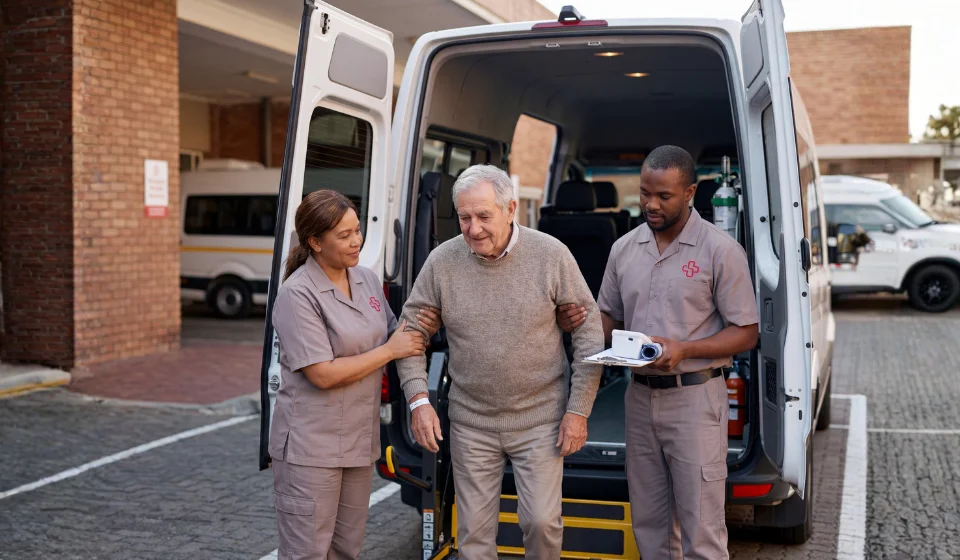
Non-emergency patient transport services play an important role in helping individuals safely travel to and from hospitals, medical appointments, rehabilitation centres, and healthcare facilities when standard transport is not suitable. Many patients living with mobility limitations, chronic illnesses, disabilities, or ongoing medical conditions require additional assistance and clinical support during transport. Understanding who qualifies for NEPT services can help patients, families, and caregivers access safer and more reliable healthcare transport solutions while improving continuity of care and overall healthcare access. What Are Non-Emergency Patient Transport (NEPT) Services? Non Emergency Patient Transport services are specialised medical transport solutions designed for individuals who require assistance travelling to healthcare appointments but do not need emergency ambulance care. These services support patients who may have mobility challenges, medical conditions, or healthcare needs that make travelling independently unsafe or difficult. Unlike emergency ambulance services, NEPT focuses on planned and scheduled medical transport rather than urgent or life threatening situations. Patients using NEPT may require wheelchairs, stretchers, oxygen support, mobility assistance, or supervision from trained healthcare professionals during transport. The goal is to ensure patients can safely attend medical appointments while remaining comfortable and medically supported throughout the journey. NEPT services provide planned medical transport for patients with non emergency healthcare needs. Services may include wheelchair transport, stretcher transport, mobility assistance, and clinical support. NEPT differs from emergency ambulance transport because it is designed for stable patients requiring scheduled healthcare travel. Trained transport staff and healthcare professionals help maintain patient comfort and safety during transfers. NEPT services are commonly used for hospital appointments, dialysis treatments, rehabilitation visits, specialist consultations, and aged care transfers. These services are especially important for patients who may otherwise miss essential medical appointments due to physical limitations or lack of appropriate transport support. Who Is Eligible for NEPT Services? Eligibility for Non Emergency Patient Transport is generally based on the patient’s medical condition, mobility limitations, and ability to travel safely using standard transport methods. The NEPT eligibility criteria are designed to identify patients who require additional assistance, supervision, or specialised equipment during medical transport. Many individuals who access NEPT services are unable to travel independently because of physical disabilities, chronic illnesses, frailty, post surgical recovery, or medical conditions that require monitoring or support during transport. Healthcare professionals may use NEPT assessment guidelines to evaluate a patient’s mobility, medical stability, support needs, and level of assistance required throughout the journey. Patients with limited mobility, disabilities, or medical conditions affecting safe travel may qualify for NEPT support. Individuals unable to use private vehicles, taxis, or public transport safely due to health related challenges may meet patient eligibility for medical transport requirements. Elderly individuals, rehabilitation patients, and people requiring mobility aids, oxygen therapy, or clinical supervision are among the common groups that may qualify for NEPT services. Eligibility assessments may also consider whether the patient requires assistance entering or exiting vehicles, supervision during transport, or specialised medical equipment to travel safely. Medical Conditions That May Require NEPT Support A wide range of medical conditions and healthcare situations may require access to Non Emergency Patient Transport services. Patients receiving regular medical treatments often depend on NEPT to safely attend appointments while avoiding unnecessary physical strain or health risks during travel. Individuals with chronic illnesses such as kidney disease, cancer, neurological disorders, cardiovascular conditions, or respiratory illnesses may require transport support due to fatigue, mobility limitations, or ongoing medical monitoring needs. Patients attending frequent dialysis sessions, chemotherapy appointments, rehabilitation programs, or specialist consultations commonly benefit from structured medical transport services. People recovering from surgery or injury may also require temporary NEPT support while regaining mobility and independence. In addition, patients living with disabilities or age related mobility decline often rely on NEPT services to maintain access to essential healthcare and community services. Respiratory conditions requiring oxygen therapy, mobility related conditions requiring wheelchair or stretcher transport, and elderly individuals with high dependency care needs are all examples of situations where NEPT support can improve patient safety and comfort during travel. These services help reduce the physical stress associated with transportation while ensuring patients receive appropriate support throughout the journey. How NEPT Services Support Patients & Caregivers Non-emergency patient transport services provide more than just transportation. They help patients and families feel supported, reassured, and connected to essential healthcare services through safe and reliable transport solutions. For caregivers and family members, arranging suitable medical transport can often be stressful and time consuming, particularly when patients require specialised assistance or ongoing supervision. NEPT services reduce this burden by providing trained professionals, specialised equipment, and structured healthcare transport planning. Providing safe and comfortable medical transport for patients with mobility or healthcare needs. Supporting timely access to appointments, treatments, rehabilitation programs, and healthcare facilities. Assisting patients during transfers, mobility challenges, and healthcare transitions while ensuring continuity of care throughout the journey. The reassurance of knowing patients are travelling with experienced healthcare transport staff can also reduce emotional stress for families and caregivers. Benefits Of Using Professional Non-Emergency Transport Services Professional NEPT providers offer several important advantages for patients who require additional support during medical travel. One of the biggest benefits is improved patient safety. Specialised vehicles, mobility equipment, and trained healthcare staff help minimise the risks associated with transferring patients between homes, hospitals, clinics, and aged care facilities. Patients also benefit from greater comfort and dignity during transport. Healthcare transport teams are trained to support individuals with varying mobility levels, medical conditions, and emotional needs while ensuring a compassionate and respectful experience throughout the journey. Another significant advantage is the reliability and coordination offered by professional transport services. Delays, missed appointments, or difficulties accessing healthcare can negatively impact patient outcomes, particularly for individuals requiring ongoing treatment. NEPT services help ensure patients arrive safely and on time for appointments, treatments, and procedures. Professional providers are also equipped to support patients with more complex healthcare needs through specialised transport vehicles, clinical supervision, and patient centred care approaches. This level of support can make healthcare more accessible for vulnerable individuals while improving continuity
What Makes A Patient Transport Vehicle Different From A Regular Vehicle?
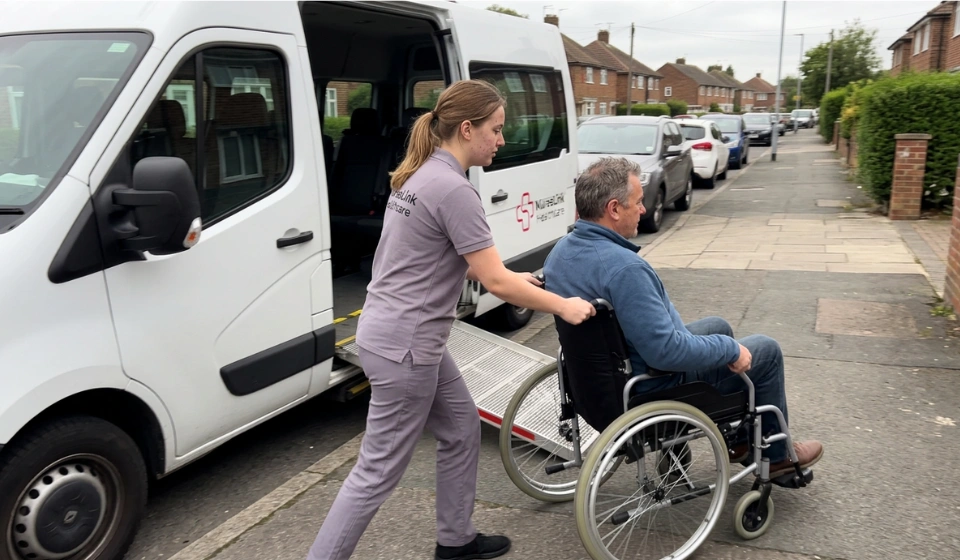
Getting to a medical appointment is not always as simple as travelling in a standard car. For some people, mobility limitations, disability, injury or reduced physical capacity can make getting into a vehicle, sitting safely or travelling for an extended period challenging. A suitable patient transport vehicle is designed to address these practical needs through greater accessibility, appropriate passenger space and safety features. The difference is not simply in the vehicle itself, but also in how the transport service supports passenger comfort, dignity and safe travel. In this article, we explore the key features of patient transport vehicles, who can benefit from them, how they differ from regular vehicles and what patients and families should consider when choosing a professional transport service. What Is A Patient Transport Vehicle? A patient transport vehicle is a vehicle specifically used to transport people who may have mobility, accessibility or other healthcare-related transport requirements. Unlike a conventional car, it can be equipped or configured to accommodate passengers who may need assistance getting into or out of the vehicle, travelling with a wheelchair or using other mobility equipment. Patient transport is generally associated with non-emergency journeys. This can include travelling to medical appointments, rehabilitation sessions, hospitals, clinics or other healthcare facilities when an emergency ambulance is not required. Depending on the passenger’s needs, the vehicle and service may provide: Wheelchair accessibility. Suitable seating and passenger positioning. Equipment to secure mobility devices. Additional space for mobility aids. Assistance with safe boarding and exiting. The exact vehicle capabilities and level of assistance available can vary between providers, so it is important to communicate individual requirements when arranging transport. How Is A Patient Transport Vehicle Different From A Regular Vehicle? Regular vehicles are primarily designed to transport passengers from one location to another. While many cars offer basic safety features and comfortable seating, they are not necessarily designed for people who have difficulty transferring from a wheelchair, require additional room or need mobility equipment during a journey. The patient transport vehicle design considers these requirements from the outset. Accessibility, passenger positioning, available space and appropriate restraint systems can all play a role. These differences can be particularly important for someone who cannot easily bend, stand or transfer into a conventional passenger seat. Accessibility & Mobility Features Accessibility is one of the most obvious differences between specialised patient transport and ordinary vehicles. Depending on the vehicle, accessibility features may include wheelchair access through a ramp or lift, allowing a passenger to enter without needing to transfer into a standard seat. Additional interior space can also make a significant difference. A suitable vehicle may allow a wheelchair or other mobility aid to be accommodated safely without creating unnecessary obstacles for the passenger or driver. Easier entry and exit are particularly valuable for people with reduced mobility. A suitable access arrangement can help minimise physical strain and make the journey less stressful for both the passenger and anyone assisting them. Passenger Safety & Comfort Safety involves more than simply wearing a seatbelt. Appropriate passenger positioning and secure wheelchair restraint systems are important when transporting someone who remains in their mobility device during a journey. A suitably designed vehicle can also provide enough room for safe transfers where a passenger needs to move from a wheelchair into a vehicle seat. Comfortable seating and appropriate interior space can make longer journeys more manageable, particularly for people attending regular appointments or treatment. What Features Are Commonly Found In Patient Transport Vehicles? The patient transport vehicle features available will depend on the type of vehicle, its intended use and the provider. Not every vehicle will have the same configuration, so passengers should confirm whether a particular vehicle can accommodate their individual needs before booking. Common features may include accessible entry points, ramps or lifts, wheelchair restraint systems and specialised seating arrangements. These features are designed to make boarding, travelling and exiting the vehicle safer and more practical for passengers who require additional assistance. The patient transport vehicle equipment may also include systems for securing wheelchairs and other mobility devices. Additional storage can be useful when passengers need to travel with walking frames, mobility aids or other essential equipment. Examples of features that may be available include: Wheelchair ramps or lifting mechanisms. Secure wheelchair restraint systems. Accessible entry and exit points. Supportive passenger seating. Additional interior space. Storage for mobility equipment where appropriate. The patient transport vehicle specifications can differ considerably between providers and vehicle types. Rather than focusing only on the appearance or size of a vehicle, patients should consider whether it can safely accommodate their specific mobility and accessibility requirements. Who Can Benefit From Patient Transport? Patient transport can be useful for people who cannot safely or comfortably use standard transport for healthcare-related journeys. This may include people with mobility limitations, physical disabilities, injuries or other circumstances that make conventional vehicle access difficult. Patients may use non-emergency transport to attend medical appointments, hospital visits, rehabilitation, therapy sessions or other healthcare services. Reliable transport can be particularly valuable for people who have regular appointments and need a practical way to travel without relying entirely on family or friends. It is important to distinguish non-emergency patient transport from emergency ambulance services. NEPT is intended for planned journeys where immediate emergency medical treatment or emergency response is not required. If someone is experiencing a medical emergency, emergency services should be contacted rather than arranging routine patient transport. How Does Patient Transport Improve Safety & Independence? Getting into and out of a conventional vehicle can be physically demanding for someone with limited mobility. A suitable patient transport vehicle can reduce some of these difficulties by providing appropriate access, additional space and equipment designed around the passenger’s needs. Safe transport also depends on more than the vehicle. Mobility equipment needs to be appropriately secured, and passengers may require assistance with boarding, positioning or exiting. Professional transport services can help ensure that these practical aspects are considered before and during the journey. Reliable patient transport can also support greater
What To Pack For A Hospital Admission Transport

Preparing for a hospital admission can feel overwhelming, especially when medical appointments, transport arrangements, and personal care needs all need to be managed at the same time. Proper preparation before transport helps reduce unnecessary stress, prevents delays during admission, and ensures patients arrive safely and comfortably with everything they need for their care journey. Whether attending a planned procedure, ongoing treatment, or specialist appointment, having a clear and organised approach to packing can improve communication with healthcare providers while supporting patient comfort and continuity of care during transport and hospital admission. Why Preparing For Hospital Admission Transport Is Important? Hospital admission transport involves more than simply travelling from one location to another. Patients may require medical supervision, mobility assistance, personal support, or important healthcare documentation throughout the process. Being organised before the journey can make a significant difference to both the patient experience and the efficiency of hospital admissions. Many people underestimate how stressful last-minute preparation can become, particularly when dealing with medical concerns or caring for a loved one with complex health needs. Following a simple hospital transport preparation guide can help patients and families feel more confident while ensuring healthcare professionals receive the information they need as quickly as possible upon arrival. Proper planning also reduces the risk of forgotten medications, missing documents, or delayed treatment. Patients who prepare early are often more comfortable during transport and better able to focus on their health and recovery rather than worrying about missing personal belongings or paperwork. Reduces last-minute stress and confusion for patients, caregivers, and family members. Helps healthcare staff access important medical information quickly during admission. Improves patient comfort and safety throughout the transport process. Supports smoother communication between transport teams and hospital staff. Prevents delays caused by forgotten medications, paperwork, or personal essentials. Creating a personalised hospital admission transport checklist before the day of admission can make the entire process more organised and manageable for everyone involved. Essential Medical Documents To Bring Along One of the most important parts of any hospital admission packing guide is ensuring all necessary medical documents are prepared and easy to access. Hospitals and healthcare teams rely on accurate patient information to provide safe and appropriate care, particularly during admission and treatment planning. Patients should organise their medical paperwork in advance and keep it together in a clearly labelled folder or bag to avoid confusion during transport or check in. Hospital admission forms, appointment confirmations, and specialist referral details. Medicare card, identification documents, and private health insurance information. Current medication lists, dosage schedules, and prescription details. Referral letters, medical reports, imaging scans, pathology results, or discharge summaries. Emergency contact information and details for regular healthcare providers or specialists. Having these documents prepared ahead of time can improve communication between healthcare providers while reducing unnecessary delays during the admission process. Personal Items To Pack For Comfort & Convenience Although medical documents and healthcare essentials are important, personal comfort items should not be overlooked when preparing for hospital admission transport. Patients may spend several hours travelling, waiting for admission, or undergoing treatment, making comfort and convenience especially important during the experience. Comfortable clothing and supportive footwear are recommended, particularly for patients with mobility concerns or those attending longer hospital appointments. Loose-fitting clothing is often easier to manage during medical assessments, treatments, or changing into hospital gowns. Non-slip footwear can also improve safety when moving around healthcare facilities. Personal hygiene products such as toothbrushes, tissues and hairbrushes can help patients feel more refreshed and comfortable during longer stays. Many patients also benefit from bringing personal entertainment items including books, headphones, tablets, or mobile phones to help reduce anxiety and pass the time more comfortably. For individuals who rely on mobility or sensory supports, it is important not to forget glasses, hearing aids, walking frames, or mobility aids that may be needed during transport or while navigating hospital environments. Small comfort items such as a blanket, neck pillow, or favourite personal item can also provide reassurance and emotional comfort during stressful situations. Knowing what to pack for hospital admission ahead of time can help patients feel more prepared and less overwhelmed on the day of transport. Important Medications & Health Supplies To Carry Bringing the correct medications and health supplies is a critical part of safe hospital admission preparation. Healthcare teams need accurate information about current treatments, allergies, and ongoing medical conditions to provide safe and effective care throughout admission and treatment. Patients should carry all regular prescription medications in their original packaging whenever possible. It is also helpful to include written dosage instructions and details about any recent medication changes. This information helps reduce the risk of medication errors during hospital admission or treatment planning. Patients who use specialised medical equipment should also ensure these items are packed and ready before transport. This may include inhalers, CPAP machines, oxygen therapy equipment, glucose monitors, wound care supplies, or continence products depending on individual healthcare needs. Allergy information and medication sensitivities should be clearly documented and easy for healthcare professionals to access. Patients attending hospital for ongoing treatments or chronic condition management may also need to bring care instructions or treatment schedules to support continuity of care during admission. Including these essentials for hospital admission transport can help healthcare teams deliver more accurate and efficient care from the moment the patient arrives. Tips For A Safe & Stress-Free Hospital Transport Experience Preparing early and staying organised can make hospital transport significantly less stressful for patients and families. Even small steps taken before the journey can improve comfort, reduce confusion, and support a smoother admission process. Many patients find it helpful to prepare their bags and documents the night before admission to avoid rushing on the day of transport. Communicating medical or mobility needs to the transport provider in advance can also help ensure appropriate support and equipment are available during the journey. Pack bags, medications, and medical paperwork ahead of time. Wear loose, comfortable clothing and supportive footwear during transport. Inform transport providers about mobility concerns,
Everything You Need To Know About High Acuity Transport Service (HATS)
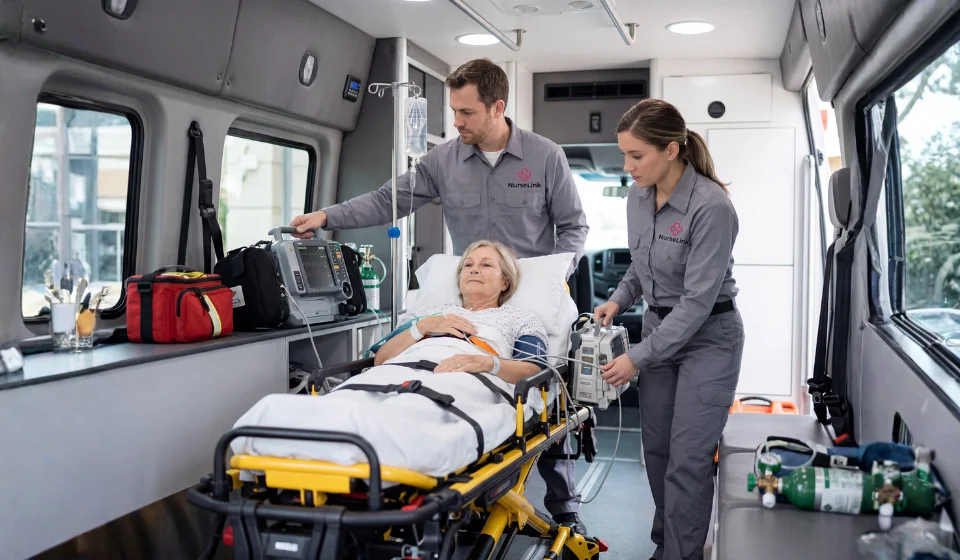
Safe and reliable medical transport plays a critical role in supporting patients who require ongoing clinical care while travelling between healthcare facilities, homes, or medical appointments. High acuity patient transfers involve individuals with complex medical conditions who may need specialised monitoring, medical equipment, or professional healthcare support throughout the journey. As healthcare needs continue to grow across Australia, professional transport services such as High Acuity Transport Services have become increasingly important for ensuring patient safety, continuity of care, and access to essential treatment. HATS provides a structured and medically supported approach to non emergency transport, helping patients travel safely and comfortably while receiving the clinical attention they need. What Is A High Acuity Transport Service (HATS)? A High Acuity Transport Service, commonly referred to as HATS, is a specialised medical transport service designed for patients who require advanced clinical support during non-emergency transfers. Unlike standard patient transport, HATS is intended for individuals with complex health conditions, high dependency care needs, or ongoing medical monitoring requirements while travelling between hospitals, rehabilitation centres, aged care facilities, specialist appointments, or home environments. The main difference between standard patient transport and HATS lies in the level of medical care provided during the journey. Patients accessing HATS may require oxygen therapy, continuous vital sign monitoring, mobility support, medication management, or assistance from trained healthcare professionals throughout transport. These services are delivered using specialised vehicles equipped to manage more advanced patient care requirements while maintaining patient comfort and safety at all times. High Acuity Transport Services are designed for patients with complex or medically unstable conditions requiring specialised support during transport HATS differs from standard transport services by offering clinical supervision and advanced patient care throughout the journey Clinical monitoring may include observing vital signs, oxygen levels, respiratory status, and overall patient stability during transport HATS supports individuals with chronic illnesses, disabilities, post surgical recovery needs, and other high dependency medical conditions Professional healthcare staff are trained to follow strict high acuity transfer procedures to ensure safe and coordinated patient transport These services play an important role in reducing risks during patient transfers while helping healthcare providers maintain continuity of care between treatment settings. Who Can Access HATS Services? High Acuity Transport Services are available for patients who require a higher level of medical support than traditional non-emergency patient transport can provide. Access to HATS is generally based on the patient’s medical condition, mobility limitations, clinical stability, and need for ongoing supervision or specialised care during transport. Many individuals who meet high acuity transport eligibility requirements are living with chronic illnesses, severe disabilities, respiratory conditions, neurological disorders, or complex post-operative care needs. Patients transferring between hospitals, rehabilitation facilities, specialist clinics, or aged care settings may also require HATS support if they need continuous clinical monitoring or specialised medical equipment throughout the journey. Patients with complex medical conditions or high dependency care needs that require specialised supervision during transport. Individuals needing continuous monitoring, oxygen support, mobility assistance, or medication management while travelling. Hospital and healthcare patients transferring between medical facilities, rehabilitation centres, specialist appointments, or residential care settings. Healthcare professionals typically assess the patient’s condition before arranging transport to determine the level of support required during travel and ensure all high acuity transport requirements are appropriately met. Types Of Support Provided During High Acuity Transport High Acuity Transport Services provide a wide range of clinical and practical support measures designed to keep patients safe, stable, and comfortable during medical transfers. Since patients using HATS often have more complex healthcare needs, transport teams are trained to manage a variety of medical situations while maintaining close communication with healthcare providers and family members. One of the most important aspects of HATS is continuous clinical monitoring. Healthcare professionals may regularly assess blood pressure, oxygen saturation, heart rate, respiratory function, and overall patient condition throughout the journey. This close observation helps identify any changes in the patient’s health status quickly and allows immediate action if required. Patients requiring respiratory support may receive oxygen therapy or specialised breathing assistance during transport. Safe patient handling is another essential component of high acuity transport, particularly for individuals with limited mobility, severe injuries, neurological conditions, or post-surgical recovery needs. Trained staff use specialised equipment and safe transfer techniques to minimise discomfort and reduce the risk of injury during movement. Medication management and emergency preparedness also form a critical part of HATS operations. Healthcare professionals travelling with the patient may administer prescribed medications, monitor symptom progression, and respond appropriately if medical complications arise during transit. The presence of trained nurses, paramedics, or support staff provides reassurance to both patients and their families while ensuring continuity of clinical care throughout the transfer process. Benefits Of High Acuity Transport Services High Acuity Transport Services provides significant benefits for patients, caregivers, and healthcare providers by offering a safer and more structured approach to medically supported transport. For patients with complex health conditions, travelling without appropriate supervision can increase the risk of complications, discomfort, or delayed medical intervention. HATS helps minimise these risks by ensuring professional healthcare support is available throughout the journey. One of the major advantages of HATS is improved patient safety during transfers between healthcare facilities or appointments. Continuous monitoring, specialised medical equipment, and trained healthcare staff help create a safer environment for individuals with complex or unstable conditions. This level of care is especially important for elderly patients, individuals recovering from surgery, and those requiring respiratory or mobility support. HATS also reduces stress for families and caregivers who may otherwise struggle to arrange safe transport for loved ones with advanced medical needs. Knowing that experienced healthcare professionals are overseeing the journey provides reassurance and peace of mind. In addition, patients benefit from greater comfort and dignity through the use of specialised vehicles, mobility equipment, and compassionate patient centred care practices. Another important benefit is improved coordination between hospitals, aged care facilities, rehabilitation centres, and community healthcare providers. Effective communication between transport teams and medical professionals helps ensure continuity of care, timely transfers, and safer patient