
NEPT Vs Ambulance: What’s The Difference?
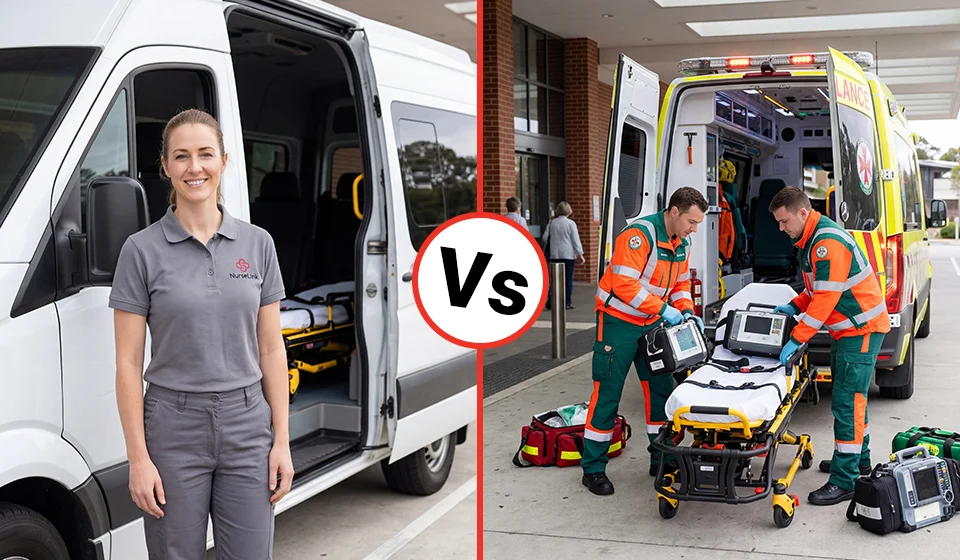
Patient transport plays a critical role in the healthcare journey, ensuring individuals can safely access medical care when needed. However, many people are unsure about the difference between NEPT and ambulance services, often using the terms interchangeably. Choosing the right option is essential for safety, cost-effectiveness, and appropriate clinical care. This guide explores the key distinctions in NEPT vs ambulance, helping patients, families, and caregivers understand when each service should be used and how to make informed transport decisions. What Is NEPT (Non-Emergency Patient Transport)? Non-Emergency Patient Transport (NEPT) refers to a specialised service designed for individuals who are medically stable but require assistance travelling to and from healthcare appointments. It is a planned and structured form of transport that supports patients who may have mobility limitations, chronic conditions, or require supervision during transit without needing urgent medical intervention. NEPT services focus on comfort, accessibility, and reliability, making them an essential part of modern healthcare systems. By supporting routine and non-urgent transport needs, NEPT helps reduce pressure on emergency services while improving access to care for vulnerable populations. Designed for medically stable patients who do not require emergency care. Commonly used by elderly individuals or those with mobility challenges. Suitable for routine appointments such as dialysis, rehabilitation, or specialist visits. Includes wheelchair transport, stretcher transport, and assisted door-to-door services. Staff are trained to provide basic support and monitoring during transit. What Is An Ambulance Service? Ambulance services are a critical component of emergency healthcare, providing rapid medical response in situations where a person’s life or health is at immediate risk. These services are equipped to deliver advanced medical care on-site and during transport, ensuring patients receive urgent intervention as quickly as possible. In Australia, ambulance services respond to emergency calls and are staffed by highly trained paramedics capable of delivering life-saving treatment. Their primary focus is stabilisation, emergency care, and safe transport to the nearest appropriate medical facility. Provides rapid response to life-threatening or urgent medical situations. Activated through emergency services such as 000 in Australia. Includes advanced life support (ALS) capabilities. Handles urgent inter-facility transfers requiring medical supervision. Staffed by qualified paramedics and clinical professionals. Equipped with defibrillators for cardiac emergencies. Provides oxygen therapy and airway management. Administers life-saving medications when required. Focuses on stabilising patients before and during transport. Designed for immediate, high-acuity care needs. Key Differences Between NEPT & Ambulance Services Understanding the non emergency patient transport vs ambulance distinction is essential for choosing the right service. While both involve transporting patients, the level of urgency, medical care, and purpose differ significantly. NEPT is intended for planned, non-urgent transport where patients are stable, while ambulance services are reserved for emergencies requiring immediate medical intervention. Choosing the appropriate service ensures better outcomes and helps maintain efficiency within the healthcare system. Urgency: NEPT is pre-booked and non-urgent, while ambulance services respond to emergencies. Medical care: NEPT provides basic support, whereas ambulances offer advanced clinical care. Booking process: NEPT requires prior scheduling, ambulance services are dispatched immediately. Cost: NEPT is generally more affordable than emergency ambulance services. Staffing and equipment: NEPT uses trained support staff, ambulances have paramedics and advanced equipment. When Should You Use NEPT? NEPT is best suited for situations where medical transport is required but there is no immediate risk to health. It is commonly used for routine healthcare needs and ongoing treatment, providing a safe and reliable option for patients who need assistance but not emergency care. This service is particularly beneficial for older adults, individuals with disabilities, or those recovering from medical procedures. It offers a structured and comfortable transport experience, reducing stress for both patients and caregivers. Typical use cases include attending routine medical appointments, travelling to dialysis or rehabilitation sessions, and arranging transport after hospital discharge. NEPT is also ideal for individuals with mobility limitations who cannot use standard transport safely. When Is An Ambulance Necessary? Ambulance services should be used in situations where there is a serious or potentially life-threatening medical condition. These scenarios require immediate attention and rapid transport to ensure the best possible outcome. Examples include chest pain, difficulty breathing, severe injuries, stroke symptoms, or loss of consciousness. In such cases, delaying care can have significant consequences, making it critical to prioritise emergency response services. When there is any uncertainty about the severity of a condition, it is always safer to choose an ambulance. Emergency services are equipped to assess and stabilise patients quickly, ensuring timely and appropriate care. Cost Differences: NEPT Vs Ambulance Cost is another important factor when comparing ambulance vs non emergency transport. NEPT services are generally more affordable, as they are designed for planned and non-urgent care. These services may be funded through private payment options or programs such as the NDIS, depending on eligibility. Ambulance services, on the other hand, can be significantly more expensive due to the level of care provided and the urgency of response. Costs may vary across Australian states, with some offering subscription models while others require out-of-pocket payments. Factors such as distance travelled, level of medical support required, and time of service can influence overall costs. Choosing the correct service not only ensures appropriate care but also helps avoid unnecessary financial burden for patients and families. Choosing The Right Transport For Your Needs Selecting the right transport option involves careful consideration of the patient’s medical condition, level of mobility, and required support. Understanding the NEPT vs emergency ambulance services distinction helps ensure that care is both safe and appropriate. Healthcare professionals can provide guidance based on clinical needs, helping families make informed decisions. For planned and non-urgent transport, professional NEPT providers offer a reliable and patient-focused solution that prioritises comfort and dignity. Assess the level of medical urgency before making a decision. Consider the patient’s mobility and overall health condition. Determine the level of monitoring or support required during transport. Explore funding options such as NDIS or private payment. Seek advice from healthcare providers when unsure. Choosing the right service ensures not only better health outcomes but also supports
How To Plan Transport For Multiple Medical Appointments

Managing multiple medical appointments can be challenging, especially when visits take place at different healthcare facilities and require different levels of support. Transport planning becomes more complex when appointments are close together, travel distances are long, or a patient uses a wheelchair or needs assistance. Traffic, waiting times and unexpected changes can quickly disrupt a carefully arranged schedule. This guide explains how to assess transport needs, compare transportation options for medical appointments, coordinate timings and prepare practical backup arrangements. Why Planning Ahead Matters For Multiple Appointments Planning ahead reduces the pressure of arranging every journey at the last minute. Keeping appointment dates, times, locations and transport details together provides a clearer picture of the week and makes scheduling conflicts easier to identify. Reliable planning can minimise missed or delayed appointments, which is particularly important when visits are part of ongoing treatment or monitoring. Consistent transport can make regular healthcare easier to manage and support continuity of care. Assessing Your Transport Needs & Schedule Before choosing a transport service, consider what each journey requires. Not every appointment will need the same type of vehicle or level of assistance. Clear scheduling is particularly valuable when appointments involve different providers, because each organisation may have separate booking systems and arrival requirements. A shared calendar can help prevent duplicated bookings and make responsibilities clearer. This approach also makes recurring healthcare travel easier to coordinate. It is also useful to identify whether an appointment requires someone to accompany the patient. Some visits may involve paperwork, communication support or assistance after treatment. Knowing this beforehand can influence the transport choice and help avoid unnecessary pressure on the patient or family. For recurring appointments, review the arrangement periodically. A transport plan that worked well initially may need adjustment if appointment times, mobility needs, treatment requirements or household circumstances change. Regularly reviewing the plan keeps it practical and responsive to the patient’s needs. Mapping Out Appointment Locations & Times List every appointment in one calendar or planner. Include the date, appointment time, facility, address, expected duration and pickup arrangements. If several visits occur on one day, check the order of appointments and the time needed to travel between them. Also consider practical details such as parking, building entrances, reception procedures and the distance from the drop-off point to the clinic. Identifying Mobility & Support Requirements Consider whether the patient uses a wheelchair, walker or another mobility aid. Some people may need assistance entering or leaving a vehicle, while others may need space for equipment or support from a carer during the journey. Tell the transport provider about these requirements when booking. Explain any relevant limitations clearly so the provider can determine whether an accessible vehicle or additional assistance is needed. Factoring In Travel Distances & Traffic Estimate travel times realistically rather than relying on the shortest possible route. Traffic, roadworks, parking, weather and busy healthcare precincts can all affect journey times. Allow additional time when travelling during peak periods. If appointments are at different locations, calculate the journey between each facility rather than only the trip from home. Choosing The Right Transport Option For Each Appointment The most suitable option depends on the patient’s mobility, support requirements, distance and appointment schedule. Different journeys may require different levels of assistance, so assess each appointment individually. Non-Emergency Patient Transport Services Non-emergency patient transport is designed for scheduled, non-urgent healthcare journeys. It can be appropriate for patients who need more support than standard private transport provides, including people with mobility limitations or specific accessibility requirements. Non emergency transport for medical appointments may be useful for recurring visits because providers can plan journeys around established healthcare schedules. When booking, provide the pickup location, destination, appointment time and relevant mobility information. Family, Carer, Or Volunteer Transport Family members, carers and community volunteers can be useful for shorter or more flexible journeys. They may be able to accompany the patient during an appointment and provide practical assistance. However, relying on family or carers for every appointment may become difficult when visits are frequent. Work commitments, other responsibilities and unexpected changes can affect availability. Rideshare Or Private Transport Taxis, rideshare services and private vehicles can provide convenient travel for patients who are independently mobile and do not need specialised assistance. They may work well for straightforward appointments or journeys where flexibility is important. Before choosing this option, consider whether the vehicle can accommodate mobility equipment and whether the patient can safely enter and exit without assistance. Standard rideshare services may not be appropriate for someone requiring wheelchair access or dedicated mobility support. Coordinating Timing To Avoid Delays & Overlaps A realistic schedule should include more than appointment times. Travel, check-in, waiting rooms and unexpected delays all need to be considered. When several appointments are planned together, even a small delay can affect the rest of the day. Building Buffer Time Between Appointments Allow sufficient time between appointments for traffic, parking, reception procedures and waiting. Avoid creating a schedule where one appointment must finish exactly on time for the next journey to work. Consider the patient’s energy levels as well. Multiple medical visits can be tiring, so reasonable breaks may make the day more manageable. Confirming Bookings In Advance Confirm each transport booking before the appointment day. Check the pickup address, destination, time, vehicle requirements and return arrangements. This is particularly important when an accessible vehicle or recurring service has been requested. Keep confirmation details in the same calendar used for appointments. Communicating Changes Promptly Healthcare schedules can change because appointments are rescheduled, consultations run longer or additional visits are required. Tell the transport provider about changes as soon as possible. Prompt communication gives providers a better chance to adjust pickup times or destinations. Tips For A Stress-Free Transport Experience A simple preparation routine can make repeated medical travel easier. Preparing essential items and keeping backup information available can reduce last-minute decisions when the day becomes busy. Preparing A Day-Of Checklist Prepare medications, identification, referral documents, appointment details and any required medical information before leaving