
Getting Him There, Getting Him Home, Getting Him Through
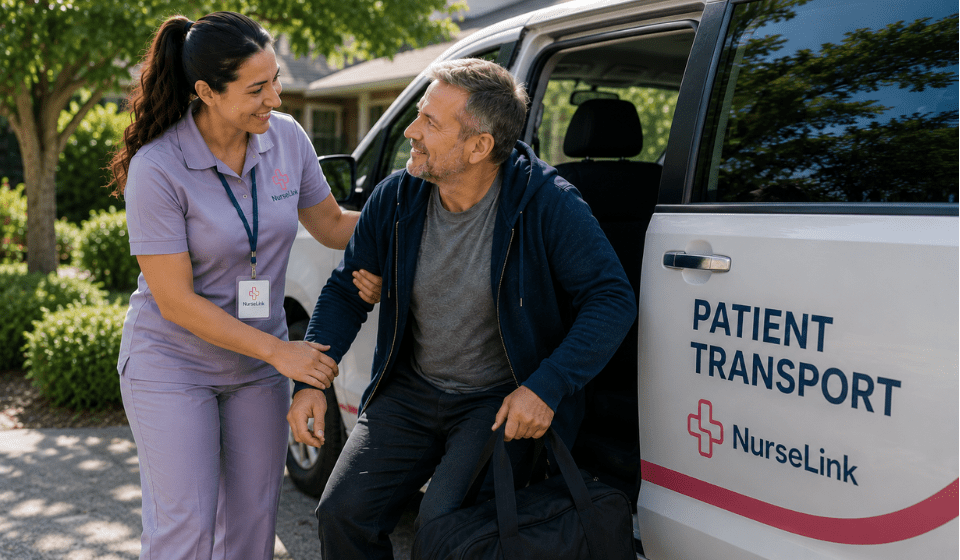
How NurseLink Supported A Patient To Keep Working Through Months Of Chemotherapy A Case Study In Patient Transport That Protected A Career, A Family Budget & A Man’s Sense Of Himself Introduction Chemotherapy takes something from a person well beyond the disease it is treating. It takes energy, in a way that is difficult to fully anticipate until it has happened. It takes reliability, because a person who feels reasonably capable on a Monday cannot always predict how depleted a Thursday treatment will leave him. And for a patient who is still trying, understandably and often out of financial necessity as much as personal identity, to keep working through treatment, it takes something else too: the margin that used to exist between managing an illness and managing a job, a margin that chemotherapy tends to close almost entirely. Getting to and from treatment is, for many patients, a bigger practical obstacle than people outside the experience tend to appreciate. Driving after chemotherapy is frequently unsafe or simply impossible, given the nausea, fatigue and occasional disorientation that many regimens cause. Public transport, even when technically available, can be a genuinely difficult undertaking for someone who has just spent hours receiving treatment that has left him drained in ways that are hard to predict from session to session. For a man trying to hold a job together at the same time, the transport problem is not a side issue. It sits close to the centre of whether the whole arrangement, treatment and work and everything else, can actually be sustained. This case study documents how NurseLink Healthcare provided non-emergency patient transport for a man in his early fifties in Melbourne, undergoing several months of chemotherapy while continuing to work, and how reliable, well-timed transport became one of the quiet but essential pieces that let him keep both his treatment and his job on track. To protect the privacy of the client, all names and identifying details have been kept confidential throughout this case study. The Client & His Situation The client is a man in his early fifties, married with two teenage children, working as a project manager for a mid-sized construction firm in Melbourne’s outer east. He had been diagnosed with cancer following a period of vague but persistent symptoms that had eventually prompted investigation, and had begun a chemotherapy regimen scheduled across several months, with treatment sessions occurring every second week at a hospital some distance from both his home and his workplace. He had made an early and deliberate decision, discussed carefully with his oncologist and his family, to continue working through as much of his treatment as he reasonably could. This was partly financial, given that his income was a significant part of the family’s budget and his sick leave entitlements would not comfortably stretch across the full length of treatment. But it was, by his own account, just as much about identity and normalcy. He did not want cancer to be the only thing defining his days, and continuing to work, in whatever modified form his energy allowed, felt to him like holding onto a piece of the life he intended to keep once treatment was over. The practical difficulty was transport. His treatment sessions left him, without exception, unfit to drive for the remainder of that day and often into the following one, given the nausea and fatigue that hit hardest in the hours after each infusion. His wife worked full time herself and could not reliably take time off every second week without it becoming, over the length of treatment, a serious problem for her own job. His children were too young to drive. Public transport, even setting aside how unwell he generally felt after treatment, involved a route and a duration that his oncologist advised strongly against given his post-treatment condition. He had managed the first couple of sessions through a combination of his wife taking leave and a colleague offering a lift, arrangements that both parties made clear, kindly but honestly, were not sustainable across the full length of his treatment. His oncology social worker, aware of the pattern developing, suggested NurseLink Healthcare’s non-emergency patient transport service as a way of resolving the problem properly rather than patching it together session by session. Understanding What He Actually Needed The initial conversation between NurseLink Healthcare and the client focused, as much as anything, on the practical rhythm his work and treatment schedule required, because it became clear early in the conversation that a generic transport arrangement would not adequately serve a man trying to hold a full-time job together around his treatment. He needed transport to his treatment sessions timed precisely enough that he could attend a partial morning at work beforehand on the days his energy allowed, without cutting it close enough to arrive at the hospital rushed or stressed. He needed, just as importantly, reliable transport home afterwards, at a time that could not always be predicted precisely in advance given that infusion duration sometimes varied session to session, which meant the transport arrangement needed to accommodate some flexibility around pickup timing without becoming unreliable as a result. He also needed, though he raised it almost apologetically, a driver who understood that he generally did not feel like talking much on the way home, given how unwell the sessions frequently left him, while being perfectly happy to chat on the way in, when his energy was usually still reasonably intact. This asymmetry, a sociable outward journey and a quiet, undemanding return journey, became one of the more specific and important details the care coordinator noted from the initial assessment. His wife, present for part of the conversation, added that her biggest concern was simply knowing, reliably, that he had arrived safely and been collected safely, given how depleted he sometimes was by the end of a session and how much easier her own workday became if she was not managing background anxiety about whether the transport arrangement would hold. The NurseLink
When Getting To Care Is Part Of The Challenge

How NurseLink Supported A Young Victorian Woman With Endometriosis A Case Study In Patient-Centred Transport For A Young Woman Navigating A Painful Condition Introduction Endometriosis is one of the most underdiagnosed and undertreated conditions in women’s health. It affects roughly one in nine Australian women, causes pain that can be severe and debilitating and takes, on average, more than six years from the onset of symptoms to diagnosis. The women who live with it during those years are not simply managing a medical condition. They are managing a condition that has frequently been minimised, misunderstood or attributed to causes that do not reflect the clinical reality of what is happening in their bodies, by a healthcare system that has historically found women’s pain easier to dismiss than to investigate. When a young woman with endometriosis finally accesses specialist care, the relief of being properly seen and properly diagnosed is real and significant. What follows the diagnosis is a treatment pathway that is often intensive and that requires consistent engagement with a specialist team, regular procedures, careful monitoring and the particular kind of ongoing clinical relationship that endometriosis management at its best involves. And for a young woman who lives outside the city where her specialist is based, who is managing the physical exhaustion and the pain that her condition produces and who does not have reliable access to the transport she needs to get to her appointments, the gap between a treatment plan and a completed one can become the next barrier in a long series of barriers. Non-emergency patient transport for a young woman in this situation is not simply a logistical service. It is the practical support that makes the treatment possible, provided in a way that understands what she is managing and that treats the journey with the sensitivity that her condition and her experience require. At NurseLink Healthcare, we understand that transport is never just transport. This case study documents how our team supported a young woman with severe endometriosis in regional Victoria through a sustained period of specialist treatment in Melbourne, and how the consistent, sensitive transport we provided became one of the things that made completing her treatment possible. To protect the privacy of the client, all identifying details have been kept confidential throughout this case study. The Client & Her Situation The client is a woman in her late twenties who lives in a regional Victorian town approximately ninety minutes from Melbourne. She had been managing symptoms of endometriosis since her late teens, a period of nearly a decade during which she had seen multiple GPs, had her symptoms attributed to stress and period pain and had been told, on more than one occasion, that what she was experiencing was normal and that she would learn to manage it. She had not learned to manage it, because it was not normal and because the pain, which was cyclical but also chronic and which had worsened progressively across the years, was not something that management strategies were adequately addressing. She had missed days of work. She had cancelled social plans more often than she could count. She had sat through clinical appointments feeling both unheard and guilty for taking up a doctor’s time with something that was apparently manageable. The specialist referral that had eventually been made, by a GP who had listened more carefully than the ones who came before, had led to a diagnosis of severe endometriosis that had, by the time it was confirmed, progressed to a stage that required both surgical intervention and an ongoing medical management programme. Her specialist, based at a clinic in Melbourne, had developed a treatment plan that included an initial surgical procedure followed by a series of follow-up appointments, hormone therapy management and regular monitoring across a treatment period of twelve to eighteen months. The treatment plan was the right one. The specialist was excellent. The clinic was well-regarded. And the clinic was ninety minutes from her home, in a city she did not drive to regularly, at times that were determined by her specialist’s schedule rather than by what was convenient for her, after appointments that often left her exhausted, in pain or recovering from procedures that made the drive home in a car she had to manage herself both difficult and inadvisable. She had managed the first several appointments by asking friends to drive her, which had worked for the initial phase and had become, as the frequency and the duration of the appointments had increased, more difficult to sustain without feeling that she was imposing. Her specialist’s practice manager, who had encountered this problem before, had mentioned NurseLink Healthcare. Understanding What She Actually Needed The initial conversation NurseLink Healthcare had with the client was one that the care coordinator approached with specific awareness of the particular experience of a young woman who had spent years not being properly heard about her own health. She was, initially, somewhat guarded. Not unfriendly, but careful in the way of a person who has learned that services do not always deliver what they promise and that asking for help sometimes produces more complication than it resolves. The care coordinator, who recognised the guardedness for what it was, did not try to dissolve it with reassurances. She asked specific questions and answered the questions she was asked with the same specificity. What emerged was a clear picture of what the client needed. She needed transport to her Melbourne appointments that she could rely on completely, because managing the uncertainty of whether her transport was going to work on a day when she was already managing pain and anxiety about a procedure was more than she wanted to add to what she was already carrying. She needed the vehicle to be comfortable, because the journey of ninety minutes each way was significant for a person whose pelvic pain made certain positions uncomfortable for extended periods. She needed the return journey to be managed with the understanding that
Getting There Made The Difference
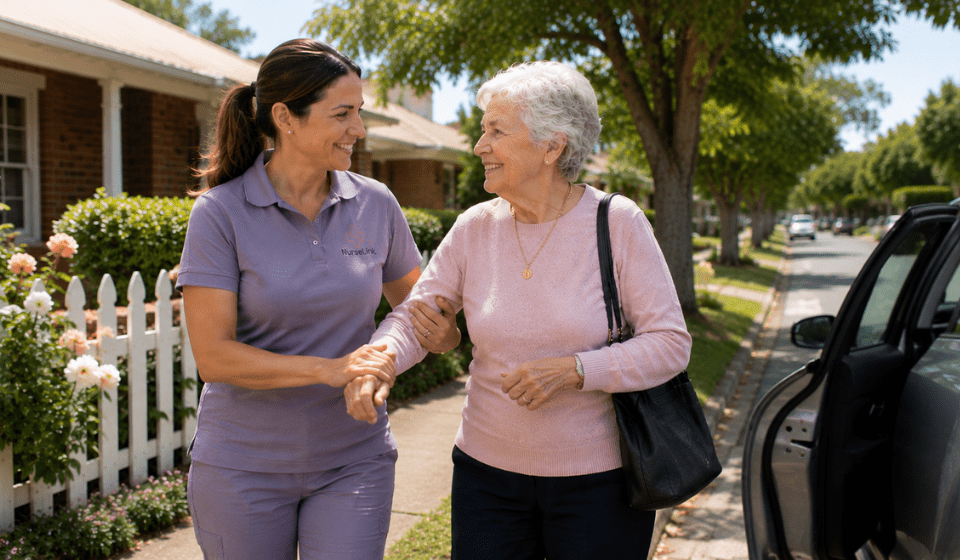
How NurseLink Supported A Retired Melbourne Teacher Through Her Full Cardiac Rehabilitation Programme A Case Study In Reliable, Friendly Patient Transport That Turned A Logistical Problem Into A Non-Issue Introduction Cardiac rehabilitation works. The evidence for it is clear and has been for decades. For people who have experienced a heart attack, cardiac surgery or another significant cardiac event, a structured rehabilitation programme reduces the risk of future events, improves physical fitness, builds confidence and supports the psychological recovery that a cardiac event makes necessary alongside the physical one. It is not a supplementary service. It is a core component of cardiac care, and the patients who complete it consistently fare better than those who do not. Completing it consistently is the challenge. Cardiac rehabilitation programmes are typically delivered across weeks or months, requiring attendance at a clinic or rehabilitation centre on a regular schedule that does not always align neatly with a patient’s transport options, family circumstances or the practical realities of daily life. For a patient who cannot drive, who does not have a family member available to provide transport at the required frequency and who does not have an obvious alternative, the gap between a rehabilitation programme that has been prescribed and one that is actually attended can become the thing that determines how far the recovery goes. For an older patient living with a spouse who has stopped driving, this gap is particularly common and particularly frustrating. The programme is available. The patient wants to attend. The clinical benefit is real and the patient’s cardiologist has been clear about it. The only thing missing is a reliable, comfortable way to get there and back. Non-emergency patient transport that resolves this gap is not dramatic. It is not the most clinically complex service that NurseLink Healthcare provides. But it is, for the patients who need it, genuinely important, because the recovery it makes possible is genuinely important and the consistency it provides is what the recovery depends on. This case study documents how NurseLink Healthcare supported a retired teacher in her seventies in Melbourne, Victoria, through the full course of her cardiac rehabilitation programme after her husband stopped driving, and how the reliable, friendly transport our team provided gave her the consistency she needed to complete a programme that made a real difference to her health and her confidence. To protect the privacy of the client and her family, all names and identifying details have been kept confidential throughout this case study. The Client & Her Situation The client is a woman in her mid-seventies who lives with her husband in Melbourne’s eastern suburbs. She had taught primary school for thirty-five years before retiring in her early sixties, and retirement had suited her well. She volunteered at a local community garden, was part of a long-running book club and maintained the particular kind of active social life that a person who spent her career surrounded by people tends to build and value. Her husband, who was several years older, had stopped driving the previous year after his optometrist had recommended he do so on the basis of changes to his vision that had made night driving unsafe and daytime driving inadvisable. He had accepted this with the particular pragmatic resignation of a man who understood the reasoning and disliked the implication, and the couple had adjusted to the practical changes that the decision required, as couples who have been managing life together for a long time tend to do. Her cardiac event had occurred without significant warning, which cardiac events often do. She had been managing what she thought was persistent indigestion for a week before her GP, reviewing her symptoms with the specific attentiveness that a woman in her mid-seventies deserves, had referred her for investigation. The investigation had identified a significant blockage and she had undergone a cardiac procedure that her cardiologist described as both necessary and successful. The recovery had gone well. She was discharged from hospital with a management plan that included medication, dietary guidance and a referral to a cardiac rehabilitation programme at a centre not far from their home. The programme was structured across several months, with attendance required twice a week for the exercise sessions and monthly for the group education and support sessions that the programme included. Her cardiologist had been clear about the importance of the programme. She had nodded and agreed and then come home and worked out that the rehabilitation centre, while not far in distance, was not easily accessible by public transport and that her husband could not drive her and that her children, who lived in other suburbs and had their own commitments, could not reliably provide twice weekly transport across several months without it becoming a burden she was not comfortable placing on them. She had mentioned this to her cardiac rehabilitation coordinator at the initial assessment, who had suggested NurseLink Healthcare. Understanding What She Actually Needed The initial conversation NurseLink Healthcare had with the client was one of the more straightforward assessments the care coordinator had conducted, which was a reflection of how clearly she understood her own situation and how directly she communicated about it. She needed reliable transport to and from her cardiac rehabilitation sessions twice a week, and to her monthly education sessions, for the duration of the programme. She needed a vehicle that was comfortable for a woman who was in the early stages of her cardiac recovery and who found certain positions uncomfortable for extended sitting. She needed the pickup to be at the agreed time because she was a person who valued punctuality and because arriving at her rehabilitation sessions flustered from a late or unreliable transport arrangement was not a good way to begin the exercise component of her programme. She also said something that the care coordinator noted because it was both straightforward and entirely reasonable. She said she hoped the transport officer would be someone she could have a conversation with, because
Showing Up For Someone Nobody Else Was Showing Up For
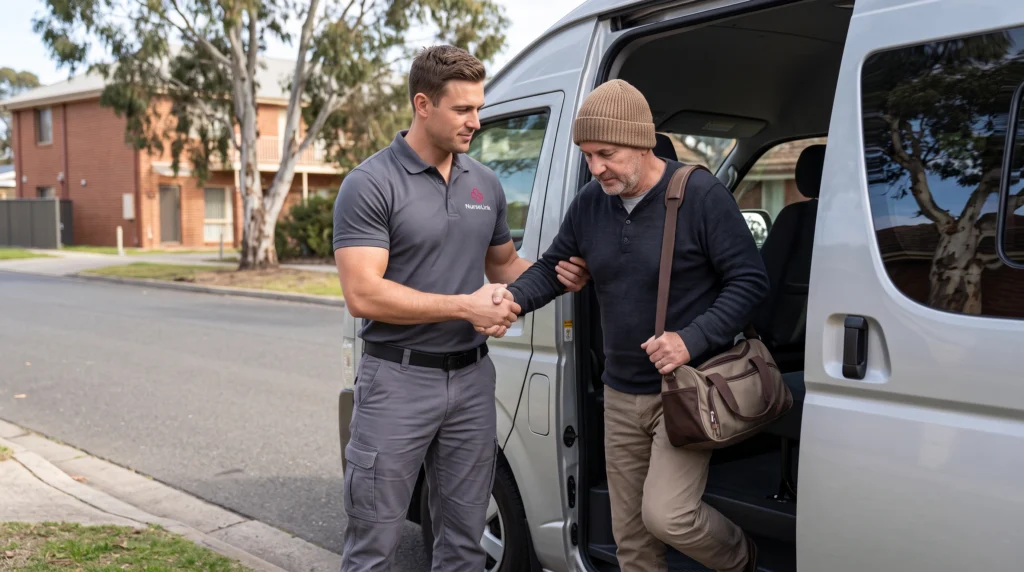
How NurseLink Provided Transport To A Homeless Man Navigating Cancer Treatment Alone A Case Study In Person-Centred NEPT For A Patient With No Support Network Introduction Cancer does not only happen to people with houses and families and someone to drive them to their appointments. It happens to people who are sleeping rough, managing addiction, navigating the particular complexity of a life that has come apart in ways that the healthcare system is not always well equipped to address alongside the clinical management of a serious illness. For a person experiencing homelessness who receives a cancer diagnosis, the barriers to treatment are not primarily clinical. The oncology team knows what to do. The treatment exists. The appointments are available. The barriers are the ones that sit between the person and the clinic, the transport, the storage of medications, the administrative requirements of a healthcare system that assumes a permanent address, the exhaustion of managing survival alongside managing treatment, and the particular invisibility of a person whose life circumstances make them easy to overlook in a system that is busy and under-resourced and not always designed for the people who need it most. Non-emergency patient transport for a patient in this situation is not simply a logistical service. It is, in many cases, the thing that determines whether treatment happens at all. A person without a support network, without a car, without family to call and without the financial resources to manage the cost of getting from wherever they slept last night to an oncology clinic across the city, needs a transport arrangement that is reliable, dignified and built around their specific reality rather than around the assumptions of a service designed for people with more stable lives. At NurseLink Healthcare, we believe that everyone who needs transport to medical treatment deserves transport that sees them as a person. This case study documents how our team provided consistent, dignified non-emergency patient transport to a man experiencing homelessness in regional Victoria, navigating a cancer treatment programme that he had nearly stopped attending, alone and without the support that most patients take for granted. To protect the privacy of the client, all identifying details have been kept confidential throughout this case study. The Client & His Situation The client is a man in his mid-fifties who had been experiencing homelessness in a regional Victorian city for several years at the time of his cancer diagnosis. His path to homelessness had followed the particular trajectory that homelessness often follows, a combination of circumstances that arrived in a sequence that his capacity to manage had not kept pace with, and that had left him, by the time of this case study, without stable accommodation, without consistent support from family or friends and without the practical infrastructure that most people rely on without noticing. He was known to the local community health service, which had been providing him with basic primary care and connecting him with social support services with varying degrees of success over the preceding years. He had a relationship with one of the health service’s outreach workers that was, by the standards of his current life, one of the more consistent points of human contact available to him. The cancer diagnosis, a form of lung cancer that was serious but treatable if the treatment was completed consistently and on schedule, had been made during a presentation to the community health service that had been prompted by symptoms he had been managing, or not managing, for several months. The oncology team at the regional hospital had developed a treatment plan that included a course of chemotherapy and regular monitoring appointments at the hospital’s cancer centre, which was located across the city from the area where he typically spent his days. The outreach worker who had been supporting him through the initial stages of the diagnosis and treatment planning had identified the transport gap early. He did not have reliable access to the bus routes that connected his area to the hospital. He did not have money for taxis. He did not have anyone to ask for a lift. And the experience of trying to manage a complex, multi-appointment treatment programme while simultaneously managing the daily demands of homelessness had already produced two missed appointments in the first weeks of his treatment, which his oncology team had noted with concern. The outreach worker contacted NurseLink Healthcare. Understanding What He Actually Needed The initial conversation NurseLink Healthcare had with the outreach worker, and subsequently with the client himself, was one that required specific sensitivity to the circumstances of the person being supported. He was not a person who was accustomed to services showing up reliably. He was not a person who assumed that the people who said they would help would follow through. And he was not a person who found it easy to ask for or accept help, because the experience of his life had not provided many reliable templates for what helpful looked like. The outreach worker was specific about what the transport arrangement needed to provide and what it needed to avoid. It needed to be consistent, because inconsistency was the thing that had already produced missed appointments and that would, if it recurred, produce a man who had decided that the treatment was not worth the effort of trying to get to it. It needed to be dignified, which in this context meant transport officers who would not treat him differently because of his circumstances, who would not make his homelessness the defining feature of the interaction and who would not, through manner or through the practical management of the arrangement, communicate that he was a difficult or unusual case rather than a person who needed a ride to the hospital. It needed to accommodate the specific practical challenges of his situation. He did not have a fixed address for pickup. His location on any given day depended on where he had slept the night before and where he had spent
Getting There Safely
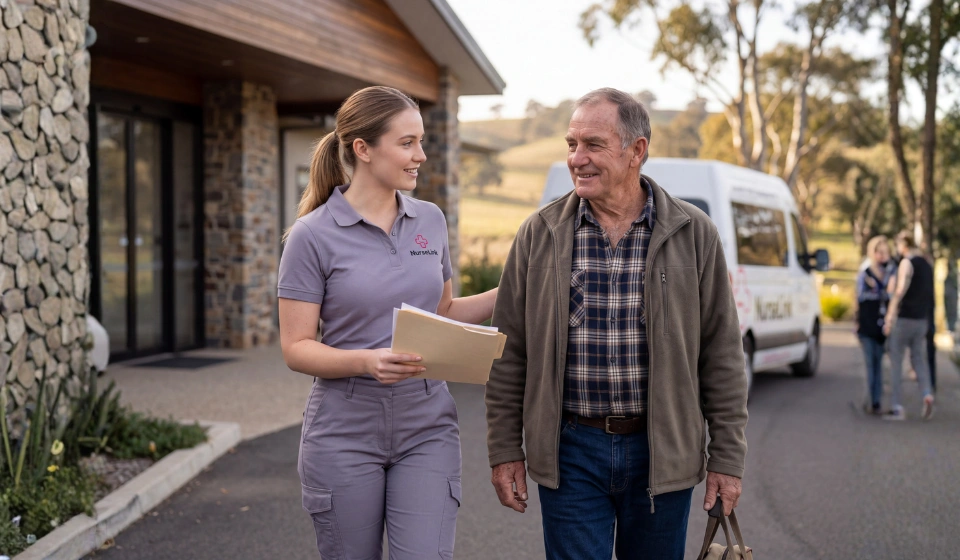
How NurseLink Provided Safe Post-Surgery Transport For A Rural Victorian Man How Specialised Transport Kept A Regional Victorian Patient’s Recovery On Track Introduction Recovery from major surgery is demanding enough without the added burden of not being able to get to the appointments that recovery depends on. For most patients, the logistics of follow-up care, the drive to the clinic, the transfer from vehicle to waiting room, the journey home afterward, are manageable inconveniences in a process that is otherwise straightforward. For some patients, those logistics are anything but straightforward, and the gap between what is needed and what is available can quietly undermine a recovery that the surgical team has worked hard to set in motion. Bariatric surgery is a significant clinical undertaking. The period following it is equally significant, a carefully managed process of recovery, nutritional adjustment, wound monitoring and progressive rehabilitation that requires consistent engagement with a specialist team over weeks and months. Missing follow-up appointments in this period is not a minor inconvenience. It carries genuine clinical risk, and for patients in regional and rural Victoria, where specialist services are often located in Melbourne or other major centres a considerable distance away, the question of how to actually get there is not one that resolves itself easily. Non-emergency patient transport that is equipped and staffed for the specific requirements of post-bariatric surgery patients is a specialised service. It requires the right vehicle, the right equipment and transport officers who understand both the physical requirements and the human dignity of the person they are supporting. When that service is available and delivered well, it removes a barrier that can otherwise stand between a patient and the recovery they have worked toward. At NurseLink Healthcare, we provide exactly this kind of transport. This case study documents how our team supported a man in his late forties in rural Victoria through a series of post-bariatric surgery follow-up appointments, after his family had been managing his transport in a private vehicle in a way that was neither safe nor sustainable for any of them. To protect the privacy of the client and his family, all names and identifying details have been kept confidential throughout this case study. The Client & His Situation The client is a man in his late forties who lives with his wife and two teenage children in a small rural community in Victoria, approximately two hours from Melbourne by car. He had worked for many years in a physically demanding trade before a combination of health issues, including significant obesity and the conditions that had developed alongside it, had progressively limited his capacity to work and had narrowed the shape of his daily life considerably. The decision to pursue bariatric surgery had not been made lightly. It had come after years of attempting other approaches to managing his weight and health, extensive conversations with his GP and specialist team, and a genuine reckoning with what his health trajectory looked like if things did not change. The surgery, performed at a specialist centre in Melbourne, had gone well clinically. The early post-operative period in hospital had been managed without significant complication, and by the time discharge was being planned, his surgical team was cautiously optimistic about his recovery trajectory. The discharge plan included a structured schedule of follow-up appointments over the coming months, covering wound review, nutritional assessment, metabolic monitoring and progressive rehabilitation check-ins with his specialist bariatric team in Melbourne. These appointments were not optional additions to his recovery. They were the clinical infrastructure on which his recovery depended, and missing them carried risks his surgical team had been explicit about. The question of how he was going to get to these appointments had not been fully resolved at the time of discharge. His wife did not drive long distances confidently, particularly on the freeway sections of the Melbourne route. His vehicle, a standard family car, was not well suited to accommodating him comfortably and safely at his current size and mobility level. And the physical demands of a two-hour journey each way, followed by a clinic appointment, were significant for a man in the early weeks of post-surgical recovery. What Was Happening Before NurseLink Healthcare In the weeks following his discharge, the family had been managing his transport to follow-up appointments themselves. His wife had been driving him to Melbourne in their family car, a journey that was stressful for her, uncomfortable and physically difficult for him and that left both of them exhausted by the time they arrived at the clinic. The practical difficulties were significant. Getting him safely and comfortably into and out of the family car required a level of physical assistance that his wife found genuinely challenging, and on at least two occasions the process had been managed in ways that his surgical team would have considered a risk to his wound integrity and his overall safety. The vehicle itself did not provide the support and space he needed for a journey of that length, and the discomfort of the trip was beginning to discourage him from wanting to attend appointments at all. His wife had raised the transport difficulty with his GP during a routine call, describing with visible distress how the previous trip to Melbourne had gone and her concern that they were not managing it safely. His GP referred the family to NurseLink Healthcare without delay. The referral was also motivated by something his GP had noticed in how the client himself was talking about his upcoming appointments. A man who had committed to a significant surgical intervention and who had every clinical reason to engage fully with his follow-up care was beginning to suggest, obliquely, that perhaps not every appointment was strictly necessary. His GP recognised this for what it was. Not clinical judgment, but the slow retreat of a person for whom the process of getting to his appointments had become something he was dreading. Understanding What He Actually Needed The initial conversation NurseLink Healthcare
Every Appointment, Every Time
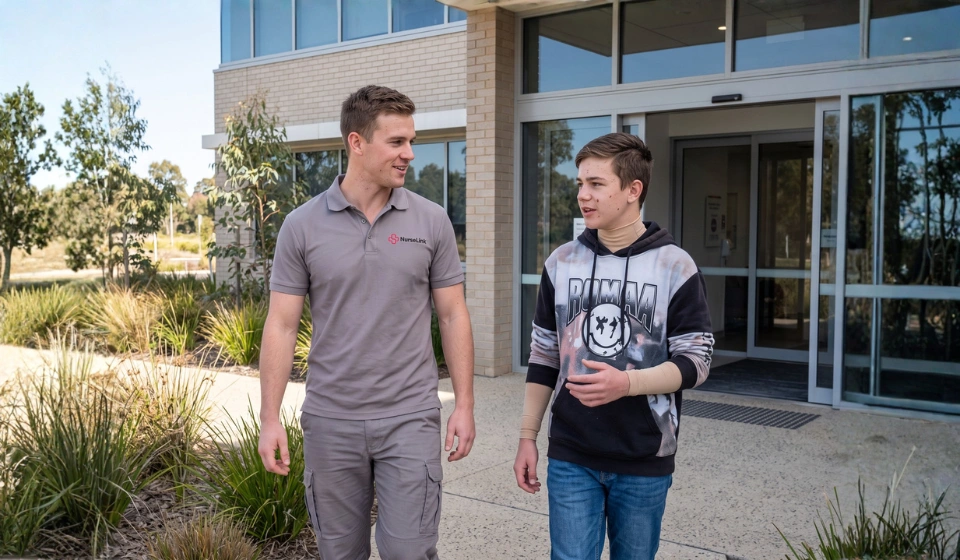
How NurseLink Supported A Teenage Burns Survivor To Attend His Reconstructive Treatment A Case Study In Sensitive NEPT For A Young Person Navigating A Long And Demanding Recovery Introduction Recovery from serious burns is not a single event. It is a process that unfolds across months and years, through surgeries and dressing changes and compression garment fittings and the particular kind of physiotherapy that works against scar tissue that would prefer not to be worked against. It is a process that requires consistent, repeated engagement with a specialist clinical team, and that consistent engagement requires, for a young person without reliable independent transport, a transport solution that understands not just the physical requirements of the journey but the human ones. A teenage boy who has survived a serious burn injury is carrying something that goes well beyond the physical. He is managing pain that is real and sometimes sudden. He is managing the particular self-consciousness of a young person whose appearance has changed in ways that the world around him notices and that he notices the world noticing. He is managing the disruption to the ordinary life of a teenager, the school, the friends, the sense of a future that was assumed to continue along familiar lines, that a serious injury produces and that no clinical team has a specific treatment for. Getting this young person to his specialist appointments consistently, safely and in a way that honours the complexity of what he is carrying, is not a transport task. It is a clinical and human responsibility. And when it is done well, by people who understand both dimensions of what the journey requires, it becomes part of the support structure that makes the recovery possible. At NurseLink Healthcare, we understand that non-emergency patient transport for a burns survivor is a distinct and specific undertaking. This case study documents how our team supported a teenage boy in Melbourne, Victoria, through a sustained period of reconstructive treatment following a serious burn injury sustained in a car accident, and how the consistent, dignified transport we provided became one of the stable elements of a recovery that asked a great deal of him and his father. To protect the privacy of the client and his family, all names and identifying details have been kept confidential throughout this case study. The Young Person & His Situation The young person at the centre of this case study is a boy aged between sixteen and eighteen who lives with his father in Melbourne’s western suburbs. He sustained serious burns to his upper body, neck and part of his face in a car accident that occurred when he was a passenger in a vehicle driven by a friend. The accident itself was the kind of sudden, catastrophic event that does not leave room for preparation, and the weeks that followed it, in the burns unit of a major Melbourne hospital, were among the most difficult of his and his father’s lives. He had been, before the accident, a fairly ordinary teenager in the ways that matter. He went to school. He played sport on weekends. He had a group of friends he had known since primary school and a relationship with his father that was, by his father’s account, close in the practical, unspoken way of fathers and teenage sons who understand each other without talking about it much. He had plans, loosely held in the way of teenagers whose future is so obviously ahead of them that planning it feels premature. The accident changed the shape of what ahead looked like. The burns he sustained required multiple surgical procedures, extended skin grafting and a reconstructive treatment programme that his specialist team at a Melbourne burns clinic had mapped out across the following twelve to eighteen months. The programme included regular clinic appointments for wound assessment, compression therapy and scar management, surgical procedures scheduled at intervals determined by his healing progress, physiotherapy to manage the contracture risk that serious burns carry, and the psychological support that his treatment team had wisely built into the programme from the outset. His father, who worked in a trade and had managed the weeks of his son’s hospitalisation by taking leave he could not entirely afford and sitting in the burns unit for hours each day, was now managing a return to work alongside the transport demands of a treatment programme that required his son to attend the burns clinic several times a month at a location that was not easily accessible from their home by public transport. His son’s own licence was still some months away, and the physical discomfort that his burns and compression garments produced made the idea of public transport for a journey of this length both clinically inadvisable and practically very difficult. The burns clinic’s social worker, who had been supporting the family through the post-hospitalisation transition, identified the transport gap and contacted NurseLink Healthcare. Understanding What He & His Father Actually Needed The initial conversation NurseLink Healthcare had with the family involved both the young person and his father, which was the right approach for a sixteen year old who was old enough to have clear views about his own situation and young enough to need his father in the room while he expressed them. He was not forthcoming initially, which was not surprising. He was a teenager who had been through something serious and who had, in the weeks since leaving hospital, been managing the particular self-consciousness of a person whose appearance had changed in ways that were visible to the world. He had not yet returned to school. He had seen his close friends but had found some of those interactions more difficult than he had expected. He was, in the way of teenage boys managing something they do not have the language for, largely quiet about most of it. What he communicated, when the care coordinator asked him directly what he needed from a transport arrangement, was specific in the way
One More Day With Her Family
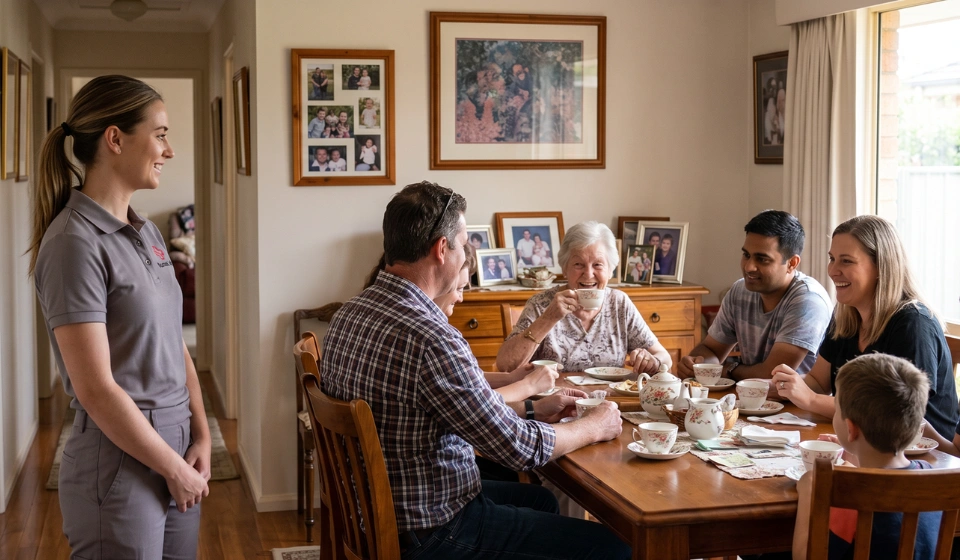
How NurseLink Healthcare Transported A Frail Elderly Woman A Case Study In Compassionate, Clinically Safe Patient Transport Introduction Not every journey a patient makes is about a medical appointment. Some journeys are about something more fundamental than clinical management, about being present for the moments that define a life and a family, about the kind of memory that outlasts the person who made it and lives on in the people who were there. For an elderly person in the final months of life, the question of what is still possible carries a weight that extends far beyond the practical. A wedding, a graduation, a family gathering that has been planned and anticipated, these are not optional extras to be set aside when health declines. They are, for many people, exactly the reason to keep going for as long as going is possible. Non-emergency patient transport that understands this, that approaches a journey like a family wedding not as a logistical exercise but as something that matters enormously to a frail person and to everyone who loves them, provides something that no clinical service alone can offer. It provides the bridge between where a person is and where they need to be, so that the moments that matter most are not taken away by the simple fact of not being able to get there. At NurseLink Healthcare, we believe that transport is never just transport. This case study documents how our team supported a woman in her late eighties, living in residential aged care in Shepparton, Victoria, with advanced heart failure, to attend her granddaughter’s wedding, in what proved to be one of the last significant occasions of her life. To protect the privacy of the client and her family, all names and identifying details have been kept confidential throughout this case study. The Child & His Family’s Situation The client is a woman in her late eighties who had been living in a residential aged care facility in Shepparton for just over two years at the time of this case study. She had grown up in regional Victoria, had married young and had spent the better part of six decades raising a family, keeping a large garden and being, by every account of those who knew her, the kind of person around whom a family organises itself. Christmases at her house. Sunday lunches that ran into the afternoon. The person whose opinion was sought first and whose presence, at any gathering, made the gathering feel complete. Her advanced heart failure had been diagnosed the previous year, and the progression of her condition over the months since had been gradual but clear. She experienced significant breathlessness with any exertion, required oxygen support for portions of the day and had periods of fatigue that confined her to her room for days at a time. Her mobility was limited, she used a wheelchair for any distance beyond a few steps and the physical demands of leaving the facility for any purpose required careful clinical planning and consideration. Her granddaughter’s wedding had been planned for a venue outside Shepparton, a journey of approximately forty minutes from the aged care facility. The wedding had been scheduled months in advance, before her condition had deteriorated to its current level, and the question of whether she would be able to attend had moved from an assumption to a hope to, in the weeks immediately preceding the event, a genuine uncertainty. Her family, who had been closely involved in her care and who understood both her medical situation and what the wedding meant to her, had raised the possibility of her attendance with the facility’s nursing team. The response had been honest and careful. Attending was not impossible, but it was not simple either. Her condition made any journey a clinical undertaking that required proper planning, appropriate transport, oxygen management during the trip and someone with clinical training present throughout. It was not something the family could manage alone in a private vehicle, however willing they were. Her granddaughter, who had been hoping her grandmother could be there since the engagement was announced, was determined to find a way. The facility’s care coordinator made contact with NurseLink Healthcare. Understanding What She & Her Family Actually Needed The conversation NurseLink Healthcare had with the facility’s care coordinator, and subsequently with the family, was one that everyone involved understood carried more weight than a standard transport booking. Her clinical requirements were specific and non-negotiable. She needed a vehicle that could accommodate her wheelchair safely and that was equipped to support oxygen therapy during the journey, as her breathlessness could increase with the movement and mild exertion involved in transferring and travelling. She needed a transport officer with clinical training who could monitor her throughout the journey, manage any increase in her symptoms calmly and make the judgment call, if her condition required it, about whether the journey needed to be modified or the return brought forward. She also needed the journey itself to be as comfortable and as undisturbing as possible. Advanced heart failure is sensitive to exertion and to anxiety, and a journey that was rough, rushed or managed in a way that unsettled her could affect her condition in ways that would compromise not just the travel but her experience of the wedding itself. Her family’s needs were equally clear. They needed to know that someone clinically qualified was with her throughout the day, from the moment she left the facility to the moment she returned. They needed to be at the wedding as her family, not as her clinical monitors, which meant the NurseLink Healthcare transport officer needed to hold that clinical responsibility entirely, so that her daughter and her granddaughter and everyone else who loved her could simply be present with her. And they needed, though no one said it in precisely these terms, for this to go well. They were aware that this was likely one of the last significant occasions she would be
The Journey Home
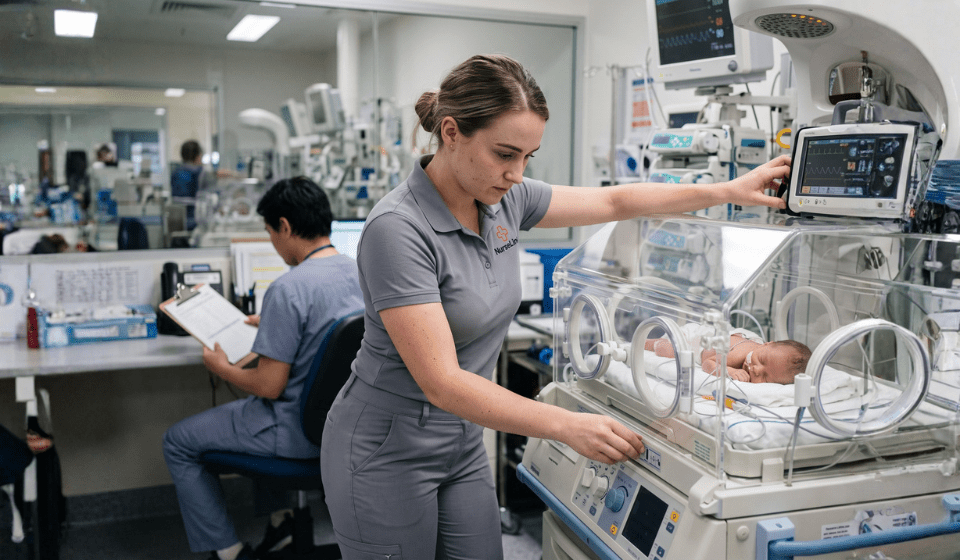
How NurseLink Safely Transferred A Premature Baby Back A Case Study In Clinical Escort Transport Where Every Detail Mattered. Introduction A premature baby in a neonatal intensive care unit is, in almost every meaningful sense, at the beginning of everything. The weeks spent in a humidicrib, tethered to monitors and supported by technology that does the work his body has not yet learned to do alone, are weeks that his parents measure in grams gained and oxygen levels stabilised and the slow, tentative progress of a person who arrived before the world was ready for him. When that baby reaches the point where the Melbourne NICU that has been his entire world since birth determines that he is stable enough to be transferred closer to home, the news is received by his family as something between relief and terror. Relief because home is closer. Terror because the journey between the NICU and the regional hospital that will continue his care is a journey that must be managed with a level of clinical precision that leaves no room for error, in a vehicle that is not a hospital, by a team that must be everything a NICU provides in a form that fits inside a transport incubator. Neonatal transport is among the most clinically demanding forms of non-emergency patient transfer that exists. The patient is small, fragile and dependent on continuous clinical monitoring and support. The environment of the transfer vehicle is a managed approximation of the controlled clinical environment he is leaving. And the team responsible for his safe arrival must hold, for the duration of the journey, the entire clinical picture of a premature infant in transition, ready to respond to anything that changes and committed to delivering him to the receiving hospital in exactly the condition in which he left. At NurseLink Healthcare, we understand that some transfers do not leave room for anything less than perfect. This case study documents how our clinical escort transport team supported the safe transfer of a baby boy born at thirty weeks from a Melbourne neonatal intensive care unit to a regional hospital closer to his family, and what it took to ensure that the journey went exactly as it needed to. To protect the privacy of the family and the clinical teams involved, all identifying details have been kept confidential throughout this case study. The Baby & His Situation The baby at the centre of this case study was born at thirty weeks gestation following a pregnancy that had been proceeding without significant concern until a complication in the third trimester necessitated an emergency delivery. He was born in a regional hospital in Victoria that, recognising immediately that his prematurity and his clinical status required a level of neonatal care beyond what it could provide, arranged his transfer to a Melbourne NICU within hours of his birth. His mother, who had delivered by emergency caesarean section and was herself recovering from surgery, was unable to travel with him. His father had stayed with him through the transfer to Melbourne, sitting in the front of the transport vehicle while his hours-old son lay in the transport incubator in the back, and had remained in Melbourne for the weeks that followed, sleeping in the family accommodation near the hospital and spending every possible hour at his son’s bedside. The weeks in the Melbourne NICU had been the particular combination of gruelling and miraculous that parents of premature babies know. There had been difficult days and better ones. There had been a brief setback in the third week that had frightened everyone and then resolved. And there had been, gradually and then more confidently, progress. Weight gained. Oxygen requirements reduced. The slow accumulation of physiological stability that a premature baby achieves on his own timeline and no one else’s. By six weeks after his birth, the neonatology team at the Melbourne NICU had assessed him as sufficiently stable to be considered for transfer back to the regional hospital near his family. He was still premature by corrected age, still requiring monitoring and some respiratory support and still a long way from discharge home. But the intensive level of intervention that the Melbourne NICU had provided was no longer what he needed, and the clinical case for transferring him closer to his mother and the rest of his family, who had been managing six weeks of separation with the exhausted determination of people who had no other choice, was clear. The transfer was planned for the following week. NurseLink Healthcare was engaged to provide the clinical escort transport. What The Transfer Actually Required The clinical coordinator at the Melbourne NICU who liaised with NurseLink Healthcare about the transfer was thorough and direct in a manner that reflected both her professional experience and the specific weight of what was being planned. She had coordinated many neonatal transfers and she understood precisely what could go wrong and what needed to be in place to prevent it. She needed a transport team with specific neonatal experience, not general paediatric experience and certainly not general nursing experience applied to a neonatal context. She needed clinicians who had worked with premature infants in transport settings, who understood the physiological vulnerabilities of a thirty week corrected age baby in the specific context of a vehicle transfer and who were familiar with the equipment that would be required, the transport incubator, the portable monitoring systems, the oxygen delivery equipment and the medications that needed to be immediately accessible for any clinical eventuality. She outlined the specific clinical concerns relevant to this particular baby. His respiratory status, while improved, remained something to be watched carefully, as the change in environment and the stimulation of the transfer itself could affect an infant whose respiratory regulation was still maturing. His temperature regulation required active management within the transport incubator throughout the journey. His feeding schedule and his comfort during the transfer needed to be managed in a way that minimised the physiological stress
The First Step Out The Door
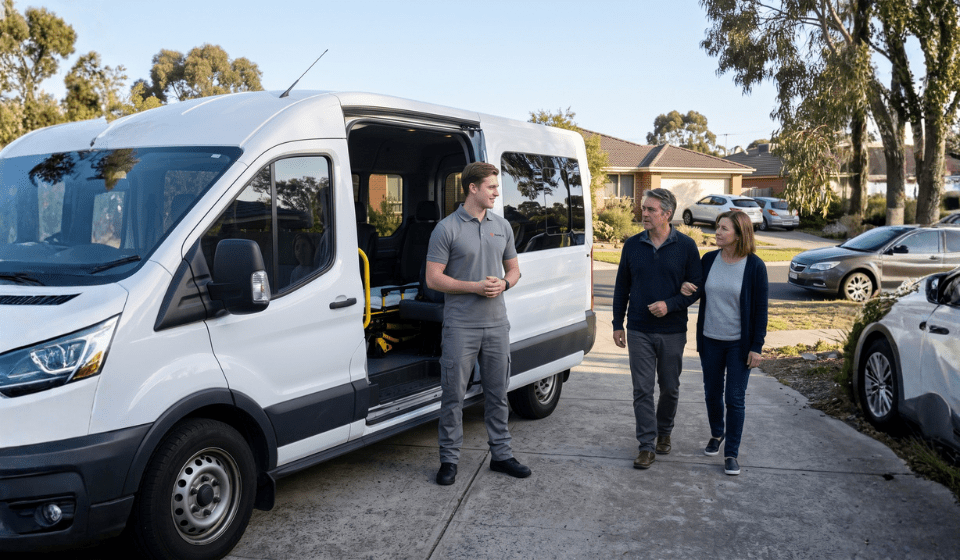
How NurseLink Healthcare Helped A Man With PTSD And Panic Disorder A Case Study In Sensitive, Trauma-Informed Patient Transport For A Patient Whose Greatest Barrier Was The Journey Itself Introduction For most people, getting to a medical appointment is a logistical challenge. A time to arrange, a route to plan, a car park to find. For a person living with severe PTSD and panic disorder, the journey to an appointment can be the appointment’s greatest obstacle. Not the clinical encounter itself, not the conversation with the psychiatrist, not the vulnerability of sitting across from someone and describing what has happened and what it has done. The journey. The leaving of the house. The exposure to an unpredictable environment. The loss of the controlled, familiar space that has become, over months or years of avoidance, the only place that feels safe enough to inhabit. Agoraphobia is a word that most people understand loosely, as a fear of open spaces, but the clinical reality is considerably more specific and considerably more disabling than the loose definition suggests. It is the anticipatory terror of situations from which escape might be difficult or help might not be available if something goes wrong. It is the panic attack in the supermarket that makes the supermarket impossible the following week. It is the gradual narrowing of the world to the dimensions of a house, a room, a corner of a room, as avoidance reduces the anxiety in the short term and reinforces it in the long term. For the man at the centre of this case study, that narrowing had been happening for years. He had not attended a psychiatric appointment in a long time, not because he did not want the help but because the process of getting to it had become, in itself, more than he could manage. The transport that NurseLink Healthcare provided was not simply a vehicle. It was the clinical and human bridge between the corner of his house where his world had contracted to and the appointment room where something might begin to expand it again. At NurseLink Healthcare, we understand that non-emergency patient transport for people with severe mental health conditions requires a specific kind of skill, a specific kind of patience and a specific kind of human presence that goes well beyond driving. This case study documents how our team supported a man in his mid-forties in Adelaide, South Australia, to attend his first psychiatric appointment in years, and what it took to make that journey possible. To protect the privacy of the client and his family, all names and identifying details have been kept confidential throughout this case study. The Client & His Situation The client is a man in his mid-forties who lives in a house in Adelaide’s southern suburbs with his partner, who has been his primary support person through a period of significant mental health decline that had its origins in a traumatic event several years earlier. He had worked before the onset of his current condition in a trade, was practical and self-contained by nature and had, by his own account and his partner’s, never been a person who found it easy to ask for help or to admit that something was beyond him. The PTSD had developed in the aftermath of a workplace incident that he does not discuss in detail and that is his own to keep. What followed the incident was a period of significant psychological deterioration that had not been adequately recognised or treated in its early stages and had progressed, across the following years, to a clinical picture that included severe panic disorder, significant agoraphobia and a pattern of avoidance that had progressively reduced the world he was able to inhabit to the space of his home and, on the most difficult days, to a smaller space within it. His partner had been managing the weight of living alongside this with a combination of love and exhaustion that she kept largely to herself because she understood, with the particular clarity of someone who has lived closely with someone else’s PTSD for years, that her own needs were not the ones that could be addressed first. She had been encouraging him toward psychiatric support for a long time and had learned, through experience, that encouragement produced defensiveness and that the timing of the suggestion mattered more than its content. The timing had arrived, finally, through a crisis that had frightened him enough to accept what she had been suggesting. His GP had made a psychiatric referral. An appointment had been booked. And then the reality of what attending that appointment required had settled over the household like a familiar weight, because the appointment was across the city and getting there meant leaving the house and getting into a vehicle and travelling through an environment that his nervous system had spent years learning to interpret as threatening. His GP, who had known him for several years and who understood the specific nature of the barrier, had contacted NurseLink Healthcare with a specific request. Not just transport. Transport that understood what it was transporting. Understanding What He Actually Needed The initial conversation NurseLink Healthcare had with his GP and subsequently with his partner was one that covered clinical ground that most transport assessments do not reach. His partner described his condition with the accuracy of someone who had been living alongside it for years, and she was specific about what the transport arrangement needed to provide and what it absolutely could not do. He needed a transport officer who would not be visibly anxious, because his nervous system was exquisitely sensitive to the anxiety of people around him and would interpret it as confirmation that the situation was dangerous. He needed someone whose manner was calm in the specific way that is not performed calmness, which he would identify immediately and which would make things worse, but genuine, settled, matter-of-fact calmness that communicated through its ordinariness that the situation was
Every Tuesday & Thursday
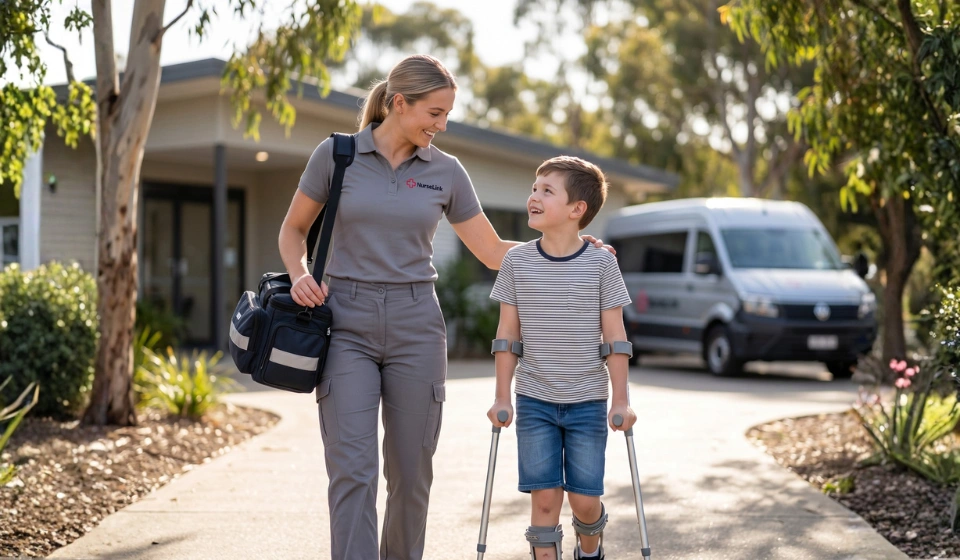
How NurseLink Provided Reliable Transport For A Young Boy With Cerebral Palsy A Case Study In Sensitive, Child-Centred Patient Transport For A Non-Verbal Child With Complex Needs In Bendigo Introduction For a child with complex disabilities, therapy is not a single appointment or an occasional intervention. It is a sustained, structured programme built on consistency, repetition and the gradual accumulation of small gains that, over months and years, add up to something significant. The physiotherapy session that happens every week, the speech therapy appointment that follows a carefully sequenced plan, the occupational therapy that is slowly expanding what a child can do in the world, these are not interchangeable with each other, and they are not optional. They are the work, and the work only works when it happens reliably. Which means that getting a child with complex disabilities to their therapy appointments, consistently, safely and without the kind of distress that can undo the benefit of the session before it has even begun, is not a peripheral concern for the families managing this reality. It is central to whether the therapy achieves what it is meant to achieve. For families in regional Victoria, where specialist therapy services are often located at a distance from where they live and where the logistics of transport add a layer of complexity to an already demanding daily reality, finding the right patient transport solution for a child with significant needs can be genuinely difficult. Not every provider has the vehicles, the equipment or the training to transport a non-verbal child with complex physical and communication needs in a way that is safe, calm and genuinely suited to who that child is. At NurseLink Healthcare, we understand that transporting a child with complex disabilities is an entirely different undertaking from standard patient transport, and that doing it well requires specific capability and specific people. This case study documents how our team supported a young boy with cerebral palsy and complex communication needs in Bendigo, Victoria, and his family, through a sustained period of consistent transport to his therapy programme, after previous arrangements had proven inadequate for his particular needs. To protect the privacy of the child and his family, all names and identifying details have been kept confidential throughout this case study. The Child & His Family’s Situation The child at the centre of this case study is a boy aged between five and seven, living with his parents and younger sister in Bendigo. He has cerebral palsy affecting all four limbs, uses a specialised wheelchair and is non-verbal, communicating through a combination of facial expression, vocalisation and an augmentative and alternative communication device that his speech therapist and family had been developing with him over the preceding two years. He is, by his parents’ description, a child of considerable personality. He has strong preferences, a reliable sense of humour that expresses itself through his expressions and his timing and a clear capacity to communicate contentment, discomfort, interest and displeasure to the people who know him well, without needing words to do it. He is also, as many children with cerebral palsy are, sensitive to sensory input in ways that matter for how he experiences unfamiliar environments, new people and unpredictable situations. A transition that is managed poorly, a vehicle that is too loud, a person whose manner is uncertain or rushed, can shift him from settled to distressed in a way that his parents and his therapy team have learned to take seriously. His therapy programme is intensive and carefully structured. He attends physiotherapy and occupational therapy twice weekly at a paediatric therapy centre located across Bendigo from the family’s home. The sessions are scheduled on the same days each week, at the same times, because consistency of scheduling is part of what makes the programme work for a child whose sense of safety is closely linked to predictability. His mother, who works part time and has a younger child to manage, had been the primary person responsible for getting him to his therapy appointments. For a period, this had been manageable. But the physical demands of transferring him safely between his wheelchair and the family vehicle, managing the journey with a young child also in the car and arriving at therapy in a state that was calm enough to allow the session to be productive had become increasingly difficult as his size and the complexity of his needs had grown. The family had tried one other transport provider before contacting NurseLink Healthcare. The experience had not been suitable. The vehicle had not been well matched to his wheelchair, the transfer process had been managed in a way that had distressed him, and by the time he arrived at two consecutive therapy sessions in an unsettled state, his occupational therapist had raised the transport arrangement directly with his parents as something that needed to change. Understanding What He & His Family Actually Needed The assessment conversation NurseLink Healthcare had with his parents was one that his mother led with considerable thoroughness. She had learned, through experience with providers who had not understood her son, to be specific about what he needed before any arrangement began, rather than discovering the gaps after they had caused him distress. She described him in detail. His communication system and the specific cues his family and therapists used to understand him. The things that settled him during a car journey, a particular playlist of music he responded well to, a consistent and quiet vehicle environment, the reassurance of a familiar voice. The things that unsettled him, unexpected stops, a driver who spoke loudly or unpredictably, any disruption to the routine of how the journey typically went. The transfer process and the specific way it needed to be managed to keep him comfortable and safe, with attention to his positioning needs and the particular handling requirements of a child with his level of physical involvement. She was also clear about what the transport arrangement needed to be for