
Ensuring Safe & Consistent Medical Access
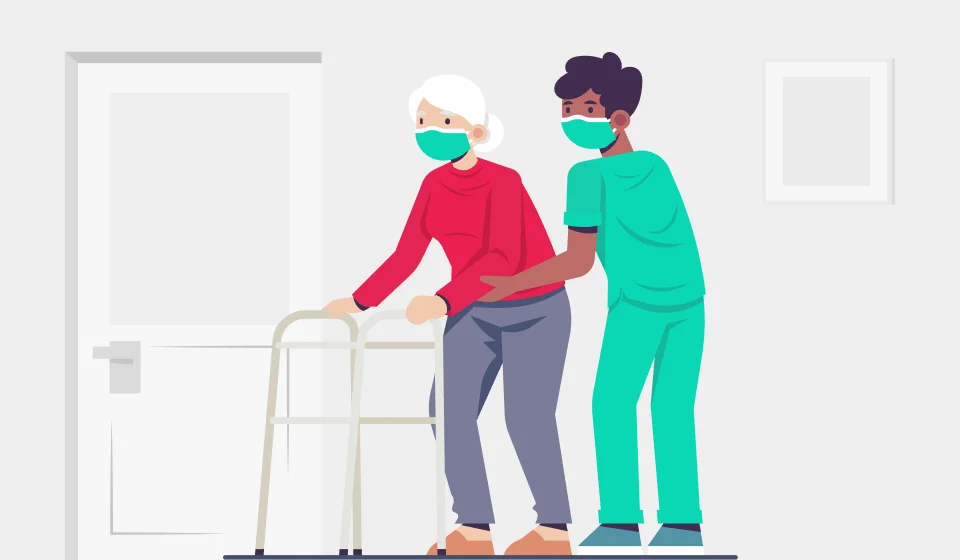
Supporting An Elderly Patient With Mobility Limitations
Introduction
How Reliable NEPT Improved Appointment Attendance & Overall Wellbeing
Access to regular medical care is essential for maintaining health, particularly among elderly patients managing chronic conditions. However, for many seniors, attending medical appointments is not always straightforward. Mobility limitations, lack of reliable transport and physical fatigue can create barriers that prevent consistent access to care.
Non-Emergency Patient Transport (NEPT) services play a vital role in bridging this gap. By providing safe, structured and medically appropriate transport, NEPT ensures that patients who are unable to travel independently can still attend their appointments without unnecessary stress or risk.
This case study explores the experience of an elderly patient living with multiple chronic health conditions who faced ongoing challenges in attending scheduled medical appointments. It highlights how the introduction of a professional NEPT service helped improve consistency, reduce stress and support better health outcomes.
The Patient’s Background & Transport Challenges
The patient in this case is an elderly individual residing in a suburban area of Victoria. They were managing multiple age-related health conditions, including cardiovascular disease and reduced mobility due to arthritis. As part of their treatment plan, the patient was required to attend regular appointments with general practitioners, specialists and physiotherapy providers.
While the importance of these appointments was well understood, attending them consistently became increasingly difficult.
Initially, the patient relied on family members for transportation. Although this arrangement worked temporarily, it soon became unsustainable. Family members had work commitments and other responsibilities, making it challenging to provide transport several times each week.
At times, the patient attempted to use taxis or rideshare services. However, these options presented several challenges. Vehicles were not always suitable for someone with limited mobility, and drivers were generally not trained to assist patients safely when entering or exiting the vehicle. Delays and cancellations also added to the uncertainty.
The physical demands of travel further complicated the situation. Walking long distances, navigating uneven surfaces and getting in and out of standard vehicles caused discomfort and fatigue. After medical appointments, the patient often felt physically drained, making the return journey particularly difficult.
These challenges began to impact appointment attendance. Occasional delays and missed visits disrupted the patient’s treatment plan. Over time, this inconsistency raised concerns among healthcare providers regarding the patient’s long-term health management.
Emotionally, the situation also affected the patient. The uncertainty around transport created anxiety before each appointment. The patient expressed concern about being a burden on family members and felt a growing loss of independence.
Recognising the need for a more reliable and supportive solution, the patient’s healthcare team began exploring professional transport options.
Assessing The Right Transport Solution
The patient was referred to a professional NEPT provider through their healthcare network. The goal was to identify a transport solution that would address both the patient’s medical needs and mobility limitations.
Before commencing services, the NEPT provider conducted a comprehensive pre-transport assessment. This step is essential in ensuring that the transport plan is tailored to the individual patient.
During the assessment, several key factors were evaluated:
- The patient’s medical conditions and overall health status.
- Level of mobility and ability to transfer independently.
- Need for assistance during boarding and exiting.
- Frequency and timing of medical appointments.
- Any specific comfort or positioning requirements.
The assessment revealed that while the patient could sit upright during transport, they required assistance when entering and exiting the vehicle. They also needed a stable and comfortable seating environment to minimise discomfort during travel.
Based on these findings, a seated NEPT service with trained support staff was identified as the most appropriate option.
Coordination between the transport provider, healthcare professionals and the patient’s family was a key part of the planning process. Appointment schedules were reviewed to establish consistent pickup and drop-off times.
Clear communication ensured that all parties understood how the service would operate. This included details such as arrival times, assistance levels and procedures for any changes in scheduling.
This structured approach allowed the NEPT provider to design a reliable transport plan aligned with the patient’s healthcare routine.
The NEPT Solution Delivered
Following the assessment, a tailored NEPT service was implemented to support the patient’s ongoing medical appointments.
The service included scheduled door-to-door transport, with pickups arranged directly from the patient’s residence. Vehicles used for transport were designed to prioritise patient safety and comfort.
One of the most significant improvements was the introduction of a consistent schedule. The patient was collected at the same time for recurring appointments, which helped establish a predictable routine.
Transport staff played an essential role in the patient’s experience. They assisted the patient from the front door to the vehicle, ensuring safe movement at every step. Upon arrival at the medical facility, staff supported the patient through entry procedures, reducing physical strain.
During transit, the patient was seated comfortably and securely. Staff monitored the patient’s condition and ensured that the journey remained smooth and stress-free.
Return transport was also pre-arranged, eliminating the need for the patient to organise travel after appointments. This was particularly beneficial on days when the patient felt fatigued.
Communication between the NEPT provider and healthcare facilities ensured that appointment times were met consistently. Any delays or changes were managed proactively, minimising disruption.
Overall, the service provided a structured and supportive transport experience tailored to the patient’s needs.
Outcomes & Impact
The introduction of professional NEPT services led to several positive outcomes for both the patient and their support network.
Improved Appointment Attendance
One of the most immediate benefits was a significant improvement in appointment attendance. With reliable transport in place, the patient was able to attend all scheduled medical visits on time.
This consistency allowed healthcare providers to deliver treatment as planned, leading to better management of the patient’s health conditions.
Enhanced Physical And Emotional Wellbeing
The reduction in transport-related stress had a noticeable impact on the patient’s overall wellbeing. Knowing that transport was organised and reliable helped reduce anxiety before appointments.
Physically, the patient experienced less fatigue due to assisted travel and comfortable transport conditions.
Greater Independence
The patient no longer needed to rely on family members for transport. This restored a sense of independence and dignity, which is particularly important for elderly individuals.
The ability to attend appointments independently contributed to improved confidence and a more positive outlook.
Reduced Burden On Family Members
For the patient’s family, the introduction of NEPT services provided significant relief. They were no longer required to coordinate frequent transport, allowing them to focus on providing emotional support instead.
This shift improved the overall balance between caregiving responsibilities and personal commitments.
Better Healthcare Outcomes
Consistent attendance at medical appointments enabled more effective monitoring and management of the patient’s conditions. Early identification of potential issues and timely interventions contributed to improved long-term health outcomes.
Patient Reflection
The patient later shared their experience of using the NEPT service:
“I used to worry about how I would get to my appointments each week. Now, everything is organised, and I feel supported every step of the way. It has made a big difference to my confidence and peace of mind.”
This reflection highlights how reliable transport can positively impact not only physical health but also emotional wellbeing.
Key Takeaways From This Case Study
This case study demonstrates the critical role that Non-Emergency Patient Transport plays in supporting elderly patients.
One of the key insights is that transport should be considered an essential part of healthcare, not an optional service. Without reliable access to appointments, even the best treatment plans can become ineffective.
The importance of individualised assessments is also evident. By understanding the patient’s specific needs, transport providers can deliver services that are both safe and appropriate.
Another important takeaway is the value of structured scheduling and coordination. Reliable, predictable transport reduces stress and ensures that healthcare routines are maintained.
The case also highlights the impact of a patient-centred approach. When services prioritise dignity, comfort and clear communication, the benefits extend beyond the journey itself.
Finally, this example reinforces the broader role of NEPT in the healthcare system. By enabling consistent access to medical care, professional transport services contribute to improved patient outcomes and a higher quality of life.
Conclusion
For elderly patients with mobility challenges, attending medical appointments can become a significant obstacle. However, as this case study demonstrates, the introduction of a reliable NEPT service can transform this experience.
Through careful assessment, structured planning and professional support, NEPT ensures that patients can access healthcare safely, comfortably and consistently.
Beyond transportation, it provides reassurance, independence and a vital connection to ongoing medical care.
As healthcare systems continue to evolve, services like NEPT will remain essential in ensuring that no patient is left behind due to transport limitations.
Latest Post
A Safe Journey Home After Surgery