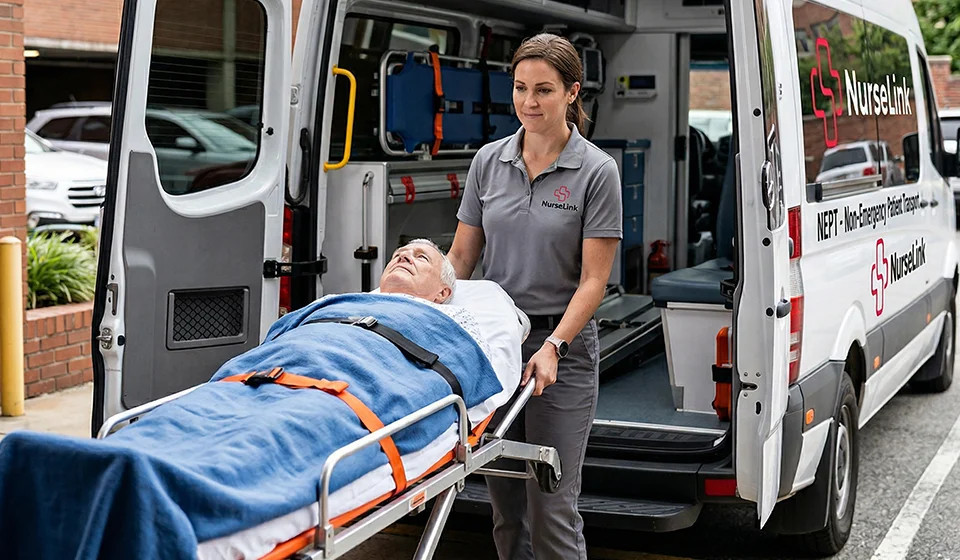
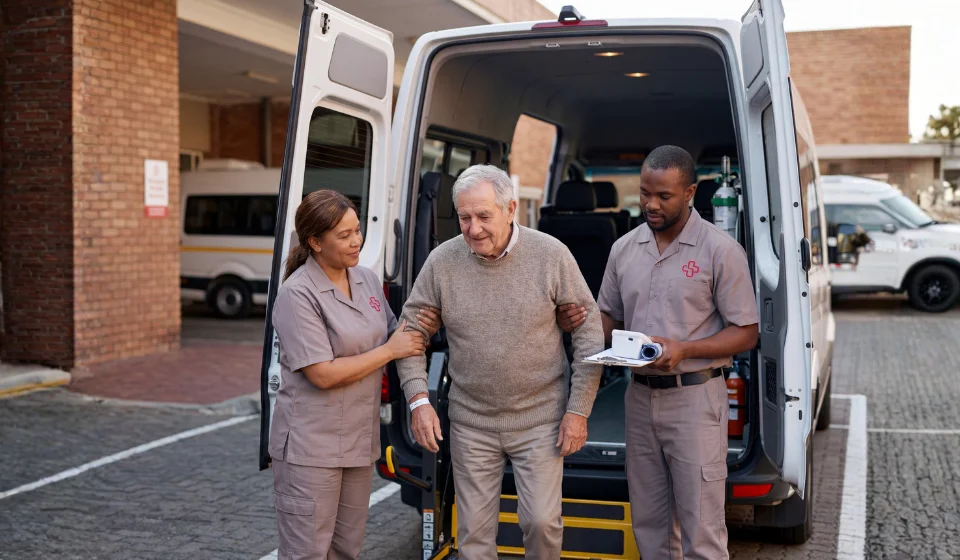
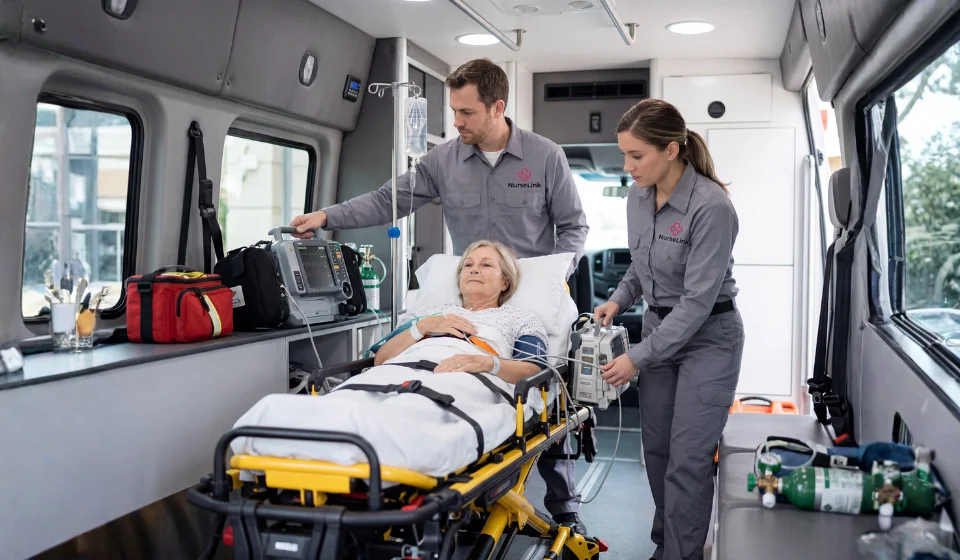
Transporting individuals who use wheelchairs involves unique safety responsibilities that go well beyond simply loading a mobility device into a vehicle. Whether the journey is to a medical appointment, rehabilitation facility, community program or hospital transfer, careful planning and correct procedures are essential to ensure the passenger’s safety and comfort. In Australia, wheelchair transport takes place in many settings including healthcare transport services, disability support programs, aged care services and family caregiving situations. Safe transport requires more than just a wheelchair accessible vehicle. It involves trained staff, correct equipment, securement systems and a clear understanding of the passenger’s health and mobility needs. This guide is written for family carers, support workers, NDIS providers and professional transport staff who want to understand the key safety considerations involved in transporting wheelchair users.
Understanding The Risks Involved In Wheelchair User Transport
Wheelchair transport carries specific risks that must be carefully managed to protect passengers from injury or discomfort during travel. Many incidents occur when transport procedures are rushed or when equipment is used incorrectly. Wheelchairs that are not properly secured can move unexpectedly during sudden braking, cornering or uneven road conditions. Even small movements inside a vehicle can cause significant instability for a wheelchair user.
Passengers who rely on wheelchairs often have complex health needs or limited mobility. This makes them more vulnerable to injury if transport procedures are not followed carefully. Poor positioning, incorrect securement or rushed boarding procedures can increase the likelihood of falls, discomfort or postural strain during the journey.
Some of the most common risks associated with wheelchair transport include:
- Injuries that occur when wheelchairs are not properly secured inside the vehicle.
- Instability caused by sudden vehicle movement when securement systems are not used correctly.
- Incorrect passenger positioning leading to discomfort or pressure related injuries.
- Increased vulnerability for individuals with complex medical or postural support needs.
- Falls or tipping incidents during rushed boarding or unloading procedures.
Understanding these risks is an essential part of safe wheelchair transport planning. A thorough risk assessment for wheelchair users on transport helps identify potential hazards before the journey begins. When carers and transport staff are aware of these risks, they are better equipped to implement effective safety practices that protect both the passenger and the person providing assistance.
Vehicle Requirements For Safe Wheelchair Transportation
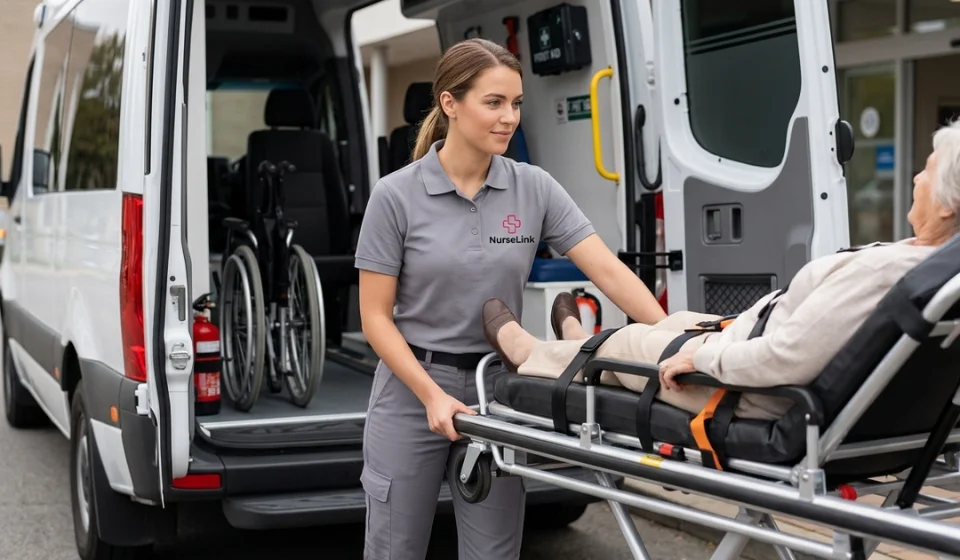
Vehicles used for wheelchair transport must meet specific safety standards to ensure they can safely accommodate passengers with mobility needs. In Australia, many professional transport providers use purpose built wheelchair accessible vehicles that include specialised equipment designed to support safe boarding, positioning and travel.
One of the most important vehicle features is the ramp or lift used to load the wheelchair. These systems must meet safety requirements relating to gradient, weight capacity and slip resistance. A ramp that is too steep or unstable can increase the risk of tipping while boarding the vehicle. Properly designed lifts provide additional stability for heavier wheelchairs or powered mobility devices.
Interior vehicle design is equally important. Wheelchair transport vehicles must include sufficient space to safely position the wheelchair and allow securement systems to be attached correctly. Floor anchoring systems are installed to hold securement straps and prevent the wheelchair from moving during travel.
Comfort considerations are also essential when transporting passengers who may be medically vulnerable. Vehicles should provide adequate ventilation and temperature control to ensure a stable environment during the journey. For individuals who may be sensitive to heat or cold due to medical conditions, maintaining appropriate temperature levels is an important part of patient care.
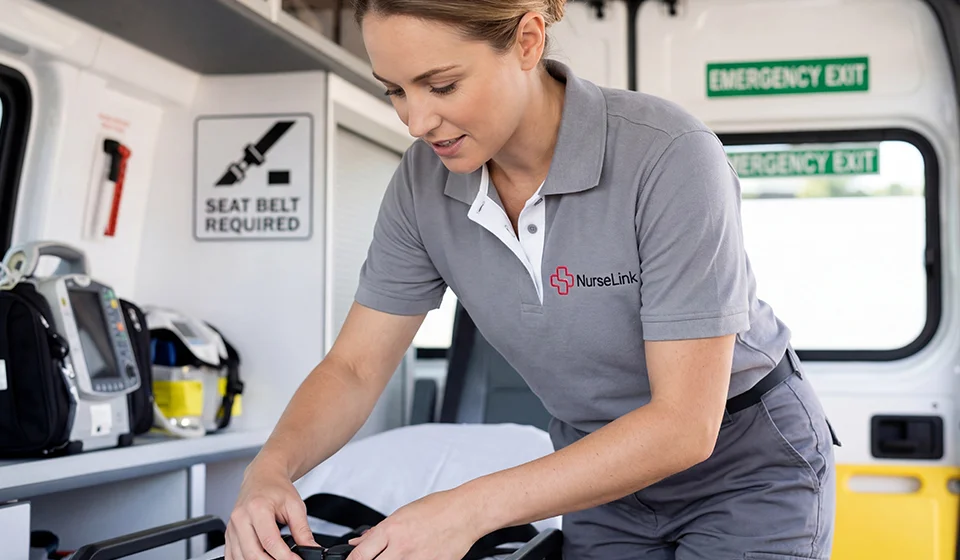
Regular inspection and maintenance are necessary to keep all equipment functioning safely. Ramps, lifts, securement systems and vehicle restraint points must be checked frequently to ensure they remain reliable. This is one of the key wheelchair transport safety measures that helps prevent equipment failure during transport.
It is also important to recognise the difference between purpose built wheelchair transport vehicles and basic vehicle modifications. Professional transport vehicles are designed with accessibility and safety in mind, while basic modifications may not provide the same level of stability or compliance with safety standards.
How To Correctly Secure A Wheelchair During Transport?
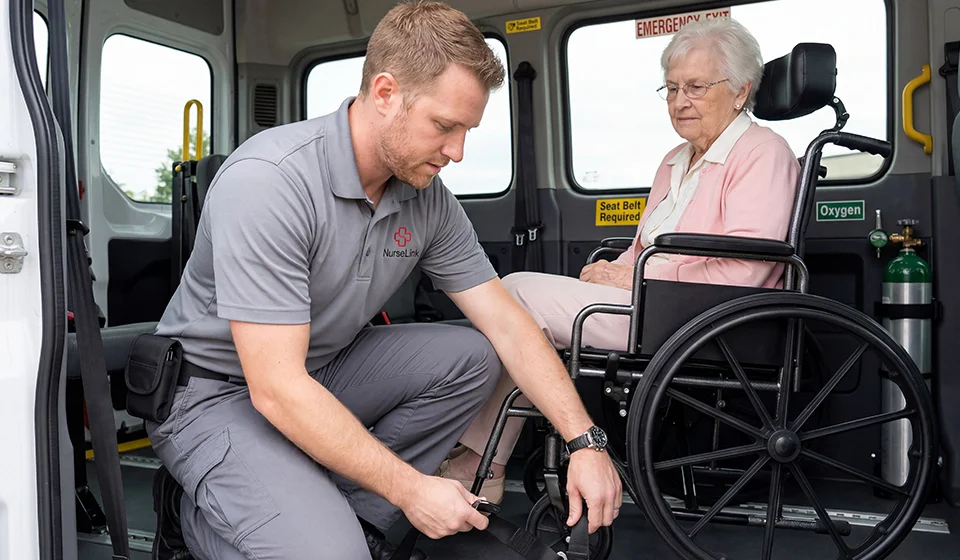
Proper wheelchair securement is the single most important step in ensuring passenger safety during transport. When a wheelchair is correctly secured, it becomes stable within the vehicle and significantly reduces the risk of movement during the journey. Securement systems are specifically designed to restrain the wheelchair while allowing the passenger to travel comfortably.
The most widely used system for wheelchair securement is the four-point tie-down system. This system uses four straps that attach to strong structural points on the wheelchair frame and anchor to the vehicle floor. Two straps are attached to the front of the wheelchair and two to the rear, creating a stable and balanced restraint system.
Several key steps are involved in safe wheelchair securement:
- Position the wheelchair facing forward in the designated wheelchair space within the vehicle.
- Attach front tie-down straps to the appropriate structural points on the wheelchair frame.
- Secure the rear straps and tighten them to eliminate slack or movement.
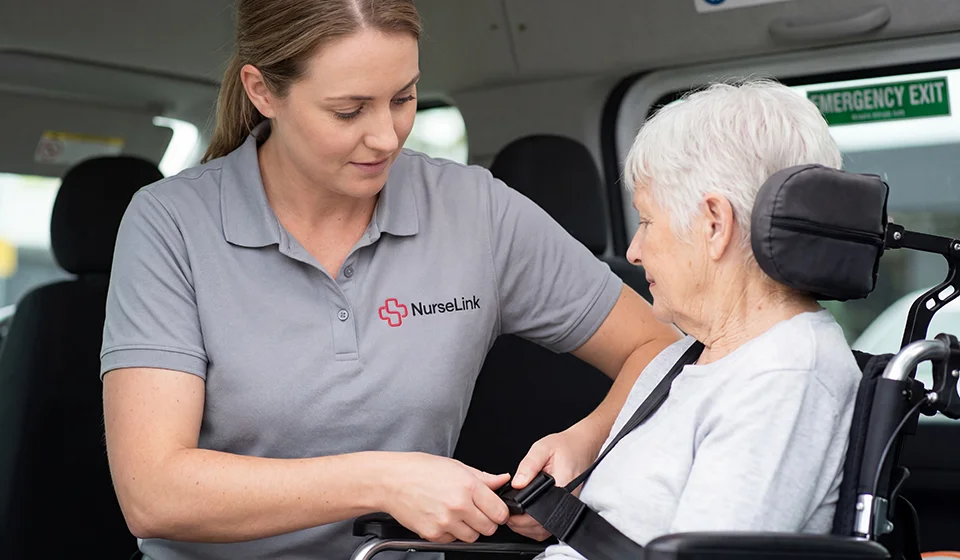
- Apply a separate lap and shoulder seatbelt to the passenger in addition to wheelchair restraints.
- Double-check all straps and restraints before the vehicle begins moving.
It is important to understand that wheelchair restraints secure the wheelchair itself rather than the passenger. For this reason, the passenger must always wear a seatbelt during transport. This additional restraint provides protection during sudden braking or unexpected vehicle movements.
Powered wheelchairs and tilt-in-space chairs may require additional attention when applying restraints. Their weight and structure may require stronger anchor points or additional positioning supports to maintain stability during travel. Following established wheelchair transport procedures ensures that each passenger is transported according to recognised safety standards.
If securement equipment is damaged or not functioning correctly, the transport journey should not proceed until the issue is resolved. Attempting to transport a wheelchair without reliable securement equipment places the passenger at significant risk.
Managing Medical & Mobility Needs During The Journey
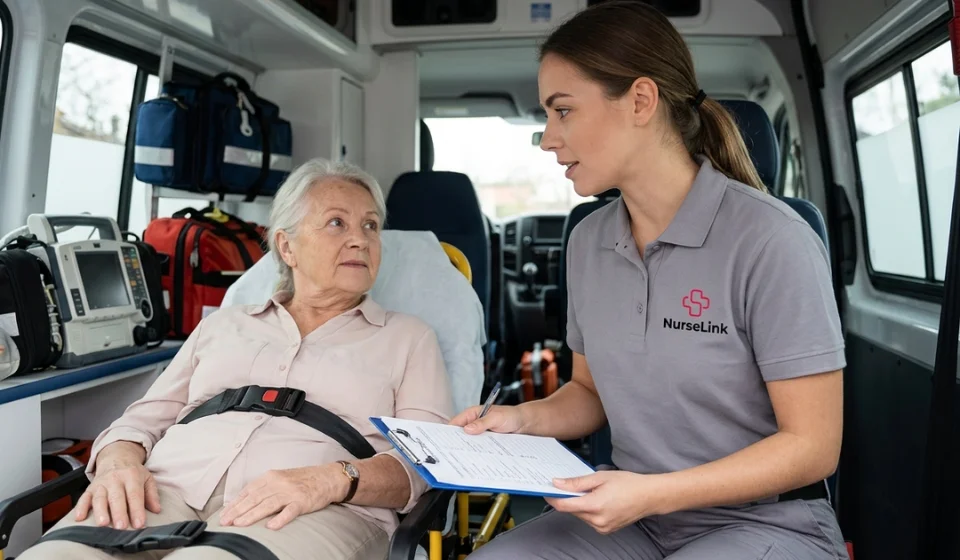
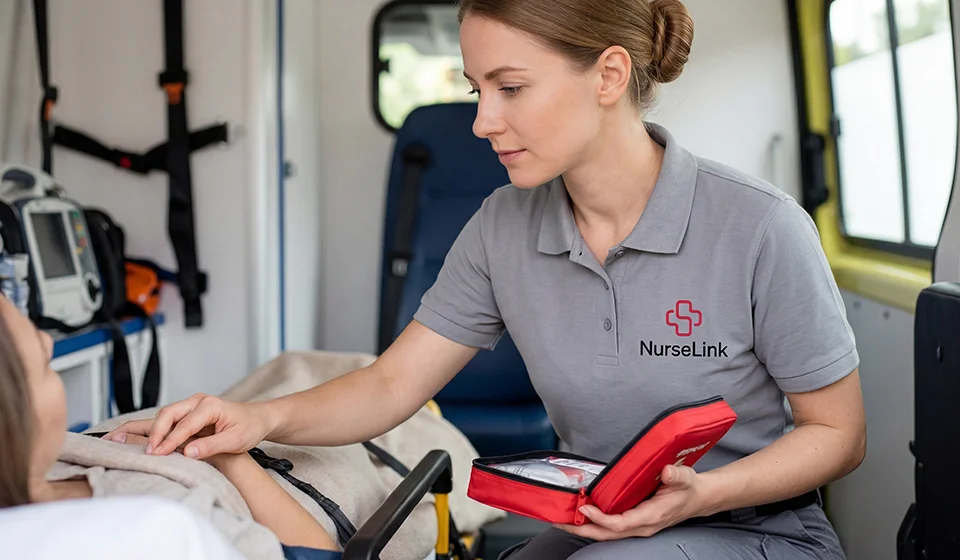
Transporting a wheelchair user safely involves more than securing the wheelchair inside the vehicle. Transport staff and carers must also monitor the passenger’s well-being throughout the journey to ensure comfort and safety. This includes observing posture, breathing, circulation and overall comfort during travel.
Passengers with limited mobility may not be able to adjust their own seating position. If their posture shifts during the journey, they may experience discomfort or pressure-related issues. Transport staff should be attentive to these changes and make adjustments when necessary.
Recognising signs of distress or medical deterioration is another important responsibility during transport. Symptoms such as sudden discomfort, breathing difficulties, dizziness or changes in responsiveness may indicate that the passenger requires immediate attention.
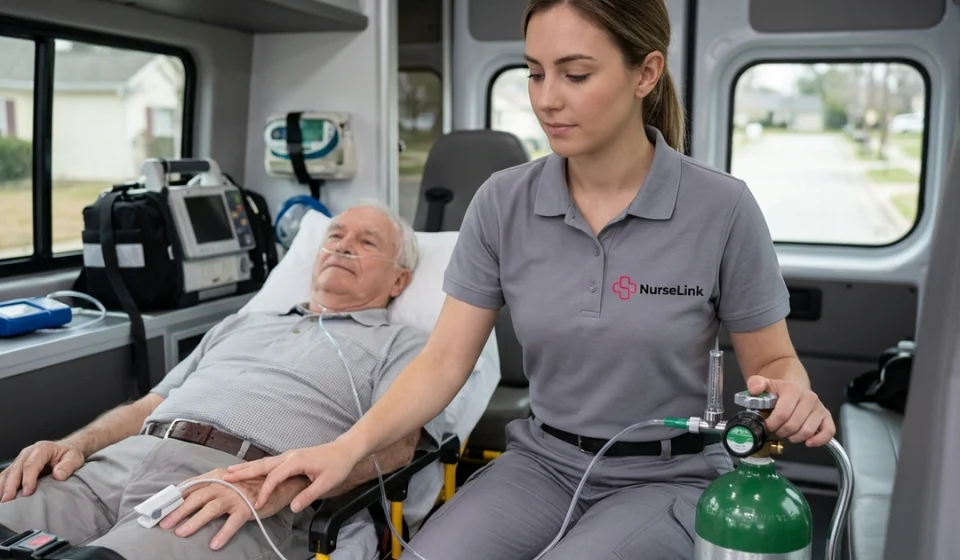
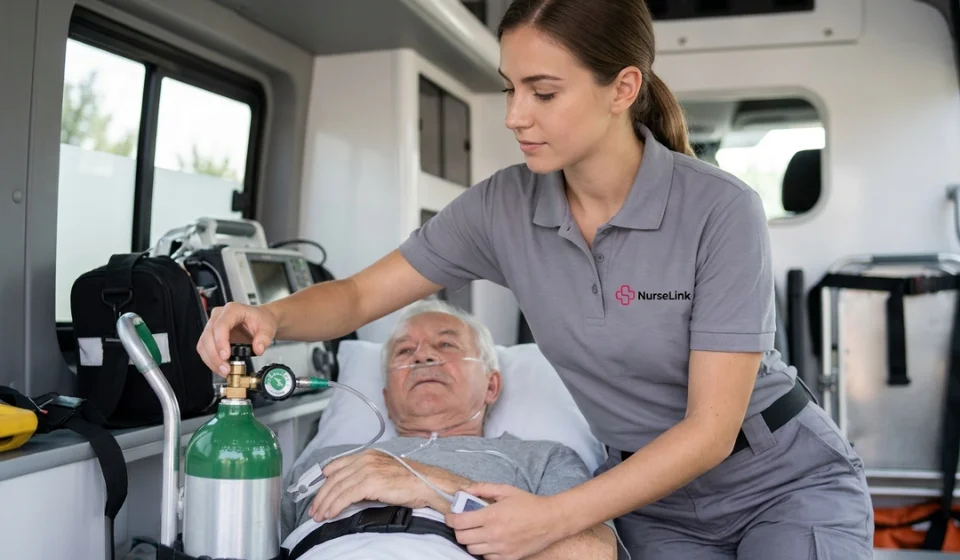
Passengers may also travel with medical equipment such as oxygen cylinders, catheters or feeding tubes. These devices must be carefully secured and monitored to ensure they remain stable during transit. Staff should ensure that equipment remains accessible and functional throughout the journey.
Communication is a key part of maintaining passenger comfort. Explaining what will happen during the journey helps reduce anxiety and allows the passenger to feel involved in the process. Clear communication also provides opportunities for the passenger to express concerns or request adjustments to improve comfort.
In situations where a passenger experiences unexpected medical symptoms, transport staff should be prepared to stop the vehicle and seek assistance if required. Professional transport services follow established wheelchair transport safety guidelines that outline appropriate responses to these situations.
Training & Skills Required To Safely Transport Wheelchair Users
Providing safe wheelchair transport requires more than basic driving ability. Individuals responsible for transporting wheelchair users must possess practical training and skills that allow them to manage mobility assistance safely and effectively.
Manual handling training is a core competency for anyone involved in wheelchair transport. This training teaches carers and transport staff how to safely assist passengers during transfers, boarding and unloading procedures. Correct manual handling techniques reduce the risk of injury for both the passenger and the person providing assistance.
Transport staff must also understand how to read and apply a passenger’s care plan or transport instructions. These documents may include important information about positioning requirements, medical conditions or mobility restrictions that affect how the passenger should be transported.
First aid and emergency response training are also important components of safe transport practices. While most wheelchair transport journeys are routine, staff must still be prepared to respond appropriately if a passenger becomes unwell during travel.
Ongoing professional development helps transport workers remain up to date with new equipment, updated safety standards and best practice procedures. As mobility equipment evolves, training programs ensure that carers and transport providers maintain current knowledge.
In Australia, recognised training programs are available for healthcare transport workers, disability support staff and carers who regularly assist wheelchair users. These programs provide practical instruction in safe transport techniques and help reinforce compliance with recognised wheelchair transport safety guidelines.
Final Thoughts
Transporting wheelchair users safely requires proper preparation, suitable equipment and trained assistance at every stage of the journey. Conducting a risk assessment and using correct securement and monitoring practices helps prevent hazards and protect passengers. Carers and support workers benefit from learning safe transport techniques, while many families rely on professional services for added safety. At NurseLink Healthcare, every journey is guided by strong safety standards to ensure wheelchair users travel with dignity, comfort and confidence.