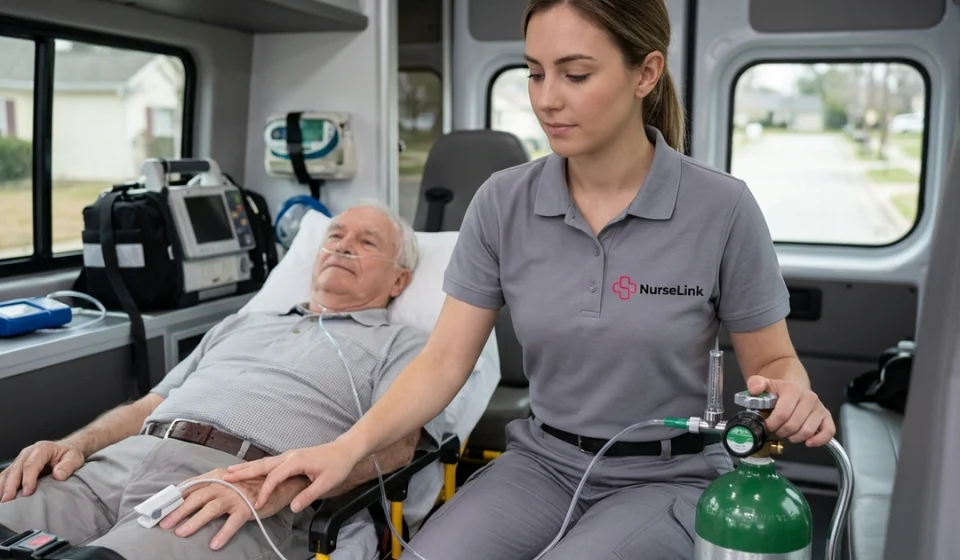
Patient transport plays an essential role in modern healthcare by ensuring individuals can travel safely between homes, hospitals, clinics and care facilities when they require medical attention. These services support patients who may have limited mobility, chronic health conditions or recovery needs that make standard travel difficult or unsafe. In this context, safety and reliability are not optional features but critical components of quality healthcare delivery. Every day, elderly patients, individuals with disabilities, people recovering from surgery and those attending ongoing treatments rely on transport services to access medical care. This guide is written for patients, families, carers and healthcare coordinators who want to better understand why dependable patient transport is so important to health outcomes and overall wellbeing.
How Patient Transport Affects Health Outcomes
Reliable transport is a fundamental part of accessing healthcare. For many patients, especially those living with chronic conditions or mobility limitations, attending medical appointments depends entirely on the availability of safe transport services. When transport systems function effectively, patients are more likely to receive timely treatment, attend follow-up appointments and maintain continuity of care. In contrast, delays or missed journeys can interrupt treatment plans and increase the risk of health complications.
The quality of transport also influences a patient’s physical and emotional comfort. Patients who are transported in stable, well-equipped vehicles by trained professionals experience less stress and discomfort during travel. This is particularly important for individuals recovering from surgery, those undergoing dialysis or cancer treatments, and elderly patients who may be physically fragile. Transport therefore, becomes an extension of the broader care pathway rather than a separate service.
Reliable transport services contribute to better health outcomes in several ways:
- Ensuring patients arrive on time for medical appointments, treatments and procedures.
- Reducing the risk of condition deterioration caused by missed or delayed healthcare access.
- Providing comfortable and supportive travel for patients with mobility or medical needs.
- Supporting continuity of care between hospitals, clinics, rehabilitation centres and homes.
- Minimising emotional stress for both patients and their families during healthcare journeys.
In real-world healthcare settings, transport reliability can influence recovery timelines and patient satisfaction with care. For example, a patient undergoing regular dialysis must attend multiple sessions each week. If transport services are inconsistent or late, the patient’s treatment schedule can be disrupted, which may directly affect their health. Likewise, individuals attending rehabilitation programs benefit greatly from dependable transport that allows them to maintain routine therapy appointments.
Transport quality also affects psychological wellbeing. Stressful or unpredictable travel arrangements can create anxiety for patients and their families, particularly when medical appointments are critical. Reliable patient transport services provide reassurance that individuals will reach their destination safely and without unnecessary delays.
Key Safety Standards In Patient Transport Services
Patient transport services in Australia operate within established safety frameworks designed to protect patients during every stage of travel. These frameworks are guided by national and state healthcare standards that address vehicle safety, patient handling procedures and professional training requirements. Compliance with these standards ensures that patients receive consistent and safe care while moving between healthcare environments.
Vehicle safety is a central component of these standards. Transport vehicles must be purpose built to accommodate patients with different mobility needs. This includes wheelchair accessible vehicles equipped with ramps or lifts, stretcher transport vehicles fitted with secure restraint systems and vehicles that allow safe patient transfers. Regular vehicle maintenance and safety inspections help prevent mechanical issues that could place patients at risk.
Patient securement protocols are equally important. Wheelchairs, stretchers and other mobility devices must be properly anchored during transport to prevent movement or instability while travelling. These procedures are essential for protecting patients who may already be vulnerable due to illness or injury.
Infection control is another key aspect of patient transport safety. Vehicles and equipment must be cleaned and sanitised between journeys to minimise the risk of infection transmission. Staff are trained to follow hygiene protocols, including proper use of personal protective equipment when required.
Clear documentation and communication processes also form part of these safety standards. Transport staff must accurately record patient information, travel details and clinical observations. Effective handover communication between transport teams and healthcare facilities ensures that patients receive continuous care when they arrive at their destination.
To maintain high standards across the sector, transport providers may undergo accreditation processes and compliance audits. These assessments verify that services meet regulatory expectations and continue to operate safely within the healthcare system.
Risks Of Choosing An Unreliable Patient Transport Provider
Choosing an unreliable transport provider can create significant risks for patients and healthcare providers. When transport services fail to meet safety and operational standards, patients may experience delays, discomfort or even injury during travel. For individuals with medical vulnerabilities, these risks can have serious consequences.
Unreliable providers may lack the training, equipment or systems required to safely manage patient transport. In some cases, vehicles may not be properly maintained or staff may not have the necessary skills to assist patients with mobility challenges. These issues can compromise both patient safety and the overall healthcare experience.
Common risks associated with unreliable transport providers include:
- Delayed arrivals cause patients to miss critical medical appointments.
- Staff who are inadequately trained to manage complex patient needs.
- Poorly maintained vehicles create safety hazards during travel.
- Lack of communication with healthcare teams and family members.
- Improper patient handling or securement procedures.
These risks can lead to clinical consequences. For example, a patient recovering from surgery may experience increased pain or injury if transferred incorrectly. Similarly, patients with limited mobility may face falls or discomfort if staff are not properly trained in safe transfer techniques.
Beyond the physical risks, unreliable transport services can create emotional and financial stress. Families may need to arrange last-minute alternatives or reschedule important medical appointments. These disruptions can delay treatment and increase anxiety for patients who are already facing health challenges.
What Makes A Patient Transport Service Truly Dependable?
A dependable patient transport service is defined by consistency, professionalism and patient-centred care. Reliable providers prioritise punctuality and careful planning so that patients arrive at their appointments without unnecessary stress. On-time performance is essential because medical schedules often depend on precise timing, particularly for treatments such as dialysis, imaging or specialist consultations.
Communication also plays a crucial role in building trust with patients and healthcare teams. Dependable transport services maintain clear communication with families, carers and healthcare coordinators. Patients are informed about pick-up times, travel arrangements and any changes to their journey. This transparency helps reduce uncertainty and allows healthcare providers to plan patient care effectively.
Well-maintained vehicles are another key indicator of reliability. Professional transport providers operate vehicles that are specifically designed to support patient needs. These vehicles include safety features such as wheelchair restraint systems, stretcher mounts and accessibility equipment that make boarding and travel safe and comfortable.
Before each journey, a reputable provider will also conduct a pre-transport assessment. This process involves reviewing the patient’s mobility requirements, health status and any additional support needed during the trip. By understanding each patient’s individual needs, transport teams can prepare the appropriate vehicle and equipment.
A dependable service also demonstrates a strong commitment to compliance with safety regulations and accreditation standards. Providers that maintain these standards show that patient safety is central to their operations. Ultimately, a reliable service goes beyond simply transporting someone from one location to another. It focuses on delivering a supportive and respectful experience that protects patient dignity throughout the journey.
The Role Of Trained Staff In Safe Patient Transport
The qualifications and experience of transport staff are fundamental to safe patient transport. Patient transport officers must possess a combination of driving skills, healthcare awareness and patient handling expertise. Their training allows them to safely assist individuals with mobility limitations and monitor patient wellbeing during travel.
Clinical training programs provide transport staff with knowledge of first aid, patient observation and basic healthcare procedures. These skills allow staff to respond appropriately if a patient becomes unwell during transport. Although patient transport services are not emergency response units, staff must still be prepared to manage unexpected situations until further medical assistance is available.
Manual handling training is another critical component of staff preparation. Transport officers frequently assist patients in and out of vehicles, wheelchairs and stretchers. Proper lifting and transfer techniques protect both patients and staff from injury while maintaining patient comfort.
Trained professionals also understand how to communicate effectively with patients who may be anxious, unwell or experiencing pain. Empathy and clear communication help make the transport experience less stressful, particularly for elderly patients or individuals attending important medical treatments.
The difference between a trained transport professional and an untrained driver can significantly affect patient outcomes. Skilled staff are able to recognise potential risks, provide reassurance during the journey and ensure that patients reach their destination safely and comfortably.
Final Thoughts
Safe and reliable patient transport is an essential component of healthcare that directly affects patient health, comfort and overall well-being. Reliable services ensure that patients can attend medical appointments, receive ongoing treatment and move between healthcare facilities without unnecessary stress or risk. Trustworthy providers stand out through their commitment to safety standards, trained staff, well-equipped vehicles and clear communication with patients and healthcare teams. Patients and families should feel confident asking questions about transport providers before booking services to ensure that the highest standards of care are maintained. Professional patient transport services also support the broader healthcare system by improving access to care and ensuring continuity between medical settings. At NurseLink Healthcare, these principles guide every aspect of our work, helping individuals across Australia travel safely while maintaining dignity, comfort and confidence throughout their healthcare journey.