Non-emergency patient transport (NEPT) refers to the planned and medically supported movement of patients who require assistance travelling to or from healthcare facilities but do not need urgent ambulance care. Unlike emergency ambulance services that respond to life threatening situations, NEPT services are designed for individuals who are medically stable yet still require supervision, specialised vehicles, or trained support during transit. Standards and regulations exist in the NEPT sector to ensure that patient safety, comfort, and clinical oversight are consistently maintained throughout the transport process. This guide is written for patients, families, carers, and healthcare coordinators who want to understand how professional transport providers operate and what safeguards are in place to protect patients during non-emergency transfers.
Key Standards & Regulations Governing NEPT
Across Australia, non-emergency patient transport services operate within a structured regulatory framework designed to ensure safe and consistent care during patient transfers. These standards outline how transport providers should manage vehicles, staff training, patient handling procedures, and clinical oversight. The aim of these frameworks is to protect patients who may be medically vulnerable while ensuring that transport services integrate smoothly with hospitals, community healthcare providers, and aged care facilities.
State and territory health departments oversee the licensing, monitoring, and compliance of transport providers within their jurisdictions. Each region implements its own version of non-emergency patient transport regulations, which outline operational expectations, service capabilities, and safety responsibilities. Providers must also follow nationally recognised nept guidelines and adhere to established patient transfer safety guidelines to maintain accreditation and operate legally within the healthcare system.
- National healthcare frameworks establish the baseline operational expectations for NEPT services across Australia.
- State and territory health departments regulate licensing, operational standards, and service compliance.
- Providers must comply with non-emergency patient transport guidelines covering vehicle standards, equipment, and staff training.
- Accreditation bodies conduct audits and assessments to confirm that providers meet industry requirements.
- Organisations that fail to meet regulatory standards may face penalties, licence suspension, or operational restrictions.
These governance systems ensure that patients receiving transport services experience consistent levels of safety and professionalism regardless of location.
Types Of Non-Emergency Patient Transport Services
Non-emergency patient transport services are designed to accommodate a wide range of patient needs, from individuals who can walk independently to those requiring advanced medical support during transit. Matching the correct type of transport service to a patient’s condition is essential for maintaining safety and comfort.
Sedan transport is typically used for ambulatory patients who can walk with minimal assistance. These services are ideal for individuals attending routine medical appointments, follow-up consultations, or outpatient procedures. While these patients do not require intensive support, drivers are trained to assist with entry and exit from vehicles and ensure a safe journey.
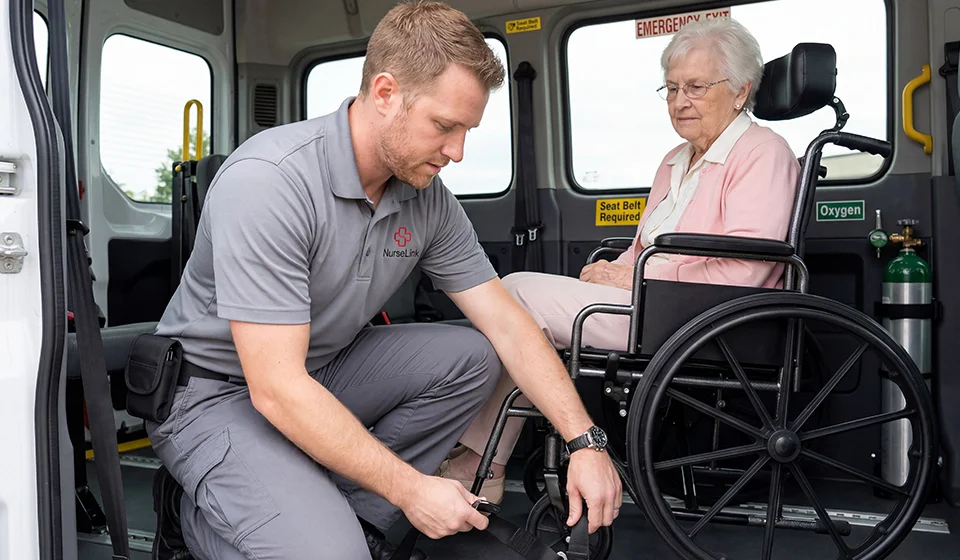
Wheelchair-accessible transport is suitable for patients who rely on mobility aids and require specialised vehicle access. These vehicles are fitted with ramps or lifts and securement systems that stabilise wheelchairs during travel. Proper securement and adherence to the rules for safe patient transfer are critical to preventing injury or discomfort.
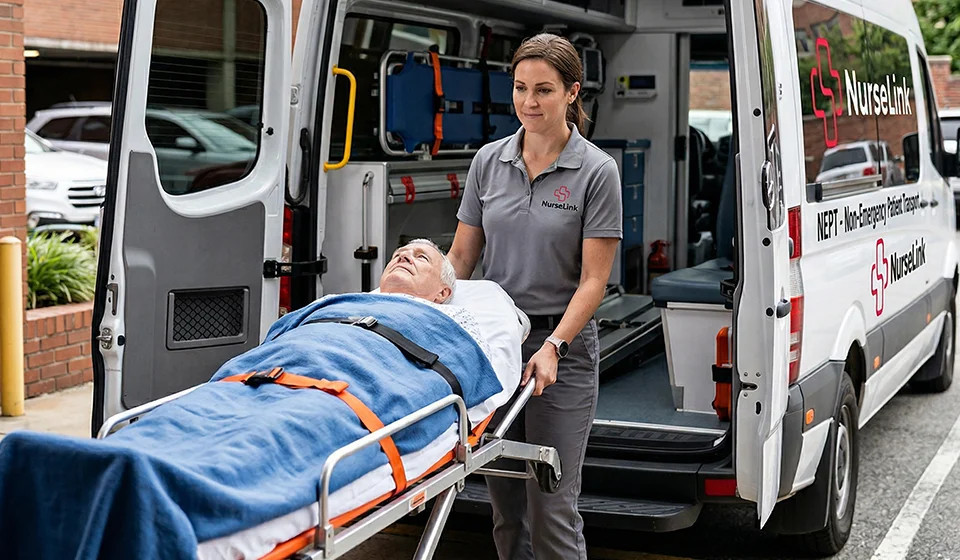
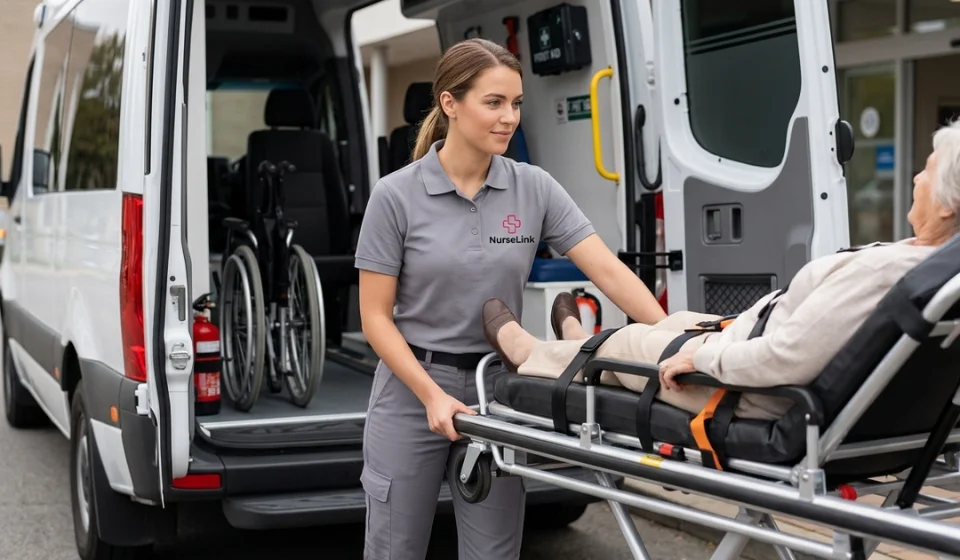
Stretcher transport services are designed for patients who must remain in a lying position during transit. This may include individuals recovering from surgery, experiencing significant mobility limitations, or requiring additional physical support. Stretcher vehicles are equipped with secure medical stretchers and safety restraints that allow patients to travel safely over longer distances.
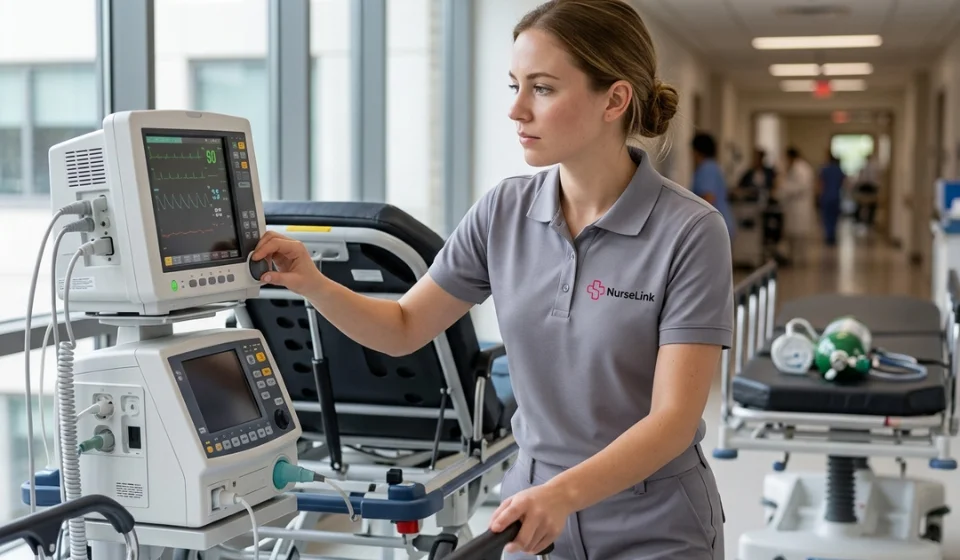
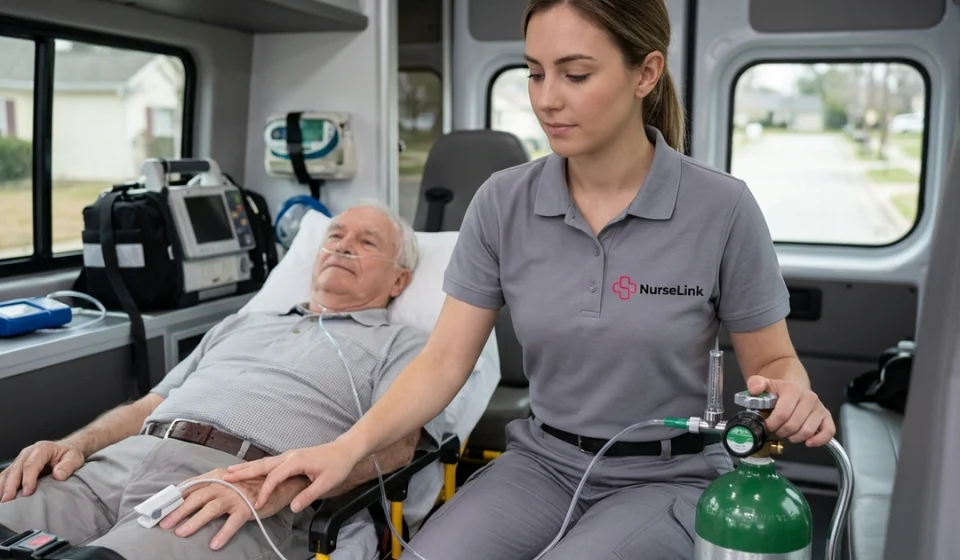
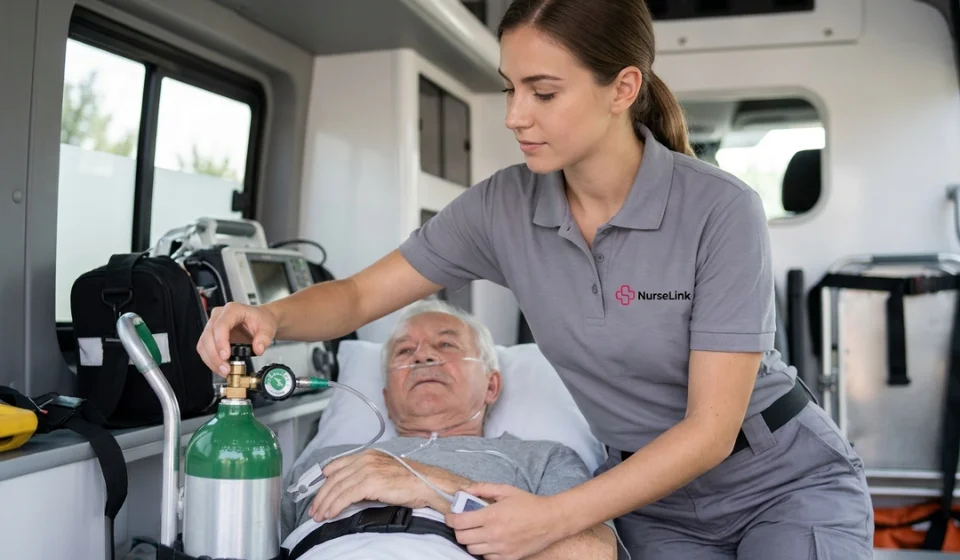
High acuity transport provides an additional level of clinical oversight for patients with complex medical needs. These transports may involve specialised monitoring equipment and staff with advanced training to ensure patient stability throughout the journey. Although the transport is categorised as non-emergency, these services are structured to respond quickly if a patient’s condition changes during travel.
Selecting the appropriate transport type requires careful coordination between healthcare providers, families, and transport services. This decision ensures that the patient receives the appropriate level of support while maintaining safety throughout the journey.
Qualifications & Training Required For NEPT Providers
Professionals working within non-emergency patient transport services must meet specific certification and training requirements to safely support patients during transit. Patient transport officers are responsible not only for operating vehicles but also for monitoring patient wellbeing and assisting with mobility support. As a result, they must possess both practical transport skills and clinical awareness.
Training standards across the sector emphasise patient safety, communication with healthcare professionals, and proper handling techniques for individuals with varying medical needs. Staff must also understand how to follow established patient transfer safety guidelines and maintain compliance with operational protocols during each stage of the transport process.
- Completion of recognised patient transport or healthcare support certifications.
- First aid and cardiopulmonary resuscitation training to respond to medical situations.
- Education in safe manual handling and mobility assistance techniques.
- Vehicle operation training specific to wheelchair, stretcher, and specialised transport vehicles.
- Background checks and patient safety screening to protect vulnerable individuals.
In addition to initial training, transport professionals are expected to undertake ongoing professional development. Recertification ensures that staff remain updated on current healthcare practices, evolving safety protocols, and regulatory expectations across the NEPT sector.
Patient Safety Protocols Every NEPT Service Must Follow
Patient safety is the central focus of every non-emergency patient transport service. Before a journey begins, transport teams conduct a pre-transport assessment to understand the patient’s condition, mobility requirements, and any clinical considerations that may affect the transfer. This preparation helps determine the appropriate vehicle type, level of staff assistance, and equipment required for the trip.
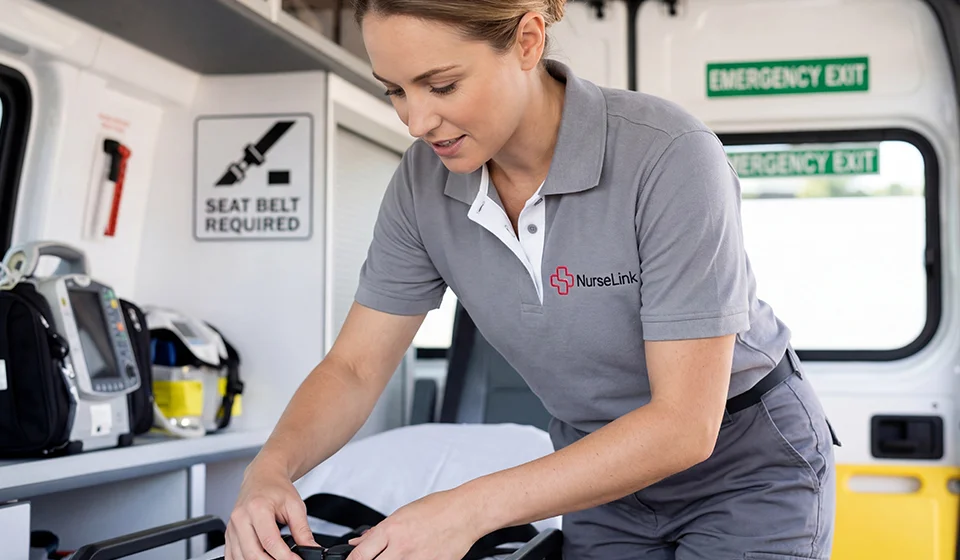
During the transport process, safe patient handling techniques are essential. Staff must carefully assist patients into vehicles and ensure that wheelchairs or stretchers are properly secured using approved restraint systems. Following established rules for safe patient transfer helps prevent accidents, injuries, or discomfort while travelling.
Infection control also plays an important role in maintaining patient wellbeing. Vehicles and equipment are regularly sanitised, and staff follow hygiene protocols to minimise the risk of infection transmission. Communication between transport teams and healthcare facilities ensures that patient needs are clearly understood both before and after the transfer.
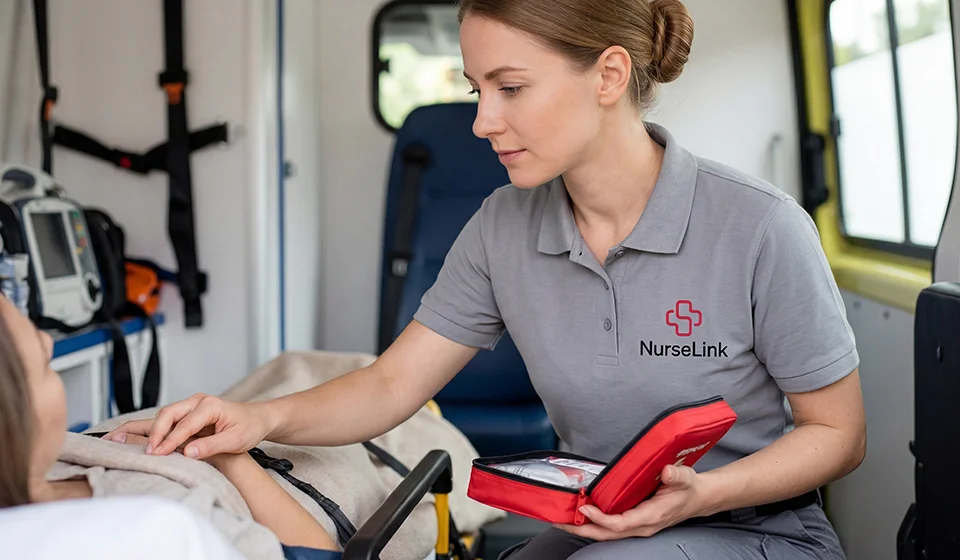
Transport staff must also be prepared for unexpected situations. Even during non-emergency journeys, protocols exist to guide the appropriate response if a patient experiences distress or a change in condition. Clear communication and adherence to non emergency patient transport guidelines ensure that patient wellbeing remains the highest priority throughout the journey.
How To Choose A Compliant & Reliable NEPT Provider
Selecting a reliable transport provider is an important decision for patients and families. The quality of a provider’s training, equipment, and operational standards can significantly influence the safety and comfort of a patient’s journey. Before booking a service, it is helpful to ask specific questions about accreditation, staff qualifications, and compliance with relevant healthcare standards.
Patients and carers can verify whether a provider follows non-emergency patient transport regulations by reviewing licensing documentation or confirming accreditation with the appropriate health authority. Reputable providers are transparent about their qualifications, vehicle capabilities, and training standards. These organisations typically follow recognised patient transfer safety guidelines and maintain strong communication with healthcare professionals involved in patient care.
Warning signs may include unclear licensing status, poorly maintained vehicles, or a lack of trained medical transport staff. Choosing an accredited provider ensures that transport services align with national safety expectations and provide patients with the level of care they deserve during medical transfers.
Final Thoughts
Standards governing non-emergency patient transport exist to protect patients, families, and healthcare providers by ensuring that every journey is conducted safely, professionally, and with appropriate clinical oversight. A compliant NEPT service operates with trained staff, specialised vehicles, clear safety protocols, and full adherence to regulatory expectations. When patients and families understand these standards, they are better equipped to choose transport providers who prioritise safety and quality care. Professional services also play a vital role in supporting the broader healthcare system by enabling safe patient movement between homes, hospitals, and community care settings. At NurseLink Healthcare, this commitment to safety, reliability, and compassionate care guides every service we deliver, helping clients maintain dignity, independence, and confidence throughout their healthcare journey.